

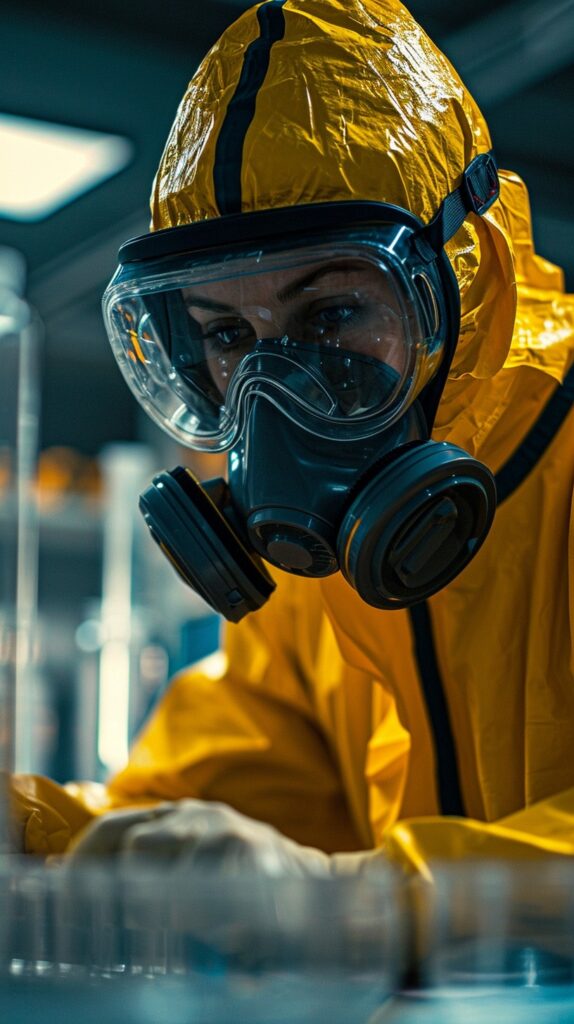
A chemical exposure lawyer can help injured workers understand their rights after exposure to toxic substances at work, whether the exposure happened suddenly or developed over time.
Chemical exposure can happen in a single incident, such as a spill, leak, explosion, equipment failure, or chemical release. It can also develop slowly when workers breathe fumes, handle chemicals, work around poor ventilation, wear contaminated clothing, or face repeated exposure over weeks, months, or years.
According to OSHA, American workers use tens of thousands of chemicals every day, but only a small number are regulated in the workplace. OSHA also reports that workers suffer more than 190,000 illnesses and 50,000 deaths each year related to chemical exposures, which have been linked to cancers and diseases affecting the lungs, kidneys, skin, heart, stomach, brain, nerves, and reproductive system.
Workers may be exposed through breathing fumes, skin contact, eye contact, accidental ingestion, contaminated clothing, poor ventilation, or unsafe handling procedures. These claims can be difficult because symptoms may not appear right away, medical evidence may be complex, and employers or insurance companies may dispute whether the condition is work-related.
If you were exposed to toxic chemicals at work, Shebell & Shebell can help you understand your rights and pursue benefits through workers compensation in New Jersey.
Exposed to Chemicals at Work in New Jersey?
Workplace chemical exposure can happen in many industries, not just obvious industrial or laboratory settings. A worker may be exposed during construction, cleaning, manufacturing, transportation, maintenance, healthcare, or public works duties.
Chemical exposure may happen in places such as:
- Construction sites
- Factories
- Warehouses
- Laboratories
- Manufacturing plants
- Refineries
- Hospitals and healthcare facilities
- Cleaning and sanitation jobs
- Transportation and trucking jobs
- Municipal and public works jobs
- Automotive and repair shops
- Schools and maintenance departments
Some workers are hurt in one major event, such as a spill, release, fire, leak, or equipment failure. Others are exposed to lower levels over time, which can make the injury harder to identify and prove.
How Chemical Exposure Happens at Work
Workers can be exposed to chemicals in several ways. The path of exposure often affects the type of injury, symptoms, and medical treatment needed.
Breathing Toxic Fumes or Vapors
Many chemical exposure claims involve breathing in fumes, gases, vapors, smoke, dust, or airborne chemicals.
This may happen because of poor ventilation, confined spaces, chemical mixing, welding or cutting fumes, cleaning products, industrial chemicals, or a sudden release in the work area. Breathing in toxic substances can cause immediate symptoms or long-term respiratory problems.
Skin Contact with Chemicals
Chemical contact with the skin can cause burns, rashes, irritation, allergic reactions, and chronic skin problems.
A worker may be exposed through spills, splashes, leaking containers, contaminated gloves, soaked clothing, or unsafe cleanup procedures. Some chemicals can damage the skin quickly, while others cause symptoms after repeated contact.
Eye Exposure
Chemical splashes, vapors, fumes, or airborne particles can injure the eyes, especially when workers are not given proper eye protection.
Eye exposure may cause pain, burning, blurred vision, redness, light sensitivity, corneal damage, or long-term vision problems.
Accidental Ingestion
Accidental ingestion can happen when chemicals contaminate hands, food, water, tools, or work surfaces.
Even small exposures may be dangerous depending on the substance involved. Workers should get medical care and document the chemical or product involved whenever possible.
Long-Term or Repeated Exposure
Some chemical-related conditions develop gradually. Repeated exposure may contribute to respiratory problems, neurological symptoms, skin conditions, organ damage, immune system issues, or cancer-related concerns.
These claims often require strong medical evidence and a clear history of workplace exposure.
Common Chemicals Involved in Workplace Exposure Claims
Many substances can be dangerous depending on the chemical, dose, duration, ventilation, protective equipment, and how the exposure happened.
Carbon Monoxide
Carbon monoxide is dangerous because it is odorless and may not be noticed until symptoms begin.
Exposure may cause headaches, dizziness, nausea, confusion, weakness, loss of consciousness, or serious injury. Workers may be exposed through engines, heaters, forklifts, equipment, poor ventilation, or enclosed work areas.
Ammonia
Ammonia exposure can irritate the eyes, nose, throat, lungs, and skin.
Workers may encounter ammonia in cleaning, refrigeration, manufacturing, agriculture, industrial work, or chemical handling. High-level exposure can cause burns, breathing problems, and serious eye injuries.
Chlorine
Chlorine exposure may cause coughing, chest tightness, breathing problems, eye irritation, and chemical burns.
Exposure can happen in industrial settings, cleaning operations, pool maintenance, chemical storage, or when incompatible cleaning products are mixed.
Acids and Corrosive Chemicals
Hydrochloric acid, sulfuric acid, and other corrosive substances can cause severe burns, eye injuries, lung irritation, and tissue damage.
These injuries may happen through spills, splashes, fumes, leaking containers, or improper handling.
Solvents, Degreasers, and Cleaning Chemicals
Solvents, degreasers, and cleaning chemicals can create problems through repeated skin contact, inhalation, or unsafe mixing.
Workers may experience irritation, dizziness, headaches, breathing issues, skin reactions, or other symptoms depending on the product and exposure level.
Pesticides, Fuels, and Industrial Chemicals
Workers in landscaping, agriculture, transportation, maintenance, warehousing, repair shops, and industrial settings may be exposed to pesticides, fuels, oils, solvents, and other chemicals.
These exposures may affect the skin, lungs, nervous system, eyes, or internal organs.
Common Chemical Exposure Injuries and Illnesses
Chemical exposure injuries can be immediate, delayed, or progressive. Some symptoms appear right away, while others develop after repeated exposure or become worse over time.
Chemical Burns
Chemical burns can affect the skin, eyes, mouth, throat, lungs, or internal tissue.
These injuries may cause pain, blistering, scarring, infection, tissue damage, and the need for emergency care. Some burns may require surgery, wound care, or long-term treatment.
Respiratory Injuries
Breathing in toxic fumes or vapors can cause coughing, shortness of breath, chest tightness, asthma-like symptoms, lung inflammation, and chronic breathing problems.
In severe cases, workers may need emergency oxygen, hospitalization, or ongoing pulmonary care.
Eye Injuries and Vision Problems
Chemical splashes, vapors, and fumes can cause eye pain, blurred vision, corneal damage, light sensitivity, and permanent vision concerns.
Eye injuries should be treated quickly because damage may worsen without proper care.
Skin Conditions
Chemical exposure may cause rashes, dermatitis, allergic reactions, chronic irritation, cracking, swelling, or worsening sensitivity.
Some workers develop skin problems after repeated exposure to the same chemical or product over time.
Neurological Symptoms
Some chemical exposures may cause headaches, dizziness, confusion, numbness, tremors, memory problems, weakness, or coordination issues.
These symptoms may require careful medical evaluation, especially when the exposure happened repeatedly or involved toxic fumes.
Organ Damage and Long-Term Illness
Certain workplace exposures may affect the lungs, liver, kidneys, heart, nervous system, immune system, or other organs.
These cases usually require medical testing, specialist care, and evidence connecting the condition to the workplace exposure.
Cancer and Occupational Disease Claims
Some long-term workplace exposures may be linked to cancer or occupational disease claims.
These cases are often complex because the condition may develop years after the exposure began. Medical records, exposure history, safety data sheets, job duties, and expert review may all be important.
Why Chemical Exposure Claims Can Be Difficult
Chemical exposure claims can be harder than many other workplace injury claims because the injury is not always obvious right away.
Symptoms may appear hours, days, weeks, or even years later. The exposure may have happened over time. The exact chemical may not be clearly identified. Safety data sheets may be missing, incomplete, or hard to obtain.
Employers and insurance companies may dispute whether the exposure happened at work, blame a pre-existing condition, delay medical treatment, or argue that the symptoms are unrelated.
These claims can also become complicated when multiple employers, job sites, contractors, or products are involved. PPE, ventilation, training records, chemical labels, and workplace safety procedures may all need to be reviewed.
What to Do After Chemical Exposure at Work
The steps you take after chemical exposure can affect both your health and your workers’ compensation claim.
Get Medical Treatment Immediately
Get medical care as soon as possible. Chemical exposure can worsen quickly, and early medical records can help connect your symptoms to the workplace incident.
Tell the medical provider what chemical or product you believe was involved, how the exposure happened, and when symptoms began. Learn more about medical treatment rights here.
Report the Exposure
Report the exposure to a supervisor, employer, safety manager, HR contact, or proper workplace representative.
Explain what happened, where it happened, what chemical may have been involved, and what symptoms you experienced. Written documentation creates a clearer record. Read more about how to report an injury at work.
Identify the Chemical if Possible
Try to identify the substance involved. Helpful information may include product labels, containers, Safety Data Sheets, product names, photos, spill reports, cleanup records, and witness information.
Do not put yourself at further risk to gather evidence. If it is not safe, focus on getting medical care and reporting what you know.
Document the Work Area
If possible, document the work area before conditions change.
Helpful details may include ventilation, PPE, spills, leaks, odors, machinery, containers, warning labels, cleanup procedures, and whether other workers were exposed.
This information can help show how the exposure happened and whether proper safety procedures were followed.
Keep Medical and Employment Records
Keep copies of treatment records, test results, diagnoses, work restrictions, missed time, incident reports, pay records, and communications with your employer or insurance company.
These records can help show how the exposure affected your health, income, and ability to work.
Contact a Workers’ Compensation Attorney
Legal help matters when exposure is disputed, treatment is delayed, symptoms are serious, or the injury developed over time.
An attorney can help gather workplace records, identify the chemicals involved, review medical evidence, and address denied or delayed benefits.
Workers’ Compensation for Chemical Exposure in New Jersey
Workers’ compensation may provide benefits when chemical exposure happened during employment or was caused by job duties.
The benefits available depend on the injury, medical evidence, work restrictions, and whether the condition affects the worker’s ability to return to the job.
Medical Benefits
Medical benefits may cover emergency care, specialist visits, testing, imaging, pulmonary care, dermatology, eye care, medication, therapy, and follow-up treatment.
Treatment may also include care for burns, respiratory symptoms, neurological problems, skin conditions, or other chemical-related injuries.
Temporary Disability Benefits
Temporary disability benefits may be available when a worker cannot return to work while recovering.
This may apply when burns, breathing problems, neurological symptoms, vision issues, or other chemical-related conditions prevent the worker from safely performing job duties.
Permanent Disability Benefits
Permanent disability benefits may apply when chemical exposure causes lasting harm.
This may include lung damage, scarring, vision problems, neurological issues, chronic skin conditions, organ damage, or reduced work capacity.
Death Benefits
If a workplace chemical exposure causes a fatal injury or illness, eligible surviving family members may have rights to death benefits under New Jersey workers’ compensation law.
These cases are serious and fact-specific, so families should speak with an attorney about their options.
Chemical Exposure and Third-Party Claims
Workers’ compensation may not be the only claim if someone outside the employer contributed to the exposure.
A third-party claim may exist if a chemical manufacturer failed to provide proper warnings, a product was mislabeled, a contractor created unsafe exposure conditions, or a property owner failed to address a known hazard.
Third-party issues may also involve a maintenance company that failed to repair equipment, a manufacturer that supplied defective PPE or respirators, a failed ventilation system, or another company that caused a spill, leak, or release.
These claims may allow recovery for losses not fully available through workers’ compensation, depending on the facts.
Who May Be Responsible for a Workplace Chemical Exposure?
Several parties may need to be reviewed after a serious chemical exposure injury or illness.
The Employer
An employer may have failed to provide proper training, PPE, ventilation, hazard communication, safe chemical storage, safety procedures, or emergency response.
Employers should make sure workers understand the chemicals they are handling and have the protection needed to do the job safely.
Contractors and Subcontractors
Outside contractors and subcontractors may create exposure risks on construction sites, industrial sites, maintenance jobs, cleanup projects, or shared worksites.
A contractor may cause a spill, use chemicals improperly, fail to warn nearby workers, or create unsafe conditions for other trades.
Chemical Manufacturers and Suppliers
Chemical manufacturers and suppliers may be responsible if a product had improper warnings, defective instructions, incomplete safety information, mislabeled containers, or unsafe handling directions.
These cases may require review of labels, Safety Data Sheets, product instructions, and the chemical involved.
Equipment or PPE Manufacturers
Defective respirators, gloves, goggles, masks, ventilation systems, protective suits, or other safety equipment may contribute to chemical exposure injuries.
If protective gear failed or was not appropriate for the chemical involved, a product liability or third-party claim may need to be reviewed.
Property Owners
A property owner may be involved when they controlled the site or failed to correct known hazards.
This may include unsafe storage areas, poor ventilation, leaking containers, contaminated areas, or dangerous conditions affecting workers on the property.
What If Your Chemical Exposure Claim Is Denied?
A denied chemical exposure claim does not automatically mean the case is over.
These claims are often denied because employers and insurance companies argue that the exposure is unclear, the symptoms are unrelated, or the medical evidence is not strong enough yet.
Common denial reasons may include:
- The employer says the exposure did not happen
- The insurer says symptoms are unrelated
- The condition developed too slowly
- The chemical was never identified
- Medical evidence is incomplete
- The insurer blames a pre-existing condition
- The worker reported symptoms late
- Safety records are missing
- The employer says PPE was available
- The claim involves multiple job sites or employers
Chemical exposure claims can be challenged with medical records, workplace documentation, Safety Data Sheets, witness statements, exposure history, PPE records, ventilation records, and testimony from treating doctors.
If your claim was denied, read more about what to do after a workers’ compensation claim is denied.
How Shebell & Shebell Helps Chemical Exposure Victims
Shebell & Shebell helps injured workers build stronger chemical exposure claims by reviewing what happened, where it happened, and what substances may have been involved.
The firm can help identify the chemicals involved, gather Safety Data Sheets and workplace records, review PPE, ventilation, and training issues, and organize medical documentation.
Chemical exposure cases often depend on connecting symptoms to workplace conditions. Shebell & Shebell can help review medical records, protect medical and wage benefits, address denied or delayed claims, and evaluate whether a third-party claim may also be available.
When needed, the firm can represent workers in hearings and fight for the benefits they are owed under New Jersey workers’ compensation law.
Frequently Asked Questions About Chemical Exposure at Work
Can I receive workers’ compensation for chemical exposure?
Yes, potentially. If the exposure happened during work or was caused by job duties, workers’ compensation may cover medical care, lost wages, and disability benefits.
What if my symptoms appeared days or weeks later?
Delayed symptoms may still be connected to workplace exposure. These claims usually require medical evidence and documentation showing what chemicals, conditions, or job duties may have caused the injury or illness.
What should I do if I do not know the exact chemical?
Report what you know, get medical treatment, and document the area, product containers, odors, labels, coworkers exposed, and any available Safety Data Sheets.
Even if you do not know the exact chemical, other evidence may help identify what you were exposed to.
Can I file a claim for long-term chemical exposure?
Potentially, yes. Repeated workplace exposure may support a workers’ compensation or occupational disease claim if medical evidence connects the condition to your job.
These claims often require careful documentation because the symptoms may develop slowly.
Can I sue a chemical manufacturer?
Possibly. A third-party product liability claim may exist if the chemical was mislabeled, lacked proper warnings, had unsafe instructions, or was unreasonably dangerous.
This type of claim is separate from workers’ compensation and depends on the facts.
What if my employer says PPE was available?
That does not automatically end the claim. The type of PPE, whether it was adequate, whether workers were trained to use it, and whether it actually protected against the chemical should all be reviewed.
PPE is only helpful if it is appropriate for the hazard and used as part of a safe work system.
What if my chemical exposure claim was denied?
A denial does not always mean the case is over. Medical records, exposure documentation, witness statements, Safety Data Sheets, and workplace records may help challenge the denial.
Talk to a Chemical Exposure Lawyer in New Jersey
Chemical exposure claims can involve sudden accidents, repeated exposure, toxic fumes, burns, respiratory injuries, neurological symptoms, long-term illness, disputed medical evidence, and denied claims.
These cases may also involve workers’ compensation, occupational disease claims, defective products, unsafe PPE, poor ventilation, negligent contractors, property owners, chemical manufacturers, or other third parties.
Contact Shebell & Shebell today to speak with our team about workers compensation in New Jersey after a chemical exposure injury or illness.