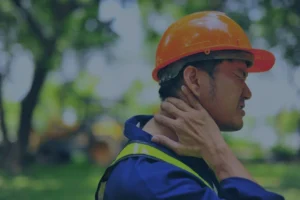

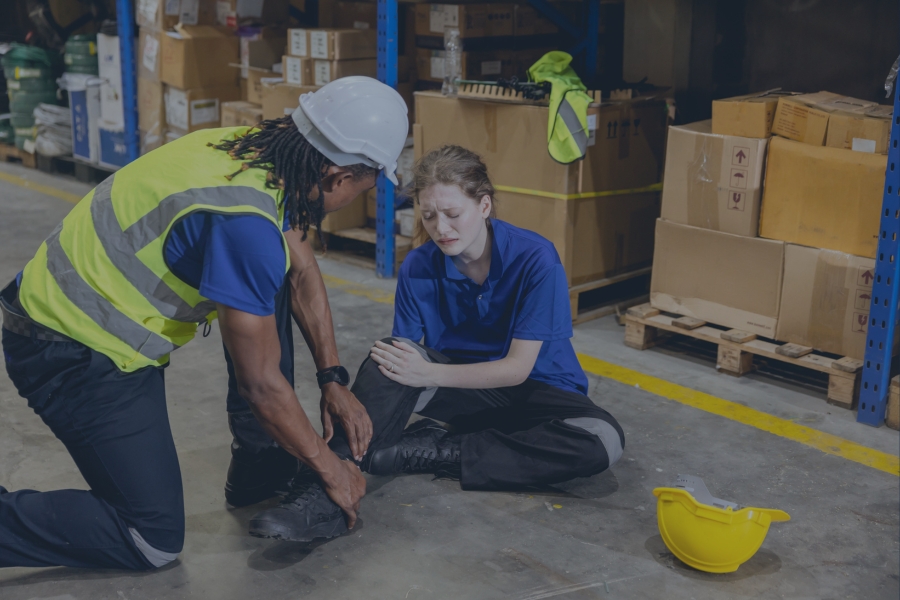
Warehouse worker injuries in New Jersey are common because warehouses are physically demanding, fast-moving workplaces. Amazon facilities, shipping centers, distribution warehouses, retail fulfillment centers, logistics hubs, and cold storage facilities all require workers to lift, carry, scan, load, unload, stack, and move quickly for long shifts. Between heavy lifting, repetitive movement, machinery hazards, falling objects, forklift traffic, and production pressure, even one accident can cause serious injuries and lost income.
Injured warehouse workers in New Jersey may qualify for workers’ compensation benefits for medical treatment, lost wages, and lasting disability. Some warehouse accidents may also involve third-party liability if defective equipment, outside contractors, truck drivers, or another negligent party contributed to the injury. Early reporting and strong medical documentation matter. If you were hurt working in a warehouse, speak with our New Jersey workers’ compensation attorneys to understand your rights, medical benefits, and possible financial recovery.
Why Warehouse Jobs Have High Injury Rates
Warehouses combine heavy labor with fast production demands
Warehouse work often requires speed, repetition, and physical effort at the same time. Workers may be expected to meet quotas, scan items quickly, load trucks, move pallets, stock shelves, pick orders, or package goods for hours at a time.
That pace can increase injury risk, especially during long shifts, overnight schedules, staffing shortages, seasonal surges, and busy fulfillment periods. When workers are pressured to move quickly, mistakes become more likely. A rushed lift, skipped safety step, or crowded aisle can lead to a serious injury.
Large facilities create constant injury risks
Large warehouse facilities have many moving parts. Forklifts, pallet jacks, conveyor systems, loading docks, shelving systems, narrow aisles, and elevated storage areas can all create hazards when safety rules are not followed or equipment is not properly maintained.
A worker may be struck by a forklift, pinned by a pallet jack, hit by falling inventory, caught in a conveyor system, or injured near a loading dock. These are not minor risks. In a busy warehouse, one unsafe condition can affect dozens of workers moving through the same area.
Warehouses employ workers across many industries
Warehouse injuries can happen in almost any industry that stores, moves, ships, or distributes products. This includes e-commerce warehouses, retail distribution centers, grocery supply chains, manufacturing support facilities, shipping and logistics hubs, wholesale storage buildings, and refrigerated warehouses.
The type of work may vary, but the risks are often similar. Workers may lift heavy inventory, operate machinery, work around trucks, stand for long periods, or repeat the same motions hundreds of times per shift.
Common Warehouse Worker Injuries
Back injuries from lifting and repetitive strain
Back injuries are among the most common warehouse worker injuries. Lifting heavy boxes, twisting while carrying inventory, bending repeatedly, or moving awkward loads can cause lumbar strains, herniated discs, spinal injuries, and chronic pain.
Some back injuries happen in one sudden moment. Others build over time from repetitive lifting and constant physical strain. Either way, a serious back injury can make it difficult to return to warehouse work, especially if the job requires bending, carrying, pushing, or pulling.
Shoulder, knee, and joint injuries
Warehouse workers often suffer shoulder, knee, and joint injuries from repetitive movement, lifting, kneeling, squatting, climbing, or slipping while carrying inventory. Common injuries may include rotator cuff tears, torn meniscus injuries, ligament damage, joint inflammation, and overuse injuries.
These injuries can be especially frustrating because they may limit basic job duties. A worker with a shoulder injury may struggle to lift overhead. A worker with a knee injury may have trouble standing, climbing, or walking across large facilities for a full shift.
Head and traumatic brain injuries
Head injuries can happen when inventory, boxes, tools, or equipment fall from racks or elevated storage areas. Workers may also suffer traumatic brain injuries from ladder falls, rack collapses, struck-by accidents, or falls on hard warehouse floors.
Even if a worker does not lose consciousness, a head injury should be taken seriously. Symptoms like dizziness, headaches, confusion, nausea, blurred vision, or memory problems may point to a concussion or more serious brain injury.
Crush injuries and fractures
Crush injuries and fractures can happen when workers are pinned, struck, or trapped by equipment or materials. Forklifts, loading dock accidents, conveyor systems, pallet collapses, and unstable loads can cause broken bones, hand injuries, foot injuries, internal injuries, or severe soft tissue damage.
These injuries often require emergency care, surgery, immobilization, or extensive physical therapy. In serious cases, a crush injury may leave a worker with permanent limitations.
Slip, trip, and fall injuries
Warehouse floors can become dangerous when aisles are cluttered, lighting is poor, surfaces are uneven, or debris is left in walkways. Wet floors, shrink wrap, loose packaging, spilled materials, cords, pallets, and loading dock hazards can all cause slip, trip, and fall accidents.
Falls may lead to wrist fractures, knee injuries, back injuries, head injuries, shoulder injuries, or hip injuries. When a worker falls while carrying boxes or equipment, the injury can be even more severe.
Repetitive stress injuries in warehouses
Not every warehouse injury comes from a sudden accident. Repetitive stress injuries can develop from scanning items, packing boxes, sorting products, reaching overhead, gripping tools, lifting repeatedly, or working at packaging stations for long periods.
Common repetitive stress injuries include carpal tunnel syndrome, tendonitis, shoulder strain, elbow pain, wrist injuries, and chronic neck or back pain. These claims can be harder to prove because they develop gradually, which makes medical documentation especially important.
Equipment and Machinery That Commonly Cause Warehouse Injuries
Forklift accidents
Forklifts are one of the most serious hazards in warehouse environments. Workers may be injured in struck-by accidents, rollover accidents, reversing accidents, loading accidents, or crashes caused by poor visibility.
Forklift injuries may happen because of improper training, overloaded forklifts, unsafe speeds, narrow aisles, missing warning signals, or failure to separate pedestrian workers from forklift traffic. These accidents can cause fractures, crush injuries, head injuries, spinal trauma, or fatal injuries.
Conveyor belt and machinery injuries
Conveyor belts and warehouse machinery can cause severe injuries when workers are caught in moving parts or exposed to unsafe pinch points. Entanglement injuries, caught-in accidents, emergency stop failures, and maintenance-related hazards can lead to hand injuries, amputations, crush injuries, or deep lacerations.
Machine guarding, lockout procedures, emergency stops, and proper training are critical in warehouse settings. When these protections are missing or ignored, workers can suffer life-changing injuries.
Pallet jacks and material handling equipment
Manual pallet jacks, electric pallet jacks, carts, dollies, and other material handling equipment are used constantly in warehouses. These tools may seem routine, but they can cause serious injuries when loads are unstable, equipment malfunctions, or workers are not properly trained.
Pallet jack accidents can cause foot injuries, ankle injuries, crush injuries, back strains, and collisions. Electric pallet jacks can be especially dangerous in tight spaces or crowded aisles.
Ladder and elevated storage accidents
Warehouse workers may need to climb ladders, use elevated picking systems, or retrieve inventory from high shelving. Falls can happen when ladders are unstable, workers overreach, shelving is unsafe, or employees are not given proper equipment for elevated work.
Falling merchandise is another major risk. Boxes, tools, or products stored overhead can strike workers below, causing head injuries, neck injuries, shoulder injuries, or fractures.
Loading dock accidents
Loading docks are high-risk areas because workers are dealing with trucks, trailers, dock plates, forklifts, pallet jacks, and heavy loads all in one space. Injuries can happen during truck loading, unloading, trailer separation, dock plate failures, falls from dock edges, or struck-by vehicle incidents.
A loading dock injury can be serious because there is often a height difference between the dock and the ground. Falls, crush injuries, and vehicle-related accidents in these areas can leave workers unable to return to physically demanding jobs.
Warehouse Injury Risks in New Jersey Distribution Centers
E-commerce warehouses have increased injury concerns
E-commerce warehouses and fulfillment centers often involve fast-paced work, scanner tracking systems, quota-driven tasks, repetitive motion, and high turnover. Workers may be expected to pick, scan, package, and move products quickly for long periods.
This kind of environment can increase the risk of repetitive stress injuries, overexertion, slips and falls, machinery accidents, and injuries caused by fatigue. When speed becomes the priority, safety can suffer.
Seasonal warehouse workers often face added risks
Seasonal warehouse workers may face added risks during holiday rushes, major sales periods, and high-volume shipping seasons. Temporary workers may receive rushed onboarding, limited training, or little time to become familiar with equipment, facility layout, and safety procedures.
New or temporary workers may not know where hazards are located, how traffic patterns work, or what to do after an injury. That can make reporting and documentation even more important.
Warehouse injuries can happen across New Jersey
Warehouse and distribution center injuries can happen throughout New Jersey, especially in areas with major shipping routes, port access, and industrial corridors. Workers in Newark, Elizabeth, Edison, Jersey City, Paterson, and communities along the New Jersey Turnpike may face risks tied to logistics hubs, port-related shipping, trucking operations, fulfillment centers, and regional distribution facilities.
No matter where the warehouse is located, injured workers should report the accident, seek medical care, document what happened, and understand whether workers’ compensation or a third-party claim may apply.
Workers’ Compensation Benefits for Warehouse Injuries
Medical treatment benefits
If you are injured while working in a warehouse, workers’ compensation may cover the medical care needed to treat your injury. This can include emergency care, diagnostic imaging, orthopedic treatment, medication, physical therapy, specialist care, and surgery when needed.
For warehouse workers, medical treatment may involve care for back injuries, shoulder tears, knee injuries, fractures, crush injuries, head trauma, or repetitive stress conditions. The goal is to make sure the injury is properly diagnosed, treated, and documented so your recovery is not delayed.
Temporary disability benefits
If your warehouse injury keeps you from working while you recover, you may qualify for temporary disability benefits. These benefits provide partial wage replacement when your doctor says you cannot return to work because of your injury.
This often matters after surgery, serious fractures, spinal injuries, knee injuries, or any condition that prevents you from lifting, standing, walking, bending, or performing warehouse duties. Temporary disability benefits are not the same as your full paycheck, but they can help reduce financial pressure while you are unable to work.
Permanent disability compensation
Some warehouse injuries do not fully heal. If you are left with permanent restrictions, chronic pain, reduced mobility, nerve damage, or lasting impairment, you may be entitled to permanent disability compensation.
This can apply when a worker cannot return to the same level of physical activity, has long-term medical issues, or must live with permanent limitations after an injury. For example, a warehouse worker with a serious back injury may no longer be able to lift heavy inventory, operate certain equipment, or work long shifts without pain.
Death benefits for fatal warehouse accidents
In the most serious cases, warehouse accidents can be fatal. Falls, fatal crush injuries, machinery accidents, forklift incidents, loading dock accidents, and transportation-related incidents can leave families facing sudden emotional and financial loss.
When a warehouse worker dies because of a job-related accident, surviving family members may be eligible for workers’ compensation death benefits. These benefits may help support dependents after the loss of income and stability caused by a fatal workplace injury.
Some Warehouse Injury Cases Involve Third-Party Liability
Workers’ compensation is not always the only claim
Workers’ compensation usually prevents employees from suing their employer directly for a workplace injury. However, that does not always mean workers’ compensation is the only possible claim.
Some warehouse injury cases involve third-party lawsuits against someone other than the employer. This may include outside contractors, subcontractors, equipment manufacturers, negligent delivery drivers, maintenance companies, or vendors working inside the facility.
Defective warehouse equipment may create liability
If unsafe or defective equipment caused the injury, there may be a product liability claim in addition to the workers’ compensation case. This can involve faulty forklifts, defective pallet jacks, unsafe conveyor systems, broken safety guards, defective emergency stop systems, or machinery that was not properly designed or maintained.
These cases require a closer investigation because the injury may not be only a “work accident.” It may also involve a manufacturer, maintenance provider, rental company, or other party responsible for putting unsafe equipment into use.
Truck drivers and outside vendors can contribute to accidents
Many warehouse injuries happen in areas where employees interact with truck drivers, delivery companies, contractors, and outside vendors. Accidents may involve unsafe trailer conditions, delivery vehicle collisions, loading dock negligence, improperly secured cargo, or hazards created by a contractor working on-site.
When someone outside your employer contributes to the accident, a third-party claim may help recover damages that workers’ compensation does not fully cover.
What To Do After a Warehouse Injury
Report the injury immediately
After a warehouse injury, report the accident to your supervisor as soon as possible. Even if you think the injury is minor, make sure there is a written record of what happened.
Try to document the date, time, location, equipment involved, and how the injury occurred. If there were witnesses, write down their names. If there are photos, surveillance footage, damaged equipment, or unsafe conditions, that evidence may become important later.
Seek medical treatment quickly
Prompt medical treatment protects your health and your claim. Warehouse injuries can get worse if they are ignored, especially back injuries, head injuries, knee injuries, shoulder injuries, and repetitive stress conditions.
In a workers’ compensation claim, you may be required to treat with approved workers’ comp doctors. Be clear about your symptoms, explain how the injury happened, follow up as directed, and make sure diagnostic testing or imaging is requested when needed.
Be careful speaking with insurance representatives
Insurance representatives may contact you after a warehouse injury. Be careful with recorded statements, broad medical releases, or questions that seem designed to minimize your injury.
They may ask about pre-existing conditions, whether you really need treatment, whether the injury happened outside work, or whether you can return sooner than your doctor recommends. These conversations can affect denied claims, delayed benefits, and even surveillance concerns.
Speak with a workers’ compensation attorney
A workers’ compensation attorney can help if your claim is denied, your medical treatment is delayed, your benefits stop, or your employer disputes the injury. Legal help is especially important when the injury is serious, permanent, or involves possible third-party liability.
An attorney can also look into whether unsafe equipment, a negligent vendor, a contractor, or another party contributed to the accident. That investigation can matter if workers’ compensation alone does not fully address your losses.
Why Warehouse Injury Cases Can Become Complicated
Employers may dispute how the injury happened
Warehouse injury claims can become complicated when an employer or insurance company questions how the injury occurred. They may argue that the injury was pre-existing, happened outside of work, was not reported quickly enough, or was caused by something unrelated to the job.
This is especially common with back injuries, shoulder injuries, knee injuries, and repetitive trauma claims. Strong reporting, witness information, and medical records can help connect the injury to your warehouse work.
Repetitive injuries are often challenged
Not every warehouse injury happens in one obvious accident. Many workers develop gradual wear-and-tear injuries from lifting, scanning, packing, reaching, bending, pushing, or pulling every day.
These cumulative trauma and repetitive motion claims are often challenged because there may not be one specific accident date. Conditions like carpal tunnel syndrome, tendonitis, chronic back pain, or shoulder damage may build over time, but they can still be work-related when the job caused or aggravated the condition. Knee and leg injuries are common in warehouse environments, especially after slips and falls, heavy lifting incidents, loading dock accidents, and repetitive physical strain. Learn more about getting workers’ compensation for a knee or leg injury in New Jersey.
Serious injuries may affect future employment
A serious warehouse injury can change more than your current job. Permanent restrictions may prevent you from returning to heavy lifting, forklift operation, loading dock work, overnight shifts, or fast-paced fulfillment work.
Some injured workers may need retraining, a lighter-duty position, or a different career path entirely. If your injury affects your long-term ability to work, the value and handling of your claim become much more important.
Warehouse workers and employers can also review workplace safety guidance through OSHA Warehousing Safety resources and the New Jersey Division of Workers’ Compensation to better understand warehouse hazards, injury reporting requirements, and available workers’ compensation benefits after a workplace accident.
Proven Results for Injured Workers
When a warehouse injury affects your health, income, and ability to work, proven legal experience matters. Workers’ compensation cases require preparation, detailed medical evidence, and strong advocacy, especially when benefits are delayed, claims are denied, or permanent injuries are involved.
Shebell & Shebell has represented injured workers and accident victims across New Jersey, including cases involving serious workplace injuries, construction injuries, and long-term physical harm. Every case is different, and past results do not guarantee future outcomes, but results can show the level of preparation and commitment a firm brings to serious injury claims.
Explore our case results to see how our firm has recovered compensation for injured workers and accident victims across New Jersey.
Frequently Asked Questions About Warehouse Worker Injuries
Can warehouse workers receive workers’ compensation in New Jersey?
Yes. Most warehouse workers in New Jersey are covered by workers’ compensation if they are injured while performing job-related duties. This may include injuries from lifting, falls, forklift accidents, machinery, repetitive motion, loading dock accidents, and other warehouse hazards.
What if my injury happened gradually over time?
You may still have a claim. Repetitive stress and cumulative trauma injuries can qualify for workers’ compensation if your job duties caused or aggravated the condition.
This can include carpal tunnel syndrome, tendonitis, chronic back pain, shoulder injuries, knee injuries, or other overuse injuries related to warehouse work.
Can I sue after a warehouse accident?
You usually cannot sue your employer directly for a workplace injury covered by workers’ compensation. However, you may be able to bring a third-party claim if someone other than your employer contributed to the accident.
This may include an equipment manufacturer, subcontractor, delivery driver, maintenance company, or outside vendor.
What should I do if my claim is denied?
If your workers’ compensation claim is denied, do not assume the denial is final. Claims may be denied because of reporting disputes, medical disagreements, pre-existing condition arguments, or insurance company challenges.
A workers’ compensation attorney can review the denial, gather evidence, and help fight for the benefits you may be owed.
Are temporary workers covered by workers’ compensation?
Temporary warehouse workers may still be eligible for workers’ compensation benefits if they are injured on the job. Coverage can depend on the employment arrangement, staffing agency, warehouse operator, and how the injury happened.
Because temp worker claims can involve multiple companies, it is important to report the injury and get legal guidance early.
What if unsafe equipment caused the injury?
If unsafe equipment caused your warehouse injury, you may have both a workers’ compensation claim and a potential third-party claim. Faulty forklifts, defective pallet jacks, broken conveyor systems, unsafe machinery, or missing safety devices may create liability beyond workers’ comp.
Preserving the equipment, taking photos, and identifying witnesses can be important.
Can I get benefits if I need surgery?
Yes. If surgery is medically necessary for a work-related warehouse injury, workers’ compensation may cover the procedure, related medical care, recovery treatment, and temporary disability benefits while you are unable to work.
Common examples may include surgery for herniated discs, torn rotator cuffs, knee injuries, fractures, crush injuries, or severe hand injuries.
What if I cannot return to warehouse work?
If you cannot return to warehouse work because of permanent restrictions, you may be entitled to permanent disability compensation. Your options may depend on your medical condition, work restrictions, ability to earn income, and whether your employer can offer light-duty work.
A serious injury can affect your future employment, so it is important to make sure your claim reflects the long-term impact.
Speak With a New Jersey Warehouse Injury Lawyer
Warehouse injuries can cause long-term physical, financial, and emotional consequences. A serious back injury, machinery accident, forklift collision, repetitive stress condition, or loading dock injury can affect your ability to work and support your family.
You should not assume the insurance company is protecting your best interests. Fast legal guidance can help protect your claim, avoid mistakes, and determine whether workers’ compensation or a third-party claim may apply.
If you were injured working in a warehouse, distribution center, or fulfillment facility, contact our New Jersey workers’ compensation attorneys today for a free consultation.