Over $200 Million Dollars in Verdicts & Settlements

If we don’t win, you don’t pay

Top 10 Safety Violations Found By OSHA In 2021

Workplace accidents happen every year – in Shrewsbury, Newark and throughout New Jersey. Workers are left with serious injuries and are unable to do their jobs, resulting in financial stress. Injured workers are eligible for workers’ compensation benefits to help them get through a difficult time. But many workplace accidents could have been prevented.

There are hazards at every workplace, and employers have a responsibility to take steps to help keep workers safe. It’s why the Occupational Safety and Health Administration (OSHA) has developed health and safety standards that employers must follow. But many employers fail to meet this responsibility.

Every year, OSHA responds to accidents and complaints and conducts inspections to determine if employers have been following these standards. Safety+ Health reports on the Top 10 violations found by OSHA for fiscal year 2021:

  1. Fall Protection, General Requirements (Standard 1926.501) – 5,271 violations: This standard addresses the fall protection measures that need to be taken for employees who walk and work on surfaces with an unprotected side or edge above 6 feet.
  2. Respiratory Protection (Standard 1910.134) – 2,521 violations: This provides employers with guidance for establishing and implementing a respiratory protection program for workers who may be exposed to harmful substances such as dust, smoke, fumes and gases.
  3. Ladders (Standard 1926.1053) – 2,018 violations: For workers who do their jobs high above the ground, this standard addresses the general safety requirements for all ladders.
  4. Scaffolding (Standard 1926.451) – 1,943 violations: This standard addresses the safe construction and use of scaffolding for employees working at heights of 10 feet or higher.
  5. Hazard Communication (Standard 1910.1200) – 1,939 violations: Many employees work with or near hazardous chemicals. This standard covers the communication of these hazards to workers.
  6. Lockout/Tagout (Standard 1910.147) – 1,670 violations: This addresses requirements for servicing and maintaining machines and equipment that can release hazardous energy (including electrical, mechanical and hydraulic).
  7. Fall Protection, Training Requirements (Standard 1926.503) – 1,660 violations: This standard covers training requirements employers must provide workers regarding fall protection.
  8. Personal Protective and Life Saving Equipment, Eye and Face Protection (Standard 1926.102) – 1,451 violations: This standard addresses personal protective equipment employers must provide to workers for protection against flying particles, chemical gases and other hazards.
  9. Powered Industrial Trucks (Standard 1910.178) – 1,404 violations: For workers who use industrial trucks (including forklifts and motorized trucks), this standard covers the safety and training requirements that must be followed.
  10. Machine Guarding (Standards 1910.212) – 1,105 violations: This standard addresses guarding methods that protect workers using machinery from rotating parts, flying chips, sparks and other hazards.

Companies found to have violated OSHA standards are issued a citation and face fines and other penalties.

When workplace accidents happen, injured employees deserve workers’ compensation benefits to pay their medical expenses and provide partial wages. But the process can be complicated. Employers and insurance carriers may dispute what happened and claims can be denied. That’s why it’s important to have an experienced workers’ compensation attorney.

Shebell & Shebell, LLC has been fighting for injured workers since 1927. Our lawyers know what it takes to build strong cases that get results. We guide workers through the claims process every step of the way and fight for the benefits they deserve.

If you’ve been hurt on the job in New Jersey, contact us to schedule a free consultation at our Shrewsbury or Newark office.

Soft Tissue Injuries that Qualify for Workers’ Compensation

When you think of workplace injuries, what comes to mind first is broken bones or severe accidents. However, some of the most common and overlooked injuries involve soft tissues. These injuries are just as debilitating as fractures, yet their subtle onset makes workers dismiss them or delay seeking help. If you’ve suffered a soft tissue injury at work, you’re entitled to the same benefits as someone with a more visible injury, provided the condition stems from your job duties.

Managing workers’ compensation claims involving soft tissue injuries is not always easy. It is advisable to enlist the help of a New Jersey workers’ compensation lawyer to help make the process smooth. Read on to understand which soft tissue injuries qualify for workers’ compensation and how you can pursue compensation.

What Are Soft Tissue Injuries?
Soft Tissue Injuries

Soft tissue injuries affect the body’s muscles, ligaments, tendons, and other connective tissues. They affect the soft tissues in our body that connect, support, and surround our bones and organs.

Unlike damage to bones, soft tissue injuries don’t always appear on an X-ray, making them harder to diagnose and treat. They range from mild discomfort to severe, chronic pain that disrupts daily life. Here are the types of soft tissue injuries that may qualify for workers’ compensation.

  • Sprains: These occur when the tough bands connecting bones are stretched or torn, mostly from a sudden twist or fall. A sprained ankle from slipping on a wet floor at work is a classic case of a sprain.
  • Strains: Strains involve the overstretching of muscles or tendons. Lifting heavy equipment improperly might leave you with a strained back.
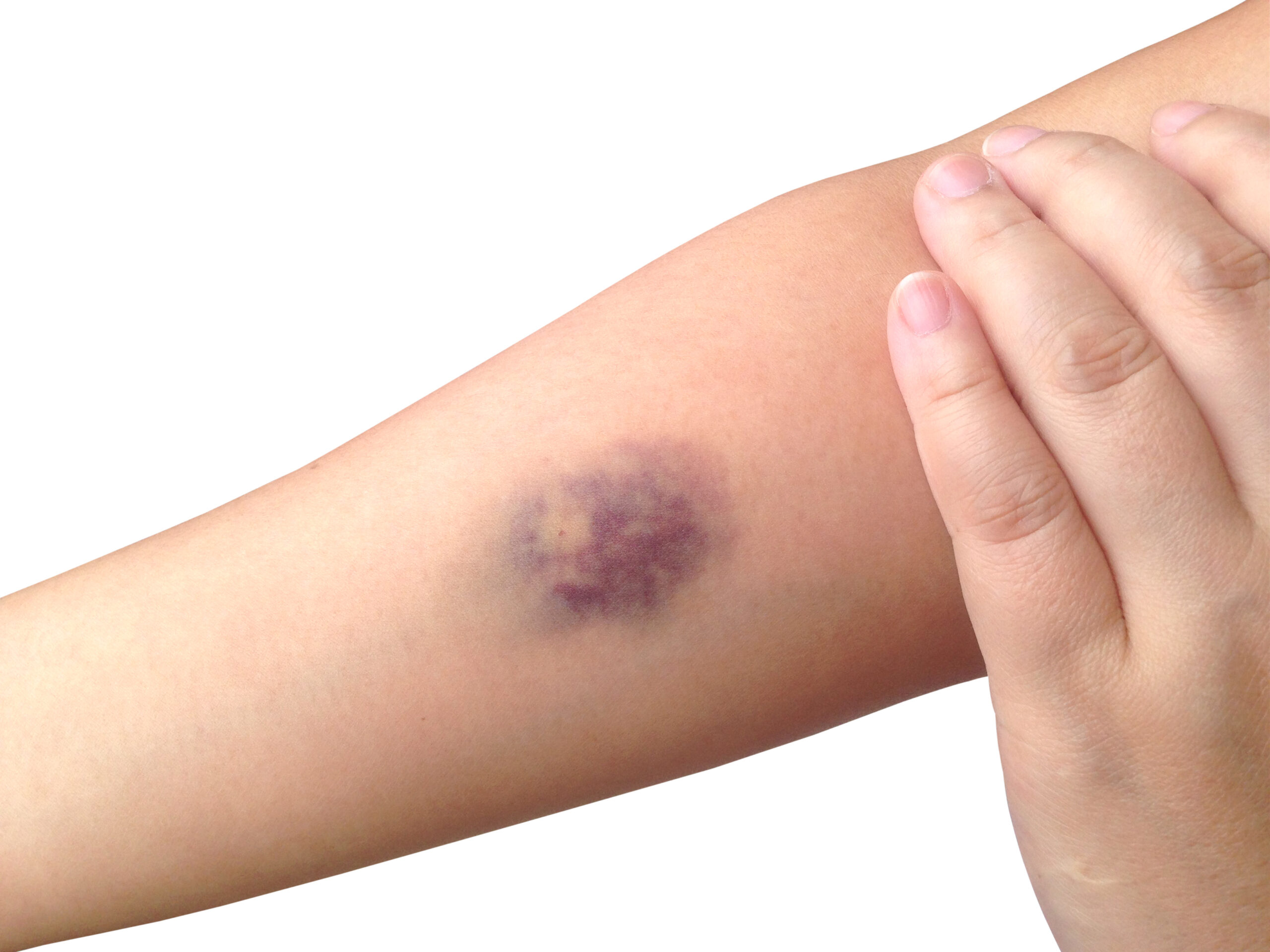
  • Contusions: Commonly known as bruises, contusions are linked with a direct blow or impact, causing blood vessels under the skin to break. A worker hit by falling tools could suffer this injury.
  • Tendonitis: This inflammation of a tendon mostly develops from repetitive motions, like typing or operating machinery for long hours.
  • Bursitis: Bursae are small, fluid-filled sacs that cushion joints. Repetitive pressure or overuse, such as kneeling on a hard surface, can inflame them.
  • Tears: Tears in muscles, tendons, or ligaments can range from partial to complete ruptures. A torn rotator cuff from repeated overhead lifting is a frequent workplace case.
  • Cellulitis: This is a skin infection caused by bacteria that can follow an untreated cut or scrape. It is potentially linked to workplace hazards like dirty tools.
  • Lacerations: These injuries happen when skin is subjected to deep cuts from sharp objects or machinery, affecting the muscles or tendons.
  • Tenosynovitis: Similar to tendonitis, this condition involves inflammation of the tendon sheath and is usually associated with repetitive hand or wrist tasks.
  • Stress Fractures: Though technically bone injuries, stress fractures may occur from soft tissue overuse, such as standing or walking on hard surfaces for extended periods.

Soft tissue injuries can stay far longer than many workers expect, especially when tied to workplace activities. Repetitive strain injuries, in particular, may build up over time, making it challenging to understand exactly when or how they started. Because of their gradual nature and potential for chronic pain, it’s wise to consult a workers’ compensation attorney who can help prove the injury’s connection to your job and fight for your rightful benefits.

Causes of Soft Tissue Injuries at Work

Soft tissue injuries don’t always stem from a single dramatic incident. In many cases, they develop slowly or result from everyday tasks gone wrong. It is vital to have an understanding of how these injuries happen, which can help recognize when your workplace might be to blame.

Some injuries occur suddenly, like a sprain from tripping over cluttered walkways or a muscle tear from lifting a heavy load. Others, like tendonitis or bursitis, emerge after weeks, months, or even years of repetitive motions. For instance, think of a warehouse worker constantly reaching for high shelves or an office employee all day. Poor ergonomics, inadequate training, or unsafe equipment can force awkward posture, leading to a soft tissue injury.

In addition, environmental factors are also linked to work-related soft tissue injuries. These include wet floors, uneven surfaces, or extreme temperatures, which can increase the risk of slips, strains, or overuse injuries. Even stress fractures might trace back to prolonged standing on concrete without proper footwear.

Whatever the cause, the key is establishing that the injury arose from your job duties.

Understanding how your injury occurred and tying it back to your workplace duties is key to building a strong case. Even if the incident seemed minor at the time, any resulting discomfort or limitation should be documented and evaluated by a medical professional. It sets the stage for exploring whether you can claim workers’ compensation, which we’ll cover next.

Can I Collect Workers’ Compensation for a Soft Tissue Injury?

Whether you qualify for workers’ compensation depends on whether your soft tissue injury occurred at work or while performing job-related duties. The core requirement in any workers’ compensation case is that the injury must arise out of the course and scope of your employment.

Therefore, you can collect workers’ compensation for a soft tissue injury as long as it’s work-related. This is because the workers’ compensation system is meant to cover injuries that happen during the course of employment, regardless of fault. That means if you can show the injury ties back to your job, you’re likely eligible.

The challenge with soft tissue injuries lies in proving that connection. A sudden accident, like a contusion from a falling object, is usually straightforward to link to work. However, gradual injuries, such as tenosynovitis from assembly line duties, might face scrutiny from employers or insurance companies eager to deny claims. That is why medical records, witness statements, and a clear timeline of symptoms are key to strengthening your case.

What Is the Worth of My Injury Claim?

The worth of a soft tissue injury claim depends on several factors around the injury. No two cases are identical, so evaluating the components of your claim is the true way to gauge its worth. Some key factors that determine the value of your soft tissue WC claim include the following:

Temporary Disability Benefits

Temporary Disability Benefits

Temporary disability benefits replace lost wages when a soft tissue injury. Most states pay about two-thirds of your average weekly earnings tax-free, though amounts vary based on local caps.

For example, a cashier sidelined for six weeks by a wrist sprain might recover several hundred dollars weekly. Payments stop once you return to work or reach maximum medical improvement. If light-duty work is available and you earn less, benefits adjust to bridge the gap.

Medical Expenses Coverage

Workers’ compensation covers all reasonable medical costs for your soft tissue injury, from doctor visits to surgeries. A construction worker with a severe contusion might accrue thousands in bills, all covered if tied to the job. Insurers may dispute treatments as excessive, so make sure to retain detailed records from your doctor. Without proper documentation, you risk out-of-pocket costs.

Permanent Disability Payments

If a soft tissue injury causes lasting limitations, like reduced mobility from a torn rotator cuff, you may be eligible to obtain permanent partial disability benefits. These are based on a doctor’s impairment rating. Insurers might downplay your condition to limit payouts, so medical evidence is key. Make sure to work with a workers’ compensation attorney who can ensure the rating reflects your true disability so as to secure fair compensation for long-term losses.

Impact of State Laws

State regulations can affect the value of your soft tissue injury claim. For instance, if a state offers higher wage replacement rates, injured workers might secure more in settlement than those whose laws cap the rates. Some states limit temporary disability to 104 weeks, while others extend it for severe cases.

Permanent disability calculations also vary, with each state having its own Disabilities and Maximum Benefits schedule. These differences can mean thousands more or less for the same soft injury claim. That is why it is recommended to retain the services of a local attorney who understands these laws, ensuring your claim aligns with state-specific rules.

Timing and Reporting Issues

Following a soft tissue injury in the workplace, you should act promptly to enhance your claim’s value. Some states, such as New Jersey, require reporting a workplace injury within 90 days. A delay can let insurers argue that your injury is unrelated to work, slashing benefits.

Additionally, get immediate medical care after an injury to build a strong record and boost your case. Note that gaps in treatment raise doubts about severity. Quick reporting and consistent care maximize temporary disability and medical benefits, while late claims risk denial. An attorney can guide you through deadlines to preserve the full worth of your compensation.

Insurer Challenges and Disputes

Insurance companies will scrutinize your soft tissue injury claim. They aim to avoid the claim or reduce the benefits as much as possible. Therefore, it is not uncommon for insurers to claim that your sprain predates your job or doesn’t need extensive therapy. Sometimes, independent medical exams requested by insurers may contradict your doctor, complicating matters.

Such challenges can reduce benefits or lead to denials. However, with strong evidence, your lawyer can counter these arguments. Without it, you might settle for less than what you deserve.

Long-Term Effects of Soft Tissue Injuries

While some soft tissue injuries heal with time and appropriate care, others can lead to lasting complications that impact your daily life and work capacity. In more severe cases, these injuries can result in permanent disability. Long-term consequences may include:

  • Chronic pain and discomfort: Persistent soreness or aching that limits daily functioning, even after treatment is completed.
  • Permanent reduction in mobility or strength: Lasting weakness or stiffness in the affected area may restrict your ability to perform routine tasks or continue working.
  • Increased risk of re-injury: Damaged soft tissue may never regain its original strength, making the area more vulnerable to future injuries.
  • Compensatory injuries: Altered movement patterns due to pain or limited mobility may lead to new injuries in other body parts, such as the hips, knees, or back.
  • Career limitations or changes: Due to physical restrictions, some workers may be forced to reduce their hours, accept modified duties, or even leave their profession.

These long-term impacts highlight the importance of pursuing a workers’ compensation claim early and thoroughly. With legal representation, you are sure to secure benefits for your current recovery as well as lasting complications that may arise from the injury.

Should I Work With a Workers’ Compensation Attorney?

Workers’ Compensation Attorney

Hiring a workers’ compensation attorney is necessary for successful soft tissue injury claims. These cases can be challenging, especially when employers or insurers dispute your case. With a lawyer, you can benefit from their strategy, professionalism, experience, and peace of mind.

An attorney will collect evidence to prove your injury’s work-related nature. It includes the following:

  • Accident reports
  • Coworker statements
  • Medical reports 
  • Expert testimony 

Without such proof, your claim risks rejection or reduced benefits. Your workers’ compensation lawyer can present a clear, factual case that strengthens your position.

Managing deadlines and paperwork is another area where your attorney can provide support. Workers’ compensation systems come with reporting timelines; missing these can forfeit your claim. Your attorney can manage these administrative demands efficiently and prevent errors that can delay or deny benefits.

Negotiating with insurance adjusters is a task that attorneys are uniquely equipped to handle. Insurers frequently offer settlements that fail to cover long-term medical needs or lost wages from an injury. Without representation, you might unknowingly accept an inadequate amount that leaves your future expenses uncovered. A lawyer understands fair compensation benchmarks and counters low offers with evidence-based arguments.

Another reason to hire a workers’ compensation lawyer is to appeal a denied claim. If an insurer rejects your soft tissue injury claim, a lawyer can request a hearing before a workers’ compensation judge. They prepare a robust case, incorporating expert testimony or additional medical evaluations to challenge the denial.

Get Help With Your Soft Tissue Injury Claim

If you’ve sustained a soft tissue injury at work, don’t let its subtle nature cheat you into delaying action. While you’re entitled to workers’ compensation benefits, securing them requires more than a simple claim form. Your lawyer can help fulfill all the demands of workers’ compensation guidelines to ensure your soft injury qualifies for compensation. Contact your New Jersey personal injury attorney today to evaluate your situation and guide you on the appropriate steps to seek benefits.

Safety Enforcement Is Up for New Jersey’s Most Deadly Tree & Landscaping Jobs

A New Jersey workers’ comp attorney discusses the dangers workers face

Logging workers are often among those with the most dangerous jobs in the U.S.

Every year, there are about 111 deaths per 100,000 workers, according to Industrial Safety & Hygiene News. This is 33-times the national fatal accident rate. To reduce injuries and deaths, this year, the Occupational Safety and Health Administration (OSHA) is increasing its enforcement of safety standards on the east coast.

Emphasis on tree worker safety

New Jersey is among the states with regional emphasis programs that increase inspections to reduce workplace fatalities and serious injuries during things like tree removal, trimming, and land clearing.

Recent data was not readily available, but according to state reports, 95 people died doing tree removal or trimming in New Jersey (1990-2015). Many more people were seriously and permanently injured.

Among the riskiest jobs in the tree industry are arborist service providers, ornamental tree and bush planters, and those who do pruning, spraying, and utility line trimming. When people in the tree-working and landscaping industries are injured, it is usually in one of four ways:

  • Getting struck by an object, usually by a tree or part of a tree.
  • Falling from height to a lower level, typically out of a tree or from a ladder.
  • Contact with electric current such as when a tree limb or aerial device comes in contact with a live electrical wire/power line.
  • Transportation incidents, such as getting hit by heavy machinery in a work zone.

Safety standards

People in the tree and landscaping industries face many opportunities for injury — heavy machinery, buzzing chainsaws, constant loud noise, huge falling objects, to name a few. That is why it is so important that employers follow best practices and industry safety standards.

In general, employers in these industries must or should do the following to keep their workers safe:

  • Maintain safe ladders, stairways, and dock boards.
  • Provide fall protection training, equipment, and procedures.
  • Ensure safe operation of well-maintained vehicle-mounted elevating and rotating work platforms.
  • Warn workers about flammable liquids (e.g., gasoline) and take appropriate safety measures.
  • Provide respiratory protection.
  • Provide foot and hand protection.
  • Make first aid equipment and kits readily available at worksites.
  • Protect workers from exposure to toxic and hazardous substances.
  • Report fatalities, hospitalizations, and major injuries to the proper authorities.

Legal help is available for injured tree workers

When people are injured within the scope of their work, they have the right to apply for workers’ compensation benefits. Benefits can pay for medical expenses as well as partial wages while the injured or sick worker recovers.

The problem is navigating the workers’ comp system in New Jersey can be complicated, and there is no guarantee that you will obtain the benefits you need and deserve.

At Shebell & Shebell, our attorneys have been helping injured workers in New Jersey for years and understand what it takes to get results. Our law firm is passionate about making sure our clients get the workers’ comp benefits they’re entitled to, which is why we work so hard to get the best possible outcome in each and every case we handle.

To learn more about how we can help you, contact us today to schedule a free consultation with an experienced New Jersey workers’ comp attorney.

Shebell & Shebell Wins Appeal in Workers’ Compensation Case

Shebell & Shebell, LLC has won an appeal for a ShopRite employee who was hurt at her workplace but later denied workers’ compensation benefits.

On December 11, 2018, Kathleen Walker was walking to her car in the parking lot after finishing her shift at the ShopRite in Neptune, New Jersey. She stepped into a pothole, suffering an injury.

Walker’s claim for workers’ compensation benefits was denied. She appealed, but in 2020 a workers’ compensation judge ruled that she was not entitled to benefits. The judge noted the area in which she parked was not owned or controlled by Saker ShopRites, Inc. and that she had been told by her employer to park in a different area that was designated for employees.

But Walker’s attorney, Mark T. Apostolou, Jr. of Shebell & Shebell, argued that Saker had maintained an employee break area near the site where his client fell. The company also used a nearby sidewalk to hold shopping carts.

Building a strong case for benefits

Walker, who had worked at the location for 25 years, was asked by a supervisor at one point to park out by the street. But she felt it was safer to park in the side lot where she always did, and other employees continued to park in that area.

Attorney Apostolou continued to pursue the appeal and argued Walker was entitled to workers’ compensation benefits for her injury.

A two-judge Appellate Division panel agreed, and in September, the decision to deny workers’ comp benefits for Walker was overturned

The panel noted that under the New Jersey Workers’ Compensation Act, entitlement to benefits is controlled by the “premises rule.” Courts need to consider where the accident occurred and whether the employer had control over that site.

“The accident occurred in the parking lot used by Saker’s customers, employees, and vendors,” the decision said. “Petitioner was walking to her car in the parking lot used by Saker when she sustained her injury. Clearly, this parking lot area was under Saker’s control.”

The panel said that the fact that Walker chose to park in a different area other than the one designated for employees was inconsequential. They noted there was no evidence that ShopRite’s directive to park in a certain area was driven by safety concerns.

Clarification on a complex area of the law

Attorney Apostolou indicated the decision could help other injured workers in the future.

“We are extremely pleased on behalf of Mrs. Walker with the Appellate Division’s decision,” he said. “People are often injured in parking lots they use for work. When the injured person seeks benefits, the workers’ compensation insurance companies routinely try to deny the claims. The Appellate Division’s decision in this case brings clarity to this nuanced subject.”

Our firm has been fighting for injured workers in New Jersey since 1927. We know the impact an injury can have on workers and their families. Our attorneys know the laws and how to navigate claims through the workers’ compensation system to get the results you deserve.

If you’ve been hurt at the workplace, contact us to schedule a free consultation with an experienced New Jersey workers’ compensation attorney.

Amazon partnership aims to reduce workplace injuries

Amazon has announced a partnership with the National Safety Council to find ways to prevent musculoskeletal disorders (MSDs) – a common injury among its workers that has led to countless workers’ compensation claims in New Jersey and throughout the country.

The Centers for Disease Control and Prevention defines MSDs as “injuries or disorders of the muscles, nerve, tendons, joints, cartilage, and spinal discs.” It notes that work-related musculoskeletal disorders (WMSD) occur when “the work environment and performance of work contribute significantly to the condition” and/or “the condition is made worse or persists longer due to work conditions.”

Examples of MSDs include sprains, strains, pinched nerves, herniated discs, meniscus tears, hernia, and carpal tunnel syndrome.

Warehouse workers and musculoskeletal disorders

The Occupational Safety and Health Administration (OSHA) notes that risk factors for MSDs include “lifting heavy items, bending, reaching overhead, pushing and pulling heavy loads, working in awkward body postures, and performing the same or similar tasks repetitively.”

All of these activities are part of the job for Amazon warehouse workers and not surprisingly, many of these workers have suffered MSDs at the workplace. A new study has found that Amazon warehouse workers are injured at higher rates than workers at other companies.

Amazon has 14 facilities in New Jersey, including a warehouse in Robbinsville.

The Strategic Organizing Center found that in 2020, there were 5.9 serious injuries for every 100 Amazon warehouse workers. That’s nearly 80% higher than the rate of serious injury at warehouses of rival companies.

OSHA notes that job-related MSDs “are among the most frequently reported causes of lost or restricted work time.” Amazon says its 5-year partnership with the NSC will directly address the problem.

“Nothing is more important than the safety of our employees, and this partnership will allow us to dive deep into the best way to reduce MSDs,” said Heather MacDougall, the company’s vice president of worldwide workplace health and safety.

The components of the partnership involve setting up an advisory council, conducting research, providing small business and university grants, setting up innovation competitions, and sharing solutions with other companies.

Injured workers can seek workers’ compensation benefits

An injury puts workers in a tough situation. They need medical treatment, which can be expensive. They may not be able to work for some time, resulting in a loss of income.

The state’s workers’ compensation system is supposed to help injured workers by covering the cost of medical treatment and paying them partial wages while they are out. But in reality, the process can be complicated and overwhelming.

Insurance companies try to pay injured workers as little as possible. They may question the seriousness of an MSD or try to argue that it was not work-related. Injured workers may be pressured into going back to work even if though they are still experiencing pain and have not fully recovered.

If you’ve been hurt while on the job in New Jersey, you need an experienced workers’ compensation lawyer who will fight for all the benefits you’re entitled to receive. Our law firm knows how to build strong cases based on evidence and guide workers through every step of the claims process.

Learn more about how we can help you. Contact us to schedule a free consultation today. Our offices are in Shrewsbury and Freehold, New Jersey.

‘Top 10’ most cited OSHA violations of 2020

The Occupational Safety and Health Administration (OSHA) recently released preliminary data for its top 10 most cited violations for 2020. The list remained unchanged from 2019, with one exception — ladder violations rose from No. 6 to No. 5.

It should be of no surprise that these violations are also the leading causes of workplace injuries and deaths. The New Jersey workers’ compensation attorneys at Shebell & Shebell, LLC often help injured workers who have sustained head injuries, back injuries, occupational illnesses, burns, broken bones and soft tissue injuries. If you’ve been hurt on the job, our legal team can help make you whole again.

Below, you’ll find the list of the most cited OSHA violations and how these violations endanger workers. OSHA compiled the data for the list from the 2020 fiscal year.

OSHA’s top 10 violations list

  1. Fall Protection – General Requirements (1926.501) – 5,424 violations. Employers must provide protection systems and implement safety guidelines to prevent workplace falls.
  2. Hazard Communication (1910.1200) – 3,199 violations. Employers must classify stored hazardous chemicals and communicate classifications, storage information and hazards to employees.
  3. Respiratory Protection (1910.134) – 2,649 violations. Employers must take measures to control toxic fumes, dusts, mists, gases, smokes, sprays and vapors. Workers who often breathe in toxic substances develop serious and fatal lung diseases.
  4. Scaffolding (1926.451) – 2,538 violations. Employers must ensure that scaffolds are capable of supporting their own weight and at least 4 times the maximum load applied. Failure to do so often leads to serious and fatal falls from heights.
  5. Ladders (1926.1053) – 2,129 violations. Under this standard, ladders used on worksites must be able to support at least 4 times the maximum intended load. Extra-heavy-duty type 1A metal or plastic ladders must be able to support at least 3.3 times the maximum intended load.
  6. Lockout/Tagout (1910.147) – 2,065 violations. Machines and heavy equipment must be powered off, locked out and tagged out when not in use. When machines aren’t properly secured, workers often sustain serious injuries, such as amputations, burns and electric injuries.
  7. Powered Industrial Trucks (1910.178) – 1,932 violations. Under this standard, employers must use powered industrial trucks and vehicles that meet specific design and construction requirements, and are properly maintained and inspected.
  8. Fall Protection – Training Requirements (1926.503) – 1,621 violations. This standard requires employers to provide fall protection training to workers who are susceptible to falls. Employees should be able to recognize fall hazards and address them quickly.
  9. Personal Protective and Life Saving Equipment – Eye and Face Protection (1926.102) – 1,369 violations. Employers must provide eye and face protection to workers who are at risk of contact with flying particles and hazardous substances. Failure to do so can result in serious eye injuries and even permanent blindness.
  10. Machine Guarding (1910.212) – 1,313 violations. Machine guards help protect workers from getting body parts or clothing stuck in machinery. They also prevent parts, chips and sparks from hitting employees.

Contact our New Jersey workers’ compensation and construction site accident attorneys

No matter who was at fault for your workplace injury, workers’ compensation in New Jersey is a no-fault system. That means you must only prove that your injury occurred on the job to be eligible for benefits. Getting workers’ compensation benefits won’t be easy, however. There are several steps you should follow in order to build a strong case. Here’s what we recommend doing:

  • Notify your employer in writing as soon as possible, before evidence disappears. Make sure you keep a copy of the incident report.
  • Get to a doctor as soon as possible. Mention that you sustained an injury at work. You will also need proof of your medical diagnosis, doctor recommendations and treatment. Be sure to get a copy of your medical record, and save medical bills and receipts.
  • Speak to our experienced workers’ compensation and construction site accident attorneys before filing a claim. Filing a claim is often a confusing process, especially for first-time filers. We’ll work with you every step of the way and ensure that your application is error-free.

With law offices in Shrewsbury and Freehold, New Jersey, our legal team is dedicated to helping injured workers get the benefits they deserve. Our consultations are confidential and free of charge. Contact us online or call us to pursue your claim.

Can I collect workers’ compensation for hearing loss?

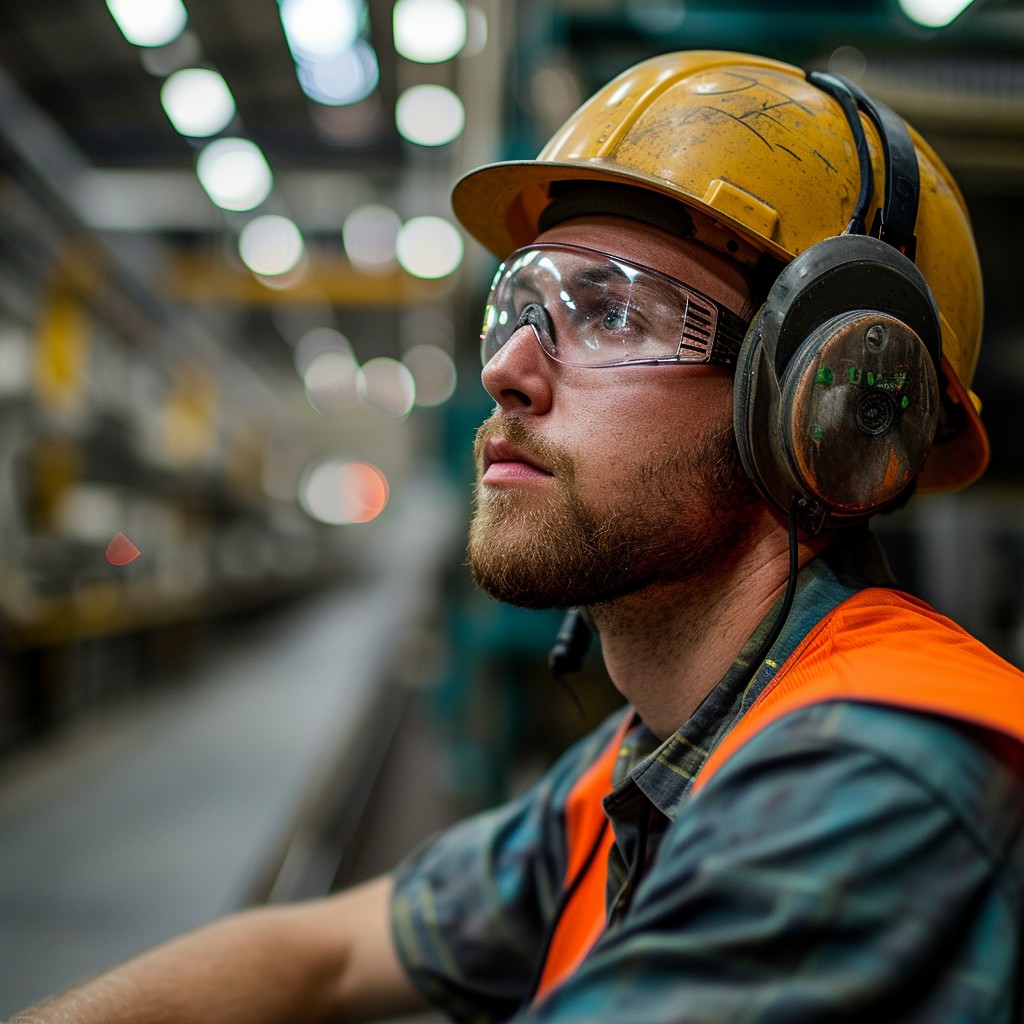
There are many workers who spend hours in noisy environments in order to earn a living. According to the Centers for Disease Control and Prevention, an estimated 22 million American workers are exposed to hazardous noise levels on the job each year. In addition, occupational hearing loss has been deemed “one of the most common work-related illnesses in the United States.”

Regular exposure to loud noises can cause wear and tear on the cochlea, which is a receptor organ in the inner ear that is responsible for sending sound signals to the brain. In addition, sudden, loud blasts of noise can rupture the ear drum.

Who is at risk of suffering work-related hearing loss?

The Environmental Protection Agency created a chart of “safe range” and “risk range” decibels (dB). Noise levels at 85 dB or higher fall under the risk range and can be emitted by:

  • Heavy city traffic
  • Motorcycles
  • Snowmobiles
  • Chain saws
  • Jackhammers
  • Rock concerts and symphonies
  • Sandblasting
  • Ambulance sirens
  • Thunder
  • Firecrackers
  • Firearms

A lot of equipment and machinery that people use at work create noise levels that fall well within the risk range. These are often found on construction sites, in manufacturing plants and warehouses, and in the presence of large commercial trucks. A recent study conducted by the National Institute for Occupational Safety and Health (NIOSH) found that workers in the following service sub-sectors were at a disproportionate risk of hearing loss:

  • Administration of urban planning
  • Community and rural development
  • Workers in the solid waste combustors and incinerators industry

OSHA limits on workplace noise levels

The Occupational Safety & Health Administration has established maximum noise levels (under standard 1910.95) in dB and duration limits on exposure to workers. Here is what’s allowed by law:

  • 90 dB – 8 hours
  • 92 dB – 6 hours
  • 95 dB – 4 hours
  • 97 dB – 3 hours
  • 100 dB – 2 hours
  • 102 dB – 1.5 hours
  • 105 dB – 1 hour
  • 110 dB – 30 minutes
  • 115 dB – 15 minutes or less

The NIOSH ‘Hierarchy of Controls’

Employers can protect their workers from occupational hearing loss by following the ‘Hierarchy of Controls’ established by the NIOSH. The most effective measure is eliminating unnecessary noises by physically removing the hazard. Employers can also consider these helpful, but less effective measures:

  • Purchasing equipment and tools that emit less noise
  • Isolating workers from hazardous noises
  • Placing time limits on noise exposure
  • Purchasing personal protective equipment for workers, such as earplugs and earmuffs.

Getting workers’ compensation benefits for occupational hearing loss

Occupational hearing loss often impacts a worker’s ability to perform their job and communicate with others. Workers may also experience prolonged ringing in the ears (tinnitus), which can affect their concentration and ability to sleep. For some workers, the impact is so severe that they can never perform the same job duties again.

If you sustained noise-induced hearing loss at work, you may be eligible for workers’ compensation benefits. In New Jersey, workers’ compensation is a “no fault” system, so you don’t have to prove that negligence led to your condition. At the same time, you will need to prove that your work environment caused your hearing loss.

Insurance companies often try to downplay workers’ compensation claims involving hearing loss. They may argue that your condition was linked to other causes and not related to your job. The New Jersey workers’ compensation attorneys at Shebell & Shebell, LLC can gather evidence to prove that your hearing loss was work-related. We can also advocate for a fair settlement to cover your current and future medical expenses and lost wages.

Our law firm has been fighting for the injured since 1927. With offices in Shrewsbury and Freehold, New Jersey, we offer free and confidential legal consultations to hurt workers in Monmouth and Ocean counties. To get started, contact us online or call us.

Workplace Injuries Linked to Heavy lifting

Injuries from lifting heavy objects usually take place under a pair of circumstances. First, you may be asked to lift a particularly heavy object that causes an injury – a one-time task. Second, you may regularly lift heavy objects – ongoing work that becomes injurious through wear and tear.

In either case, according to the Occupational Safety and Health Administration, the exertion associated with lifting heavy objects “is one of the leading causes of injury in the workplace.” OSHA reports slightly more than one-third of all work-related injuries – about 36% – involves shoulder and/or back trauma from heavy lifting.

The agency also notes injuries, which can cause temporary or permanent issues for workers, are not limited to the back or spine. Pulled muscles are a major problem. Other body parts susceptible to injury include wrists, shoulders and elbows.

How workers can protect themselves

OSHA says workers can reduce risk by using the proper equipment, including forklifts, duct lifts, pallet jacks, hand trucks, stands or jigs, and suction devices that serve as temporary handles. The agency also recommends employing ramps or lift gates, and encouraging employers to order supplies and other materials in quantities weighing less than 50 pounds.

Workers can prevent injuries through smart lifting practices, OSHA says, such as:

  • Placing materials where they are easier to lift (the “power zone” height, from about mid-thigh to mid-chest);
  • Maintaining a straight spine;
  • Moving items as close as possible to their body;
  • Not twisting when lifting an object;
  • Working in teams; and
  • Taking regular rest breaks.

Let an attorney do some heavy lifting for you

You could face several issues after sustaining a workplace injury linked to heavy lifting. This includes medical treatment for your injury – doctor appointments, physical therapy, medication, and possibly surgery. You could be out of work for weeks or months, unable to support your family or pay your rising medical bills.

Getting the full amount of workers’ compensation you need for a lifting injury can be a challenging process. The insurance company, in an effort to protect their bottom line, will hide behind their lawyers and their own doctors. They may dispute the extent of your injury or question whether the treatment your doctor recommends is reasonable or necessary. You need an advocate who knows the system to help you fight back.

The New Jersey workers’ compensation lawyers at Shebell & Shebell, LLC, have been handling cases like yours for decades in Freehold, Shrewsbury and throughout the state. We have secured justice and fair financial compensation for thousands of clients. We are not afraid to take on workers’ compensation insurance companies and their attorneys. Let us handle the legalities while you focus on your health. Contact us today for a free consultation.

Preventing workplace injuries linked to flammable chemicals

Many workplace injuries and deaths are linked to exposure to flammable chemicals, fires and explosions. We often hear about explosions that happen due to improper storage of flammable materials.

One particular incident that made international headlines was the August 4 explosion that happened in Beirut. Roughly 2,750 tons of ammonium nitrate was improperly stored at the port for six years. Approximately 135 people were killed and 5,000 injured in the explosion — all of which could have been prevented.

Common mistakes when storing flammable chemicals

According to an article in Occupational Health & Safety Magazine, ignorance and complacency are the cause of most flammable chemical accidents. The article sites a study conducted by the National Fire and Protection Association that linked 454 deaths and 3,910 injuries to flammable and combustible liquid fires. All of these injuries and deaths could have been avoided if flammable chemicals had been properly stored and secured.

According to the OH&S article, these are the most common errors made when storing flammable chemicals:

  • Not using the right container. While storing unused chemicals in their original packaging can save money, it can be dangerous in the long-term. This is only OK when flammable chemicals are stored in small amounts for a short period of time. When storing these chemicals for long periods of time, only the right containers designed for long-term storage should be used.
  • Not properly labeling the containers. It’s very important that the containers being used to store flammable chemicals are properly labeled. Since some flammable chemicals are clear and odorless, they can easily be mistaken for nonhazardous chemicals. A standard label should include the name of the chemical, the date of storage and Material Safety Data Sheets information.
  • Failing to have a fire prevention plan in place. In the event that an accident involving flammable chemicals occurs, it’s critical that a fire prevention plan is put in place to prevent fire from spreading throughout a facility. This can be done by having proper barriers and drainage systems put in place to prevent the liquids from spreading or remaining on floor surfaces. In addition, fire-resistant storage units should be installed.

Contact a New Jersey workers’ compensation lawyer if you were hurt on the job

If you were injured on the job due to a fire, explosion or exposure to hazardous chemicals, your injuries may be severe enough to leave you out of work for a significant amount of time. Fortunately, you may be eligible for workers’ compensation benefits that pay for your medical expenses and lost wages while you recover.

Pursuing workers’ compensation benefits can be a complicated process. That’s why it’s important that you speak to an experienced New Jersey workers’ compensation attorney at Shebell & Shebell, LLC. We’ll help you filing the claim, obtaining benefits you are entitled to, and preparing your case for trial. We’ll also advocate with insurance companies for the best possible financial settlement based upon the permanent impact of the injuries you have sustained. To learn more, contact us by phone or online and schedule your free legal consultation. Our law offices are located in Shrewsbury and Freehold, and we are offering phone appointments at this time for your convenience.

NJ lawmakers introduce legislation that would impact workers’ comp cases & third party claims

New Jersey lawmakers recently introduced legislation that would remove limitations on lawsuit costs and attorneys’ fees relating to third-party workplace injury claims. Senate Bill 2721 was introduced by Democratic Senator Nicholas Scutari on July 28, 2020.

Currently, there is a $750 cap on reductions of workers’ compensation liens related to costs required in third-party liability claim lawsuits, and a limit of one-third of the award paid in attorneys’ fees.

S.B. 2721 has been referred to the Senate Labor Committee. If it is signed into law, it will take effect immediately. Injured workers are often impacted by the current law, because more money comes out of their portion of the settlement obtained in third party negligence claims associated with their worker’s comp injury. Instead the insurance company gets the benefit by having this cap on litigation expenses.

The proposed law from Senator Scutari would remove the limitations on the credit for these necessary costs and attorneys fees. Instead of this arbitrary number of $750, this law aims for a credit for costs and legal expenses that are deemed “reasonable.”

What is a third-party workplace injury claim?

When a worker is hurt on the job, he or she is eligible for workers’ compensation benefits. Workers’ compensation pays for medical expenses relating to a worker’s injury, as well as wage reimbursement for lost time from work during recovery time.

In New Jersey, workers’ compensation is a no-fault system. That means workers can be compensated regardless of whether an injury was caused by an error they made, the actions of a coworker or the negligence of a third party. In some cases, injured workers can pursue additional damages for an injury that is linked to the negligence of a third party through a lawsuit alleging that third person was negligent, and caused the injury because of that negligence.

This only applies when a worker’s injury is caused by someone other than their employer or a coworker. Some examples of third parties include:

  • The driver of a car or truck that strikes a roadside worker or causes an accident while a worker was driving.
  • A worker from another company working on the same worksite
  • The manufacturer of defective machinery or equipment that causes an injury
  • The owner a business or property that a worker visits during the scope of his or her employment

New law pertains to increases in workers’ comp for loss of a hand or foot

In addition to S.B. 2721, Senator Scutari introduced S.B. 2722, which would clarify the effective date of the Legislature’s recent enactment of a statute that increased the amount of money for injuries in workers’ compensation payouts for workers who injured a hand or foot on the job. This legislation applies to:

  • Workers’ compensation cases that are pending but have not yet been settled
  • Workers’ compensation claims filed on or after January 21, 2020

S.B. 2722 does not apply to workers’ compensation cases that have been reopened for the purpose of modifying a formal award. Like S.B. 2721, this legislation has been sent to the Senate’s Labor Committee.

Many cases have been handled since the Legislature’s passage of a bill that increased the amount of money that would be paid for hand or foot injuries, but throughout the State different Judges and insurance companies have handled the increase differently. Many Judges and Insurance companies have argued that the Legislature did not apply those increases to cases that were already pending in the system. This has led to inconsistent approaches throughout the State. This bill would clarify what cases the increase in value would apply to.

A loss of a body part could result in a permanent partial or total disability. Workers who sustain either are eligible for the following benefits:

  • Permanent partial benefits: Disability benefits that are based on loss of a function.
  • Permanent total benefits: Disability benefits equal to 70 percent of a worker’s average weekly pay for up to 450 per week. Workers must prove that they are still disabled to continue receiving benefits.

Contact our New Jersey law firm if you were injured on the job

If you sustained an injury on the job, the New Jersey workers’ compensation attorneys at Shebell & Shebell, LLC can help you explore your legal options. We can help ensure that all paperwork is properly filled out before filing your claim and prepare documents for trial.

If your workplace injury was caused by a negligent third party, we can investigate the incident and help you build a strong legal claim against the responsible party, as well as his or her insurance company.

To get started, contact us online. Our legal consultations are confidential and free of charge.