
Over $200 Million Dollars in Verdicts & Settlements

If we don’t win, you don’t pay

What should construction companies do to protect trench workers?

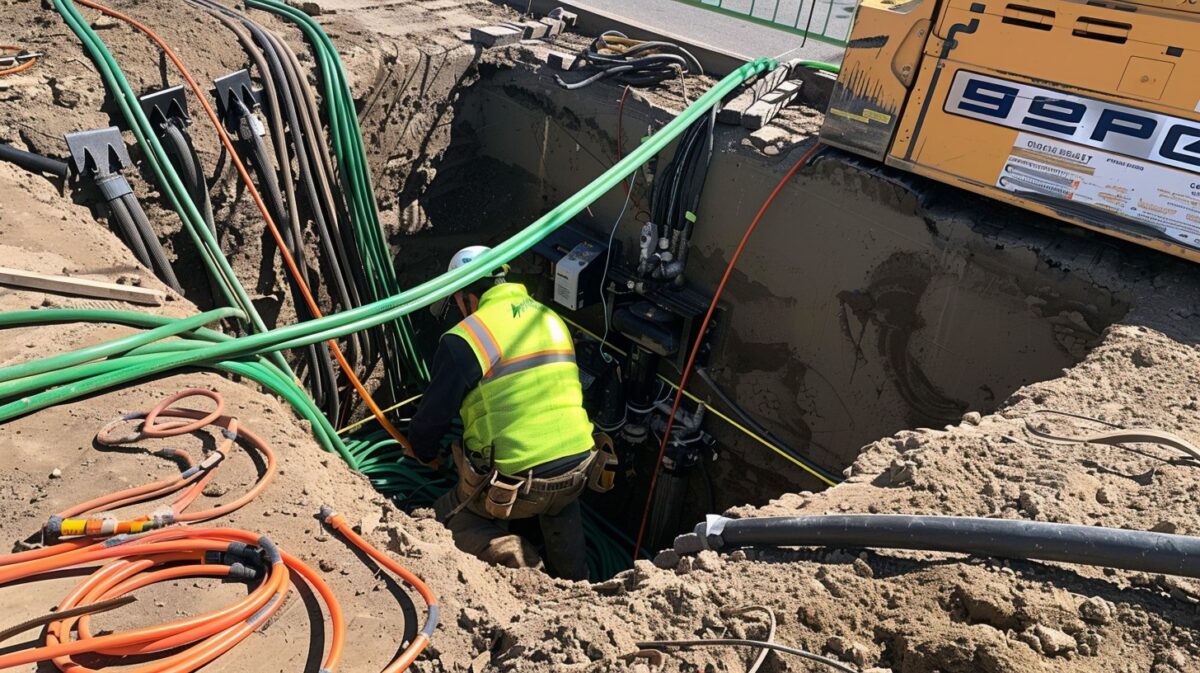
Construction trenches are a vital part of maintaining our infrastructure and are used to access or construct gas lines, water mains, telephone lines, and underground pipes. Trenches are dug by excavation workers. They can be as wide as 15 feet at the bottom of the excavation and can be more than 20 feet deep.

When trench worksites are set up correctly and fully inspected, they generally allow for safe work conditions. Some construction companies, however, fail to take critical safety measures in order to cut costs and time. This puts workers at risk of being seriously injured or even killed.

Generally, how safe are trench workers?

According to Occupational Health & Safety, there were just as many construction fatalities in trenches during 2016 as there were during 2014 and 2015 combined. The booming economy, increasing infrastructure, and lack of trench safety awareness are cited as leading factors.

From 2011-2016, approximately 38 percent of construction fatalities occurred in industrial locations, another 30 percent in residential locations, and 20 percent on streets and highway sites. Many of these deaths occurred due to trench collapses or other accidents occurring in trenches.

What are the safety requirements for trenches?

According to the Occupational Safety and Health Administration (OSHA), protective systems are required for construction trenches that are five feet deep or more. For trenches 20 feet or more, protective systems must be:

  • Designed by a professional engineer, or
  • Be based on tabulated data prepared by and/or approved by a registered professional engineer

Protective systems for trenches include:

  • Benching: Protects workers from cave-ins by forming horizontal levels or steps along the sides of a trench.
  • Sloping: Trench walls are cut at an incline angle to prevent walls from collapsing.
  • Shoring: Involves aluminum hydraulic support to stop soil from moving.
  • Shielding: Uses box-like structures to prevent cave-ins.

Wall collapses aren’t the only risk to trench workers. When trench sites are set up along roadways or parking lots, workers could be at risk of being hit by a car. Roadside trench workers must be provided with high-visibility vests and worksites must be protected with barriers.

Who is responsible for ensuring that trench sites are safe?

Trenches must be evaluated by a competent person on a daily basis, or each time a new worker enters or conditions of the job site change. Additionally, a competent person must evaluate:

  • The soil type of a trench site
  • The weather conditions
  • Nearby above-ground utility lines
  • Nearby structures such as proximity of building, railroads, and other underground lines and pipes
  • Surface and groundwater
  • The construction equipment, materials, and tools used at a trench site

According to OSHA, a competent person is someone “who is capable of identifying existing and predictable hazards in the surroundings or working conditions which are unsanitary, hazardous, or dangerous to employees, and who has the authorization to take prompt corrective measures to eliminate them.”

A competent person must evaluate the site where a trench will be excavated before the digging begins. This allows the competent person to devise a preplan to ensure that the worksite is safe and compliant with OSHA standards.

What are my legal options if I’m injured on a trench site?

If you’re a New Jersey construction worker who was injured on a trench site, you may be eligible for workers’ compensation benefits.

Those who survive trench accidents often sustain serious, and potentially permanent, injuries. Medical costs from X-rays, surgery, pain medication, and physical therapy can be expensive. In some cases, injured workers may be subject to a lifetime of medical treatment. What’s worse, workers often can’t afford to make ends meet while they’re not collecting a paycheck.

Workers’ compensation benefits cover these costs. Obtaining benefits, however, isn’t easy. Any paperwork errors or missteps in the claims process can lead to delayed benefits or having your claim denied entirely. That’s why you need an experienced legal advocate on your side who knows how the system works. The attorneys at Shebell & Shebell, LLC can ensure that your claim is properly filed and your paperwork is accurately filled out. Our legal team can also negotiate with the insurance companies for a fair settlement.

Our law offices are located in Shrewsbury and Freehold, New Jersey. To get started, contact us online and schedule your free consultation.

‘Forever Chemicals’ Linked to Cancer Show Up Strong in Firefighters’ Blood

A new study show that firefighters have high blood levels of potentially dangerous chemicals used in the manufacture of blaze-extinguishing foam.

The fact is that it’s not just veteran firefighters who show the “unacceptably elevated blood levels” of the chemicals that are linked to cancer and other health problems.

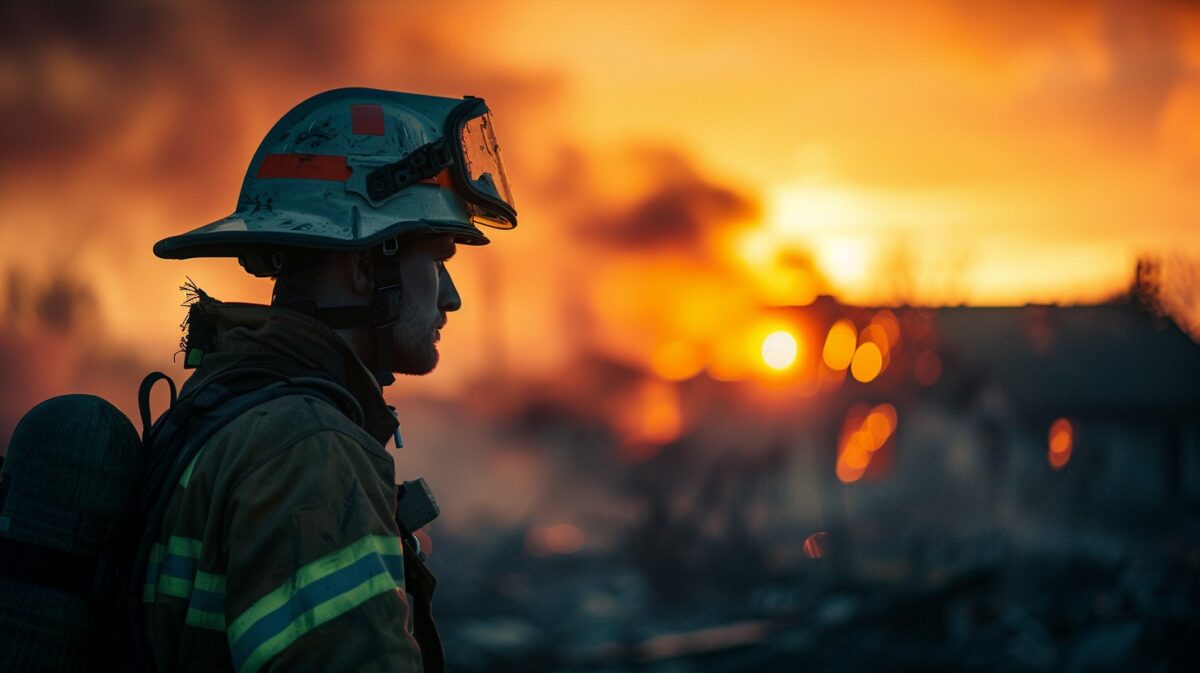
The high presence of the chemicals also appears in younger firefighters and even recruits, according to The Colorado Springs Independent. The younger firefighters may never have used the extinguishing foam themselves but merely could have been exposed to equipment and training areas contaminated by the “forever chemicals.”

The man-made chemicals — known as PFAS, which stands for per- and polyfluoroalkyl substances — are called “forever chemicals” because they are extremely persistent in the environment, according to an October 2019 study by IPEN, a global nonprofit network of public interest groups.

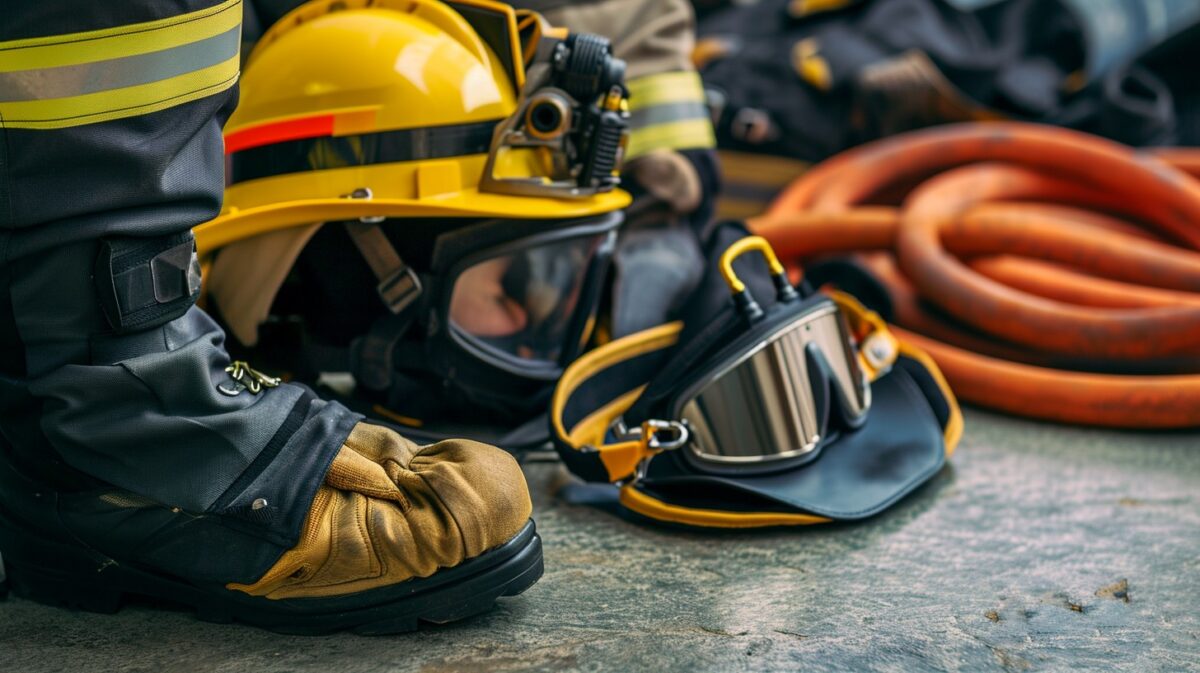
They’re very difficult to remove from drinking water. They can pass through wastewater treatment processes largely unhindered. Firefighters can be significantly exposed to such chemicals from firefighting foam, whether through direct or indirect contact.

How are firefighters affected by PFAS?

PFAS have been used in industry and consumer products worldwide since the 1950s, according to the U.S. Agency for Toxic Substances and Disease Registry.

PFAS are part of non-stick cookware, water-repellent clothing, stain-resistant fabrics and carpets, cosmetics, firefighting foams and products that resist grease, water and oil.

Most people have been exposed to PFAS, according to the U.S. Environmental Protection Agency (EPA).

Certain PFAS can accumulate and stay in the human body for long periods of time. There is evidence that exposure to PFAS can lead to adverse health outcomes in humans, according to the EPA.

Studies show the chemicals can cause reproductive and developmental, liver and kidney problems, and tumors in animals.

The most consistent findings from human studies about the dangers of exposure to these chemicals are increased cholesterol levels among certain exposed populations. More limited findings are related to infant birth weights, effects on the immune system, cancer, and thyroid hormone disruption.

The Colorado Springs Independent said that the “Firefighter Cancer Registry Act of 2018” signed into law by President Donald Trump establishes a voluntary registry of firefighters to collect data on cancer incidence. This registry could potentially aid research into the health effects of long-term PFAS exposure.

According to the IPEN study, for firefighters, lack of attention to personal decontamination on-site or at the station remains a possibility for further exposure. These activities show that there may have been significant exposure to concentrate through inhalation, ingestion or skin absorption.

Continued use of these products remains unclear. The IPEN study called for “the global elimination” of PFAS.

The U.S. House of Representatives and Senate versions of the National Defense Authorization Act — a bill to fund the military through 2020 — end the use of PFAS-based foams by 2023.

Manufacturers have developed some types of foams that don’t contain PFAS that would presumably replace these foams.

The U.S. Centers for Disease Control and Prevention called PFAS “a public health concern.”

The military has so far resisted to switching to different kinds of foams. The Air Force said no other foam is as strong in fighting liquid fires in military, industrial, aviation and municipal sites.

Contact Shebell & Shebell Attorneys At Law in Shrewsbury and Freehold, New Jersey today for help with cases related to firefighters having high levels of PFAS in blood and for help with other workplace exposure cases.

New State Workers’ Compensation Laws Now Protect 9/11 First Responders

It’s been nearly two decades since we, as a nation, experienced the horrific acts of terror committed on September 11, 2001. In the days that followed 9/11, many firefighters and emergency personnel were the first to trudge through the rubble of the World Trade Center — searching for potential survivors.

These heroes put their lives and health on the line to serve the public and their country. But years after their service, not enough has been done to protect these brave men and women. Sadly, many state lawmakers have been lagging behind.

According to the New York Post, nearly 10,000 people have suffered from cancer due to exposure to toxic smoke and dust, many of whom were first responders. This has resulted in more than 1,700 deaths, including 420 that were cancer-related.

What’s worse, many first responders who are alive today are at a heightened risk of developing heart disease, according to a study published in the Journal of the American Medical Association.

Recently, the state of New Jersey has taken the initiative to provide adequate compensation for 9/11 first responders who have suffered adverse health conditions as a result of their service.

New Jersey lawmakers usher in new legislation

A bill called the “Thomas P. Canzanella Twenty First Century First Responders Protection Act” (S716) was introduced in 2018 and sponsored by Senators Linda R. Greenstein and Christopher “Kip” Bateman. It was named after former Hackensack firefighter Deputy Chief Thomas P. Canzanella, who served at Ground Zero after 9/11 and died at the age of 50 due to a heart attack.

The bill, which supplemented chapter 15 of Title 34, was devised for the following purposes:

  • To compensate public safety workers for the screening of any potential illnesses, health conditions, or injuries related to their service — whether or not the public safety worker has sustained an illness, condition, or injury.
  • To provide workers’ compensation coverage for public safety workers who sustain illnesses, adverse health conditions, injuries, or fatalities involving bioterrorism, an epidemic, and exposure to substances that cause cancer or other illnesses.
  • To require that employers keep records of any public safety worker deployed to an area where he or she may be exposed to known cancer-causing agents.
  • To assert that employers may require public safety workers to be tested for illnesses or adverse health conditions and receive ongoing health monitoring when working in areas that could be harmful.

Another bill called the “Bill Ricci World Trade Center Rescue, Recovery, and Cleanup Operations Act” (NJ A4882) was introduced in January of 2019 and was sponsored by 27 state lawmakers. It was named after Clifton firefighter Lieutenant Bill Ricci, who served at Ground Zero after 9/11 and was previously uneligible to receive benefits.

The bill asserts the following:

  • Members and retirants of the Police and Fireman’s Retirement System (PFRS) who are 9/11 first responders are eligible for accident disability retirement allowance for a permanent and total disability resulting from their service.
  • Any member who served as a 9/11 first responder for a minimum of eight hours is eligible for permanent and total disability benefits only if they sustained a qualifying health condition or impairment as a result of their duties, and not willful negligence.
  • Members who didn’t serve for eight hours may be eligible for benefits if they participated in rescue, recovery, and cleanup at the World Trade Center site between September 11th and September 12th of 2001.

First responders and other public safety workers now eligible for benefits without burden of proof

This past summer, Governor Phil Murphy signed both A4882 and S716 into law. Previously, New Jersey first responders and firefighters had to expend time and resources proving their health conditions, injuries, or illnesses. Under New Jersey’s recent workers’ compensation rebuttals, firefighters with seven or more years of service are eligible for benefits without the burden of proof.

Other public safety workers can also be eligible for benefits without having to prove their condition. They must, however, prove that they were exposed to harmful substances while within the scope of their duties.

The workers’ compensation attorneys at Shebell & Shebell, LLC applaud the sacrifices made by our public safety workers and the actions of our state lawmakers.

We handle a wide range of workers’ compensation and disability claims, including:

If you’re a firefighter, police officer, or other public safety worker who has sustained an illness, injury, or adverse health condition on the job, our legal team would like to sit down with you and discuss your legal options. Our law offices are based in Shrewsbury and Freehold. To schedule your free initial consultation with one of our attorneys, contact us online today.

I Was Injured in a Construction Accident. Now What?

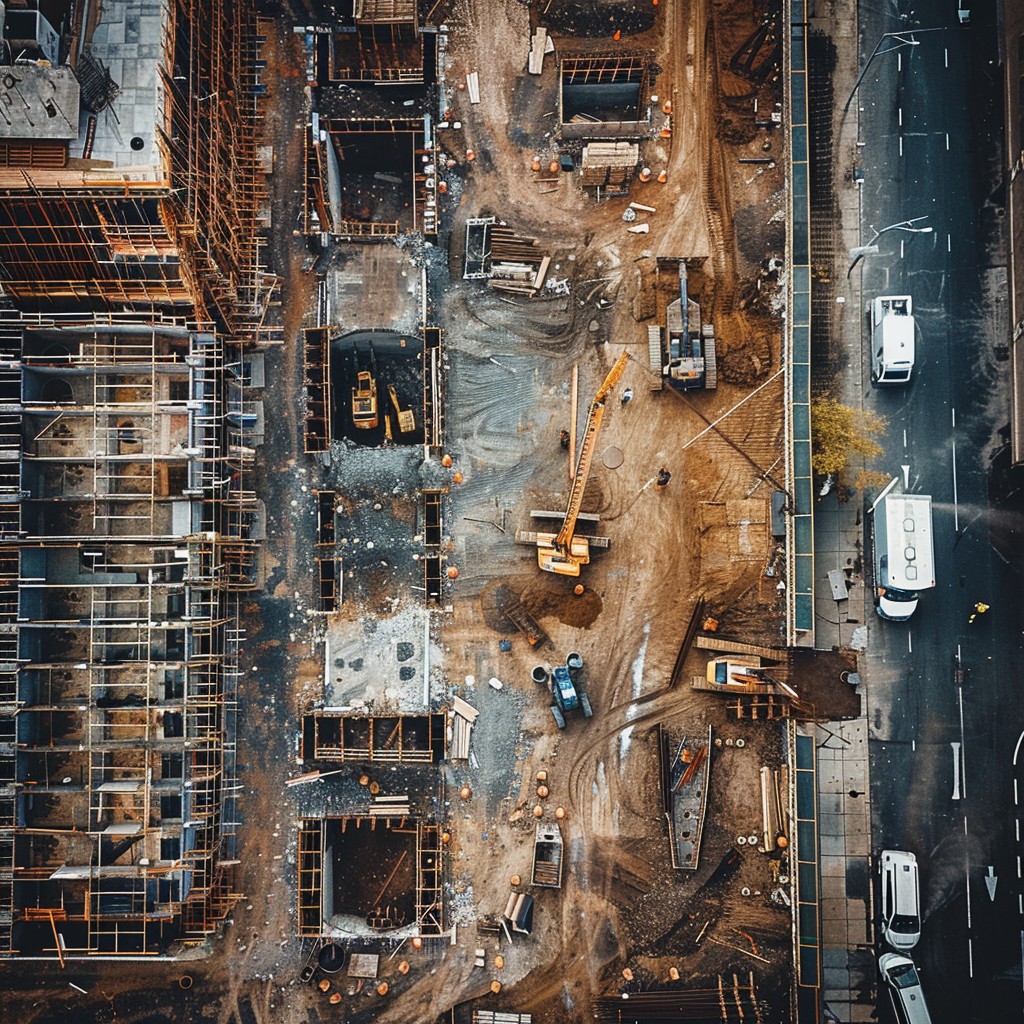
construction accident can be a chaotic and devastating occurrence. According to the Occupational Safety and Health Administration (OSHA), the four most common construction accidents that can lead to serious or life-threatening injuries include:

  • Falls: Approximately 381 construction workers died in 2017 due to falls – accounting for nearly 40 percent of all construction fatalities.
  • Struck by object accidents: 80 deaths in 2017 – accounting for more than 8 percent of all construction fatalities.
  • Electrocutions: 71 deaths in 2017 – accounting for more than 7 percent of all construction fatalities.
  • Caught-in/between accidents: 50 deaths in 2017 – accounting for more than 5 percent of all construction fatalities.

Statistics aside, only one thing is for certain: you’re injured. So, now what?

What can I expect following a construction accident?

The aftermath of a construction accident can be overwhelming and confusing. You may be wondering how you’ll go about receiving adequate medical care. Or how you’ll afford to pay for costly medical procedures, prescription medication, and physical therapy —  all while you’re unable to work and collect a paycheck.

The good news is, you are eligible for workers’ compensation benefits to cover the medical costs and lost wages. The bad news is, filing a claim and pursuing benefits isn’t easy and it only takes one small misstep to be denied.

That’s why you should consult with an experienced New Jersey workers’ compensation attorney as soon as possible to avoid any confusion and ensure that the process goes smoothly.

Can I collect other damages after a construction accident?

If you were injured in a construction accident, workers’ compensation covers your medical expenses and lost wages. It does not cover non-economic damages, such as pain and suffering or punitive damages.

By default, workers’ compensation is a no-fault system. That means, you could collect benefits even if there was no negligence involved.

On the other hand, if a third-party caused your construction accident, you may be eligible for additional damages. A third party is a person or entity not associated with your employer. It could include:  

  • A driver who struck you while you were working on a roadway
  • A contractor or employee from another company
  • The manufacturer of a defective tool or machinery
  • A business or property owner of a premises you visited in the scope of your employment

Why should I hire an attorney?

If you’re a construction worker who was hurt on the job, and you’re unsure what legal options are available to you, it’s best to speak to a knowledgeable attorney at Shebell & Shebell Attorneys at Law.

We handle both workers’ compensation and third-party construction accident claims. Our legal team has real experience negotiating with insurance companies for fair settlements and winning in the courtroom.

Our law offices are located in Shrewsbury and Freehold, New Jersey. To learn how we can help you, contact us online or simply call us at (848) 306-0979.