
Over $200 Million Dollars in Verdicts & Settlements

If we don’t win, you don’t pay

Can You Get Workers’ Comp if You Are Hurt on the First Day?

You can be eligible for workers’ compensation benefits if you suffered an injury on your first day of work. Workers’ compensation coverage typically begins as soon as you start your job, meaning that any injury sustained while performing work-related duties is generally covered, regardless of your length of employment.

To receive benefits, you must report the injury to your employer as soon as possible and seek medical treatment. It’s also essential to document the incident and any medical visits to support your claim. Your employer should then file a report with their workers’ compensation insurance carrier.

Specific details can affect your eligibility and benefits, so it’s essential to consult with an experienced workers’ compensation attorney as soon as possible. They will navigate the process for you, ensure that your rights are protected, and handle any disputes that may arise regarding your claim.

What’s the Process of Filing a Workers’ Comp Claim

Filing a workers’ comp claim after being injured on your first day of work involves several key steps. Here’s how the process typically unfolds and how a skilled workers’ comp attorney can assist you.

Report the Injury Immediately

As soon as you sustain an injury, it’s critical to report it to your supervisor or employer. You generally have to inform your employer within 14 days of the injury to qualify for benefits. However, it’s best to report it as soon as possible to avoid any complications.

Seek Medical Attention

Getting medical help is essential not only for your health but also for your claim. Ensure that you visit a doctor for a thorough examination and treatment. Your employer may have specific medical providers you need to see, so check their requirements.

File the Claim

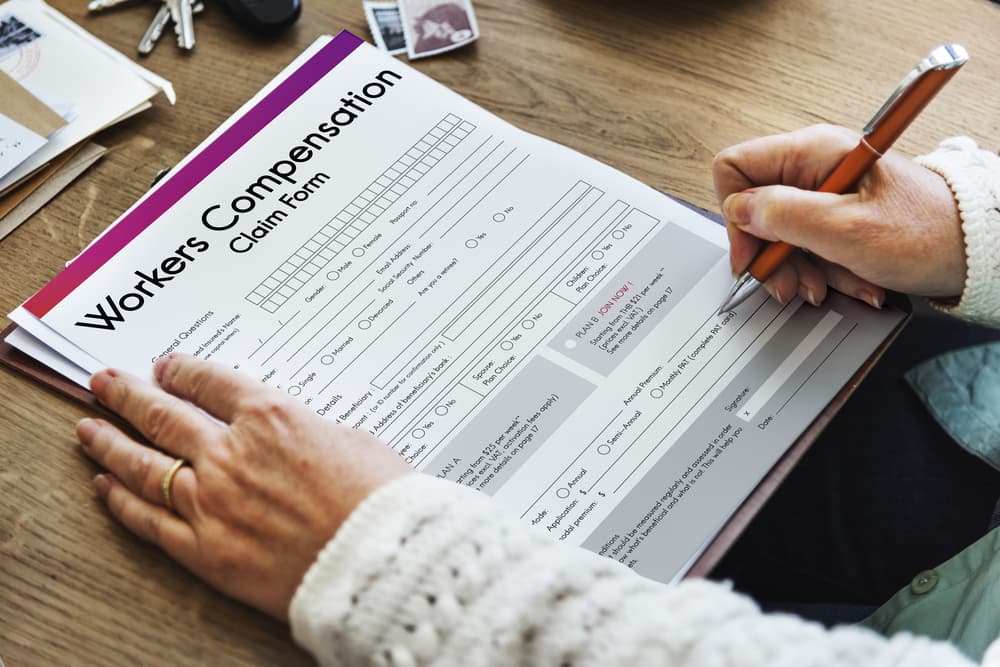
Your employer will provide you with a “First Report of Injury” form, which is necessary for filing your workers’ compensation claim. Fill it out accurately, including all details about the incident and your injuries. Your employer is responsible for submitting this form to their insurance carrier.

Receive a Claim Number

Once your employer submits the claim, you will receive a claim number from the insurance company. This number is essential for tracking your case and ensuring that your medical bills and lost wages are covered.

Follow Up on Your Claim

After filing, stay in touch with your employer and the insurance company to monitor the progress of your claim. It’s important to keep records of all communications and medical documents.

Understand Your Benefits

Workers’ compensation can cover medical expenses, rehabilitation costs, and a portion of your lost wages. Familiarize yourself with what you are entitled to receive, as this can vary based on the specifics of your case.

Navigating the workers’ compensation process can be complicated, especially if your claim is denied or if you encounter disputes. A skilled workers’ comp attorney can help by:

  • Ensuring Proper Filing: They can guide you through the paperwork, ensuring that everything is completed correctly.
  • Negotiating with Insurance: Attorneys can negotiate with the insurance company to ensure you receive fair compensation for your injuries.
  • Representing You in Disputes: If your claim is denied, an attorney can represent you in hearings or appeals, increasing your chances of a favorable outcome.

Most Common Injuries that May Arise on the First Day of Work

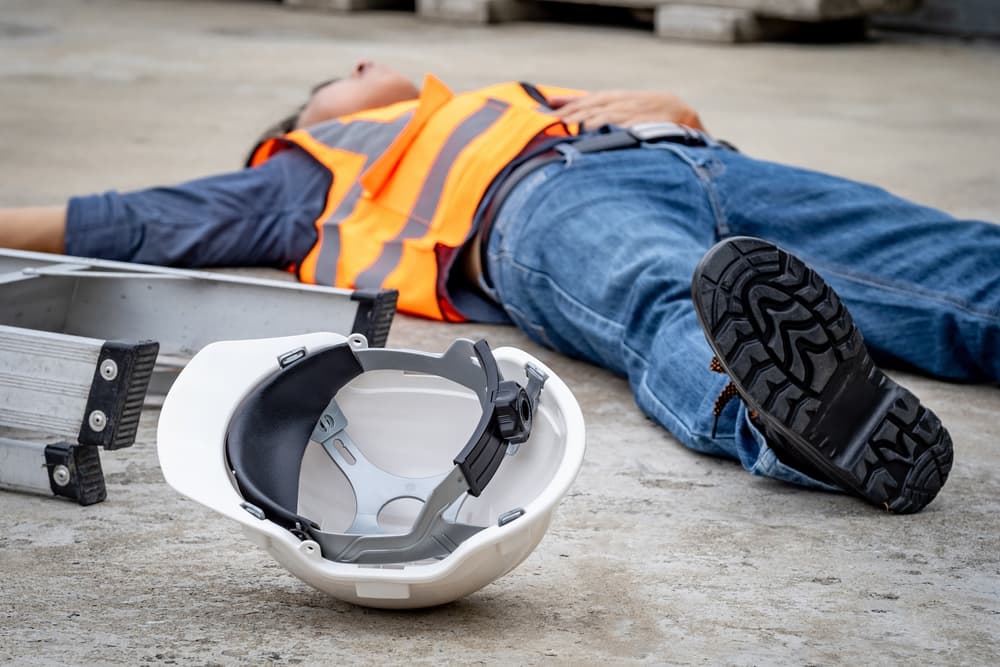
Accident and injury on a construction site.

Starting a new job can be exciting, but it also comes with risks – especially on the first day. Many workers may sustain injuries that can lead to a workers’ compensation claim. Here are some of the most common injuries that can occur on the first day of work.

  • Slips, Trips, and Falls: One of the most frequent injuries in the workplace is slips, trips, and falls. These accidents can happen due to wet floors, uneven surfaces, or cluttered walkways. New employees may not be familiar with their surroundings, increasing the risk of such incidents. Injuries from falls can range from minor sprains to severe fractures or head injuries, making it essential to report any fall to your employer immediately.
  • Lifting Injuries: On the first day, new employees may be tasked with lifting heavy objects, which can lead to strains or sprains. Improper lifting techniques, combined with unfamiliarity with the weight of items, can result in back injuries or muscle damage.
  • Repetitive Motion Injuries: Certain jobs require repetitive motions, such as typing, assembly line work, or manual labor. Even on the first day, employees may experience discomfort or pain due to repetitive tasks. Conditions like carpal tunnel syndrome or tendonitis can develop from such actions, and they may not manifest immediately. Reporting any discomfort early can help in addressing potential long-term issues.
  • Cuts and Lacerations: In environments such as kitchens, construction sites, or manufacturing, cuts and lacerations are common. New workers may be unfamiliar with the proper use of tools or equipment, leading to accidents. These injuries can vary in severity and may require medical attention, making it important to report them to ensure your claim is processed.
  • Burns: Burns can occur in various work environments, particularly in kitchens or factories. Whether from hot surfaces, flames, or chemicals, these injuries can range from mild to severe. It’s vital for employees to know safety protocols and report any burn injuries as soon as they occur.

If you sustain an injury, reporting it to your employer and seeking medical attention is important.

Types of Benefits You May Recover

If you suffered an injury on your first day of work, you may be eligible for various types of workers’ compensation benefits. These benefits are designed to help employees who suffer job-related injuries or illnesses. Some of the most important types of workers’ comp benefits include:

Medical Benefits

One of the primary benefits available is coverage for medical expenses related to your injury. This includes costs for doctor visits, hospital stays, surgeries, medications, physical therapy, and any necessary medical equipment. Your employer’s workers’ compensation insurance is responsible for covering these medical expenses, regardless of who was at fault for the injury.

Temporary Disability Benefits

If your injury prevents you from working for a period, you may be eligible for temporary disability benefits. These benefits typically provide about two-thirds of your average weekly wage, up to a state-set maximum amount. Temporary disability benefits are available for a limited time, usually until you are medically cleared to return to work, or your condition stabilizes.

Permanent Disability Benefits

In cases where an injury leads to lasting impairments that affect your ability to work, you may qualify for permanent disability benefits. This type of benefit is awarded based on the extent of your disability, which is classified as either total or partial. Total permanent disability means you are unable to work at all, while partial means you can still perform some work but at a reduced capacity. The compensation amount varies depending on your wage and the severity of the disability.

Vocational Rehabilitation

If your injury makes it challenging to return to your previous job, you may be eligible for vocational rehabilitation benefits. This program assists injured workers in finding new employment or training for a different job. Services may include job placement assistance, resume writing, and skills training to help you transition to a new career.

Death Benefits

In tragic cases where an employee dies due to a work-related injury, their dependents may receive death benefits. These benefits can help cover funeral expenses and provide financial support to the deceased worker’s family members.

Always report your injury promptly and consult an experienced workers’ compensation attorney for guidance on navigating the claims process.

How Can a Knowledgeable Workers’ Compensation Lawyer Help if You Are Injured on the First Day of Work?

Workers compensation is shown using a text

If you suffered an injury on your first day of work, retaining an experienced workers’ compensation attorney can significantly affect the outcome of your claim. Understanding the complex nature of workers’ comp law can be challenging, especially when you’re dealing with the aftermath of an injury. Here’s how an experienced attorney can assist you.

  • Understanding Your Rights: A knowledgeable workers’ compensation lawyer will help you understand your rights as an injured worker. They can explain the benefits you are entitled to, including medical coverage, temporary and permanent disability benefits, and vocational rehabilitation. This understanding is important for ensuring that you receive all of the compensation you deserve.
  • Accurate Claim Filing: Filing a workers’ comp claim involves completing various forms and adhering to specific deadlines. An attorney can ensure that all paperwork is accurately filled out and submitted on time, reducing the chances of errors that can delay your claim. They will gather the necessary documentation, including medical records and witness statements, to support your case.
  • Negotiating with Insurance Companies: Insurance companies often attempt to minimize payouts or deny claims altogether. A skilled attorney is well-versed in negotiating with these companies and can advocate on your behalf. They understand the tactics insurers may use and can push back against unfair settlement offers, ensuring that you receive a fair amount that covers your medical expenses and lost wages.
  • Gathering Evidence: Establishing that your injury is work-related can be complicated – especially if it occurs on the first day of work. An attorney can gather the evidence necessary to establish a clear connection between your job and your injury. This may involve collecting accident reports, witness testimony, and medical evaluations to strengthen your case.
  • Representing You in Disputes: If your claim is denied or if there are disputes regarding your benefits, a workers’ compensation attorney can represent you during hearings and appeals. They will advocate for your rights and work to resolve any issues that arise during the claims process, providing you with the best chance of securing the compensation you need.

This assistance can lead to a more favorable outcome, allowing you to focus on your recovery while they handle the legal intricacies of your case.

What to Do if Your Workers’ Compensation Claim is Denied?

If your workers’ comp claim for injuries sustained on your first day of work is denied, you still have legal options to pursue the benefits you deserve.

If your claim is denied, one of your first options is to request a hearing before the Division of Workers’ Compensation. This formal process allows you to present your case to a judge. A skilled attorney can prepare your case, gather evidence, and present compelling arguments to support your claim. They will know the legal procedures and requirements, increasing your chances of a favorable outcome.

If the hearing does not yield a satisfactory result, you may have the option to appeal the judge’s decision. An attorney can guide you through this process, helping you understand the grounds for appeal and the necessary steps to take. They can file the appeal on your behalf and represent you at any subsequent hearings or proceedings.

If your initial claim was denied, but you have new evidence or medical documentation that supports your case, your attorney can file a new claim or request a modification of your existing claim. This is particularly relevant if your condition worsens or if additional medical treatments are needed. Your attorney can help to ensure that all necessary information is included in the new submission.

In certain situations, you may also have the option to pursue a third-party claim if another party contributed to your injury. For example, if your injury resulted from defective equipment or the negligence of someone other than your employer, you may be able to file a personal injury lawsuit. A lawyer can help you assess whether a third-party claim is viable and handle the legal process for you.

A workers’ comp lawyer’s experience ensures that your rights are upheld and increases your chances of receiving the benefits you need for your recovery.

Speak to an Experienced Workers’ Compensation Attorney Right Away

If you suffered an injury on the first day of work at a new job, you need to consult a knowledgeable workers’ compensation lawyer as soon as possible. Your attorney will determine your options, file a claim on your behalf, and pursue the benefits you deserve.

The Role of IMEs in New Jersey Workers’ Comp Claims

In a New Jersey workers’ compensation case, an employer’s insurance company may require an injured worker to undergo an Independent Medical Examination (IME). While these exams should provide unbiased medical opinions, insurance companies often use them to dispute the severity of an injury, deny further treatment, or reduce benefits.

In most states, an insurance company selects and pays IME doctors, which can create a conflict of interest.

A skilled workers’ compensation attorney can challenge an IME if it unfairly downplays the worker’s condition. They can gather evidence, including medical records and opinions from treating physicians, to dispute the IME findings.

If necessary, they can request a second opinion or take the case before a workers’ compensation judge.

An experienced lawyer will handle all legal aspects, fight against unfair denials, and ensure that the worker receives the medical care and financial benefits they deserve while focusing on their recovery.

Types of Injuries and Medical Complications That Can Lead to a Workers’ Comp Claim in New Jersey

Workers compensation is shown using a text

Workplace injuries can happen in any job setting, from construction sites and warehouses to offices and hospitals.

In New Jersey, workers who suffer injuries or develop medical conditions due to their jobs may collect workers’ compensation benefits. These benefits cover medical expenses, lost income, and other related costs, ensuring that employees can recover without facing financial hardship.

One of the most common types of workplace injuries involves physical trauma resulting from accidents. Falls, slips, and trips frequently occur in workplaces with hazardous conditions, such as wet floors, uneven surfaces, or poorly maintained walkways.

Employees in construction may suffer more severe injuries from falling off ladders, scaffolding, or roofs. Other traumatic injuries result from being struck with objects, such as falling tools or machinery parts, which can cause concussions, broken bones, or even internal organ damage.

Repetitive strain injuries are another major cause of workers’ compensation claims. These injuries develop over time due to repetitive motions or prolonged strain on certain body parts.

Office workers who spend hours typing may develop carpal tunnel syndrome, while factory workers who perform the same motion repeatedly can experience tendonitis or bursitis.

Over time, these conditions can lead to chronic pain, reduced mobility, and the need for medical treatment or even surgery.

Exposure to hazardous substances in the workplace can also lead to serious medical complications. Employees who work with chemicals, toxic fumes, or asbestos may develop respiratory issues, lung diseases, or even cancer.

Prolonged exposure to these dangerous materials often results in conditions that worsen over time, sometimes only becoming noticeable years after the initial exposure. In some cases, workers develop severe allergic reactions or skin conditions due to repeated contact with irritants in their work environment.

In addition, certain jobs put employees at risk of developing occupational illnesses, such as hearing loss from prolonged exposure to loud machinery or heat-related illnesses in high-temperature work environments.

Workers who perform physically demanding tasks may suffer from back injuries or herniated discs, leading to long-term pain and disability. In healthcare settings, employees face the additional risk of contracting infectious diseases from patients, which can require extended medical treatment.

Regardless of the type of injury or illness, workers in New Jersey have the right to seek compensation if their job caused their condition. Filing a workers’ compensation claim can help injured employees obtain the medical care and financial support they need to recover and return to work.

What Role Do IMEs Play in New Jersey Workers’ Compensation Claims?

When a worker in New Jersey gets injured on the job and files for workers’ compensation, they may have to attend an Independent Medical Examination. The IME can directly affect benefits, making them stressful experiences.

The IME is a medical evaluation the employer’s insurance company requests to assess the worker’s condition. Unlike regular doctor visits, the IME does not provide treatment but rather obtains an opinion on the severity of the injury, the need for further medical care, and whether the injury is truly work-related.

From the injured worker’s perspective, an IME can feel unfair or biased. The insurance company selects the doctor, which raises concerns that the examination may not be neutral. Some IME doctors may downplay the severity of injuries or suggest that they were due to something unrelated to work, which can lead to reduced benefits or even a denial of the claim.

As a result, workers should prepare when attending an IME. The doctor will look for any signs of inconsistency.

During the IME, the doctor will review medical records, ask questions about the injury, and perform a physical examination. Workers should answer questions clearly and stick to the facts, describing how the injury happened and how it affects their daily lives.

If the IME doctor’s report contradicts the findings of the worker’s treating physician, this contradiction can create challenges in the claim process. The insurance company may use the IME report to argue that the worker is not as injured as they claim or that they are ready to return to work sooner than they actually are.

If an IME report negatively affects a claim, the worker has options. For example, they can provide additional medical evidence or challenge the findings through a workers’ compensation hearing. In some cases, a judge may review all medical reports and decide which opinion is more credible.

Types of Recoverable Benefits in New Jersey Workers’ Comp Claims

In New Jersey, workers who suffer job-related injuries or illnesses may be entitled to various types of benefits through the workers’ compensation system. These benefits are designed to cover medical costs, lost wages, and other expenses related to the injury.

One of the primary benefits available is medical benefits. Workers’ compensation covers all necessary and reasonable medical treatments related to the injury, including doctor visits, surgeries, physical therapy, prescriptions, and hospital stays.

However, the employer’s insurance company has the right to choose the treating physicians, meaning workers may not always have the option to see their own doctors unless they pay out of pocket.

Furthermore, temporary disability benefits are available for workers who cannot work while recovering from an injury.

If a worker is out of work for more than seven days due to a job-related injury, they can receive temporary total disability benefits. These payments typically amount to 70 percent of the worker’s average weekly wage, up to a limit the state sets.

Temporary disability benefits continue until the worker can return to work or reach maximum medical improvement, meaning that further recovery is unlikely.

If an injury results in permanent impairment, the worker may qualify for permanent disability benefits. Permanent partial disability benefits apply when a worker suffers a lasting injury but can still work in some capacity. The amount of compensation depends on the severity of the impairment and which body part is affected.

For example, a worker who experiences a partial paralysis injury or suffers hearing loss may receive benefits based on a state-approved schedule. If the worker cannot return to any type of gainful employment due to the injury, they may qualify for permanent total disability benefits, which provide ongoing payments similar to temporary disability but can continue for life.

In the unfortunate event that a work-related injury results in death, the worker’s surviving spouse and children may receive weekly payments and funeral expenses up to a certain limit.

How Can a New Jersey Workers’ Comp Lawyer Handle Your Case?

3D illustration of WORKER COMPENSATION title on legal document

A skilled New Jersey workers’ compensation lawyer can play an invaluable role in guiding an injured worker through every step of their case. From filing a claim to securing benefits and challenging an IME by the employer’s insurance company, an attorney ensures that the worker’s rights are protected and that they receive the compensation they deserve.

The process begins with properly filing the workers’ compensation claim. A lawyer gathers necessary medical records, accident reports, and witness statements to build a strong case. If the insurance company disputes the claim or delays payments, the attorney steps in to negotiate and push for a fair resolution.

Without legal representation, an injured worker may struggle to deal with the complicated system and risk missing benefits.

One of the most critical points in a workers’ compensation case is the IME, which the employer’s insurance company frequently requests. While these exams are meant to provide an independent medical opinion, insurance companies often use them to minimize the worker’s injury and reduce or deny benefits.

A skilled lawyer knows how to prepare the worker for the IME, advising them on how to answer questions honestly while avoiding statements that can be used against them.

If the IME report disputes the severity of the injury or suggests that the worker can return to work before they are ready, the attorney will challenge its findings. This challenge may involve gathering additional medical opinions, requesting a second examination, or presenting evidence from the worker’s treating physician.

In cases where the insurance company relies heavily on an IME report to deny benefits, a lawyer can file a formal claim petition and argue the case before a workers’ compensation judge.

A skilled lawyer also ensures that the worker receives the full amount of benefits they are entitled to recover, including medical coverage, temporary or permanent disability payments, and, in tragic cases, death benefits for dependents.

They handle all legal paperwork, negotiations, and court appearances, allowing the worker to focus on their recovery.

By having an experienced New Jersey workers’ compensation attorney on their side, an injured worker can level the playing field against insurance companies and maximize their chances of a fair and just outcome.

What Is a Workers’ Compensation and Third-party Case in New Jersey?

In New Jersey, a workers’ compensation claim is a type of insurance claim that provides benefits to employees who suffer job-related injuries or illnesses.

Workers’ compensation covers medical expenses, lost wages, and disability benefits, regardless of who was at fault for the injury. However, it does not allow employees to sue their employer for additional damages, such as pain and suffering.

In some cases, though, an injured worker may file a separate claim against a third party whose negligence contributed to their injury.

A third-party case arises when someone other than the employer or a co-worker is responsible for the worker’s injury.

For example, if a construction worker suffers an injury due to faulty equipment, they can file a claim against the manufacturer of the defective product. Similarly, if a delivery driver is involved in an accident resulting from a reckless motorist while on the job, they can pursue legal action against the at-fault driver (or the driver’s insurance company).

Other common third-party cases involve injuries due to subcontractors, property owners, or maintenance companies that fail to keep a worksite safe.

Unlike workers’ compensation claims, which provide limited benefits, third-party claims allow injured workers to seek additional damages that are not covered under workers’ compensation.

One of the most significant types of damages available in a third-party lawsuit is pain and suffering. Injury damages compensate the worker for the physical pain and emotional distress the injury caused, which can have long-term effects on their quality of life.

In addition to pain and suffering, third-party claims can also include compensation for lost earning potential. If the worker’s injury results in a long-term or permanent disability that affects their ability to earn a living, they can recover damages for future lost wages.

Other possible damages include medical expenses not covered under workers’ compensation, rehabilitation costs, and loss of life enjoyment.

By pursuing both a workers’ compensation claim and a third-party claim, an injured worker in New Jersey can maximize their financial recovery and ensure that they receive full compensation for their injuries.

Call an Experienced Workers’ Compensation Lawyer in New Jersey Today

If you sustained injuries while working at your job – and within the scope of your employment – you have legal options to consider. A knowledgeable workers’ compensation attorney can determine what those options are and pursue the maximum amount of benefits you deserve.

Hearing Loss Due to Workplace Conditions in New Jersey

Workplace accidents that cause temporary or permanent hearing loss can have devastating effects on your life.

Hearing loss can have a significant impact on your everyday activities and relationships, causing feelings of frustration, isolation, and even depression. You can also require costly medical consultations, treatment, and equipment. Hearing loss might even prevent you from doing your job moving forward.

If you have experienced hearing loss due to workplace conditions in New Jersey, always realize you are not alone, and you likely have the right to seek financial support.

A hearing loss attorney in New Jersey can provide the necessary legal guidance throughout the workers’ compensation process. You should not face the financial burden of compromised hearing health due to workplace conditions. Take action to protect your rights and ensure your future financial support.

Recognizing the Signs and Causes of Workplace-Induced Hearing Loss

Workplace-induced hearing loss can occur suddenly or develop over time due to prolonged exposure to loud noises. Everyone should know if their workplace contributes to their hearing loss.

Loud machinery, tools, equipment, and processes can emit high noise levels that can damage your hearing over time. Some occupations are more prone to this risk, such as construction workers, factory workers, miners, airport ground crew, and musicians.

If you experience any of the following signs, it may indicate workplace-induced hearing loss:

  • Difficulty hearing conversations, especially in noisy environments.
  • Ringing or buzzing sensation in the ears (tinnitus).
  • Needing to increase the volume on electronic devices or the television.
  • Struggling to hear high-pitched sounds.
  • Feeling the need to ask others to repeat themselves frequently.

If you notice these symptoms, immediately consult a healthcare professional to assess your hearing and determine if workplace conditions may be responsible for your hearing loss. If so, consult a New Jersey workers’ comp attorney next.

In New Jersey, workers’ compensation laws ensure that workers who sustain injuries or develop medical conditions due to their employment obtain benefits. This includes hearing loss caused by workplace conditions.

To seek compensation for workplace-induced hearing loss in New Jersey, you must meet certain criteria:

  • Timely Reporting: Notify your employer of your hearing loss immediately. Failing to report it within a reasonable timeframe may impact your ability to receive benefits.
  • Medical Evaluation: Undergo a medical evaluation to assess the extent of your hearing loss and its connection to your workplace conditions. Obtain medical documentation supporting the relationship between your hearing loss and your job.
  • Filing a Claim: File a workers’ compensation claim with the help of an attorney familiar with New Jersey workplace injury cases. They can guide you through the process, ensuring all necessary paperwork is completed accurately and promptly.

It is important to note that New Jersey law imposes a statute of limitations on workers’ compensation claims. Generally, you have two years from the date of the accident or two years from the date you learned of your workplace-induced hearing loss to file a claim.

However, consult a workers’ compensation attorney for specific guidance regarding your case.

Challenges of Hearing Loss Cases

You may know that your job led to your hearing loss. Unfortunately, your employer or its insurance company might not agree. You must present evidence of a work-related condition to successfully receive benefits. 

Your NJ workers’ compensation lawyer can address this hurdle by gathering persuasive evidence of your diagnosis and workplace conditions. They will address any challenges from insurers and fight for your full benefits, including complete coverage of your medical costs and wage replacement for missed work.

If you permanently lose hearing, your workers’ compensation attorney might obtain disability benefits from workers’ comp.

The workers’ compensation process is supposed to make things easier for workers. In reality, it can often be complicated, especially when dealing with workers’ compensation claims for hearing loss due to workplace conditions.

Hiring a lawyer with extensive experience handling workplace injury cases can significantly improve your chances of a successful claim. 

The right lawyer will have in-depth knowledge of the laws and regulations specific to New Jersey. They can guide you through the entire process, ensuring you do not miss any key steps or details.

A skilled attorney will evaluate the strengths and weaknesses of your case, providing an objective analysis of your chances of success. They can advise on the potential compensation you may be entitled to based on the extent of your hearing loss.

An attorney will gather the necessary evidence to support your claim, including medical records, witness statements, and expert testimony when necessary. They understand the best way to build a strong case that demonstrates the connection between your workplace conditions and your hearing loss.

If you are dealing with hearing loss due to workplace conditions, support is available. By seeking legal representation, you can protect your rights and receive the compensation you deserve.

With the help of an experienced New Jersey hearing loss attorney, you can handle each stage of the legal process and ensure your workplace-induced hearing loss is recognized and covered by workers’ comp benefits accordingly.

Contact an Experienced New Jersey Workers’ Compensation Lawyer Today

If you believe your hearing loss is a result of workplace conditions in New Jersey, don’t hesitate to contact a lawyer near you to discuss your workplace-induced hearing loss case.

A skilled attorney understands the details of workers’ compensation claims in New Jersey. They have experience working within the laws and regulations governing these cases and can provide you with the guidance and representation you need. 

Don’t delay seeking legal help, as there are time limits for filing a claim. Contact a knowledgeable personal injury and workers’ compensation lawyer today for a consultation and learn how they can recover the benefits you deserve.

What does a New Jersey Workers’ Compensation Lawyer do?

If you have suffered an injury on the job in New Jersey and are wondering if you are eligible for compensation for your workplace injury, you may be wondering how a workers’ compensation lawyer can help you.

Attorneys who practice in workers’ compensation have  experience handling cases related to workplace injuries and can guide you through the process of filing a workers’ compensation claim. They can gather the necessary evidence and negotiate with insurance companies to ensure you receive the compensation you deserve. It can be overwhelming to deal with the aftermath of a workplace injury, but remember that you don’t have to go through it alone.

Contact a New Jersey workers’ compensation attorney today to ensure you receive the benefits state law entitles you to.

What is Workers’ Compensation?

Workers compensation is shown using a text with money and gavel on the side

Before we discuss the role of a New Jersey workers’ compensation attorney, it’s important to understand what workers’ compensation is. Workers’ compensation is a system that provides benefits to employees who are injured on the job.

These benefits typically cover medical expenses, lost income, and rehabilitation costs. Workers’ compensation provides benefits to injured workers, regardless of who was at fault for the accident. That said, workers’ compensation insurers work to minimize payouts, making it important for victims of workplace accidents to retain a lawyer.

The Role of a New Jersey Workers’ Compensation Attorney

A New Jersey workers’ compensation lawyer oversees the process of filing a workers’ compensation claim. Their main role is to ensure injured workers receive the full benefits they are entitled to under the law. Here are some specific tasks a workers’ compensation lawyer can handle.

Evaluating your case

When you first consult with a New Jersey workers’ compensation attorney, they will evaluate the details of your case to determine if you have a valid claim. They will review your medical records, gather evidence, and assess the details of your situation. This initial evaluation is essential for establishing the strength of your case and determining the potential compensation you may be eligible for.

Gathering evidence

Your attorney will gather all relevant evidence of your injury to build a strong case for your workers’ compensation claim. This may include:

  • Medical records
  • Witness statements
  • Accident reports
  • Other documentation that supports your claim

They can also work with expert witnesses, such as medical professionals, to provide testimonies that strengthen your case and validate your injuries.

Filing your claim

Once your lawyer determines you have a valid claim, they will begin the process of filing a workers’ compensation claim in New Jersey. This involves completing and submitting the necessary paperwork within the specified deadlines. Your attorney will ensure all the required information is accurately included to maximize your chances of a successful claim.

Negotiating with insurance companies

Insurance companies are often reluctant to provide the full compensation injured workers deserve. They may try to minimize the extent of your injuries or their effect on your ability to work. As your advocate, a New Jersey workers’ compensation attorney will negotiate with the insurance company on your behalf to achieve a fair settlement. They will use their knowledge of workers’ compensation laws and negotiation skills to ensure you receive the maximum compensation you are entitled to.

Representing you in court

Sometimes, the insurance company may deny your claim or offer an insufficient settlement. If this happens, your attorney will represent you in court and fight for your rights for fair compensation. They will prepare a strong legal argument, present the evidence, and challenge any opposing arguments made by the insurance company’s legal team. Having an experienced attorney by your side can significantly increase your chances of a successful outcome in court.

Why You Should Hire a New Jersey Workers’ Compensation Attorney

Workers' Compensation Lawyer in his office with gavel in hand

Navigating the workers’ compensation system can be complex and overwhelming, especially when you are dealing with the physical and emotional aftermath of a workplace injury. Here are  some compelling reasons you should consider hiring a New Jersey workers’ compensation attorney:

Knowledge of workers’ compensation  laws

Workers’ compensation laws in New Jersey are complex and constantly evolving. Unless you are well-versed in these laws, it can be challenging to understand your rights and entitlements. A workers’ compensation attorney understands this area of law and stays updated on the latest changes and precedents. They have the knowledge and experience to ensure you receive the full benefits you are entitled to.

Maximizing your compensation

Insurance companies often try to minimize the compensation they pay out to injured workers. They may dispute the extent of your injuries, the impact on your ability to work, or the necessity of certain medical treatments. A skilled workers’ compensation lawyer will fight for your rights and work to maximize your compensation. They will ensure all relevant factors of your case are considered, including your medical expenses, lost earnings, and any long-term disabilities.

Filing a workers’ compensation claim involves a series of deadlines, paperwork, and legal requirements. This can be overwhelming, especially when you are already dealing with the physical and emotional toll of your injury. A workers’ compensation lawyer will guide you through the entire process, ensuring all deadlines are met and all necessary paperwork is completed accurately. They will relieve the burden of dealing with the legal aspects of your claim, allowing you to focus on your recovery.

Leveling the playing field

Insurance companies have teams of experienced lawyers working on their behalf to protect their interests. Without proper legal representation, you may be at a disadvantage when negotiating with these insurance companies. By hiring a New Jersey workers’ compensation attorney, you level the playing field and have a skilled advocate on your side. They will fight for your rights and protect your best interests throughout the process.

Peace of mind

Dealing with a workplace injury can be physically, emotionally, and financially draining. Hiring a New Jersey workers’ compensation attorney gives you peace of mind, knowing you have a trusted advocate. You can focus on your recovery and well-being, knowing your attorney works diligently to protect your rights and secure the compensation you deserve.

Contact a Workers’ Compensation Lawyer Near You Today

If you have been injured on the job in New Jersey, it’s advisable to seek the guidance and support of a New Jersey workers’ compensation lawyer. They have the skill and experience to guide you through the legal process and ensure you receive the full benefits you are entitled to. Don’t go through this challenging time alone. Contact a personal injury lawyer near you today to protect your rights and get the legal help you need.

Does Workers’ Comp Cover a Torn Meniscus?

A workers’ comp lawyer serving New Jersey explains how the system works

A workplace injury, like a torn meniscus, can be disruptive to your life in many ways. Suffering a torn meniscus can be a painful and debilitating experience, and added to that challenge is the financial stress of wondering if workers’ compensation will cover the injury.

Facing medical bills and potential financial instability due to an injury sustained on the job is especially frustrating. The good news is that workers’ compensation typically covers torn meniscus injuries when they result from work-related activities, like lifting heavy objects or engaging in repetitive motions.

However, every case is unique with its own challenges, so it is important to consult a workers’ compensation lawyer with experience handling soft tissue injury cases to ensure you receive the benefits you are entitled to under the law. Contact a workers’ compensation attorney near you to discuss your torn meniscus injury and confidently get through the workers’ compensation process.

Understanding Workers’ Compensation

A Construction Worker on Beam

Workers’ compensation is a system in place to provide financial assistance and medical benefits to employees who suffer work-related injuries or illnesses. It is designed to protect both employers and employees by providing a no-fault system where injured workers can receive compensation for their medical expenses, lost income, and other related costs. Workers’ compensation aims to ensure injured employees receive the necessary medical treatment and support without the need for litigation, as these laws prohibit liability-based lawsuits against employers in most situations.

Despite a worker’s clear rights under workers’ comp laws, there can be obstacle to obtaining proper benefits, especially for soft tissue injuries like a torn meniscus.

Coverage for Torn Meniscus Injuries

Torn meniscus injuries are common in workplaces where employees are engaging in physical labor, such as construction sites, warehouses, or manufacturing facilities. These injuries can occur due to sudden twisting or turning motions, lifting heavy objects, or repetitive activities that put stress on the knee joints. If you have suffered a torn meniscus as a result of your work activities, it is advisable to speak with a lawyer to see if you are eligible for workers’ compensation benefits.

Workers’ compensation will typically cover the following expenses related to your torn meniscus injury:

  • Medical Treatment: This includes doctor visits, hospital stays, surgery, medication, physical therapy, and any other necessary medical procedures to treat your injury. All your medical costs should be covered. 
  • Lost Earnings: If your injury prevents you from working while you recover, workers’ compensation should give you a percentage of your lost income. The lost income benefits you can receive may vary depending on the severity of your injury and your ability to work during the recovery period.
  • Rehabilitation Costs: Workers’ compensation may cover these expenses if your torn meniscus injury requires rehabilitation, such as physical therapy or vocational training.
  • Disability Benefits: In cases where the torn meniscus injury results in a long-term disability, workers’ compensation can provide additional benefits to compensate for the loss of earning capacity.

Workers’ compensation benefits may vary depending on the state in which you reside. Each state has its own laws and regulations regarding workers’ compensation, so it is advisable to consult with an attorney familiar with your state’s laws.

The Importance of Consulting a Workers’ Compensation Attorney

While workers’ compensation generally covers torn meniscus injuries, the workers’ compensation process can be complex and overwhelming. Insurance companies may try to minimize the benefits you receive or deny your claim altogether. This is where the experience and knowledge of a workers’ compensation lawyer become invaluable.

An attorney who understands workers’ compensation cases can oversee the legal process and identify your rights and options. They will ensure you meet all the necessary deadlines, collect the required documentation, and present your case in the best possible way. By having an experienced workers’ comp lawyer by your side, you can increase the likelihood of receiving the full range of benefits you are entitled to.

How an Attorney Can Help with Torn Meniscus Workers’ Comp Cases

Industry concept of workers compensation. Worker Injury Medical Insurance.

By working with an experienced attorney, you can face the complex workers’ compensation process with confidence and peace of mind, knowing that your best interests are being represented. Here are some of the ways that a lawyer can help:

  • Evaluating Your Case: An attorney will review the details of your torn meniscus injury, including the circumstances surrounding the incident, medical records, and any evidence of negligence or unsafe working conditions. They will assess the strength of your case and advise you on the best course of action.
  • Gathering Evidence: Your lawyer will gather all the necessary evidence to support your workers’ compensation claim, including medical records, witness statements, and any other relevant documentation. This evidence will help demonstrate that your torn meniscus injury was work-related.
  • Negotiating with Insurance Companies: Insurance companies might try to minimize the benefits you receive or deny your claim altogether. An attorney will handle all communications and negotiations with the insurance company on your behalf, protecting your rights to benefits and financial future.
  • Representing You in Court: If your case needs to go to court, a lawyer will represent you and present your case in front of a judge. They will advocate for the maximum benefits and compensation you are entitled to.
  • Appeals Process: If your workers’ compensation claim is denied, an attorney can guide you through the appeals process to overturn a denial and convince the insurer to grant the benefits you deserve.

While workers’ compensation generally covers torn meniscus injuries, consulting with an attorney who focuses on workers’ compensation is essential to ensure you receive the benefits you are entitled to. An experienced lawyer will guide you through the legal process, gather the necessary evidence, negotiate with insurance companies, and represent you in court if needed.

Contact a Skilled Workers’ Compensation Attorney Today

You may be eligible for workers’ compensation benefits if you have suffered a torn meniscus injury while on the job. Take the first step toward receiving compensation by contacting an attorney near you to explore your options for workers’ compensation. They have the knowledge and experience to guide you through the process and seek full benefits. Don’t wait; protect your rights and secure your financial stability by seeking the help of a New Jersey personal injury lawyer today.

How To Check The Status of a Workers’ Compensation Claim

Imagine going to work one day, beginning your day as you normally would, and then getting injured. If you are hurt at work, you might be entitled to recover monetary damages from your employer. An attorney can explain your rights and get the financial recovery that you deserve. Contact a workers’ compensation lawyer today if you have suffered an injury at work.

Consider Taking These Steps 

After getting into an accident at work, consider taking these steps if you have questions about how to check the status of your workers’ compensation claim.

Keep Good Records

You should keep good records regarding your workers’ compensation case. Keep records of all case-related documents and correspondence. Having documentation can be beneficial if you need to escalate any issues.

Contact Your Insurance Adjuster

To learn more about the status of your claim, you can reach out to your employer’s insurance company. Their insurance provider handles workers’ compensation claims against the company. You should have their contact information in your claim documents.

Check the State Workers’ Compensation Board

Your state’s workers’ compensation board might have helpful information regarding your case. Depending on your state, you can typically check your claim status through your state’s workers’ compensation board.

Review of Your Employer’s Human Resources Department 

Your employer’s human resources department may also have information about the status of your claim and can provide updates.

Using Online Portals

Many insurance companies that represent employers offer workers’ compensation claimants an online portal where they can log in and check the status of their claims.

Handling workers’ compensation claims can be difficult. If you have questions about how to check the status and want to stay updated on your claim, consider consulting a workers’ compensation attorney for guidance.

What Affects The Duration of My Workers’ Compensation Claim? 

Every workers’ compensation claim will face its own unique issues. Certain challenges will delay the progress of your claim. Here are some factors that can affect the timeline of your case:

  • Stubborn insurance companies 
  • Complex fact patterns 
  • State regulations 
  • Medical status and evaluation 
  • Appeals process 

You are not alone. An attorney will help you through each step of your workers’ compensation case. Contact a lawyer today to get the support you need throughout the workers’ compensation claim process.

How To Manage a Workers’ Compensation Claim

Having an attorney is the best way to manage your workers’ compensation case. As the victim of a workplace accident, you will need to properly manage your claim. Here are some tips to help you manage your workers’ compensation claim.

Attend Medical Appointments

It might seem obvious, but you must attend all of your medical appointments. Your physician will likely create a treatment plan to care for your injuries. Follow your doctor’s treatment plan and attend all medical appointments.

Be Aware of Deadlines

Making sure that you meet all deadlines is an important part of your claim. Be aware of any deadlines for submitting documents or appeals related to your claim. An attorney can ensure that you do not miss any important deadlines that might affect the viability of your claim.

Document Everything

You will need evidence to prove the facts of your case. Keep records of all medical treatments, communications, and any changes in your condition. Keeping good records supports the proof of your losses, allowing your attorney to build a strong case for compensation.

Stay in Communication

Stay in communication with important parties. Regularly communicate with your insurance adjuster to stay updated on your claim status. An attorney can handle communication with the insurance company and any other parties on your behalf.

Having an attorney work with you throughout the claim process is the best way to ensure that you always know the status of your case. Hire an attorney if you encounter issues such as claim denials or disputes about benefits.

How Can a Workers’ Compensation Lawyer Help Me? 

Workers’ compensation lawyers are experienced in helping injured employees get the help that they deserve after a workplace accident. Here are some of the ways that a workers’ compensation lawyer can help you throughout your case:

An attorney can explain your legal rights after a workplace accident. Your lawyer will also clarify your rights under workers’ compensation laws and ensure that you get the outcome you deserve.

Protect You Against Intimidating Insurance Companies

The negotiation process after a workplace accident can be difficult. Large insurance companies can intimidate individuals into settling for less money than they deserve or need to fully recover. A skilled workers’ compensation attorney can work to obtain the benefits that you deserve after a workplace accident.

Navigating Complex Claims

A workers’ compensation process can get complex. An attorney can navigate the often-complicated process of getting full and fair compensation after an accident. You can rely on an attorney to get the best outcome possible after a workplace accident.

Gathering Evidence

You will need to have proof supporting your workers’ compensation case. An attorney can collect medical records, witness statements, and other vital evidence to support your workers’ comp claim.

Filing Worker’s Compensation Claim

Filing a worker’s compensation claim can be challenging. A lawyer knows how to properly file your claim, ensuring all necessary documents are submitted on time.

Appealing Denials

Sometimes, workers’ compensation claims are not approved. If your claim is denied, a lawyer can help you navigate the appeals process and represent you in hearings or court.

Having an experienced workers’ comp attorney’s representation can significantly increase your chances of receiving the benefits you deserve and can alleviate the stress of dealing with the claims process.

Contact a Workers’ Compensation Attorney Today 

Contact a workers’ compensation attorney today to learn more about your rights after a workplace accident. You deserve legal support. Do not delay, as you take the chance of missing out on the benefits and compensation that you need. Contact a lawyer now to get started on the road to financial recovery after an accident at work. 

How Long Does a Workers’ Compensation Claim Take?

After getting injured at work, you just want things to go back to normal. To get back on track, you might need to file a workers’ compensation claim. The time it takes to get things settled down and back to life, as usual, depends on how long it takes to resolve a workers’ compensation claim.

If you have suffered an injury at work, you need the help of an experienced workers’ compensation attorney. Do not delay, contact a lawyer now to get the benefits you deserve after suffering a workplace injury.

Typical Workers’ Compensation Claim Timeline

No case has a guaranteed timeline for resolution. However, workers’ compensation cases typically follow a specific timeline. Notable areas typically present on a workers’ compensation timeline include the following:

Initial Claim Processing

Every workers’ compensation case starts with the initial claim process. The initial claim processing phase can take anywhere between a few weeks to several months to complete.

Medical Treatment

The time it takes to complete your medical treatment depends on the severity of your injuries. The longer that it takes to heal from your injuries, the longer your workers’ compensation case will take to resolve. Many workers’ compensation attorneys will advise against settling your case before you reach maximum medical improvement.

Settlement Negotiations

Your lawyer will have a chance to negotiate a settlement with the workers’ compensation insurance representatives. If you participate in negotiations, then the settlement process might add additional time to the overall case, depending on how long negotiations take.

Hearing

If a hearing is scheduled, then it will take time for it to be heard by an administrative board. This process can take several weeks or months to complete.

Decision Making

After completing the initial investigation, the workers’ compensation insurer typically has a set period of time to decide whether the employee or the employer was at fault for the accident.

Payment of Benefits 

If the claim is accepted, workers’ compensation benefits should begin shortly thereafter, usually within a few weeks.

Final Resolution 

Settlements can also take time with negotiations that may extend over weeks or months depending on what parties are involved in the accident.

There is no guaranteed timeline for any workers’ compensation case. Working with an attorney can help you use your time wisely and effectively. Contact an attorney to learn more about each step in a workers’ compensation case.

How Can a Workers’ Compensation Lawyer Help Me? 

Having an attorney work with you can help any time you have a legal issue arise. Having an experienced workers’ compensation attorney can get the compensation you deserve after a workplace accident.

Here are some of the most beneficial ways that an attorney can help you after a workplace accident:

An attorney can explain your legal rights after an accident at work in a way you can understand. A lawyer will help by clarifying to you your rights under workers’ compensation laws and work to ensure that you know what benefits you are entitled to.

Filing Claims

An attorney can properly file a workers’ compensation claim. An attorney will ensure that your case is protected from any threats of dismissal for missing an important deadline.

Gathering Evidence

Some evidence can be more difficult to find than others. An attorney can gather hard to find evidence like accident reconstruction reports or expert witness testimony.

Appealing Denials

Sometimes, workers have their claims denied. If you file a workers’ compensation claim and it is denied, your attorney can handle the appeals process and represent you in hearings or court.

Navigating Complex Claims

If your case involves a complicated set of facts, having an attorney work for you can help relieve some of the pressure you might feel. Hire an attorney to manage the complex claims process.

Protecting You From Intimidating Insurance Companies

Your attorney will help you throughout the claims process. Going up against an intimidating insurance company can be scary as an individual. However, having an attorney working with you can give you extra protection against insurance companies and some of the bad faith tactics that insurance companies might use to avoid paying you a proper settlement.

Offer Emotional Support 

Suffering from a workplace injury can leave you dealing with emotional fallout. An attorney working on your case allows you time to get the emotional and mental burden of surviving a workplace accident while trying

How To Manage My Workers’ Compensation Claim? 

Having an attorney handle your workers’ compensation claim can increase the speed of your case. Here is how an attorney can help you with your claim.

Communicate on Your Behalf

Your attorney can communicate with your employer and the insurance company on your behalf. Having an attorney speak with the parties for you can speed up the resolution of your case. Sometimes, employers and insurance companies can delay communications if the injured worker is unrepresented. However, when an attorney works with the employee, insurance companies tend to take the matter more seriously.

Collect Medical Evidence

An attorney can collect medical evidence to build a strong case. An attorney can get access to a medical expert who can help bolster the validity of your workers’ compensation case.

Stay Aware of Deadlines

It is important that you remain aware of every deadline in a workers’ compensation case. Missing any deadline, for example, the statute of limitations, can be fatal to your claim. Working with an attorney relieves the pressure of remembering every deadline and gives you peace of mind that your case is compliant with all applicable procedural rules.

Keep Records and Documentation

An attorney can keep your records and case-related documents safe and organized. Share your medical records, work documents, and other important information with your attorney for safekeeping.

Contact a Workers’ Compensation Lawyer Today 

If you suffered an injury at work, there is no need to pursue compensation alone. A skilled lawyer can be invaluable in managing a claim while you heal. Call an experienced workers’ compensation lawyer today and get started on your road to recovery. 

Knee and Leg Injuries in the Workplace

Suffering a knee and leg injury in the workplace can be devastating and life-altering, restricting your ability to work and engage in the activities you enjoy. These injuries not only cause significant pain and limit mobility, but they can also result in long-term complications and the need for ongoing medical treatment.

If you or someone you know has suffered a knee or leg injury at work, you should understand your rights and options for seeking compensation. Contact a New Jersey knee and leg injury attorney who understands the legal aspects of workplace injuries to discuss your case. Benefits provide the support and financial assistance you need to focus on your recovery without undue financial stress. Remember, you don’t have to bear the financial burden of work-related injuries; a workers’ comp lawyer is ready to assess your options.

Common Causes of Knee and Leg Injuries in the Workplace

Men worker feel painful and knee & leg hurt from the accident that happen inside of industrial factory

Workplace injuries can happen in any setting, regardless of how active your job may be. While some professions carry obvious risks, knee and leg injuries can occur in unexpected ways across all types of work environments. Common workplace accidents include:

  • Slips on wet or uneven surfaces
  • Repeated bending and kneeling
  • Lifting heavy objects
  • Equipment and vehicle accidents

Even office environments pose risks – from slipping on freshly mopped floors to developing repetitive strain injuries from improperly arranged workstations. Many workers don’t realize that simple daily movements, when performed hundreds of times, can gradually wear down joints and muscles. This is especially true when proper ergonomic practices aren’t followed.

The impact of these injuries often extends far beyond the workplace. A knee or leg injury can affect your mobility, making it difficult to perform basic daily tasks or enjoy activities with family and friends. This is why it’s crucial to address workplace safety proactively and report any injuries promptly, ensuring proper documentation and care.

Understanding these risks helps both employers and workers take appropriate precautions, from maintaining clear walkways to providing proper training on lifting techniques.

Types of Knee and Leg Injuries

Knee and leg injuries can range from mild to severe, depending on the nature and extent of the injury. If you have suffered this type of injury at work, it is advisable to seek immediate medical attention to assess the extent of the damage. Some of the common types of knee and leg injuries in the workplace include:

  • Sprains and strains – A sprain occurs when the ligaments in the knee or leg are stretched or torn, while a strain refers to an injury to the muscles or tendons. These injuries can cause pain, swelling, and limited mobility.
  • Fractures – Fractures or broken bones in the knee or leg can occur due to heavy impact or trauma, such as falling from a height or being involved in a workplace accident. Fractures often require surgery and immobilization to heal.
  • Torn ligaments or tendons – The knee is supported by ligaments and tendons that can be torn or ruptured due to sudden twisting or extreme force. These injuries can be painful and may require surgery for proper repair.
  • Dislocations – Dislocations happen when the bones in the knee or leg are forced out of their normal position. This type of injury requires immediate medical attention to restore the joint to its normal position.

Seeking Compensation for Workplace Knee and Leg Injuries

Award of moral financial compensation for caused damage. Lawyer services. Workers rights protection.

Workplace injuries can be expensive, especially when they render you unable to work temporarily or for an extended period. If you have suffered a knee or leg injury in the workplace, you may be entitled to compensation for your medical expenses, lost income, and pain and suffering. However, navigating the legal process can be complex and overwhelming, especially when you are dealing with the physical and emotional challenges of recovering from an injury.

If you are in this situation, consult an experienced work injury attorney who is knowledgeable about workplace injuries. An attorney can guide you through the legal process, gather evidence to support your claim, and negotiate with insurance companies or employers on your behalf. They will know your rights under the law and you receive the full and fair compensation you deserve.

Benefits of Hiring an Attorney for Workplace Knee and Leg Injuries

If you have suffered knee and leg injuries at work, hiring an attorney to help with your case has When you’ve suffered knee and leg injuries at work, having an attorney by your side can make a meaningful difference in your recovery journey. Working with a lawyer offers several important advantages:

  • Understanding complex workers’ compensation laws
  • Fighting for maximum financial recovery
  • Collecting and documenting crucial evidence
  • Managing insurance company communications
  • Providing strong courtroom representation

Your attorney will be thoroughly familiar with state regulations and know how to navigate potential obstacles in the legal system. They’ll work to build a compelling case that accounts for all your damages – from immediate medical costs to future care needs, lost wages, and the impact on your quality of life.

Having skilled legal representation means you won’t have to worry about gathering evidence or dealing with insurance adjusters during your recovery. Your attorney will handle collecting medical records, interviewing witnesses, and managing all communications with insurance companies, who often try to minimize payouts.

If your case needs to go before a judge and jury, your attorney will present your story effectively and advocate strongly for your interests. Throughout the entire process, they’ll work to ensure you receive fair compensation while you focus on what matters most – your recovery.

This approach provides clear, experienced legal support when you need it most, helping to protect your rights and secure the resources necessary for your recovery.

Contact a Skilled Workplace Injury Attorney Today

Knee and leg injuries in the workplace can significantly impact your life. If you or someone you know has suffered a knee or leg injury at work, it is beneficial to consult with a skilled attorney who has experience with workplace injuries. They will guide you through the legal process, protect your rights, and ensure you receive the compensation you deserve. Remember, you don’t have to face this challenging situation alone.

Contact a personal injury lawyer in New Jersey today to discuss your case and take the first step toward securing your financial future. Never allow a job-related knee or leg injury to throw your entire life off course.

What to Do If You’re Injured on the Job in New Jersey

Navigating a workplace injury in New Jersey isn’t just about recovery—it’s about ensuring your rights are recognized and respected every step of the way. Here’s your essential guide to managing the process, from the initial incident to your return to work.

Report Your Injury Immediately

Immediate action is crucial when you’re injured on the job. New Jersey law requires you to report your injury to your employer as soon as possible. Make sure to document this report in writing—via email or a written statement—to ensure there’s a clear record of the incident and your prompt response.

Seek Medical Attention

Your health should be your top priority. Get medical help right away to address your injuries and begin the documentation needed for your workers’ compensation claim. Although New Jersey law allows employers to select the medical provider, you have the right to seek a second opinion if you’re unsatisfied with the diagnosis or treatment you’re receiving. It’s important to note that issues related to treatment can often become complex, requiring the skilled and diligent attention of an attorney to navigate potential disputes and ensure your rights to appropriate care are fully protected.

Understand Your Compensation Rights

Workers’ compensation in New Jersey is designed to provide you with necessary medical care, compensation for lost wages, and a percentage of disability if you sustain a permanent injury. Here’s a breakdown:

Medical Benefits: Cover the costs of reasonable and necessary medical treatments for your injuries.

Temporary Disability Benefits: Depending on your rate of pay or salary, pay about 70% of your average weekly wages if you’re medically unable to work.

Permanent Partial Benefits: Apply when you suffer lasting impairment, calculated based on the severity of disability expressed as a percentage. Compensation is determined through an “Order Approving Settlement,” which a judge may approve at the conclusion of your treatment and reports by medical examiners. Under some circumstances, the judge of compensation will determine legal and factual issues at a trial if the parties can’t agree.

File Your Workers’ Comp Claim

Your employer should file a claim with its insurance carrier after you report your injury. Monitor this process to ensure your claim is filed correctly and promptly, as any delays or errors can impact your benefits.

Legal Help When You Need It

Don’t go it alone. Workers’ Compensation claims, especially those involving contested medical opinions or treatment disputes, require skilled legal intervention. At Shebell & Shebell, LLC, we have decades of experience navigating these waters, helping thousands of workers like you.

Closing Thoughts

Dealing with a workplace injury involves more than physical recovery; it requires a proactive approach to protect your long-term legal and financial interests. From the moment you’re injured, every action and decision can significantly impact the outcome of your claim.

If you’re facing challenges with your work-related injury or if you need expert guidance on how to proceed after an injury, don’t hesitate to contact us. Call us today at 732-663-1123 for a free consultation. We’re here to advocate for your rights and ensure you get the support you need.

New Footwear Standard Is Good News for Worker Safety

Slip and fall accidents often lead to severe workplace injuries

Slip and fall accidents are the third most common non-fatal work-related injuries in the country, according to the Centers for Disease Control and Prevention (CDC). Workers can be seriously hurt after slipping on water, ice, oil, gas, or other substances and could be forced to miss time, resulting in a loss of income.

But a new standard in safety footwear could make a difference.

Ensuring that workers have slip-resistant footwear can help reduce slip and fall accidents and the number of injuries suffered because of them. The soles of slip-resistant safety shoes are often made of rubber or similar material, and the tread pattern is designed to grip slippery floors more effectively than other shoes.

These outsoles could be found in many types of footwear – including shoes and boots with metatarsal guards, and nano toe, steel toe, or composite toe caps. As a result, workers in food service, police departments, delivery companies, contracting industries, and healthcare could all benefit from slip-resistant footwear.

A new standard in slip resistance

International standards for a wide range of materials and products have been used in workplaces for more than a hundred years. But there had never been a universal safety standard specification for slip resistance.

That changed in June 2021 with the introduction of ASTM 3445-21. ASTM stands for the American Society for Testing Materials, the international organization that develops and publishes technical standards.

Why does this matter?

The new standard gives employers a benchmark when selecting footwear that protects workers. Footwear that meets the standard means it has been tested in both wet and dry conditions.

Guidelines that should be considered when selecting an appropriate slip-resistant shoe include the following:

  • Outsole
  • Tread
  • Insoles
  • Upper
  • Midsole
  • Durability

Some of these qualities have to do with slip resistance, while others have to do with fit and comfort – an important factor for workers who remain on their feet for long periods. When footwear is uncomfortable, some workers may choose another style that is not as safe.

If you’ve been hurt in New Jersey, our workers’ comp lawyers can help

Slip-resistant shoes are subject to wear and tear, like any other footwear. However, cleaning out the tread regularly can help the soles function correctly, and the condition of the shoes should be monitored so they can be replaced as needed.

Slip and fall injuries account for thousands of lost work days every year, and workers can suffer many types of injuries. These include broken bones, knee and ankle injuries, neck and back injuries, spinal cord injuries, and traumatic brain injuries (TBI).

When workers are injured in a workplace slip and fall accident, they are eligible for workers’ compensation benefits that will cover their medical expenses and provide partial lost wages. But the claims process can be complicated, and many initial claims are denied.

At Shebell & Shebell, LLC, our attorneys fight for the rights of injured workers in New Jersey. If you’ve been hurt on the job, our experienced workers’ compensation lawyers can guide you through the claims process every step of the way.

Learn more about your rights and how we can help. Contact us to schedule a free consultation.