Over $200 Million Dollars in Verdicts & Settlements

If we don’t win, you don’t pay

Can I Collect Workers’ Compensation for Hearing Loss?


Work-related hearing loss is a frequent yet often overlooked occupational injury, especially for workers in industries with high noise exposure, such as construction, manufacturing, and aviation. Many people assume that minor hearing changes are just part of aging or daily life, but long-term exposure to loud environments can cause permanent hearing damage. The good news is that workers who develop hearing loss because of their job may be eligible for workers’ compensation benefits.

Workers’ compensation attorneys at Shebell & Shebell Attorneys at Law understand that proving a connection between hearing loss and workplace conditions can be complicated. Please contact our law offices at (732) 663-1122 if you have any follow-up questions about filing a claim for workers’ compensation related to your hearing loss.

Key Takeaways – Workers’ Compensation Claims for Hearing Loss 

  • Work-related hearing loss is common but often overlooked, especially in high-noise industries such as construction, manufacturing, aviation, and entertainment.
  • Early recognition and reporting of symptoms, including difficulty hearing conversations, tinnitus, or trouble understanding speech, are critical for a successful claim.
  • Workers’ compensation provides essential benefits, including medical treatment, temporary or permanent disability payments, vocational rehabilitation, and compensation for permanent hearing loss.
  • Eligibility for hearing loss-related workers’ comp depends on multiple factors, including the duration and intensity of noise exposure, the proper use of hearing protection, workplace noise documentation, and medical evaluations that link hearing loss to occupational exposure.
  • Filing a workers’ compensation claim requires careful documentation, including medical records, workplace exposure logs, and audiometric testing to establish a connection between hearing loss and job duties.
  • Always contact an experienced workers’ compensation attorney to oversee your hearing loss case. 
Factory worker suffering hearing loss from loud machinery noise in industrial workplace.

Work-related hearing loss typically occurs from repeated exposure to high levels of noise in the workplace. Common industries include:

  • Construction
  • Manufacturing and factories
  • Aviation and airport operations
  • Mining
  • Music and entertainment venues
  • Military service

This type of hearing damage often develops gradually, making it harder to detect and link directly to workplace conditions.

Symptoms of Occupational Hearing Loss

Recognizing these early signs of hearing loss is vital for timely intervention and documentation:

  • Difficulty hearing conversations in noisy environments
  • Ringing or buzzing in the ears (tinnitus)
  • Needing to increase the volume on devices
  • Trouble understanding speech, especially high-pitched sounds

Speak to your doctor promptly if you think you have any of these signs of hearing loss.
Workers’ Compensation and Hearing Loss

What is Workers’ Compensation?

Workers’ compensation is a legal system created to protect employees who suffer injuries or develop occupational illnesses because of their work. It ensures that workers receive financial and medical support without having to prove fault or negligence by their employer. This system is important for conditions that develop gradually, such as hearing loss caused by prolonged exposure to high levels of workplace noise.

Benefits of Workers’ Compensation

Workers’ compensation provides a variety of benefits designed to support employees both medically and financially:

  • Medical Treatment: Covers the costs of diagnosis, treatment, and ongoing care related to work-induced hearing loss. This may include visits to audiologists, ENT specialists, and the purchase of hearing aids or assistive devices.
  • Temporary or Permanent Disability Payments: Compensates workers for losing income resulting from temporary or permanent impairment caused by hearing loss, helping maintain financial stability during recovery.
  • Vocational Rehabilitation: Offers support for retraining or adapting to new roles if hearing loss limits the employee’s ability to perform previous job duties.
  • Compensation for Permanent Hearing Loss: Provides financial recognition for permanent reductions in hearing ability, which may affect quality of life and earning potential.

Hearing loss from workplace conditions often develops gradually, making timely reporting and documentation critical. If you seek medical evaluation and notify your employer promptly, you can ensure proper documentation of your claim.

Factors That Can Affect Eligibility

Not every case of hearing loss automatically qualifies for workers’ compensation. Several key factors can influence eligibility and the likelihood of a successful claim.

Length and Intensity of Noise Exposure

The risk of developing work-related hearing loss increases with both the duration and volume of noise exposure. Employees who work in environments with consistently high decibel levels, such as manufacturing plants or construction sites, are more likely to have claims approved if their hearing has been affected.

Availability and Use of Hearing Protection

Employers are typically required to provide protective equipment in noisy environments. Regular use of hearing protection can affect eligibility, as compensation claims often consider whether the employee took reasonable precautions to prevent hearing damage.

Documentation of Noise Levels in the Workplace

Accurate records of noise exposure, including decibel measurements and duration, are critical. These documents are often important evidence that hearing loss is linked to occupational conditions rather than other factors.

Medical Evaluation Linking Hearing Loss to Occupational Exposure

A thorough evaluation by a qualified audiologist or ENT specialist is essential. Medical records must clearly establish a connection between hearing loss and workplace conditions, providing objective evidence to support the workers’ compensation claim.

Follow These Steps to File a Workers’ Compensation Claim for Hearing Loss

Workers’ compensation document with gavel and money rolls symbolizing legal claims and financial benefits for workplace injuries.

Report the Issue Promptly to Your Supervisor 

Notify your employer as soon as you notice hearing difficulties. Delays in reporting can complicate your claim.

Seek Medical Evaluation

A qualified audiologist or ENT specialist should evaluate your hearing. Ensure they document:

  • Degree of hearing loss
  • Possible link to workplace noise exposure
  • Recommendations for treatment or accommodations

Document Workplace Conditions

Keep records of:

  • Job duties and duration of exposure to loud noise
  • Safety protocols and hearing protection provided
  • Previous hearing tests for comparison

File a Workers’ Compensation Claim

Submit your claim to your employer or the state workers’ compensation board. Include medical records and documentation of workplace exposure.

Work With an Experienced Workers’ Compensation Attorney

A workers’ compensation attorney can help gather evidence, manage disputes, and ensure you receive the benefits you’re entitled to. Shebell & Shebell lawyers are experienced in hearing-loss-related workers’ compensation claims and can answer your questions.

Common Challenges in Workers’ Compensation Hearing Loss Claims 

Obtaining workers’ compensation for hearing loss can be complicated. Unlike many workplace injuries, hearing loss often develops gradually over months or years; this can make it challenging to prove that your job directly caused it. Understanding the common obstacles below can help employees take the right steps and work effectively with an experienced workers’ compensation attorney in your community:

Gradual Onset

One of the most significant challenges is the gradual onset of hearing loss. Unlike a sudden injury, hearing loss develops slowly, making it harder to establish a clear connection to workplace exposure. Employers or insurance companies may argue that the hearing loss occurred because of age, lifestyle, or other non-occupational factors. Early reporting of symptoms and consistent medical documentation are critical to overcoming this challenge.

Preexisting Conditions

Many employees may have had prior hearing issues before starting a high-noise job. In these cases, proving that your work worsened your condition requires detailed medical evaluations and historical records. Audiograms showing progressive hearing decline while employed can help establish that the workplace contributed significantly to the damage.

Employer Disputes

Even with proper documentation, employers or insurers may contest claims, questioning the severity or cause of the hearing loss. In such situations, legal intervention can be necessary. Independent medical evaluations, expert testimony, and a skilled attorney’s guidance can help overcome these disputes and strengthen your claim.

Despite these challenges, a strategic approach can lead to successful workers’ compensation claims for hearing loss. With the right medical documentation, timely reporting, and workers’ comp attorney, you can secure the benefits you need for treatment, rehabilitation, and compensation for permanent hearing impairment.

Why Hire a Workers’ Compensation Attorney? 

Filing a workers’ compensation claim for hearing loss can be complicated. Many employees are unsure how to prove their hearing loss is work-related or how to manage the claims process. Hiring an experienced workers’ compensation attorney can make a significant monetary difference in the outcome of your case.

Skill and Experience in Workers’ Compensation Law

A knowledgeable attorney understands the specific requirements for workers’ compensation claims in your state. The attorney knows what evidence you need to prove your occupational hearing loss, including medical documentation, audiograms, and workplace noise exposure records. This skill and knowledge ensure your claim is properly prepared and submitted, thus reducing the risk of delays or denials.

Accurate Medical Documentation

Hearing loss claims often require detailed medical records and expert evaluations. A workers’ compensation attorney at Shebell & Shebell can guide you to qualified audiologists and ENT specialists who can provide precise assessments of your condition. They also ensure your medical evidence clearly shows the link between your hearing loss and workplace conditions.

Negotiation with Insurance Companies

Insurance adjusters may attempt to minimize or deny your claim. An attorney advocates on your behalf, negotiating for fair compensation for medical treatment, hearing aids, tinnitus management, and any permanent hearing impairment. They understand common tactics insurers use and can effectively counter arguments to protect your rights.

Assistance with Appeals

If the state denies your claim, the appeals process can be complex and overwhelming. A workers’ compensation attorney guides you through hearings, paperwork, and legal deadlines, increasing your chances of a successful appeal. Their experience can help you avoid costly mistakes and strengthen your case at every stage.

Peace of Mind and Support

Filing a claim for work-related hearing loss can be a stressful process. Having a dedicated workers’ comp attorney provides peace of mind, knowing that your case is in the hands of someone who knows the law. You can focus on your health while your attorney handles communication with insurers, documentation, and legal strategy.

Common Mistakes in Workers’ Compensation Hearing Loss Claims
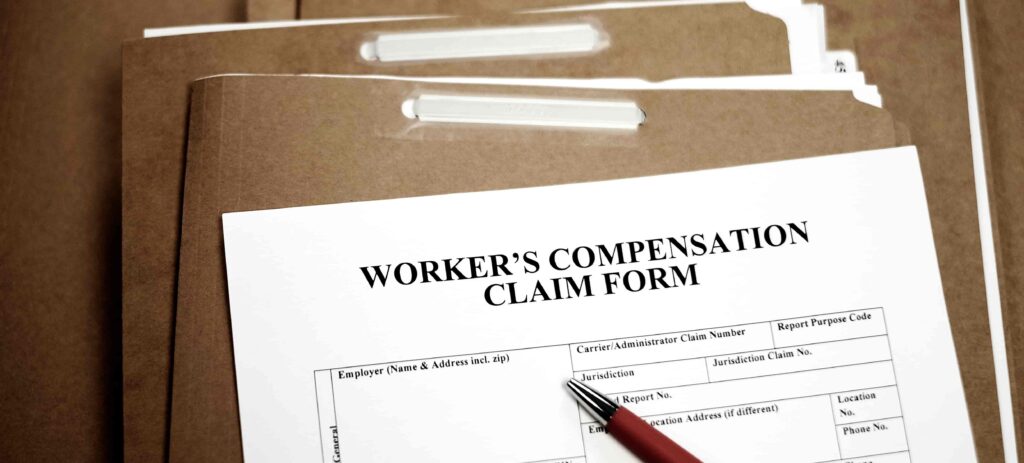
Worker’s compensation claim form with pen and file folders for workplace injury benefits application.

You may be eligible for compensation, but the following workers’ comp claim errors can damage your claim:

  • Delayed Reporting of Symptoms: Waiting too long to report hearing issues can jeopardize your claim. Prompt notification to your employer is essential.
  • Insufficient Medical Documentation: Failing to get thorough evaluations from audiologists or ENT specialists makes it more difficult to prove a connection to workplace noise.
  • Ignoring Workplace Noise Records: Failing to keep logs of exposure, decibel levels, or safety protocol compliance can weaken your case.
  • Failure to Use Hearing Protection Properly: Claims may be challenged if employees do not consistently use the hearing protection provided by the employer.
  • Assuming Preexisting Conditions Disqualify You: Without proper documentation showing aggravation, insurers may dispute claims for preexisting hearing loss.
  • Incomplete Claim Filing – Missing forms, documentation, or deadlines can delay or deny benefits.
  • Not Hiring an Experienced Attorney: Handling disputes, insurance negotiations, or appeals without legal guidance can result in reduced compensation or a prolonged process.

Common questions about work-related hearing loss and workers’ comp are:

[faq_block h=”3″]

Are there time limits for filing a hearing loss claim?

Yes, there are statutory deadlines for reporting work-related injuries or illnesses. Failure to report within the specified time frame may jeopardize your eligibility for benefits. It’s vital to report symptoms promptly and seek medical evaluation.

Can pre-existing hearing conditions affect my claim?

Pre-existing hearing loss doesn’t automatically disqualify you. However, you must demonstrate that your current condition has been aggravated by workplace noise exposure.

Is hearing loss considered a permanent disability?

Yes, noise-induced hearing loss is usually permanent and irreversible. Once hearing damage occurs, it cannot be undone, emphasizing the importance of preventive measures and early intervention.

How is compensation for hearing loss determined?

Compensation is typically based on:

  • The degree of hearing impairment is often assessed through audiometric testing.
  • The impact of hearing loss on your ability to perform job duties.
  • Your pre-injury average weekly income.

Contact a Workers’ Compensation Attorney Today 

Work-related hearing loss can have a devastating impact on your life, affecting your communication, career, and overall well-being. If you’ve experienced hearing loss due to your job, it’s essential to act promptly and protect your rights. Shebell & Shebell has experienced workers’ compensation attorneys who can help you with the complicated claims process, and we empathize with your situation. You can speak to a Can I Collect Workers’ Compensation for Hearing Loss?

Work-related hearing loss is a frequent yet often overlooked occupational injury, especially for workers in industries with high noise exposure, such as construction, manufacturing, and aviation. Many people assume that minor hearing changes are just part of aging or daily life, but long-term exposure to loud environments can cause permanent hearing damage. The good news is that workers who develop hearing loss because of their job may be eligible for workers’ compensation benefits.

Workers’ compensation attorneys at Shebell & Shebell Attorneys at Law understand that proving a connection between hearing loss and workplace conditions can be complicated. Please contact our law offices at (732) 663-1122 if you have any follow-up questions about filing a claim for workers’ compensation related to your hearing loss. 

How Long Does It Take To Receive an Offer of Compensation?

In the wake of an accident or an injury, many individuals are left wondering how long it will take before an offer is made. This uncertainty can be particularly stressful when medical bills are mounting, and income has come to a halt. While some claims move forward without interruption, others face deliberate delays. Insurance carriers may postpone offers as a delay strategy, waiting to see if the claimant, who is already under financial pressure, will accept a lower settlement than they deserve. In such cases, having legal representation can make a decisive difference.

A personal injury attorney understands the insurance settlement procedures. They can apply pressure where needed to challenge unnecessary delays. It helps move the claim toward a timely resolution.

Continue reading to understand the key factors that influence the timeline of a compensation offer and what you can do to protect your rights during the waiting period.

Understanding the Complexity of Personal Injury Claims

claim wording or text on wood block with wooden background.

The timeline for receiving a compensation offer is shaped by several moving parts within a personal injury claim. Each case demands a careful review of the facts, particularly how the injury occurred and who bears legal responsibility. When liability is disputed or involves more than one party, negotiations tend to slow down as insurers conduct their investigations to protect their financial interests.

Medical evidence also plays a central role. Before any offer is made, insurers want a complete picture of the injury, including the diagnosis, required treatment, and long-term impact on the claimant’s health and ability to work. Gathering this information from providers can take time, especially when specialists are involved, or treatment is ongoing.

Additionally, legal procedures as stipulated by personal injury law must be followed precisely. If you miss deadlines, hand over incomplete documentation, or delay communication between parties, it can stall your claim. Each of these factors influences how soon a compensation offer might be extended.

Each state has a statute of limitations; this is a deadline for filing a lawsuit for a personal injury claim. Your attorney will not allow you to miss these deadlines. Seek a skilled attorney today.

What Factors Affect Offer-Wait Duration?

The length of time it takes to receive a compensation offer is shaped by several key factors. While it is not likely to have two personal injury claims exactly alike, some circumstances consistently influence how quickly or slowly a case moves forward. Your  personal injury attorney can help you grasp how pertinent issues affect your case’s timing so you can prepare more realistically for the road ahead. This is because these are not just background details but often determine the pace and direction of the claims process.

Severity of Your Injuries

The extent of your physical injuries is one of the most significant factors in determining how soon a claim can be resolved. Minor injuries with predictable recovery timelines may lead to faster evaluations and earlier offers. However, in cases involving serious or permanent injuries, medical professionals may need months to fully assess long-term impact, future treatment needs, or disability. Insurance companies are unlikely to extend a meaningful offer until your condition reaches a point of maximum medical improvement (MMI), where no further recovery is expected. This wait ensures that damages are not underestimated.

Complexity of Your Case

Cases involving multiple liable parties, unclear fault, or legal disputes over causation tend to proceed more slowly. For example, assigning responsibility may require additional investigation, expert opinions, and legal maneuvering if the injury occurred at a construction site with several subcontractors involved. Similarly, if pre-existing medical conditions are in question, insurers may demand further analysis to distinguish between prior and current injuries. These complications can lead to prolonged negotiations or even litigation, extending the timeline for any compensation offer.

Cooperation of Other Parties and Insurance Companies

A cooperative insurer may respond promptly to demands, provide requested documentation, and move negotiations forward. Unfortunately, this is not always the case. Some insurance companies use stalling tactics—delaying communication, requesting redundant information, or challenging clear evidence—to pressure claimants into accepting less favorable terms. Also, delays can result from poor coordination or strategic positioning when multiple parties or their legal representatives are involved. The level of cooperation among all parties involved can either accelerate or stall the resolution.

Civil Court Schedule

If a settlement cannot be reached through negotiation and the case proceeds to litigation, court scheduling becomes a significant factor in timing. Courts often face heavy caseloads, and hearings or trials may be set months out, particularly in crowded jurisdictions. Even pre-trial motions and discovery phases are governed by court calendars, which are beyond the control of any one party. While legal teams can push for timely progression, delays in court availability are a common cause of extended timelines in personal injury cases.

Gathering Evidence and Establishing Liability

Strong claims rely on comprehensive evidence, which includes police reports, medical documentation, expert opinions, photographs, video footage, and witness statements. However, collecting this information is not always straightforward.

Hospitals may delay releasing medical records, witnesses may be difficult to reach, or experts may need time to conduct a thorough review. Establishing clear liability, particularly when contested, also takes careful legal and factual analysis. Each step adds time, but presenting a claim that the defense will take seriously and value properly is necessary.

When To Accept a Compensation Offer

Compensation and judge's gavel.

Deciding when to accept a compensation offer in a personal injury claim is not just a matter of timing but more about judgment grounded in evidence, medical clarity, and legal strategy. Settling too early may bring immediate relief, but it can also lock you into an amount that fails to cover the full cost of your injury, especially when future complications or losses remain uncertain. Therefore, here are the factors that may determine when to accept an offer:

Full Assessment of Damages

Before accepting any offer, you must clearly and thoroughly understand the full extent of your damages. It includes current medical expenses, lost income, and projected costs for ongoing treatment, rehabilitation, and diminished earning capacity. You must also factor in emotional pain and loss of quality of life and be appropriately valued. If you settle before your long-term prognosis is known, it can permanently prevent you from recovering future losses once your claim is closed.

Insurer’s Negotiation Posture

Many insurance companies begin with a low offer, knowing that some claimants might accept quickly, especially those in financial distress. It is essential to recognize whether the offer is a preliminary figure or the insurer’s final position. Rejecting the initial proposal and continuing negotiations often results in a higher settlement, particularly when the claim is well-supported and the legal pressure is applied effectively.

Stability of Your Medical Condition

It’s rarely advisable to settle a claim before your condition reaches maximum medical improvement (MMI). At this point, physicians can provide a reliable prognosis, which is critical in assessing long-term needs. Any compensation decision made before MMI carries the risk of underestimating permanent impairments or future care requirements that were not yet fully understood.

Personal Financial Needs and Timing

While it’s important not to settle prematurely, real-life financial pressures, such as unpaid medical bills or loss of income, may force difficult decisions. In these situations, legal counsel can help secure temporary or interim benefits, such as income replacement or medical cost coverage, while continuing to pursue a more comprehensive settlement. Balancing immediate needs with long-term financial security is a complex task that should not be done without legal support.

The Nature of the Claim

Some types of claims inherently require more time and scrutiny before resolution. For instance, medical malpractice claims involve extensive medical records, expert testimony, and a higher burden of proof. These elements make the investigative process more time-consuming and often prolong negotiations.

Similarly, if your personal injury claim involves children or other vulnerable individuals, it will require court approval before any settlement is finalized. This added requirement of judicial oversight ensures the terms are in the injured party’s best interest but can also delay the finalization of compensation.

These factors all point to the conclusion that you should not make decisions about compensation in haste or without a complete understanding of their long-term consequences. Legal representation protects your interests and ensures that any offer you accept reflects the scope of your injuries and future needs.

What If the Compensation Offer Is Too Low?

Obtaining a compensation offer that does not reflect the full extent of your injury-related losses can be frustrating, especially after months of medical treatment, financial strain, and legal procedures. However, a low offer does not mark the end of your claim. It’s a starting point in a negotiation that demands a deliberate and well-supported response.

The first step is to compare the proposed amount with your incurred losses. Insurers are required to justify their offers when asked. A formal request for the basis of the settlement figure can reveal whether the low amount is due to a lack of evidence, a disputed liability position, or simply a negotiation tactic.

A low offer should be countered with a revised demand supported by relevant evidence. The counteroffer should also address the insurer’s justifications point by point. Your personal injury attorney will help demonstrate a strong command of your claim’s facts and legal merits. It signals that you are not prepared to settle for less than what is reasonable.

You can file a lawsuit if the insurer maintains an unreasonably low stance despite a well-substantiated claim. Litigation allows for judicial review of the case and places additional pressure on the insurer to reassess the claim’s value. In many cases, the act of initiating legal proceedings leads to improved settlement offers before trial becomes necessary.

How Can a Personal Injury Lawyer Help?

Hand about to bang gavel on sounding block in the court room

When facing a compensation offer after a personal injury, legal representation can be the deciding factor between an undervalued settlement and a fair recovery. Insurance companies operate with their financial interests in mind. The mere presence of legal representation changes how insurers evaluate risk. Lawyers can initiate litigation, demand discovery, and compel disclosure. These capabilities increase the likelihood of a higher settlement, either through direct negotiation or as part of trial preparation.

Insurers may present deliberately low initial offers, anticipating that unrepresented claimants may accept them out of urgency or lack of information. A lawyer can evaluate such offers objectively and draft counteroffers backed by evidence, legal precedent, and a clear justification for the demand. It signals to the insurer that your claim will not be resolved on discounted terms.

Claimants are frequently pressured to settle quickly, especially when financial stress or injury-related fatigue is present. A personal injury lawyer acts as a barrier to that pressure, managing all communications with the insurer and reviewing the legal implications of every offer. They ensure no settlement is accepted without clearly understanding what rights are being waived and whether the amount satisfies current and future needs.

The strength of a compensation offer is directly tied to the quality of evidence presented. An attorney ensures that medical records, expert opinions, income documentation, and liability proof are organized, admissible, and persuasive. This level of preparation not only supports negotiations but positions the claim for trial, should it become necessary.

In compensation matters, legal counsel safeguards your financial recovery, enforces accountability, and ensures the outcome reflects the actual cost of your injury. Whether or not to accept a settlement offer is a legal decision with severe implications, and you should never do it without legal guidance.

A compensation offer carries real financial weight, and the time it takes to receive one can directly affect your recovery and stability. Still, balancing the urgency of receiving funds with the need to make sure the offer reflects the full value of your losses is vital. A personal injury lawyer will inspect the fairness of your offer, push back against unnecessary delays, and help pursue a resolution that meets immediate and future needs.

Don’t let pressure or uncertainty push you into a settlement that fails to protect your rights. Contact your attorney as soon as possible to help secure timely, fair compensation while safeguarding your right to a fair recovery.

Workers’ Compensation vs Personal Injury Claims

You suffered an injury in a job-related accident and wonder about the differences between personal injury and workers’ compensation claims. Understanding how workers’ comp and personal injury claims differ is essential so you know what to expect.

Most importantly, you usually need to file a workers’ compensation claim if you suffered an injury. A personal injury claim may be appropriate if you were hurt outside the job by another person’s negligence or wrongful act.

Keep reading to learn about workers’ compensation and personal injury claims. If you have detailed questions, speak to your city’s workers’ compensation and personal injury attorney. Your attorney works on a contingency basis, so you do not pay a retainer or hourly fees. You pay the attorney through your personal injury or workers’ comp settlement.

What Is A Workers’ Compensation Claim? 

What Is A Workers' Compensation Claim

Workers’ compensation is a no-fault insurance system required for most employers in most states, such as New Jersey. It benefits employees injured or ill due to their job, regardless of who caused the incident.

Common reasons for workers’ comp claims are slip and fall incidents, machinery and vehicle accidents, and hazardous substance and chemical exposure. Critical benefits and features of workers’ comp claims are:

  • No fault: You don’t need to prove anyone was negligent. If the injury happened while you were working, you’re generally covered. The no-fault aspect is important because it means your attorney doesn’t need to prove negligence. 
  • Benefits: Covers medical expenses, a portion of lost income, usually 70 percent of your average weekly income, up to a state-set maximum, and disability benefits. For example, temporary disability benefits can last up to 400 weeks, while permanent total disability can extend longer under certain conditions. Specific benefits vary by state. 
  • Limits: Does not cover pain and suffering, emotional distress, or punitive damages. In most cases, You can’t sue your employer for negligence; this is the trade-off for guaranteed benefits.
  • Process: You must notify your employer within 90 days of the injury and file a formal claim with your state’s workers’ compensation department within a specific time, usually one or two years. The employer’s insurance carrier evaluates the claim, and disputes can go before a workers’ comp judge.

For instance, if you slip on a wet floor and break your arm, Workers’ Comp covers your medical bills and part of your lost income, even if no one was clearly at fault. It’s wise to have a skilled workers’ compensation attorney oversee your claim because they can ensure you claim the maximum benefits you deserve. Your workers’ comp attorney can also assist if you were initially denied benefits. They can file your appeal and handle evidence collection.

How Can A Workers’ Compensation Attorney Help You? 

You probably assume that filing a workers’ compensation claim at work is easy: You simply report the injury to your HR department, and they’ll help you get the compensation you deserve.

Unfortunately, workers’ comp insurance companies may not be easy to work with in the real world. They can hassle you about the claim’s validity, your injuries and damages, etc. Hiring a workers’ compensation attorney to handle your claim is wise.

Your workers’ compensation attorney can provide valuable assistance if you’ve suffered an injury on the job or are dealing with a work-related illness. Benefits of hiring a workers’ comp lawyer are:

Navigating the Claims Process

Workers’ compensation laws and procedures can be complex, varying by state or country. An attorney understands the system and can guide you through filing a claim correctly and on time, ensuring you meet deadlines and provide the necessary documentation.

Maximizing Your Benefits

Employers or insurance companies might offer less compensation than you’re entitled to, either by underestimating your injury or denying certain benefits. An attorney can evaluate your case to ensure you receive full coverage for medical bills, lost income, rehabilitation costs, and any permanent disability.

Appealing Denials

If your claim is denied frequently, an attorney can help you appeal the decision. They’ll gather evidence, like medical records or witness statements, and represent you in hearings to fight for your rights. Don’t be alarmed if your claim was denied without an attorney’s assistance. Hire a workers’ comp attorney to file your appeal.

Handling Disputes

Disagreements might arise over the extent of your injury, whether work-related or if you can return to work. If needed, an attorney can negotiate with insurance companies or employers and take your case to court to resolve these disputes.

Dealing with Retaliation

If your employer retaliates against you for filing a claim, a lawyer can protect your rights and pursue additional legal action if necessary.

Knowledge in Special Cases

For complicated situations, like occupational diseases that develop over time, such as repetitive strain injuries or exposure to toxins, an attorney can connect the dots to prove your condition is work-related, even if it’s not immediately apparent.

Peace of Mind

Let’s face it, dealing with an injury is stressful enough. An attorney takes the legal burden off your shoulders, letting you focus on recovery while they handle the paperwork, negotiations, and advocacy.

In short, a workers’ compensation attorney acts as your advocate, ensuring you’re not shortchanged and that the system works for you, not against you. The best part is that your workers’ compensation lawyer doesn’t charge you legal fees; their compensation comes from your settlement award.

What Is A Personal Injury Claim? 

A personal injury claim is a fault-based legal action filed in civil court against someone whose negligence or intentional act caused your injury, not your employer. Many personal injury claims arise because of auto accidents and slip and fall accidents. In a workplace context, a personal injury claim is usually only possible against a third party.

For example, you might sue the company that made the machine at work that injured you, but you cannot sue your employer directly. More key information about personal injury claims includes:

  • Fault required: You must prove the third party’s negligence caused your injury. Your personal injury attorney must usually prove that another party had a duty of care to you, violated the duty of care, and caused the accident and injuries. For instance, a reckless driver rear-ending you at a stop light broke your arm, and you have lost income and medical expenses. 
  • Benefits: Compensation can include medical expenses, lost income, pain and suffering, emotional distress, and sometimes punitive damages if the conduct was egregious. There’s no cap like in workers’ comp, so recovery can be higher. 
  • Limits: More complex and time-consuming. You need evidence of fault, which involves negotiations or a trial. You can’t sue your employer unless they intentionally caused the harm.
  • Process: File a lawsuit within the state’s statute of limitations for personal injury. It involves gathering evidence, depositions, and possibly a trial if no settlement is reached.

For example, if a delivery driver hits you while you’re working, you can file a workers’ comp claim with your employer and a personal injury lawsuit against the driver for additional damages like pain and suffering. Always retain a seasoned personal injury attorney to review your case and fight for the most compensation.

How Can A Personal Injury Attorney Help You? 

Personal Injury Attorney

You are not required to retain a personal injury attorney, but it’s usually best. Hiring a personal injury attorney offers several benefits:

Personal injury law can be complex, involving statute limitations, filing requirements, and specific legal procedures. An attorney can navigate these efficiently, ensuring your case isn’t dismissed on technicalities.

Maximizing Compensation

Attorneys understand how to evaluate the full extent of your damages—beyond just medical bills. They account for lost income, pain and suffering, emotional distress, future expenses, and negotiating or fighting for a settlement that reflects your true losses.

For example, if you broke your neck in a serious car accident, you can be permanently disabled. You may have hundreds of thousands in medical bills, lost income, and pain and suffering. It’s difficult to squeeze the most out of the insurance company for a serious injury case without a personal injury attorney. Getting the most money is vital when dealing with a life-altering injury.

Dealing with Insurance Companies

Insurers often aim to minimize payouts. A skilled attorney can handle their tactics, counter lowball offers, and prevent you from unintentionally saying something that weakens your claim.

Proving Liability

Establishing fault requires evidence like witness statements, accident reports, or expert testimony. Attorneys have the resources and know-how to build a strong case, even when the other side disputes responsibility.

No Upfront Costs

Most personal injury lawyers work on a contingency fee basis, meaning you don’t pay unless they win your case. This makes legal help accessible without financial risk.

Reducing Stress

Recovering from an injury is challenging enough. An attorney takes the burden of paperwork, deadlines, and negotiations off your shoulders, letting you focus on healing.

Trial Experience

If your case goes to court, having an attorney with litigation skills can make a huge difference. They’ll present your case persuasively, with full intent to obtain the maximum compensation you are owed.

Access to Resources

Attorneys often have networks of investigators, medical experts, and other professionals who can strengthen your case with specialized input.

In short, a personal injury attorney levels the playing field increases your chances of a fair outcome and saves you time and hassle. You should have a personal injury lawyer review your legal options today for free. They’ll know quickly if you have a case and whether hiring a lawyer is worthwhile.

What Is Your Accident Claim Worth? 

Being injured by another person or at work is stressful and upsetting. You may be on pins and needles, wondering what your claim is worth and when you will be paid. Several factors influence how much compensation you receive:

  • Medical expenses: Covers past and future costs like hospital bills, doctor visits, surgeries, medications, rehabilitation, and therapy directly related to the accident.
  • Lost earnings: Compensation for income lost due to time off work, calculated by your hourly rate or salary multiplied by the hours or days missed.
  • Future earnings loss: If the injury impacts your ability to work long-term, this estimates reduced earning capacity based on your job and recovery outlook.

Workers’ comp cases only pay the benefits above. Additional benefits you can receive in a personal injury claim include:

  • Property damage: Includes repair or replacement costs for your vehicle or other damaged belongings, often based on market value before the accident.
  • Pain and Suffering: Non-economic damages for physical pain and emotional distress, often calculated using the multiplier method (economic damages multiplied by 1.5 to 5, depending on severity) or a per diem rate (a daily value for the duration of suffering).
  • Mental health costs: Expenses for psychological treatment, such as therapy for anxiety, depression, or PTSD caused by the accident.
  • Rental car costs: Reimbursement for temporary transportation if your vehicle is unusable due to the accident.
  • Damaged personal items: Value of electronics, clothing, or other possessions harmed in the incident, based on their replacement cost.
  • Child-related expenses: If a child suffered an injury, this includes their medical bills or costs tied to their care and recovery.
  • Loss of enjoyment: Compensation for reduced quality of life, like inability to engage in hobbies or daily activities, though harder to quantify.
  • Severity of Injury: More severe or permanent injuries, such as a spinal cord injury, typically increase claim value due to higher multipliers or long-term impacts.

You should contact a workers’ compensation or personal injury attorney to review your case in detail. They can quickly gauge your claim’s validity and potential value.

Speak To A Workers’ Compensation Or Personal Injury Attorney Today 

Whether you suffered an injury in a car accident or at work, you should have an attorney represent your interests. A skilled New Jersey workers’ compensation attorney can help if you were injured on the job, and a New Jersey personal injury attorney can assist if you suffered an injury because of another person’s negligence. Talk to an experienced workers’ compensation or personal injury lawyer in your community today in a free consultation.

Workers’ Compensation for Knee or Leg Injuries

Workplaces in all industries have possible hazards that can cause accidents. Knee and leg injuries on the job are common, including broken bones, dislocated joints, and torn ligaments and tendons.

Most states require companies to have workers’ compensation insurance if a worker is hurt. You may be entitled to workers’ compensation if you suffered a knee or leg injury. Learn more about workers’ compensation in this article, then speak to a skilled New Jersey workers’ compensation attorney for a free case evaluation.

What Is Workers’ Compensation?

What Is Workers’ Compensation

Workers’ compensation is required in most states, including New Jersey. The insurance program provides medical and income benefits to workers who suffer work-related injuries or illnesses.

It ensures that workers receive medical care, income replacement, and other support without needing to sue their employer, while also protecting employers from liability lawsuits. Essential features of workers’ compensation in New Jersey and most states include:

  • No-fault system: Employees are entitled to benefits regardless of who caused the injury, as long as it occurred during employment. Exceptions include injuries due to intoxication, willful negligence, or self-inflicted harm.
  • Covered benefits: Include medical expenses for all reasonable and necessary medical treatment related to the workplace injury or illness, with no deductibles or copays. Employers or their insurance carriers often direct care through approved providers. 

There are also temporary disability benefits. Employees who can’t work due to the injury may receive 70 percent of their average weekly income. Payments begin after a 7-day waiting period, but if the disability lasts longer than 7 days, the waiting period is retroactively paid.

Permanent disability benefits are also available if the injury results in lasting impairment, compensation is sometimes awarded based on a schedule or a lump sum.

Death benefits may be paid if a worker dies due to a job-related injury, dependents may receive compensation up to 70 percent of the employee’s wages in many states, and up to $5,000 for funeral expenses.

Most employees in New Jersey and most states are covered, including full-time, part-time, and seasonal workers. Employers with one or more employees must carry workers’ compensation insurance through a private insurer or a state fund.

Check with your workers’ compensation lawyer about your state’s specific rights and benefits.

Knee And Leg Injuries In Workers’ Compensation Claims

Knee and leg injuries are among the most frequent workplace injuries, often leading workers to seek compensation through workers’ compensation claims. These injuries can arise from a single traumatic event, such as a fall or collision, or from repetitive stress over time, like prolonged standing or repetitive bending.

Examples include sprains and strains, which affect ligaments and muscles, and more severe conditions like torn ligaments, fractures, and knee dislocations. Workers in physically demanding fields, such as construction, nursing, or manufacturing, are particularly prone to these injuries due to the nature of their tasks, which may involve heavy lifting, awkward movements, or navigating hazardous environments.

Navigating a workers’ compensation claim for a leg or knee injury can be complex, especially when disputes arise over the injury’s cause or extent. Employers or insurance companies may question whether the injury is truly work-related, particularly with cumulative injuries like osteoarthritis exacerbated by repetitive tasks.

To succeed, workers must often provide medical documentation, incident reports, and sometimes witness statements to prove the injury occurred during job duties. Hiring a seasoned workers’ compensation attorney is invaluable in a claim and will ensure that you are fairly compensated.

Filing For Workers’ Compensation After A Knee Or Leg Injury 

workers’ comp for a knee or leg injury

The injury must have occurred during your employment to qualify for workers’ comp for a knee or leg injury. This includes injuries from a single event, such as a fall or machinery accident, or those developed over time, such as repetitive stress injuries from kneeling or lifting.

You must notify your employer of the injury as soon as possible, ideally in writing, within 90 days of the incident or when you realized it was work-related. You must also file a formal claim with your state’s workers’ compensation department.

Potential knee or leg injury benefits after a work accident include the following. However, it’s essential to check with a qualified workers’ comp lawyer in your state for specific details in your jurisdiction:

Medical Benefits

Covers all necessary medical treatment to cure and relieve the injury, including doctor visits, surgeries, such as for a torn ACL or meniscus, physical therapy, and medications.

Your employer or their insurance carrier usually selects the treating physician, though exceptions may apply in emergencies or if treatment is delayed. Some states also allow the injured party to choose the physician.

Temporary Disability Benefits

If you cannot work for more than seven days due to your knee or leg injury, you may be entitled to 70 percent of your average weekly wage, subject to a state maximum, which for 2025 is likely around $1,100-$1,200 per week in many states. Payments begin after a 7-day waiting period until you return to work or reach maximum medical improvement (MMI).

Permanent Partial Disability Benefits:

You may receive a monetary award if your knee or leg injury results in a lasting impairment. An example would be if your torn ACL does not fully heal and limits your mobility.

The amount depends on the percentage of disability assigned to the leg, as determined by a medical evaluation, and is based on a statutory schedule. For example, a torn meniscus requiring surgery might range from 17.5 percent to 25 percent of the leg’s value in many states, translating to weeks of compensation at a set rate. For 2025, this can mean payments ranging from $20,000-$40,000 or more, depending on income, injury severity, and your state’s laws.

Permanent Total Disability Benefits

If your knee or leg injury, combined with other conditions, renders you unable to work, you may qualify for ongoing benefits. This can be 70 percent of your weekly income, up to the state maximum for up to 450 weeks, potentially longer with proof of continued disability.

Why Should You Hire A Workers’ Compensation Attorney? 

After a knee or leg injury at work, you should report it to your employer immediately. Then, you can apply for workers’ compensation and receive the maximum benefits, right? Not necessarily. Retaining a seasoned workers’ compensation lawyer to help with your claim is almost always beneficial. Here’s why:

Hiring a workers’ compensation attorney in New Jersey can offer several significant benefits, especially when handling the challenges of a workplace injury claim. Here’s a breakdown based on available information and general knowledge:

Knowledge of Your State’s Workers’ Compensation Laws

New Jersey has specific laws and regulations governing workers’ compensation, such as those outlined in the New Jersey Workers’ Compensation Act. An experienced attorney understands these rules, including deadlines (e.g., the two-year statute of limitations for filing a claim) and eligibility requirements, ensuring your case complies with state law.

Maximizing Your Benefits

A workers’ comp attorney can fight to secure the full range of benefits you’re entitled to, including medical expenses, temporary disability payments (typically 70 percent of your average weekly income, capped by state limits), permanent disability benefits, and vocational rehabilitation if you can’t return to your previous job. Without legal help, you might settle for less than you deserve.

Handling Denied or Disputed Claims

Insurance companies often deny claims or undervalue injuries. An attorney can appeal denials, gather evidence (like medical records or expert testimony), and represent you in hearings before a workers’ compensation judge.

Navigating Complex Cases

Suppose your injury involves third-party liability or aggravation of a pre-existing condition. In that case, an attorney can pursue additional claims beyond workers’ comp, potentially increasing your compensation through a personal injury lawsuit.

For example, say that you suffered an injury in a machinery accident in a factory. You cannot usually sue your employer for negligence; you will file for workers’ compensation. But workers’ compensation is limited to medical expenses and partial lost income. You may file a personal injury lawsuit against the machinery manufacturer if your attorney can prove it was negligent. Always retain a workers’ comp and personal injury attorney to handle these complicated cases.

Reducing Stress and Paperwork

The process involves detailed forms (e.g., Employee Claim Petition or Notice of Motion), medical documentation, and negotiations with employers or insurers. An attorney manages this, letting you focus on recovery.

No Upfront Costs

Workers’ comp attorneys work on a contingency fee basis in most states, often 20 percent of your award, capped by law and subject to judicial approval. This means no out-of-pocket costs; fees are only paid if you win.

Dealing with Employer Retaliation

It’s illegal in most states for employers to fire or retaliate against workers for filing a claim, but it happens. An attorney can protect your rights and pursue legal action if retaliation occurs.

Faster Resolution

Attorneys know how to push cases forward efficiently, avoiding delays from inexperienced handling. In NJ, claims can drag on if not properly managed, especially with disputes over injury severity or causation.

How Much Is My Workers’ Comp Claim Worth? 

The value of your claim is affected by several factors that will decide your benefit level and possible settlement amount:

Severity of the Injury

More severe injuries leg and knee injuries will lead to higher medical costs, longer recovery times, and greater disability ratings, driving up the claim’s value. Minor injuries, such as sprains, typically yield lower payouts. For example, a broken leg will be worth more than a sprained knee and ankle.

Extent of Medical Treatment

The cost and duration of medical care, doctor visits, surgeries, medications, therapy, or assistive devices, directly increase the claim’s value. Ongoing or future treatment further boosts it.

Lost Income and Earning Capacity

The time you’re unable to work and any long-term reduction in earning ability are key. Higher pre-injury income mean higher weekly benefits, capped by state limits.

Degree of Permanent Disability

Permanent impairment increases value, especially if it’s “scheduled, such as the loss of a leg or foot. The percentage of disability assigned by doctors or a judge dictates the payout.

Pre-existing Conditions

If a workplace injury aggravates an existing condition, it’s compensable, but insurers may argue the injury isn’t fully work-related, reducing the value unless well-documented. Medical evidence linking the aggravation to work is critical.

Evidence and Documentation

detailed medical records

Strong proof, like detailed medical records, workplace incident reports, and witness statements, supports higher valuations. Weak evidence risks denials or lower offers. Reporting the injury quickly and filing a claim within two years usually helps your case.

Employer and Insurer Response

Insurance companies often dispute causation, severity, or treatment needs to minimize payouts. Their resistance can lower the initial offer, though appeals or legal action can raise it.

Ability to Return to Work

If you can’t resume your old job or any job, benefits increase (e.g., vocational rehab or permanent total disability). Returning to work may reduce the claim’s value even at a lower capacity. For example, a construction worker retrained for desk work might see a smaller award than one permanently sidelined.

A workers’ compensation attorney can negotiate higher settlements, appeal denials, and ensure all benefits are pursued, often doubling or tripling the value compared to going it alone. Attorney fees are usually capped to 20 percent of the award and must be court approved. So, their involvement doesn’t drastically cut your take-home.

Talk to a skilled workers’ compensation attorney for more information about your claim’s potential value.

Contact A Workers’ Compensation Attorney Now

Insurance companies and employers usually attempt to settle workers’ comp claims for pennies on the dollar. Not getting enough compensation for your knee or leg injury at work can make it much more difficult to recover and it can cause reduced physical capacity. 

If your knee or leg was injured in a work accident, you need a free case evaluation with a skilled workers’ compensation attorney. Your attorney will safeguard your rights and outline your legal options. You do not pay legal fees unless your attorney obtains a settlement.

How to File a Workers’ Compensation Claim

Filing a claim for workers’ compensation benefits involves several key steps to ensure injured workers receive the compensation they deserve. First, the injured worker must notify their employer about the injury as soon as possible, preferably within fourteen days. This notification is crucial for starting the claims process.

Once the employer is informed, they will provide the worker with the necessary forms to complete. The injured worker must then complete a “Claim Petition” and submit it to the Division of Workers’ Compensation. This form includes details about the injury, medical treatment, and any lost income.

A skilled workers’ compensation attorney can significantly assist throughout this process. They will gather evidence, such as medical records and witness statements, to support the claim. In addition, an attorney ensures that all forms are completed accurately and submitted on time, minimizing the risk of delays or denials. Their knowledge of workers’ compensation law is important in advocating for injured workers’ rights and ensuring they receive appropriate benefits.

Who is Eligible to File a Claim for Workers’ Compensation Benefits?

A lady is filing out the workers' compensation form

Workers’ compensation benefits are available to employees who suffer work-related injuries or illnesses, but not everyone qualifies to file a claim. To be eligible, a person must be considered an employee rather than an independent contractor. Employees work under the direct control of an employer, follow specific schedules, and often use tools or equipment the company has provided. On the other hand, independent contractors have more flexibility in how they complete their work and typically provide their own materials. In some cases, a worker may be misclassified as an independent contractor when they are actually functioning as an employee. They may still be entitled to workers’ compensation benefits if that happens.

For a worker to receive compensation, the injury or illness must be directly related to their job, which means the incident must have occurred while performing work duties. Injuries at the workplace, during business-related travel, or while carrying out tasks assigned by an employer generally qualify. However, if an injury happens during a lunch break, during horseplay, or due to intoxication, it may not be covered. In addition to injuries from accidents, workers’ compensation also applies to illnesses resulting from the work environment. Conditions such as respiratory diseases from chemical exposure, repetitive motion injuries, or hearing loss due to prolonged noise exposure may be considered work-related, making the affected employee eligible for benefits.

Timely reporting is crucial in determining whether a worker can file a claim. Most states require that an employee notify their employer of an injury within a specific time frame. Failing to do so can result in a loss of benefits. In general, the sooner an injury is reported, the better the chances of a successful claim. Once the employer is notified, a formal claim can be filed to seek medical coverage and income replacement benefits.

Each state has its own laws regarding who qualifies for workers’ compensation, and some exclude certain categories of workers. If a claim is denied, the worker may have the right to appeal the decision, often through a hearing process where they can present evidence.

What is the Process of Filing a Workers’ Compensation Claim?

Filing a workers’ compensation claim can be a complicated process that requires careful attention to detail and an understanding of legal requirements. When a worker suffers an injury or illness related to their job, the first step is to report the incident to their employer. This notification should happen as soon as possible, as delays in reporting can jeopardize the claim. Once the employer is informed, they typically provide the employee with the necessary paperwork to begin the claims process.

The next phase involves completing a formal claim form, which includes details about the injury, how it occurred, and the medical treatment received. Accurate and thorough documentation is crucial, as any inconsistencies or missing information can lead to complications later. An experienced workers’ comp attorney can gather this information and ensure all forms are completed correctly. They understand the law and the way the system works.

After the claim form is submitted, the employer’s insurance company will review the information provided. This process can involve investigating the injury’s circumstances, including interviews with witnesses and evaluations of medical records. A skilled workers’ comp lawyer can advocate for the employee during this investigation, ensuring that their rights are protected and that the insurance company has the necessary evidence to make an informed decision.

If the claim is approved, the worker will begin to receive benefits, which may include medical coverage for treatment related to the injury, income replacement for time lost from work, and compensation for permanent disabilities if applicable. However, there are instances when claims may be denied due to a lack of evidence or if the insurance company disputes the claim’s validity. In such cases, having a skilled attorney becomes even more important. They can explain the reasons for the denial and guide the employee through the appeals process.

A lawyer experienced in workers’ compensation law will know how to prepare for hearings, gather additional evidence, and present a strong case. They can communicate effectively with insurance adjusters and legal representatives, ensuring the employee’s interests are represented throughout the process. With their knowledge and experience, a knowledgeable attorney can make a significant difference in the outcome of a workers’ compensation claim, helping injured workers obtain the benefits they deserve.

Types of Recoverable Workers’ Compensation Benefits

Workers’ compensation benefits serve as crucial financial support for employees who experience work-related injuries or illnesses. These benefits should assist injured workers during their recovery and help them cope with the financial burden of an inability to work. Among the various types of benefits available, several stand out as particularly significant for those affected by workplace incidents.

One of the primary types of benefits is medical coverage, which includes payment for medical expenses related to the treatment of the injury or illness. It encompasses hospital stays, surgeries, physical therapy, medications, and necessary medical equipment. Medical benefits aim to ensure injured workers receive appropriate care to facilitate their recovery without incurring substantial out-of-pocket costs.

Another critical category is income replacement benefits. When an employee cannot work due to their injury, these benefits provide a portion of their lost earnings to help maintain financial stability during their recovery. Typically, income replacement is calculated based on the employee’s average weekly earnings and is designed to replace a significant percentage of their income. This support is essential for covering everyday expenses, such as rent, groceries, and bills, while the worker focuses on healing.

In cases where the injury leads to permanent disability, workers may be entitled to permanent disability benefits. These benefits compensate for the long-term effects of the injury, which can affect the worker’s ability to earn a living. The amount and duration of these benefits vary depending on the severity of the disability and the extent to which it affects the employee’s capacity to work.

Rehabilitation benefits also play a vital role in the workers’ compensation system. These benefits assist injured workers in returning to the workforce, whether through vocational training, counseling, or other forms of rehabilitation. The goal is to help employees regain their skills or develop new ones to facilitate their return to work, minimizing the long-term repercussions of the injury on their careers.

Finally, in the unfortunate event of a workplace fatality, death benefits may be available to the deceased worker’s dependents. These benefits provide financial support to the family, helping them cope with the loss of income and the costs associated with the worker’s passing.

What Are the Types of Workers’ Compensation Hearings?

Workers’ compensation hearings play a vital role in resolving disputes between injured workers and employers regarding claims for benefits related to work-related injuries. The three most important types of hearings in this process are preliminary hearings, trial hearings, and settlement hearings. Each type serves a distinct purpose and has its own procedures.

Preliminary hearings are often the first step in the litigation process. These hearings typically occur soon after a claim is filed and are designed to address urgent issues. The main purpose is determining whether the injured worker is entitled to temporary benefits while the case is pending. During this hearing, both parties present evidence, and a judge makes a quick decision on the entitlement to benefits. The focus is usually on whether the injury is work-related and if the worker is temporarily disabled. Workers’ comp lawyers can play a crucial role here by preparing their clients to present relevant medical evidence and witness testimony to support their claims.

Trial hearings occur if a case cannot be resolved through negotiation or preliminary hearings. These hearings are more formal proceedings where both sides present their full cases. Evidence, such as medical records, expert testimony, and witness accounts, are introduced. A judge or an administrative law judge listens to both sides and ultimately decides on the claim’s merits, including the extent of the injury, the level of disability, and the appropriate compensation. Lawyers represent clients by developing a case strategy, cross-examining witnesses, and arguing on behalf of their clients to ensure their rights are protected.

Finally, settlement hearings finalize agreements between the injured worker and the employer’s insurance carrier. During these hearings, the parties may negotiate a settlement amount compensating the injured worker for medical expenses, lost earnings, and other damages. A lawyer’s role in this context is to ensure that the settlement is fair and reflects the worker’s needs. They can assess the adequacy of the offer, advise on negotiation tactics, and provide clarity on the implications of accepting a settlement.

What Is the Workers’ Compensation Appeals Process?

Appeal - word from wooden blocks with letters

The workers’ compensation appeals process allows injured workers to challenge decisions made by the Division of Workers’ Compensation or by a judge regarding their claims. Understanding this process is crucial for those who believe their rights to benefits have been denied or inadequately addressed.

The appeals process begins when a worker receives an unfavorable decision, which can pertain to the denial of benefits, the amount of compensation awarded, or other related issues. To initiate an appeal, the injured worker must file a “Petition for Review” within twenty days of receiving the decision. This document outlines the reasons for the appeal and must be submitted to the Appellate Division of the Superior Court.

Once the appeal is filed, both parties are required to submit briefs. These briefs summarize the arguments and evidence supporting each side’s position. The injured worker’s attorney plays a vital role in drafting a persuasive brief that clearly outlines why the original decision should be overturned.

After the briefs are submitted, the court may schedule a hearing. During this hearing, both parties present their arguments before a panel of judges. The injured worker’s lawyer needs to be well-prepared because they must effectively communicate the strengths of the case and counter the arguments the opposing party makes. The lawyer will use their knowledge of workers’ compensation law, previous case precedents, and legal strategies to advocate for their client’s rights.

If the Appellate Division decides to overturn the original ruling, it may order a new hearing or modify the previous decision. However, if the appeal is denied, the injured worker may have limited options for further action, such as seeking a re-argument or appeal to the Supreme Court, though these instances are rare.

A knowledgeable attorney is invaluable throughout the appeals process. They can advise on whether an appeal is worth pursuing, gather necessary evidence, and ensure all legal procedures are followed correctly. In addition, a lawyer can represent the injured worker at hearings, present strong arguments, and negotiate effectively. Their skill and experience can significantly increase the chances of a successful outcome, securing the benefits their client deserves following a workplace injury.

Talk with an Experienced Workers’ Compensation Lawyer Right Away

If you recently sustained a work-related illness or injury, you may be eligible for compensation through the workers’ compensation system. Your attorney will handle every step of the process for you and pursue the maximum benefits you are entitled to recover.

Can You Get Workers’ Comp if You Are Hurt on the First Day?

You can be eligible for workers’ compensation benefits if you suffered an injury on your first day of work. Workers’ compensation coverage typically begins as soon as you start your job, meaning that any injury sustained while performing work-related duties is generally covered, regardless of your length of employment.

To receive benefits, you must report the injury to your employer as soon as possible and seek medical treatment. It’s also essential to document the incident and any medical visits to support your claim. Your employer should then file a report with their workers’ compensation insurance carrier.

Specific details can affect your eligibility and benefits, so it’s essential to consult with an experienced workers’ compensation attorney as soon as possible. They will navigate the process for you, ensure that your rights are protected, and handle any disputes that may arise regarding your claim.

What’s the Process of Filing a Workers’ Comp Claim

Filing a workers’ comp claim after being injured on your first day of work involves several key steps. Here’s how the process typically unfolds and how a skilled workers’ comp attorney can assist you.

Report the Injury Immediately

As soon as you sustain an injury, it’s critical to report it to your supervisor or employer. You generally have to inform your employer within 14 days of the injury to qualify for benefits. However, it’s best to report it as soon as possible to avoid any complications.

Seek Medical Attention

Getting medical help is essential not only for your health but also for your claim. Ensure that you visit a doctor for a thorough examination and treatment. Your employer may have specific medical providers you need to see, so check their requirements.

File the Claim

Your employer will provide you with a “First Report of Injury” form, which is necessary for filing your workers’ compensation claim. Fill it out accurately, including all details about the incident and your injuries. Your employer is responsible for submitting this form to their insurance carrier.

Receive a Claim Number

Once your employer submits the claim, you will receive a claim number from the insurance company. This number is essential for tracking your case and ensuring that your medical bills and lost wages are covered.

Follow Up on Your Claim

After filing, stay in touch with your employer and the insurance company to monitor the progress of your claim. It’s important to keep records of all communications and medical documents.

Understand Your Benefits

Workers’ compensation can cover medical expenses, rehabilitation costs, and a portion of your lost wages. Familiarize yourself with what you are entitled to receive, as this can vary based on the specifics of your case.

Navigating the workers’ compensation process can be complicated, especially if your claim is denied or if you encounter disputes. A skilled workers’ comp attorney can help by:

  • Ensuring Proper Filing: They can guide you through the paperwork, ensuring that everything is completed correctly.
  • Negotiating with Insurance: Attorneys can negotiate with the insurance company to ensure you receive fair compensation for your injuries.
  • Representing You in Disputes: If your claim is denied, an attorney can represent you in hearings or appeals, increasing your chances of a favorable outcome.

Most Common Injuries that May Arise on the First Day of Work

Accident and injury on a construction site.

Starting a new job can be exciting, but it also comes with risks – especially on the first day. Many workers may sustain injuries that can lead to a workers’ compensation claim. Here are some of the most common injuries that can occur on the first day of work.

  • Slips, Trips, and Falls: One of the most frequent injuries in the workplace is slips, trips, and falls. These accidents can happen due to wet floors, uneven surfaces, or cluttered walkways. New employees may not be familiar with their surroundings, increasing the risk of such incidents. Injuries from falls can range from minor sprains to severe fractures or head injuries, making it essential to report any fall to your employer immediately.
  • Lifting Injuries: On the first day, new employees may be tasked with lifting heavy objects, which can lead to strains or sprains. Improper lifting techniques, combined with unfamiliarity with the weight of items, can result in back injuries or muscle damage.
  • Repetitive Motion Injuries: Certain jobs require repetitive motions, such as typing, assembly line work, or manual labor. Even on the first day, employees may experience discomfort or pain due to repetitive tasks. Conditions like carpal tunnel syndrome or tendonitis can develop from such actions, and they may not manifest immediately. Reporting any discomfort early can help in addressing potential long-term issues.
  • Cuts and Lacerations: In environments such as kitchens, construction sites, or manufacturing, cuts and lacerations are common. New workers may be unfamiliar with the proper use of tools or equipment, leading to accidents. These injuries can vary in severity and may require medical attention, making it important to report them to ensure your claim is processed.
  • Burns: Burns can occur in various work environments, particularly in kitchens or factories. Whether from hot surfaces, flames, or chemicals, these injuries can range from mild to severe. It’s vital for employees to know safety protocols and report any burn injuries as soon as they occur.

If you sustain an injury, reporting it to your employer and seeking medical attention is important.

Types of Benefits You May Recover

If you suffered an injury on your first day of work, you may be eligible for various types of workers’ compensation benefits. These benefits are designed to help employees who suffer job-related injuries or illnesses. Some of the most important types of workers’ comp benefits include:

Medical Benefits

One of the primary benefits available is coverage for medical expenses related to your injury. This includes costs for doctor visits, hospital stays, surgeries, medications, physical therapy, and any necessary medical equipment. Your employer’s workers’ compensation insurance is responsible for covering these medical expenses, regardless of who was at fault for the injury.

Temporary Disability Benefits

If your injury prevents you from working for a period, you may be eligible for temporary disability benefits. These benefits typically provide about two-thirds of your average weekly wage, up to a state-set maximum amount. Temporary disability benefits are available for a limited time, usually until you are medically cleared to return to work, or your condition stabilizes.

Permanent Disability Benefits

In cases where an injury leads to lasting impairments that affect your ability to work, you may qualify for permanent disability benefits. This type of benefit is awarded based on the extent of your disability, which is classified as either total or partial. Total permanent disability means you are unable to work at all, while partial means you can still perform some work but at a reduced capacity. The compensation amount varies depending on your wage and the severity of the disability.

Vocational Rehabilitation

If your injury makes it challenging to return to your previous job, you may be eligible for vocational rehabilitation benefits. This program assists injured workers in finding new employment or training for a different job. Services may include job placement assistance, resume writing, and skills training to help you transition to a new career.

Death Benefits

In tragic cases where an employee dies due to a work-related injury, their dependents may receive death benefits. These benefits can help cover funeral expenses and provide financial support to the deceased worker’s family members.

Always report your injury promptly and consult an experienced workers’ compensation attorney for guidance on navigating the claims process.

How Can a Knowledgeable Workers’ Compensation Lawyer Help if You Are Injured on the First Day of Work?

Workers compensation is shown using a text

If you suffered an injury on your first day of work, retaining an experienced workers’ compensation attorney can significantly affect the outcome of your claim. Understanding the complex nature of workers’ comp law can be challenging, especially when you’re dealing with the aftermath of an injury. Here’s how an experienced attorney can assist you.

  • Understanding Your Rights: A knowledgeable workers’ compensation lawyer will help you understand your rights as an injured worker. They can explain the benefits you are entitled to, including medical coverage, temporary and permanent disability benefits, and vocational rehabilitation. This understanding is important for ensuring that you receive all of the compensation you deserve.
  • Accurate Claim Filing: Filing a workers’ comp claim involves completing various forms and adhering to specific deadlines. An attorney can ensure that all paperwork is accurately filled out and submitted on time, reducing the chances of errors that can delay your claim. They will gather the necessary documentation, including medical records and witness statements, to support your case.
  • Negotiating with Insurance Companies: Insurance companies often attempt to minimize payouts or deny claims altogether. A skilled attorney is well-versed in negotiating with these companies and can advocate on your behalf. They understand the tactics insurers may use and can push back against unfair settlement offers, ensuring that you receive a fair amount that covers your medical expenses and lost wages.
  • Gathering Evidence: Establishing that your injury is work-related can be complicated – especially if it occurs on the first day of work. An attorney can gather the evidence necessary to establish a clear connection between your job and your injury. This may involve collecting accident reports, witness testimony, and medical evaluations to strengthen your case.
  • Representing You in Disputes: If your claim is denied or if there are disputes regarding your benefits, a workers’ compensation attorney can represent you during hearings and appeals. They will advocate for your rights and work to resolve any issues that arise during the claims process, providing you with the best chance of securing the compensation you need.

This assistance can lead to a more favorable outcome, allowing you to focus on your recovery while they handle the legal intricacies of your case.

What to Do if Your Workers’ Compensation Claim is Denied?

If your workers’ comp claim for injuries sustained on your first day of work is denied, you still have legal options to pursue the benefits you deserve.

If your claim is denied, one of your first options is to request a hearing before the Division of Workers’ Compensation. This formal process allows you to present your case to a judge. A skilled attorney can prepare your case, gather evidence, and present compelling arguments to support your claim. They will know the legal procedures and requirements, increasing your chances of a favorable outcome.

If the hearing does not yield a satisfactory result, you may have the option to appeal the judge’s decision. An attorney can guide you through this process, helping you understand the grounds for appeal and the necessary steps to take. They can file the appeal on your behalf and represent you at any subsequent hearings or proceedings.

If your initial claim was denied, but you have new evidence or medical documentation that supports your case, your attorney can file a new claim or request a modification of your existing claim. This is particularly relevant if your condition worsens or if additional medical treatments are needed. Your attorney can help to ensure that all necessary information is included in the new submission.

In certain situations, you may also have the option to pursue a third-party claim if another party contributed to your injury. For example, if your injury resulted from defective equipment or the negligence of someone other than your employer, you may be able to file a personal injury lawsuit. A lawyer can help you assess whether a third-party claim is viable and handle the legal process for you.

A workers’ comp lawyer’s experience ensures that your rights are upheld and increases your chances of receiving the benefits you need for your recovery.

Speak to an Experienced Workers’ Compensation Attorney Right Away

If you suffered an injury on the first day of work at a new job, you need to consult a knowledgeable workers’ compensation lawyer as soon as possible. Your attorney will determine your options, file a claim on your behalf, and pursue the benefits you deserve.

The Role of IMEs in New Jersey Workers’ Comp Claims

In a New Jersey workers’ compensation case, an employer’s insurance company may require an injured worker to undergo an Independent Medical Examination (IME). While these exams should provide unbiased medical opinions, insurance companies often use them to dispute the severity of an injury, deny further treatment, or reduce benefits.

In most states, an insurance company selects and pays IME doctors, which can create a conflict of interest.

A skilled workers’ compensation attorney can challenge an IME if it unfairly downplays the worker’s condition. They can gather evidence, including medical records and opinions from treating physicians, to dispute the IME findings.

If necessary, they can request a second opinion or take the case before a workers’ compensation judge.

An experienced lawyer will handle all legal aspects, fight against unfair denials, and ensure that the worker receives the medical care and financial benefits they deserve while focusing on their recovery.

Types of Injuries and Medical Complications That Can Lead to a Workers’ Comp Claim in New Jersey

Workers compensation is shown using a text

Workplace injuries can happen in any job setting, from construction sites and warehouses to offices and hospitals.

In New Jersey, workers who suffer injuries or develop medical conditions due to their jobs may collect workers’ compensation benefits. These benefits cover medical expenses, lost income, and other related costs, ensuring that employees can recover without facing financial hardship.

One of the most common types of workplace injuries involves physical trauma resulting from accidents. Falls, slips, and trips frequently occur in workplaces with hazardous conditions, such as wet floors, uneven surfaces, or poorly maintained walkways.

Employees in construction may suffer more severe injuries from falling off ladders, scaffolding, or roofs. Other traumatic injuries result from being struck with objects, such as falling tools or machinery parts, which can cause concussions, broken bones, or even internal organ damage.

Repetitive strain injuries are another major cause of workers’ compensation claims. These injuries develop over time due to repetitive motions or prolonged strain on certain body parts.

Office workers who spend hours typing may develop carpal tunnel syndrome, while factory workers who perform the same motion repeatedly can experience tendonitis or bursitis.

Over time, these conditions can lead to chronic pain, reduced mobility, and the need for medical treatment or even surgery.

Exposure to hazardous substances in the workplace can also lead to serious medical complications. Employees who work with chemicals, toxic fumes, or asbestos may develop respiratory issues, lung diseases, or even cancer.

Prolonged exposure to these dangerous materials often results in conditions that worsen over time, sometimes only becoming noticeable years after the initial exposure. In some cases, workers develop severe allergic reactions or skin conditions due to repeated contact with irritants in their work environment.

In addition, certain jobs put employees at risk of developing occupational illnesses, such as hearing loss from prolonged exposure to loud machinery or heat-related illnesses in high-temperature work environments.

Workers who perform physically demanding tasks may suffer from back injuries or herniated discs, leading to long-term pain and disability. In healthcare settings, employees face the additional risk of contracting infectious diseases from patients, which can require extended medical treatment.

Regardless of the type of injury or illness, workers in New Jersey have the right to seek compensation if their job caused their condition. Filing a workers’ compensation claim can help injured employees obtain the medical care and financial support they need to recover and return to work.

What Role Do IMEs Play in New Jersey Workers’ Compensation Claims?

When a worker in New Jersey gets injured on the job and files for workers’ compensation, they may have to attend an Independent Medical Examination. The IME can directly affect benefits, making them stressful experiences.

The IME is a medical evaluation the employer’s insurance company requests to assess the worker’s condition. Unlike regular doctor visits, the IME does not provide treatment but rather obtains an opinion on the severity of the injury, the need for further medical care, and whether the injury is truly work-related.

From the injured worker’s perspective, an IME can feel unfair or biased. The insurance company selects the doctor, which raises concerns that the examination may not be neutral. Some IME doctors may downplay the severity of injuries or suggest that they were due to something unrelated to work, which can lead to reduced benefits or even a denial of the claim.

As a result, workers should prepare when attending an IME. The doctor will look for any signs of inconsistency.

During the IME, the doctor will review medical records, ask questions about the injury, and perform a physical examination. Workers should answer questions clearly and stick to the facts, describing how the injury happened and how it affects their daily lives.

If the IME doctor’s report contradicts the findings of the worker’s treating physician, this contradiction can create challenges in the claim process. The insurance company may use the IME report to argue that the worker is not as injured as they claim or that they are ready to return to work sooner than they actually are.

If an IME report negatively affects a claim, the worker has options. For example, they can provide additional medical evidence or challenge the findings through a workers’ compensation hearing. In some cases, a judge may review all medical reports and decide which opinion is more credible.

Types of Recoverable Benefits in New Jersey Workers’ Comp Claims

In New Jersey, workers who suffer job-related injuries or illnesses may be entitled to various types of benefits through the workers’ compensation system. These benefits are designed to cover medical costs, lost wages, and other expenses related to the injury.

One of the primary benefits available is medical benefits. Workers’ compensation covers all necessary and reasonable medical treatments related to the injury, including doctor visits, surgeries, physical therapy, prescriptions, and hospital stays.

However, the employer’s insurance company has the right to choose the treating physicians, meaning workers may not always have the option to see their own doctors unless they pay out of pocket.

Furthermore, temporary disability benefits are available for workers who cannot work while recovering from an injury.

If a worker is out of work for more than seven days due to a job-related injury, they can receive temporary total disability benefits. These payments typically amount to 70 percent of the worker’s average weekly wage, up to a limit the state sets.

Temporary disability benefits continue until the worker can return to work or reach maximum medical improvement, meaning that further recovery is unlikely.

If an injury results in permanent impairment, the worker may qualify for permanent disability benefits. Permanent partial disability benefits apply when a worker suffers a lasting injury but can still work in some capacity. The amount of compensation depends on the severity of the impairment and which body part is affected.

For example, a worker who experiences a partial paralysis injury or suffers hearing loss may receive benefits based on a state-approved schedule. If the worker cannot return to any type of gainful employment due to the injury, they may qualify for permanent total disability benefits, which provide ongoing payments similar to temporary disability but can continue for life.

In the unfortunate event that a work-related injury results in death, the worker’s surviving spouse and children may receive weekly payments and funeral expenses up to a certain limit.

How Can a New Jersey Workers’ Comp Lawyer Handle Your Case?

3D illustration of WORKER COMPENSATION title on legal document

A skilled New Jersey workers’ compensation lawyer can play an invaluable role in guiding an injured worker through every step of their case. From filing a claim to securing benefits and challenging an IME by the employer’s insurance company, an attorney ensures that the worker’s rights are protected and that they receive the compensation they deserve.

The process begins with properly filing the workers’ compensation claim. A lawyer gathers necessary medical records, accident reports, and witness statements to build a strong case. If the insurance company disputes the claim or delays payments, the attorney steps in to negotiate and push for a fair resolution.

Without legal representation, an injured worker may struggle to deal with the complicated system and risk missing benefits.

One of the most critical points in a workers’ compensation case is the IME, which the employer’s insurance company frequently requests. While these exams are meant to provide an independent medical opinion, insurance companies often use them to minimize the worker’s injury and reduce or deny benefits.

A skilled lawyer knows how to prepare the worker for the IME, advising them on how to answer questions honestly while avoiding statements that can be used against them.

If the IME report disputes the severity of the injury or suggests that the worker can return to work before they are ready, the attorney will challenge its findings. This challenge may involve gathering additional medical opinions, requesting a second examination, or presenting evidence from the worker’s treating physician.

In cases where the insurance company relies heavily on an IME report to deny benefits, a lawyer can file a formal claim petition and argue the case before a workers’ compensation judge.

A skilled lawyer also ensures that the worker receives the full amount of benefits they are entitled to recover, including medical coverage, temporary or permanent disability payments, and, in tragic cases, death benefits for dependents.

They handle all legal paperwork, negotiations, and court appearances, allowing the worker to focus on their recovery.

By having an experienced New Jersey workers’ compensation attorney on their side, an injured worker can level the playing field against insurance companies and maximize their chances of a fair and just outcome.

What Is a Workers’ Compensation and Third-party Case in New Jersey?

In New Jersey, a workers’ compensation claim is a type of insurance claim that provides benefits to employees who suffer job-related injuries or illnesses.

Workers’ compensation covers medical expenses, lost wages, and disability benefits, regardless of who was at fault for the injury. However, it does not allow employees to sue their employer for additional damages, such as pain and suffering.

In some cases, though, an injured worker may file a separate claim against a third party whose negligence contributed to their injury.

A third-party case arises when someone other than the employer or a co-worker is responsible for the worker’s injury.

For example, if a construction worker suffers an injury due to faulty equipment, they can file a claim against the manufacturer of the defective product. Similarly, if a delivery driver is involved in an accident resulting from a reckless motorist while on the job, they can pursue legal action against the at-fault driver (or the driver’s insurance company).

Other common third-party cases involve injuries due to subcontractors, property owners, or maintenance companies that fail to keep a worksite safe.

Unlike workers’ compensation claims, which provide limited benefits, third-party claims allow injured workers to seek additional damages that are not covered under workers’ compensation.

One of the most significant types of damages available in a third-party lawsuit is pain and suffering. Injury damages compensate the worker for the physical pain and emotional distress the injury caused, which can have long-term effects on their quality of life.

In addition to pain and suffering, third-party claims can also include compensation for lost earning potential. If the worker’s injury results in a long-term or permanent disability that affects their ability to earn a living, they can recover damages for future lost wages.

Other possible damages include medical expenses not covered under workers’ compensation, rehabilitation costs, and loss of life enjoyment.

By pursuing both a workers’ compensation claim and a third-party claim, an injured worker in New Jersey can maximize their financial recovery and ensure that they receive full compensation for their injuries.

Call an Experienced Workers’ Compensation Lawyer in New Jersey Today

If you sustained injuries while working at your job – and within the scope of your employment – you have legal options to consider. A knowledgeable workers’ compensation attorney can determine what those options are and pursue the maximum amount of benefits you deserve.

Hearing Loss Due to Workplace Conditions in New Jersey

Workplace accidents that cause temporary or permanent hearing loss can have devastating effects on your life.

Hearing loss can have a significant impact on your everyday activities and relationships, causing feelings of frustration, isolation, and even depression. You can also require costly medical consultations, treatment, and equipment. Hearing loss might even prevent you from doing your job moving forward.

If you have experienced hearing loss due to workplace conditions in New Jersey, always realize you are not alone, and you likely have the right to seek financial support.

A hearing loss attorney in New Jersey can provide the necessary legal guidance throughout the workers’ compensation process. You should not face the financial burden of compromised hearing health due to workplace conditions. Take action to protect your rights and ensure your future financial support.

Recognizing the Signs and Causes of Workplace-Induced Hearing Loss

Workplace-induced hearing loss can occur suddenly or develop over time due to prolonged exposure to loud noises. Everyone should know if their workplace contributes to their hearing loss.

Loud machinery, tools, equipment, and processes can emit high noise levels that can damage your hearing over time. Some occupations are more prone to this risk, such as construction workers, factory workers, miners, airport ground crew, and musicians.

If you experience any of the following signs, it may indicate workplace-induced hearing loss:

  • Difficulty hearing conversations, especially in noisy environments.
  • Ringing or buzzing sensation in the ears (tinnitus).
  • Needing to increase the volume on electronic devices or the television.
  • Struggling to hear high-pitched sounds.
  • Feeling the need to ask others to repeat themselves frequently.

If you notice these symptoms, immediately consult a healthcare professional to assess your hearing and determine if workplace conditions may be responsible for your hearing loss. If so, consult a New Jersey workers’ comp attorney next.

In New Jersey, workers’ compensation laws ensure that workers who sustain injuries or develop medical conditions due to their employment obtain benefits. This includes hearing loss caused by workplace conditions.

To seek compensation for workplace-induced hearing loss in New Jersey, you must meet certain criteria:

  • Timely Reporting: Notify your employer of your hearing loss immediately. Failing to report it within a reasonable timeframe may impact your ability to receive benefits.
  • Medical Evaluation: Undergo a medical evaluation to assess the extent of your hearing loss and its connection to your workplace conditions. Obtain medical documentation supporting the relationship between your hearing loss and your job.
  • Filing a Claim: File a workers’ compensation claim with the help of an attorney familiar with New Jersey workplace injury cases. They can guide you through the process, ensuring all necessary paperwork is completed accurately and promptly.

It is important to note that New Jersey law imposes a statute of limitations on workers’ compensation claims. Generally, you have two years from the date of the accident or two years from the date you learned of your workplace-induced hearing loss to file a claim.

However, consult a workers’ compensation attorney for specific guidance regarding your case.

Challenges of Hearing Loss Cases

You may know that your job led to your hearing loss. Unfortunately, your employer or its insurance company might not agree. You must present evidence of a work-related condition to successfully receive benefits. 
Your NJ workers’ compensation lawyer can address this hurdle by gathering persuasive evidence of your diagnosis and workplace conditions. They will address any challenges from insurers and fight for your full benefits, including complete coverage of your medical costs and wage replacement for missed work.

If you permanently lose hearing, your workers’ compensation attorney might obtain disability benefits from workers’ comp.

The workers’ compensation process is supposed to make things easier for workers. In reality, it can often be complicated, especially when dealing with workers’ compensation claims for hearing loss due to workplace conditions.

Hiring a lawyer with extensive experience handling workplace injury cases can significantly improve your chances of a successful claim. 

The right lawyer will have in-depth knowledge of the laws and regulations specific to New Jersey. They can guide you through the entire process, ensuring you do not miss any key steps or details.

A skilled attorney will evaluate the strengths and weaknesses of your case, providing an objective analysis of your chances of success. They can advise on the potential compensation you may be entitled to based on the extent of your hearing loss.

An attorney will gather the necessary evidence to support your claim, including medical records, witness statements, and expert testimony when necessary. They understand the best way to build a strong case that demonstrates the connection between your workplace conditions and your hearing loss.

If you are dealing with hearing loss due to workplace conditions, support is available. By seeking legal representation, you can protect your rights and receive the compensation you deserve.

With the help of an experienced New Jersey hearing loss attorney, you can handle each stage of the legal process and ensure your workplace-induced hearing loss is recognized and covered by workers’ comp benefits accordingly.

Contact an Experienced New Jersey Workers’ Compensation Lawyer Today

If you believe your hearing loss is a result of workplace conditions in New Jersey, don’t hesitate to contact a lawyer near you to discuss your workplace-induced hearing loss case.

A skilled attorney understands the details of workers’ compensation claims in New Jersey. They have experience working within the laws and regulations governing these cases and can provide you with the guidance and representation you need. 

Don’t delay seeking legal help, as there are time limits for filing a claim. Contact a knowledgeable personal injury and workers’ compensation lawyer today for a consultation and learn how they can recover the benefits you deserve.

What does a New Jersey Workers’ Compensation Lawyer do?

If you have suffered an injury on the job in New Jersey and are wondering if you are eligible for compensation for your workplace injury, you may be wondering how a workers’ compensation lawyer can help you.

Attorneys who practice in workers’ compensation have  experience handling cases related to workplace injuries and can guide you through the process of filing a workers’ compensation claim. They can gather the necessary evidence and negotiate with insurance companies to ensure you receive the compensation you deserve. It can be overwhelming to deal with the aftermath of a workplace injury, but remember that you don’t have to go through it alone.

Contact a New Jersey workers’ compensation attorney today to ensure you receive the benefits state law entitles you to.

What is Workers’ Compensation?

Workers compensation is shown using a text with money and gavel on the side

Before we discuss the role of a New Jersey workers’ compensation attorney, it’s important to understand what workers’ compensation is. Workers’ compensation is a system that provides benefits to employees who are injured on the job.

These benefits typically cover medical expenses, lost income, and rehabilitation costs. Workers’ compensation provides benefits to injured workers, regardless of who was at fault for the accident. That said, workers’ compensation insurers work to minimize payouts, making it important for victims of workplace accidents to retain a lawyer.

The Role of a New Jersey Workers’ Compensation Attorney

A New Jersey workers’ compensation lawyer oversees the process of filing a workers’ compensation claim. Their main role is to ensure injured workers receive the full benefits they are entitled to under the law. Here are some specific tasks a workers’ compensation lawyer can handle.

Evaluating your case

When you first consult with a New Jersey workers’ compensation attorney, they will evaluate the details of your case to determine if you have a valid claim. They will review your medical records, gather evidence, and assess the details of your situation. This initial evaluation is essential for establishing the strength of your case and determining the potential compensation you may be eligible for.

Gathering evidence

Your attorney will gather all relevant evidence of your injury to build a strong case for your workers’ compensation claim. This may include:

  • Medical records
  • Witness statements
  • Accident reports
  • Other documentation that supports your claim

They can also work with expert witnesses, such as medical professionals, to provide testimonies that strengthen your case and validate your injuries.

Filing your claim

Once your lawyer determines you have a valid claim, they will begin the process of filing a workers’ compensation claim in New Jersey. This involves completing and submitting the necessary paperwork within the specified deadlines. Your attorney will ensure all the required information is accurately included to maximize your chances of a successful claim.

Negotiating with insurance companies

Insurance companies are often reluctant to provide the full compensation injured workers deserve. They may try to minimize the extent of your injuries or their effect on your ability to work. As your advocate, a New Jersey workers’ compensation attorney will negotiate with the insurance company on your behalf to achieve a fair settlement. They will use their knowledge of workers’ compensation laws and negotiation skills to ensure you receive the maximum compensation you are entitled to.

Representing you in court

Sometimes, the insurance company may deny your claim or offer an insufficient settlement. If this happens, your attorney will represent you in court and fight for your rights for fair compensation. They will prepare a strong legal argument, present the evidence, and challenge any opposing arguments made by the insurance company’s legal team. Having an experienced attorney by your side can significantly increase your chances of a successful outcome in court.

Why You Should Hire a New Jersey Workers’ Compensation Attorney

Workers' Compensation Lawyer in his office with gavel in hand

Navigating the workers’ compensation system can be complex and overwhelming, especially when you are dealing with the physical and emotional aftermath of a workplace injury. Here are  some compelling reasons you should consider hiring a New Jersey workers’ compensation attorney:

Knowledge of workers’ compensation  laws

Workers’ compensation laws in New Jersey are complex and constantly evolving. Unless you are well-versed in these laws, it can be challenging to understand your rights and entitlements. A workers’ compensation attorney understands this area of law and stays updated on the latest changes and precedents. They have the knowledge and experience to ensure you receive the full benefits you are entitled to.

Maximizing your compensation

Insurance companies often try to minimize the compensation they pay out to injured workers. They may dispute the extent of your injuries, the impact on your ability to work, or the necessity of certain medical treatments. A skilled workers’ compensation lawyer will fight for your rights and work to maximize your compensation. They will ensure all relevant factors of your case are considered, including your medical expenses, lost earnings, and any long-term disabilities.

Filing a workers’ compensation claim involves a series of deadlines, paperwork, and legal requirements. This can be overwhelming, especially when you are already dealing with the physical and emotional toll of your injury. A workers’ compensation lawyer will guide you through the entire process, ensuring all deadlines are met and all necessary paperwork is completed accurately. They will relieve the burden of dealing with the legal aspects of your claim, allowing you to focus on your recovery.

Leveling the playing field

Insurance companies have teams of experienced lawyers working on their behalf to protect their interests. Without proper legal representation, you may be at a disadvantage when negotiating with these insurance companies. By hiring a New Jersey workers’ compensation attorney, you level the playing field and have a skilled advocate on your side. They will fight for your rights and protect your best interests throughout the process.

Peace of mind

Dealing with a workplace injury can be physically, emotionally, and financially draining. Hiring a New Jersey workers’ compensation attorney gives you peace of mind, knowing you have a trusted advocate. You can focus on your recovery and well-being, knowing your attorney works diligently to protect your rights and secure the compensation you deserve.

Contact a Workers’ Compensation Lawyer Near You Today

If you have been injured on the job in New Jersey, it’s advisable to seek the guidance and support of a New Jersey workers’ compensation lawyer. They have the skill and experience to guide you through the legal process and ensure you receive the full benefits you are entitled to. Don’t go through this challenging time alone. Contact a personal injury lawyer near you today to protect your rights and get the legal help you need.

Does Workers’ Comp Cover a Torn Meniscus?

A workers’ comp lawyer serving New Jersey explains how the system works

A workplace injury, like a torn meniscus, can be disruptive to your life in many ways. Suffering a torn meniscus can be a painful and debilitating experience, and added to that challenge is the financial stress of wondering if workers’ compensation will cover the injury.

Facing medical bills and potential financial instability due to an injury sustained on the job is especially frustrating. The good news is that workers’ compensation typically covers torn meniscus injuries when they result from work-related activities, like lifting heavy objects or engaging in repetitive motions.

However, every case is unique with its own challenges, so it is important to consult a workers’ compensation lawyer with experience handling soft tissue injury cases to ensure you receive the benefits you are entitled to under the law. Contact a workers’ compensation attorney near you to discuss your torn meniscus injury and confidently get through the workers’ compensation process.

Understanding Workers’ Compensation

A Construction Worker on Beam

Workers’ compensation is a system in place to provide financial assistance and medical benefits to employees who suffer work-related injuries or illnesses. It is designed to protect both employers and employees by providing a no-fault system where injured workers can receive compensation for their medical expenses, lost income, and other related costs. Workers’ compensation aims to ensure injured employees receive the necessary medical treatment and support without the need for litigation, as these laws prohibit liability-based lawsuits against employers in most situations.

Despite a worker’s clear rights under workers’ comp laws, there can be obstacle to obtaining proper benefits, especially for soft tissue injuries like a torn meniscus.

Coverage for Torn Meniscus Injuries

Torn meniscus injuries are common in workplaces where employees are engaging in physical labor, such as construction sites, warehouses, or manufacturing facilities. These injuries can occur due to sudden twisting or turning motions, lifting heavy objects, or repetitive activities that put stress on the knee joints. If you have suffered a torn meniscus as a result of your work activities, it is advisable to speak with a lawyer to see if you are eligible for workers’ compensation benefits.

Workers’ compensation will typically cover the following expenses related to your torn meniscus injury:

  • Medical Treatment: This includes doctor visits, hospital stays, surgery, medication, physical therapy, and any other necessary medical procedures to treat your injury. All your medical costs should be covered. 
  • Lost Earnings: If your injury prevents you from working while you recover, workers’ compensation should give you a percentage of your lost income. The lost income benefits you can receive may vary depending on the severity of your injury and your ability to work during the recovery period.
  • Rehabilitation Costs: Workers’ compensation may cover these expenses if your torn meniscus injury requires rehabilitation, such as physical therapy or vocational training.
  • Disability Benefits: In cases where the torn meniscus injury results in a long-term disability, workers’ compensation can provide additional benefits to compensate for the loss of earning capacity.

Workers’ compensation benefits may vary depending on the state in which you reside. Each state has its own laws and regulations regarding workers’ compensation, so it is advisable to consult with an attorney familiar with your state’s laws.

The Importance of Consulting a Workers’ Compensation Attorney

While workers’ compensation generally covers torn meniscus injuries, the workers’ compensation process can be complex and overwhelming. Insurance companies may try to minimize the benefits you receive or deny your claim altogether. This is where the experience and knowledge of a workers’ compensation lawyer become invaluable.

An attorney who understands workers’ compensation cases can oversee the legal process and identify your rights and options. They will ensure you meet all the necessary deadlines, collect the required documentation, and present your case in the best possible way. By having an experienced workers’ comp lawyer by your side, you can increase the likelihood of receiving the full range of benefits you are entitled to.

How an Attorney Can Help with Torn Meniscus Workers’ Comp Cases

Industry concept of workers compensation. Worker Injury Medical Insurance.

By working with an experienced attorney, you can face the complex workers’ compensation process with confidence and peace of mind, knowing that your best interests are being represented. Here are some of the ways that a lawyer can help:

  • Evaluating Your Case: An attorney will review the details of your torn meniscus injury, including the circumstances surrounding the incident, medical records, and any evidence of negligence or unsafe working conditions. They will assess the strength of your case and advise you on the best course of action.
  • Gathering Evidence: Your lawyer will gather all the necessary evidence to support your workers’ compensation claim, including medical records, witness statements, and any other relevant documentation. This evidence will help demonstrate that your torn meniscus injury was work-related.
  • Negotiating with Insurance Companies: Insurance companies might try to minimize the benefits you receive or deny your claim altogether. An attorney will handle all communications and negotiations with the insurance company on your behalf, protecting your rights to benefits and financial future.
  • Representing You in Court: If your case needs to go to court, a lawyer will represent you and present your case in front of a judge. They will advocate for the maximum benefits and compensation you are entitled to.
  • Appeals Process: If your workers’ compensation claim is denied, an attorney can guide you through the appeals process to overturn a denial and convince the insurer to grant the benefits you deserve.

While workers’ compensation generally covers torn meniscus injuries, consulting with an attorney who focuses on workers’ compensation is essential to ensure you receive the benefits you are entitled to. An experienced lawyer will guide you through the legal process, gather the necessary evidence, negotiate with insurance companies, and represent you in court if needed.

Contact a Skilled Workers’ Compensation Attorney Today

You may be eligible for workers’ compensation benefits if you have suffered a torn meniscus injury while on the job. Take the first step toward receiving compensation by contacting an attorney near you to explore your options for workers’ compensation. They have the knowledge and experience to guide you through the process and seek full benefits. Don’t wait; protect your rights and secure your financial stability by seeking the help of a New Jersey personal injury lawyer today.