
Over $200 Million Dollars in Verdicts & Settlements

If we don’t win, you don’t pay

How Long Do Car Accident Settlements Take?

How long do car accident settlements take? The honest answer: there’s no single timeline. Some cases wrap up in a few months, while others can take much longer depending on the details.

The key thing to understand is this—faster is not always better. A quick settlement might feel like progress, but if it happens too early, it can leave money on the table. The real goal is a fair settlement that actually reflects your injuries, costs, and long-term impact.

If you’re dealing with a crash and want a realistic idea of what your timeline could look like, it’s worth speaking with experienced car accident attorneys in New Jersey who can walk you through it based on your specific situation.

The Short Answer on Car Accident Settlement Timing

Some cases settle in a few months

Certain claims move relatively quickly, especially when things are straightforward. That usually means:

  • Minor injuries
  • Clear fault
  • Limited medical treatment
  • A cooperative insurance company

When everything lines up, there’s less to argue about—and that speeds things up.

More serious cases can take much longer

On the flip side, more complex cases naturally take more time. This often includes:

  • Ongoing medical treatment
  • Disputed liability
  • High damages
  • The possibility of a lawsuit

The more that’s at stake, the more careful and detailed the process becomes.

There is no true “average” that fits every case

You’ll see “average timelines” online, but they’re usually misleading. Every accident is different—

  • Different injuries
  • Different insurance policies
  • Different legal strategies

That’s why two similar-looking crashes can have completely different timelines.

Why Car Accident Settlements Take Time

You usually should not settle before you understand your injuries

One of the biggest reasons cases take time is because you need to understand your medical situation first. That includes:

  • Diagnosis
  • Treatment plan
  • Recovery outlook

Settling too early means guessing—and that can cost you later if your condition worsens or requires more care.

A strong case takes documentation

A proper claim isn’t just a story—it’s backed by proof. That takes time to gather, including:

  • Medical records
  • Bills
  • Wage loss documentation
  • Crash evidence
  • Photos
  • Witness statements

The stronger the documentation, the stronger your position in negotiations.

Insurance companies rarely move as fast as injured people need them to

Insurance companies don’t operate on your timeline. In many cases, you’ll deal with:

  • Delays
  • Low initial offers
  • Repeated document requests
  • Attempts to control the pace of the claim

It’s not uncommon for insurers to slow things down strategically.

What Affects How Long a Car Accident Settlement Takes

Severity of injuries

The type of injury plays a huge role. There’s a big difference between:

  • Minor soft tissue injuries
  • Serious orthopedic injuries
  • Surgery or long-term rehab
  • Ongoing symptoms or future care needs

More serious injuries usually mean more time to properly value the case.

Whether liability is clear

If fault is obvious, things move faster.

  • Rear-end collision → usually straightforward
  • Intersection crash → often disputed

Comparative fault arguments can slow everything down significantly.

Length of medical treatment

Timing often depends on when your condition stabilizes.
Lawyers typically wait until the medical picture is clearer because:

  • You can better calculate total damages
  • Future care needs become more predictable

Number of parties involved

More people = more complexity. Examples include:

  • Multi-vehicle crashes
  • Commercial vehicle accidents
  • Employer-related liability
  • Multiple insurance policies

Each added layer can extend the timeline.

Amount of evidence needed

Some cases require deeper investigation, such as:

  • Police reports
  • Surveillance footage
  • Black box data
  • Expert analysis
  • Accident reconstruction

The more complex the evidence, the longer it takes to build the case.

Insurance company tactics

Insurance companies can slow things down in ways like:

  • Delayed responses
  • Deny-and-delay strategies
  • Lowball offers
  • Dragging out negotiations

This is one of the biggest hidden factors in settlement timing.

Whether a lawsuit becomes necessary

If a fair settlement isn’t offered, filing a lawsuit may be required.

  • This usually extends the timeline
  • But it can also increase leverage

Sometimes, filing suit is what finally pushes the case toward a fair resolution.

A General Timeline of a Car Accident Settlement

Phase 1: Immediate investigation

Right after the crash, the focus is on gathering initial information:

  • Crash report
  • Photos
  • Witness details
  • Insurance notification
  • Initial medical treatment

Phase 2: Medical treatment and case development

This is often the longest phase. It includes:

  • Ongoing care
  • Collecting records
  • Tracking progress
  • Evaluating damages

Phase 3: Demand package and negotiation

Once the case is ready:

  • A demand package is sent
  • The insurer reviews it
  • Negotiations begin

This back-and-forth can take time depending on how far apart both sides are.

Phase 4: Settlement or lawsuit

At this point:

  • A fair offer may resolve the case
  • Or litigation may become necessary

Phase 5: Final paperwork and payment

Even after settlement:

  • Release forms are signed
  • Liens are handled
  • Funds are distributed

Payment doesn’t happen instantly—it still takes a few steps.

When a Settlement Can Move Faster

Liability is obvious

Cases move quicker when:

  • The facts are clear
  • Documentation is strong
  • There’s no real dispute

Injuries are relatively minor and treatment is complete

When treatment is short and straightforward:

  • Damages are easier to calculate
  • There’s less uncertainty

Coverage issues are simple

Faster cases often involve:

  • One insurance company
  • Clear policy limits
  • Minimal dispute

The claimant has strong legal support early

Starting with legal guidance can help by:

  • Keeping records organized
  • Avoiding delays
  • Applying pressure at the right time

What Usually Slows a Settlement Down

Ongoing treatment or unclear recovery

It’s hard to value a claim if:

  • Treatment isn’t finished
  • Long-term effects are unknown

Disputed fault

When liability is unclear:

  • Stories conflict
  • Shared fault is argued
  • Evidence may be limited

Serious or permanent injuries

Higher-value cases take longer because they involve:

  • Future medical care
  • Lost earning potential
  • Expert opinions

Multiple insurers or defendants

More parties often means:

  • More negotiations
  • More delays
  • More complexity

Delays from the insurance company

Common issues include:

  • Unreturned calls
  • Long review periods
  • Pressure tactics

Court involvement

If the case goes into litigation, expect:

  • Discovery
  • Depositions
  • Motions
  • Court scheduling delays

This can extend timelines significantly.

Should You Accept a Fast Settlement Offer?

Quick offers are often designed to close the claim cheap

Insurance companies want one thing—finality.
Early offers are often made:

  • Before you know the full extent of your injuries
  • Before total costs are clear

Fast money can cost you later

Accepting too soon can leave you covering:

  • Future medical treatment
  • Lost wages
  • Ongoing pain or limitations

Once you settle, you usually can’t go back.

The better question is whether the offer is fair

The real focus should be:

  • Does the settlement reflect the full impact of the accident?

Because at the end of the day, speed matters less than getting it right.

How Long Does It Take to Get Paid After a Settlement?

Signing the release is not the last step

Even after a settlement is reached, there are still a few steps before the money actually gets to you. The release has to be signed, the settlement paperwork has to be finalized, and the insurance company has to process the payment. After that, the check still has to be issued and delivered. So while the case may be resolved on paper, the payout usually does not happen the same day.

Liens and case expenses may need to be resolved first

In many cases, part of the settlement has to be sorted out before the final amount can be disbursed. That can include medical liens, health insurance reimbursement claims, and attorney fees or case costs. If those issues need to be addressed first, that can add time before you receive your portion of the settlement.

Payment can still take a few weeks after the agreement

A lot of people hear “settlement reached” and assume the money is right around the corner. Sometimes it moves fairly quickly, but not always. Even after the agreement is finalized, it can still take a few weeks for the payment process to fully play out. A signed settlement is a big step, but it does not always mean the money arrives immediately.

How a Lawyer Can Help the Process Move Without Undervaluing the Case

Building the claim correctly from the start

A car accident case usually moves better when it is built the right way from day one. That means preserving evidence, staying on top of deadlines, collecting the right records, and putting together a real damages analysis instead of guessing at what the case may be worth. Good preparation does not just protect the case. It also helps avoid delays that come from missing information or weak support.

Dealing with insurer tactics

Insurance companies often try to control the pace of a claim. They may respond slowly, ask for the same information more than once, or drag out the process while pushing a low offer. A lawyer helps keep those stall tactics from dictating the timeline and puts pressure on the insurer to deal with the claim more seriously.

Knowing when to negotiate and when to push harder

Not every case should be handled the same way. Sometimes the best move is to negotiate. Sometimes the better move is to push harder and prepare for litigation. That decision affects timing, leverage, and overall case value. A lawyer helps make that call based on the actual facts of the case, not just on how quickly the insurer wants to close it.

Protecting the client from settling too early

This is especially important in cases where recovery is still uncertain. If someone settles before they understand the full extent of their injuries, they can end up accepting far less than the case is really worth. A lawyer helps protect against that by making sure the claim is evaluated at the right point, not just the fastest point.

New Jersey Factors That Can Affect Settlement Timing

Injury threshold and insurance issues

New Jersey claims can get complicated because of the state’s insurance structure. Depending on the policy and the type of injuries involved, there may be threshold issues that affect how the claim is evaluated and how hard the insurer fights it. That can change both the timeline and the strategy.

Serious injury disputes can take longer

Cases involving more serious injuries often take longer in New Jersey because insurers may challenge how severe the injury really is or whether it meets the legal standard required for a broader claim. When that happens, more records, more opinions, and sometimes more litigation are needed.

Local courts, carriers, and case complexity matter

Timing is not just about the accident itself. It is also about the claim environment around it. The insurance company involved, the complexity of the facts, and the pace of the local court system can all affect how long the process takes. Two similar crashes can still move very differently depending on where and how the case unfolds.

Realistic Examples of Settlement Timelines

Minor rear-end crash with completed treatment

A shorter case usually looks something like a rear-end collision with clear fault, limited injuries, and treatment that ends within a reasonable time. Once the records and bills are in, the claim may be negotiated and resolved without much dispute. That kind of case tends to move faster because there are fewer unknowns.

Moderate injury case with months of treatment

A middle-range timeline is more common when someone needs several months of treatment, misses work, or has injuries that require a more careful damages analysis. The case may still settle without a lawsuit, but it usually takes longer because there is more to document and more for the insurer to review and challenge.

Serious injury case involving lawsuit

A much longer timeline is common when the injuries are severe, future care is part of the claim, or liability is disputed enough that a lawsuit becomes necessary. Once a case enters litigation, the process can stretch out significantly because of discovery, motion practice, depositions, and court scheduling.

Common Mistakes That Delay Car Accident Settlements

Waiting too long to get medical care

When there is a big gap between the accident and medical treatment, the insurance company may argue that the injury was not serious or was caused by something else. That can create unnecessary disputes and slow the case down.

Failing to document injuries and losses

A claim needs proof. If medical treatment, lost income, symptoms, or out-of-pocket costs are not well documented, the case becomes harder to value and easier for the insurer to challenge.

Giving the insurer too much control

Some people assume the insurance company will move the claim forward fairly and efficiently on its own. That is usually a mistake. The insurer’s goal is not to maximize your recovery. Letting them control the pace and direction of the case can lead to delays and low offers.

Accepting an offer before damages are understood

A quick offer may seem tempting, especially when bills are piling up. But if the full impact of the accident is still unclear, settling too soon can undervalue the claim and close the door on additional compensation later.

Not getting legal help when the case becomes complicated

Not every car accident case needs a fight from day one, but once the claim gets more complicated, lack of legal guidance can slow everything down. Disputed fault, more serious injuries, multiple parties, and difficult insurance issues usually require a more strategic approach.

Frequently Asked Questions About How Long Car Accident Settlements Take

How long do most car accident settlements take?

There is no fixed timeline. Some cases settle in a few months, while others take much longer depending on the injuries, liability issues, insurance disputes, and whether a lawsuit becomes necessary.

Can I settle my case before treatment ends?

You can, but it is often risky. Settling before treatment ends may mean accepting money before you fully understand your injuries, future care needs, or long-term losses.

Why is the insurance company taking so long?

Sometimes it is because the case is legitimately complex. Other times, delay is part of the insurer’s strategy. Insurance companies may slow things down while they review records, dispute value, or try to pressure a claimant into taking less.

Does hiring a lawyer slow the case down?

Not usually. In many situations, hiring a lawyer helps the case move more efficiently because the claim is documented properly, deadlines are handled, and the insurer faces more organized pressure.

How long after settlement do I get paid?

Even after settlement, payment usually takes some additional time. Paperwork has to be completed, the insurer has to issue the check, and any liens or case expenses may need to be resolved first.

Do serious injury claims take longer?

Yes, they often do. Serious injuries usually require longer treatment, more medical proof, and a more detailed analysis of future damages, which naturally extends the timeline.

Will filing a lawsuit make my case take longer?

Usually yes, but sometimes it is necessary. Filing suit often adds time because of the court process, but it can also be the step that creates enough pressure for a fair settlement.

Is a quick settlement usually a bad sign?

Not always, but it can be. A quick settlement is only a good outcome if the amount is fair and reflects the true value of the claim. Fast does not automatically mean good.

Real Results Show Why the Right Settlement Timeline Matters

Every car accident case moves on its own timeline, but one thing stays the same: the goal is not to settle fast just for the sake of ending the process. The goal is to recover an amount that actually reflects what the crash has cost you. That matters even more in serious injury cases, where the long-term impact may not be clear right away.

Our case results reflect how significant these cases can become when injuries are fully documented and the claim is built the right way. That includes $5,100,000 recovered for a tractor trailer collision, $2,200,000 for a snow and ice-related car crash injury, $1,620,000 for a car crash spinal injury, $1,500,000 for a car crash injury, and $1,250,000 for another car crash spinal injury. Case results like these are a reminder that rushing into a settlement too early can be a costly mistake when the real value of the case has not been fully developed.

Speak With a Car Accident Attorney You Can Trust Today

There is no one-size-fits-all answer to how long a car accident settlement takes. The right timeline is the one that gives the case enough time to be valued properly, supported with real evidence, and resolved for a fair amount.

Some delays are part of doing the case the right way. But avoidable delays, especially the ones caused by insurer tactics or lack of preparation, should be challenged. And as frustrating as the process can be, a quick settlement is not always a good settlement.

If you want a clearer picture of what your case timeline may look like, contact our car accident attorneys in New Jersey for a free review and honest guidance on the next step.

What Does a Car Accident Lawyer Do?

What does a car accident lawyer do? The short answer: they handle everything—from investigating the crash to negotiating a settlement or taking the case to trial if needed.

Most people underestimate how much actually goes into a car accident claim. It’s not just filing paperwork. It’s building a case, proving fault, dealing with insurance companies, and making sure the final outcome reflects the full impact of the accident.

In this guide, we’ll break down what a car accident lawyer really does step-by-step, and explain when it actually makes sense to get one involved. If you’re dealing with a crash and want clarity on your situation, it can help to speak with experienced car accident attorneys to understand your options early.

The Simple Answer: What a Car Accident Lawyer Actually Does

They handle the legal side so you can focus on recovery

After a crash, your focus should be on getting better. Medical appointments, pain, and daily life disruptions are already enough to deal with. A lawyer steps in to handle everything on the legal side—so you’re not juggling both.

They build and manage your entire claim

From the first call to the final settlement check, a car accident lawyer is managing the entire claim. This isn’t just paperwork. It’s strategy—what to collect, when to push, when to wait, and how to position the case for the best outcome.

They fight for full compensation, not quick payouts

Insurance companies often try to settle quickly and cheaply. A lawyer pushes back on that. The goal isn’t speed—it’s making sure your settlement actually reflects your injuries, costs, and long-term impact.

Step-by-Step: What a Car Accident Lawyer Does for Your Case

Step 1: Investigates the accident

The first step is understanding exactly what happened. That goes beyond reading a police report. A lawyer looks at the full picture—scene details, witness accounts, road conditions, and any available footage or data. In many cases, they’re essentially rebuilding the accident to tell a clear, supported story.

Step 2: Gathers and organizes evidence

Once the facts are established, everything needs to be documented properly. That includes medical records, bills, repair estimates, and proof of lost income. This is where cases are often won or lost. Strong documentation creates leverage.

Step 3: Proves fault (liability)

You don’t get compensation unless someone else is legally responsible. A lawyer works to prove who caused the crash and how. That might involve analyzing evidence, applying negligence standards, and bringing in experts when needed.

Step 4: Calculates damages

This is more than adding up bills. A proper claim includes current medical costs, future care, lost income, and the broader impact on your life. Pain, limitations, and long-term effects all factor into the value of the case.

Step 5: Handles all communication

Insurance companies, adjusters, and opposing lawyers will all be involved. A lawyer handles those conversations so you don’t have to. This matters more than people realize—one wrong statement can hurt your case.

Step 6: Negotiates the settlement

Negotiation is a core part of the process. A lawyer builds a demand, presents the case, and pushes back through multiple rounds of offers. This isn’t automatic—it’s a skill that directly impacts the final result.

Step 7: Files a lawsuit if needed

If the insurance company won’t offer a fair settlement, the next step may be filing a lawsuit. Not every case goes to court, but preparing for that possibility is what gives a claim real leverage.

What a Car Accident Lawyer Does That Most People Don’t Realize

Deals with insurance tactics behind the scenes

Insurance companies don’t just evaluate claims—they manage them strategically. That can include delays, low offers, or shifting blame. A lawyer recognizes those tactics and pushes back in a way most people can’t.

Works with doctors and records to strengthen your case

Medical records don’t always tell the full story on their own. A lawyer helps make sure the documentation clearly connects your injuries to the accident and reflects the true impact on your life.

Negotiates liens and reduces what you owe

If your medical bills were covered by insurance, those providers may have a claim on your settlement. A lawyer can often negotiate those amounts down, which directly increases what you take home.

Prepares your case as if it’s going to trial

Even if a case settles, it’s often prepared like it’s going to court. That level of preparation increases pressure on the insurance company and improves your position in negotiations.

Types of Cases Car Accident Lawyers Handle

Minor crashes that still have financial impact

Even smaller accidents can lead to medical bills, missed work, and lingering symptoms. These cases still require proper handling to avoid being undervalued.

Serious injury cases

When injuries are more severe, the stakes go up. Long-term care, lost earning capacity, and life changes all need to be accounted for.

Multi-vehicle accidents

When multiple drivers are involved, fault becomes more complicated. These cases often involve competing claims and layered insurance issues.

Commercial / truck accidents

Accidents involving trucks or business vehicles bring in additional parties, regulations, and higher insurance coverage—making the case more complex.

Rideshare (Uber/Lyft) accidents

These cases can involve multiple insurance policies depending on the driver’s status at the time of the crash.

Wrongful death cases

When a crash results in a loss of life, the legal process shifts into a different category entirely, with both financial and emotional considerations at a much higher level.

What Compensation a Car Accident Lawyer Helps You Recover

Medical expenses

This includes everything from emergency care to ongoing treatment and future medical needs tied to the injury.

Lost income and future earnings

If the accident affects your ability to work, both short-term and long-term income losses are considered.

Pain and suffering

Beyond financial costs, the impact on your daily life, comfort, and ability to function is part of the claim.

Emotional distress

Anxiety, stress, and trauma after an accident are real and often overlooked without proper representation.

Property damage

Vehicle repair or replacement is part of the overall claim.

Long-term or permanent disability

If the accident changes your physical ability long-term, that significantly affects the value of the case and needs to be accounted for properly.

When You Actually Need a Car Accident Lawyer

You have injuries (even if they seem minor)

Injuries that feel small at first can turn into longer-term issues. Having someone evaluate the situation early can prevent problems later.

The insurance company is pushing back

If the insurer is delaying, denying, or offering less than expected, that’s usually a sign the case needs stronger handling.

Fault is being disputed

When responsibility is unclear or shared, proving your side becomes more complicated and more important.

You’re being offered a quick settlement

Quick offers often come before the full picture is clear. That’s where mistakes happen.

The case involves multiple parties

More people involved usually means more complexity. At that point, the claim becomes harder to manage without legal guidance.

Can You Handle a Car Accident Claim Without a Lawyer?

When it might be possible

In some situations, yes. If the crash involved very minor vehicle damage, no real injuries, and no dispute about fault, handling the claim yourself may be manageable. A simple property-damage-only claim is very different from a case involving medical treatment, missed work, or lasting symptoms.

When it becomes risky

The risk goes up fast once injuries are involved. The same is true when liability is disputed or when the accident may lead to long-term costs. Once you are dealing with medical records, lost income, ongoing care, or an insurance company that is pushing back, the claim becomes much harder to value and manage on your own.

What people underestimate

What most people underestimate is not the form-filling. It is the strategy. Negotiation matters. Documentation matters. Insurance tactics matter. A claim can look simple at first, then become much more difficult once the insurer starts questioning treatment, minimizing injuries, or shifting blame. That is usually the point where professional help makes a real difference.

How Car Accident Lawyers Get Paid

Contingency fee structure

Most car accident lawyers work on a contingency fee basis. That means there is usually no upfront cost to hire them. Instead, the lawyer is paid out of the settlement or recovery if the case succeeds.

Why this matters for clients

This matters because it gives people access to legal help without having to pay out of pocket just to get started. It also means the lawyer has a direct incentive to build the strongest case possible and pursue the best outcome they can. For many clients, that makes legal help more realistic and less intimidating.

What to Look for in a Car Accident Lawyer

Experience with similar cases

Not every injury case is the same. You want a lawyer who has handled car accident claims like yours, especially if the case involves serious injuries, disputed fault, multiple vehicles, or commercial insurance issues.

Track record and results

Results are not everything, but they do matter. A strong track record can show that the lawyer knows how to build cases, negotiate effectively, and push when needed.

Communication style

You also want someone who communicates clearly. A car accident claim can feel overwhelming, and it helps to work with a lawyer who explains things well, keeps you updated, and does not leave you guessing about what is happening.

Trial readiness

Most car accident cases settle, but that does not mean trial ability is unimportant. A lawyer who is actually prepared to litigate usually has more leverage during negotiations.

Local knowledge

Local knowledge matters more than people think. A lawyer who understands New Jersey insurance issues, local courts, and how claims tend to move in this area can bring practical advantages that out-of-state or less focused firms may not have.

What the Process Looks Like From Start to Finish

Initial consultation

The process usually starts with a consultation where the lawyer reviews the basic facts of the crash, the injuries involved, and the potential issues in the case. This is where they begin spotting what matters and what may create problems later.

Investigation and case building

From there, the case moves into investigation. That includes gathering reports, records, photos, witness information, and other evidence needed to support the claim. This is where the foundation gets built.

Medical treatment phase

As treatment continues, the lawyer tracks records, bills, and how the injuries are affecting daily life and work. In many cases, this phase is critical because it shapes the true value of the claim.

Negotiation phase

Once the evidence and damages are developed, the lawyer typically sends a demand and begins negotiating with the insurance company. This is where case value, leverage, and preparation all start showing up in real numbers.

Settlement or litigation

If the insurer makes a fair offer, the case may settle. If not, the next step may be litigation. Even then, many cases still resolve before trial, but the ability to push into court is often what moves the case forward.

Common Mistakes People Make Without a Lawyer

Talking to insurance too early

One of the biggest mistakes is speaking too freely with the insurance company right after the accident. People often think they are just being cooperative, but those early statements can later be used against them.

Accepting the first offer

Another common mistake is taking the first settlement offer before understanding the full impact of the accident. Early offers are often built to close the case cheaply, not fairly.

Not documenting injuries

If injuries, treatment, missed work, and daily limitations are not well documented, the claim becomes weaker. Good cases are supported by proof, not assumptions.

Waiting too long to act

Delay can hurt a claim. Evidence gets harder to collect, memories fade, and insurance companies get more room to challenge what happened and how serious the injuries really are.

Underestimating long-term costs

A lot of people focus only on the immediate bills. What they miss is the long-term impact, such as future treatment, lost earning ability, and lasting pain or limitations. That can lead to settling for less than the case is actually worth.

Frequently Asked Questions About What Car Accident Lawyers Do

Do I really need a lawyer for a car accident?

Not always. For very small claims with no injuries and no dispute, you may be able to handle it yourself. But once injuries, insurance resistance, or fault issues enter the picture, legal help becomes much more important.

What does a lawyer actually do that I can’t?

A lawyer investigates the case, proves fault, values damages, handles the insurer, negotiates strategically, and prepares for litigation if needed. Most people can submit a claim, but building real leverage is a different skill.

Will a lawyer increase my settlement?

Not automatically in every case, but strong legal representation often improves the outcome because the claim is documented better, valued more accurately, and negotiated more effectively.

How long will my case take?

That depends on the injuries, liability issues, insurance response, and whether a lawsuit becomes necessary. Some cases resolve relatively quickly, while others take much longer.

What if I can’t afford a lawyer?

Most car accident lawyers work on contingency, which means you usually do not pay upfront. The fee typically comes out of the recovery if the case is successful.

Do all cases go to court?

No. Most do not. But cases often settle better when the lawyer is prepared to take them further if necessary.

When should I contact a lawyer after an accident?

Usually as soon as possible, especially if you were injured. Early guidance can help protect the claim before mistakes are made or evidence starts slipping away.

Strong Case Results Reflect What Strong Legal Work Looks Like

A car accident lawyer’s job is not just to submit a claim and wait for a number. It is to investigate the crash, build the evidence, prove fault, document damages, and push for a result that reflects the real impact of the injury. When that work is done well, it can make a major difference in the outcome.

Our motor vehicle accident case results show the level of cases we handle and the stakes involved. That includes $5,100,000 recovered for a tractor trailer collision, $1,750,000 for a school bus crash, $1,300,000 for an NJ Transit bus crash, $1,620,000 for a car crash spinal injury, and $1,500,000 for a car crash injury. Results like these do not happen because a claim was filed. They happen because the case was built, valued, and fought the right way.

Speak with a Car Accident Attorney in NJ Today

A car accident lawyer does far more than most people expect. They do not just file paperwork or make calls. They protect your rights, build your case, and work to maximize the compensation tied to what the accident has actually cost you.

The bigger point is not just whether to hire a lawyer. It is whether you should be handling a complex claim alone when the insurance company already has its own system, strategy, and financial interests in play.

If you were injured and want to understand what your case actually involves, contact our car accident attorneys in New Jersey for a free consultation and clear next steps.


How Much to Expect from Car Accident Settlement

When a car accident hurts you, you might wonder how much money you can receive in a settlement. It is a common question, and there is no single answer.

Every crash is unique, involving different injuries, expenses, and circumstances. Because of this, people’s settlements can range from a few thousand dollars to well over six figures. Understanding what goes into these figures can ensure you make more informed decisions as you move forward. Consult a seasoned car accident lawyer to answer your all questions.

Why Do Car Accident Settlements Vary So Much?

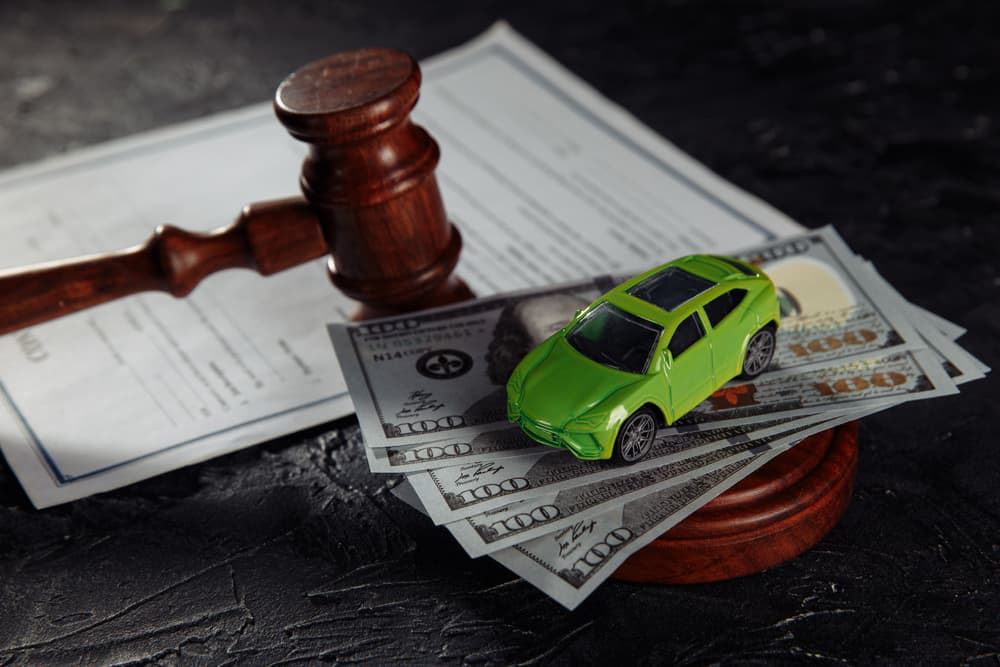
Toy car on dollar banknotes and wooden judge gavel

Car accident settlements vary because no two crashes are exactly alike. One person might suffer a fractured bone and need a short hospital stay, while another might experience long-term injuries that require months or years of physical therapy.

In one case, the other driver might admit fault immediately, while both sides can strongly contest fault in another. Different states have different insurance laws, which change how insurers process claims in each location.

Insurance companies evaluate each accident by considering the severity of injuries, the financial losses, and the strength of the evidence. They look at medical records, witness statements, vehicle damage, etc.

They use this information to decide how much to pay. However, they want to settle for as little as possible. That is why many people turn to a car accident lawyer—to push back against low offers and aim for an amount that truly covers all their losses.

What Factors Can Affect Your Car Accident Settlement Amount?

These are some factors that typically influence how much money you might receive:

  • Medical Expenses: Costs for ambulance rides, hospital stays, surgeries, medication, and ongoing therapy
  • Lost Income: Any income you miss out on if you cannot work while you recover
  • Property Damage: The cost of repairing or replacing your car or other items damaged in the crash
  • Pain and Suffering: Compensation for the physical pain and emotional distress you experience
  • Policy Limits: Insurance policies have maximum limits, and your payout cannot go beyond those limits unless you file additional claims against other parties

Should You Accept the First Settlement Offer After a Car Accident?

It might feel tempting to accept the first offer you receive from the insurance company, especially if your bills are piling up. But often, the initial offer is on the low end.

If you accept it, you usually give up your right to ask for more money later—even if you find out your injuries require more treatment or you miss more work than you thought.

It is rarely wise to accept the first offer without taking time to review all of your expenses and potential future costs.

A car accident attorney will know what similar cases have settled for and can tell you if the offer is too low or close to fair. A car accident lawyer can also handle the back-and-forth negotiations with the insurance company.

How Can a Car Accident Lawyer Help You With the Settlement?

Car accident lawyer protects against financial loss from accidents

A car accident lawyer plays multiple roles in helping you pursue a fair settlement. First, they listen to your side of the story and examine details like medical records, repair bills, and police reports. They investigate the crash to see who was really at fault.

Once they have all the details, your car accident lawyer can write a demand letter to the insurance company that explains how much you want and, most importantly, why you deserve it. They also manage any legal forms, meeting all filing deadlines.

What About Medical Bills and Long-Term Costs of a Car Accident?

Medical bills can constitute some of the largest costs after a car accident. Even if you have health insurance, co-pays and deductibles might overwhelm you. You might also need physical therapy, mental health counseling, or other long-term treatments not fully covered by insurance.

A settlement can pay these bills, but you need enough to handle current and future costs.

For long-term injuries, such as those involving spinal cord damage or severe head trauma, medical expenses can last for years.

A car accident lawyer can work with medical professionals to estimate future needs. This might include ongoing medications, additional surgeries, or special equipment. Include these in your claim since you might face these costs long after the final settlement.

How Does Lost Income and Reduced Earning Capacity Affect the Payout?

If you can’t work while you recover, the paychecks you miss should factor into your settlement. This is called lost earnings. You might also lose sick or vacation days during your recovery, and the settlement may account for these losses.

Reduced earning capacity is a bit different. It applies if you cannot work at the same level or in the same job as before, possibly resulting in lower earnings for years to come. This reduction can add up to a significant financial loss over time. 

A car accident lawyer can calculate and include these future losses in your settlement demand.

When Should You Hire a Car Accident Lawyer?

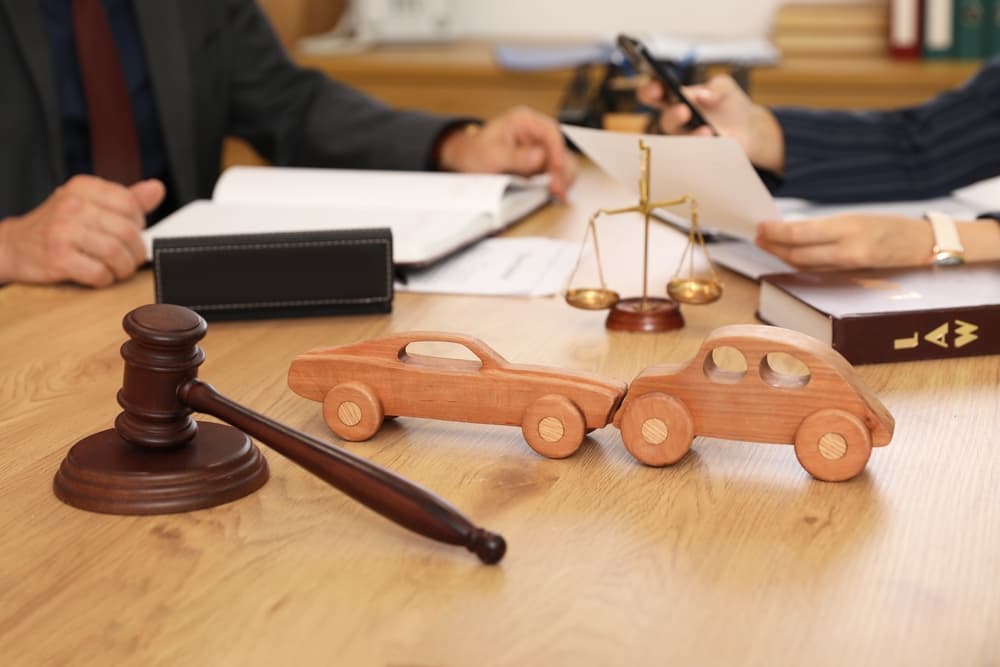
Wooden cars with judge's gavel on lawyer's table during meeting in office

Hire a car accident lawyer as soon as you can after a crash, particularly if:

  • You have serious injuries that might need long-term treatment.
  • The other driver’s fault is unclear, or the insurance company is disputing it.
  • Your bills are very high, or you are missing a lot of work.
  • The insurance company has offered a settlement that seems too low or pressures you to settle quickly.

Waiting too long can hurt your case. Evidence can disappear, witnesses might forget details, and the insurance company may have time to build a case against you. By contacting a lawyer early, you give yourself the best chance for a fair settlement.

Can You Get Compensation for Pain and Suffering After a Car Accident?

Yes, many settlements also include compensation for pain and suffering. This term covers the physical pain, emotional stress, and changes to your quality of life caused by the accident.

A lawyer can price these losses, so insurance companies often have formulas or methods to calculate them. Still, the final number can differ significantly from one case to another.

Speak to a Car Accident Lawyer for Real Answers

Hiring an experienced car accident attorney can make a huge difference in the outcome of your claim. A lawyer knows how to calculate damages accurately, negotiate with insurance companies, and protect you if a lawsuit becomes necessary.

Do not risk missing out on the compensation you deserve. Contact a New Jersey personal injury attorney today to learn more about your case and move one step closer to a fair settlement.

When to Get an Attorney for a Car Accident

When you’ve been in a car accident, navigating the aftermath can be overwhelming and stressful. Dealing with medical appointments, insurance companies, and lost income due to time off work can add to your already significant stress level. During this time, it is important to take care of yourself and focus on your physical and emotional well-being. In cases where significant damages or injuries were sustained, it is necessary to seek legal representation to ensure you seek the proper justice and compensation.

An experienced car accident attorney will guide you through the legal process, negotiate with insurance companies, and advocate for your best interests. If you find yourself in a situation where you’re unsure of what steps to take or feel overwhelmed by the process, contact an attorney near you who understands the detailed process of car accident cases. They can provide the guidance and support you need to overcome this difficult time.

Understanding the Challenges of Car Accident Cases

Wooden cars with judge's gavel on lawyer's table during meeting in office

Although relatively common, car accident cases can be incredibly complicated. They often require a detailed understanding of traffic laws, insurance policies, and personal injury laws. If you are feeling overwhelmed, you can simply hire an attorney to handle every aspect of your case.

Car accident lawyers charge nothing to evaluate your case and no upfront fees to begin representing you. Anyone can hire a car accident attorney, regardless of their financial situation. This means there is never any reason to fumble through the car accident claim process without the proper professional representation.

Here are some scenarios where it’s advisable to consider hiring a car accident attorney:

Severity of Injuries

If you sustained severe injuries that require medical attention, it’s advisable to seek legal representation. Severe injuries can result in extensive damages due to medical bills, ongoing treatments, rehabilitation, and potential loss of income.

Insurance companies often push back on the severity and effects of injuries in an attempt to minimize the monetary value of your claim. An experienced car accident attorney will fight for your rights and the maximum compensation for your injuries. This often includes past and future medical expenses, lost earnings, and pain and suffering.

Disputed Liability

Sometimes, the party to blame for the car accident will deny liability. In car accident cases where fault is disputed, you must have a car accident lawyer on your side. Determining liability is a key aspect of the legal process. Insurance companies often try to shift blame or downplay their policyholders’ responsibility to decrease the claim amount or deny it altogether. An attorney will gather evidence, interview witnesses, and work with accident reconstruction experts to establish liability and ensure you are not unfairly held responsible for the accident.

Insurance Company Tactics

Dealing with insurance companies can be daunting, especially when they employ tactics to devalue or deny your claim. Insurance adjusters might contact you soon after the crash, asking detailed questions and requesting you to give recorded statements. It is always wise to politely decline these discussions until you have legal representation. Adjusters are simply looking for statements they might twist and use against your claim.

Insurance adjusters may also try to settle your case quickly for a minimal amount, hoping that you’ll accept a low offer before fully understanding your rights. Settling usually means leaving significant money on the table, as you might have no idea of the true value of your claim. Further, extended expenses like ongoing physical therapy or other medical bills might not be considered, as well as non-economic losses like pain and suffering.

To avoid this scenario, it is advisable to work with a skilled lawyer from the start who can determine the proper value of your claim. An attorney will handle all communication with insurance companies, negotiate a fair settlement on your behalf, and ensure you do not say the wrong thing or accept an insufficient settlement.

Complying with the legal procedures involved in a car accident case can be overwhelming, particularly if you have little to no experience with the law. You need to take many steps to file a claim correctly. Missing filing deadlines, failing to submit proper documentation, or making procedural errors can significantly impact the outcome of your case. An attorney will ensure that all necessary paperwork is filed promptly, meet all legal requirements, and guide you through the process step by step.

Adequate Compensation

Although they may seem empathetic to your situation, insurance companies are profit-driven entities and often try to settle claims for the lowest possible amount. Without legal representation, you may not fully understand the potential value of your case and accept a settlement that falls short of covering your damages adequately. An attorney will assess the true value of your claim, considering medical expenses, property damage, lost income, and other relevant factors, ensuring you receive the compensation you deserve.

Car accident attorney protecting rights of accident victims

A crash is a stressful and overwhelming experience, and the challenges are often just beginning. You might wonder if you need a car accident lawyer in the aftermath, and the answer is usually yes. When damages or injuries are involved, legal representation is your best tool to protect your rights and ensure fair compensation. An experienced attorney can work through the legal process, negotiate with insurance companies, and advocate for your best interests. Don’t hesitate to contact an attorney near you who has experience working with car accident cases if you find yourself in a situation where you’re unsure of what steps to take. They can provide the guidance and support you need to get through this difficult time.

Contact a Skilled Car Accident Lawyer Right Away

If you’ve been in a car accident, it’s essential to consult a knowledgeable lawyer who has a successful record of working with car accident cases. Contact an attorney near you to ensure your rights are protected, receive the compensation you deserve, and confidently get through the claim process. Don’t wait; reach out to a New Jersey personal injury lawyer today and get the support you need.

Where do Car Accidents Most Occur in New Jersey?

Car accidents can happen anywhere and anytime, but certain areas in New Jersey have been identified as high-risk zones for vehicle collisions. Car accidents can be distressing events, leading to unexpected injuries, damages, and even loss of life. Whether you are traveling down busy highways, through intersections, or on residential streets, a dangerous driver can cause a collision at any time. If you or a loved one has been in a car accident, you should always seek legal advice as soon as possible so you can understand your rights and options.

Contact a New Jersey car accident lawyer near you to discuss your situation for free and receive the representation you need to seek proper compensation.

Highways and Interstates

Car Accident on the road in New Jersey

New Jersey’s highways and interstates are notorious for their high volume of traffic and, consequently, a higher risk of car accidents. These roads often have multiple lanes, high speeds, and heavy congestion, leading to dangerous situations. Some of the most accident-prone highways in New Jersey include:

Garden State Parkway

The Garden State Parkway is a major north-south highway that runs the length of New Jersey. With its high traffic volume, this highway can be a hotspot for car accidents. Distracted or aggressive drivers are common on the Garden State Parkway, and they regularly cause crashes.

New Jersey Turnpike

The New Jersey Turnpike is another major north-south highway that connects the state to neighboring states like New York and Pennsylvania. Due to its heavy traffic flow and congested intersections, accidents are common on this roadway. If you are traveling on the New Jersey Turnpike, stay alert, especially during peak travel times, and know that others might not be following all traffic laws.

I-287

I-287 is a key interstate highway in New Jersey, connecting various counties within the state. This highway can experience heavy traffic, especially during rush hour. Accidents on I-287 are often caused by speeding, reckless driving, or impaired driving. Drivers are not always focused, watching for other drivers, or following the speed limit, which can cause potential accidents on this busy roadway.

Busy Intersections

Regardless of the area, intersections are notorious hotspots for accidents due to the convergence of vehicles coming from different directions. In New Jersey, several intersections have gained a reputation for their high frequency of car accidents. Some of the busiest and most accident-prone intersections include:

Routes 1 and 9 Intersection in Linden

The intersection of Routes 1 and 9 in Linden is known for its heavy traffic and frequent accidents. This intersection sees a high volume of commercial vehicles and commuters, making it a challenging spot for drivers. Many people do not exercise proper caution or follow traffic signals when navigating through this intersection.

Route 22 and Garden State Parkway Intersection in Union

The intersection of Route 22 and the Garden State Parkway in Union is another accident-prone area. This popular intersection has heavy traffic from both local commuters and out-of-town travelers. Many drivers fail to stay alert and exercise defensive driving techniques at this intersection.

Route 35 and Amboy Avenue Intersection in Woodbridge

The intersection of Route 35 and Amboy Avenue in Woodbridge has seen its fair share of car accidents. This area has a mix of local traffic, pedestrians, and cyclists, making it challenging for drivers to get through safely. When drivers are not cautious, fail to yield to pedestrians, or disregard traffic signals, they can cause severe intersection accidents.

Residential Areas

While it is common knowledge that accidents can happen on highways and intersections, residential areas also pose their own set of risks. Residential streets often have lower speed limits, but accidents can still occur due to various factors such as distracted driving, speeding, or failure to yield. Some areas in New Jersey that see a higher number of car accidents include:

Newark

Newark is the largest city in New Jersey and has a high rate of car accidents. Its dense population, congested streets, and mix of residential and commercial areas make it a challenging environment for drivers. Other drivers might not maintain caution, follow local traffic regulations, or watch out for pedestrians and cyclists while driving in Newark.

Jersey City

Jersey City is another densely populated area in New Jersey with a high number of car accidents. The city’s numerous intersections, one-way streets, and heavy pedestrian traffic contribute to the risk of accidents.

Edison

Edison is a township in Middlesex County where car accidents are relatively common. Its busy streets, numerous shopping centers, and residential areas contribute to the higher risk of crashes.

If you have been in a car accident in any of these parts of NJ, it is advisable to speak with an experienced car accident lawyer right away.

Benefits of Working with a New Jersey Car Accident Lawyer

Car Accident lawyer working on laptop beside judge's gavel and car model

From dealing with insurance companies to understanding complicated legal procedures, it’s easy to be overwhelmed and make mistakes in the wake of a crash. That’s why working with a skilled car accident lawyer can make such a difference in the success of your case. Some of the many benefits of having a trusted NJ car accident attorney by your side during this challenging time include:

  • Gaining maximizing compensation from your claim
  • Legal support and guidance
  • Improved claim success rate 
  • Ability to focus on treating and healing from your injuries while your attorney works on your case

Consult a New Jersey Car Accident Lawyer

If you have suffered injuries in a car accident in New Jersey, never wait to seek legal representation to protect your rights and maximize your compensation. Contact a qualified New Jersey car accident lawyer who can guide you through the legal process and advocate for your best interests. Don’t wait to seek help – consult a lawyer near you today.

Once you have the representation of an experienced attorney, you can face the legal system and get the compensation you deserve. Contact a personal injury attorney near you to discuss your car accident case and take the first step toward securing your future.

What To Expect After a Car Accident

It can be hard to know what to expect after a car accident. You can expect some challenges and some that are unique to your circumstances. Having an experienced personal injury attorney will give you confidence to face any problem that may arise after getting into a car accident.

Contact a lawyer today to learn more about your legal options after a car accident. You do not have to pursue compensation alone. Call a lawyer as soon as possible after an accident to learn what options you have after a car accident.

Getting a Treatment Plan

Seeking medical treatment after a car accident is important. It is important to your physical well-being and to support your legal claim to see a doctor immediately after a crash. Be sure to complete any medical treatment plan created by your doctor and care team.

Common Injuries In Car Accidents

Some injuries are common in car accidents. It is important to seek medical intervention after an accident, even for seemingly minor injuries. Common injuries after a car accident can include:

Psychological Injuries

A car accident is a traumatic event. As with any other traumatic event, you might face mental health issues. Post-traumatic stress disorder or anxiety can develop after a serious accident.

Knee Injuries

Damage to the victim’s knees can occur from hitting the dashboard or during the impact of a car accident.

Chest Injuries

Rib fractures or internal injuries can result from seatbelt use and the impact of the steering wheel. Seeking medical attention is the best way to ensure your injuries are fully treated.

Facial Injuries

A car accident can cause facial injuries. Cuts, bruises, or fractures to the face, including dental injuries, can happen from airbags or dashboard impacts.

Back Injuries

Back injuries are serious. Any damage to the spine, including herniated discs or muscle strains, can occur from the jolting motion of the crash.

Soft Tissue Injuries

Sprains, strains, and bruises to muscles, tendons, and ligaments are frequent due to sudden stops or movements. Soft tissue injuries can leave the victim struggling with chronic pain issues.

Fractures

Car accidents can easily cause broken bones and fractures. Common fractures from car accidents typically include broken arms, legs, ribs, collarbones, etc., resulting from the impact of the crash.

Head Injuries

Concussions and traumatic brain injuries can occur, especially if the head strikes an object. Head injuries can have long-term consequences, so having legal representation will maximize your chances of the best outcome available after a car accident.

Whiplash

Whiplash is a neck injury caused by a sudden stop where the victim is abruptly jolted forward and backward. Whiplash usually causes the victim to feel severe pain and stiffness.

Fighting With The Insurance Company 

After a car accident, you might face an uphill battle against the car insurance company. Having an attorney is the best way to get what you deserve from a car insurance company after an accident.

Bad-Faith Tactics Insurance Companies Use 

Insurance companies work hard to avoid making payments after someone suffers an injury in a car accident. Insurance adjusters often use bad-faith negotiation tactics to avoid making payments. Here are examples of how car accident lawyers can help accident victims financially recover after a car crash:

  • Targeting vulnerable claimants
  • Using complicated language
  • Ignoring communication about the case
  • Delaying claims 
  • Lowball settlement offers
  • Pressuring claimants to resolve their case
  • Conducting an inadequate investigation 
  • Misrepresentation of the terms of the insurance policy 
  • Denying valid claims 

How Can An Attorney Help Me During Settlement Negotiations? 

A car accident attorney can overcome the bad-faith tactics that many insurance companies use to avoid making payments. One way attorneys help their clients is by being involved in settlement negotiations.

Getting what you deserve from an insurance company can be challenging. An attorney will fight during settlement negotiations to leave no money on the table.

An attorney can be successful in the negotiation process by doing the following:

  • Understanding insurance tactics 
  • Avoid common pitfalls 
  • Legal representation 
  • Case strategy development
  • Communication with insurance adjusters 
  • Evidence gathering 
  • Negotiation skills 
  • Accurate valuation of the claim 
  • Experience in the law 

Having an attorney during settlement negotiations can increase the likelihood of a favorable outcome, ensuring your rights are protected throughout the process.

Litigation 

If you cannot reach a satisfactory settlement with the insurance company, you can expect to take your case to court to resolve it. Your attorney might file a lawsuit in court on your behalf.

An attorney can provide crucial assistance during litigation in several ways, including:

Your car accident will help your case by drafting all necessary legal documents. Attorneys are skilled in drafting case documents.

Case Preparation

Attorneys can prepare your case by gathering evidence, interviewing witnesses, and developing a strategy tailored to your situation. Work with your lawyer to discover the best way to build a strong case for financial compensation.

Managing Discovery

The discovery process is the phase of the case when each side provides evidence to the other. An attorney can handle the discovery process for you, ensuring that all relevant information is gathered and exchanged appropriately.

Advising You on Risks

Attorneys can advise you on potential risks and outcomes, helping you make informed decisions throughout the litigation process.

Expert Witnesses

Attorneys can identify and engage expert witnesses who can provide testimony to strengthen your case.

Appeals Process

If the outcome of your case is unfavorable, an attorney can guide you through the appeals process, if applicable.

Your attorney will be available to answer your questions and offer helpful solutions. Having an attorney means that you have a valuable resource of legal knowledge.

Having an attorney can be helpful in many ways. Contact a personal injury lawyer as soon as possible if you have suffered an injury in a car accident.

Contact a Car Accident Lawyer Today

You never know what you can expect after a car accident, but you can be prepared for any outcome with the assistance of an attorney. Do not delay. If you have suffered an injury or a loved one has been killed in a car accident, contact an experienced personal injury lawyer today. 

Types of Car Accidents

Many Americans are involved in car accidents across the country every day. These accidents can cause serious injuries and even death. If you or a loved one have suffered an injury or killed in a car accident, you need legal representation.

If you have a car accident claim, contact an experienced car accident lawyer immediately. Start today on the road to full and fair financial compensation. 

Types of Car Accidents 

The National Highway Traffic Safety Administration reported that 40,990 people died in traffic accidents across the country in one year alone. This shows a 6.3 percent decrease in car accident deaths from the previous year. In another year, authorities reported 42,514 traffic deaths.

These statistics do not reflect the number of people who survived a traffic accident but live with serious injuries. Whether you lost a loved one in a car accident or suffered injuries yourself, you deserve legal representation. Contact a car accident attorney today to learn more about your legal options.

Rear-End Collisions

Rear-end collisions are among the most common types of traffic accidents. Rear-end crashes usually happen because a driver is distracted, suddenly stops, or tailgates the forward driver. While authorities usually consider the driver of the rear vehicle at fault for the accident, liability always depends on the surrounding circumstances.

Head-On Collisions

A head-on collision happens when two vehicles strike each other front-to-front. It can be caused by a variety of things, including speeding, bad road conditions, or wrong-way driving. A car accident attorney can help decipher liability issues.

Side-Impact Collisions

A side-impact crash, also known as a T-bone accident, occurs when a vehicle crashes into the side of another vehicle. This type of accident can also happen when a driver blows through a stop sign or runs a red light.

Single Vehicle Accidents

Single-vehicle accidents only involve one car and can happen for a variety of reasons, including losing control of the car, weather conditions, mechanical failures, or driving under the influence of drugs or alcohol.

Multi-Vehicle Accidents

Multi-vehicle accidents or pileups can happen for many reasons. Multi-car accidents can lead to complex situations on the road. An attorney can ensure you understand your right to recovery from a multi-car accident.

Hit-And-Run Accidents

A hit-and-run accident occurs when a vehicle crashes into another vehicle and then leaves the scene without exchanging the information required by state law. Depending on state law, leaving the scene of an accident can be considered a criminal offense.

Pedestrian Accidents

Pedestrian accidents can happen between a motorist and a pedestrian. The pedestrian is usually at the most risk of serious bodily injury. If you are the victim of a pedestrian accident, contact an attorney to learn how to protect your legal rights and discover your options after getting hurt in an accident.

Cyclist Accidents

Cyclist accidents involve a vehicle colliding with a cyclist, often resulting in serious injuries. Driver inattention, poor visibility, left or right turns, and even opening car doors usually cause these accidents.

DUI Crashes

Driving under the influence of drugs or alcohol is dangerous and negligent. Impaired driving can lead to poor judgment and a lack of awareness of lane boundaries. A driver who caused a car crash because they were impaired might face criminal and civil liability.

Weather conditions can lead to serious accidents. Weather-related conditions significantly impact driving safety and can lead to various traffic accidents. An accident can easily happen because of slippery or hazardous road conditions caused by bad weather.

Vehicle Rollovers

Vehicle rollovers occur when a vehicle tips over on its side or roof, often resulting in serious injuries or fatalities. They often happen when vehicles make sharp turns and lose control and can happen often with vehicles with high centers of gravity, like SUVs or larger commercial trucks.

If you have suffered an injury in any type of car accident or you have lost a loved one in a crash, contact an attorney. An experienced car accident lawyer can increase your chances of receiving full and fair compensation after a car accident.

Common Car Accident Injuries

A car accident can cause many types of injuries. Some common car accident injuries include the following:

Neck and Chest Injuries 

Neck and chest injuries are common in car accidents and can range from mild to severe. Common neck and chest injuries can include:

  • Heart attack 
  • Broken or bruised ribs 
  • Whiplash 

Arm and Leg Injuries 

Arm and leg injuries are common in car accidents and can vary in severity. Some common arm and leg injuries include:

  • Amputation
  • Dislocated joints 
  • Broken bones 

Soft Tissue Injuries

Car accident victims often live with soft tissue injuries. Soft tissue injuries damage muscles, ligaments, tendons, and other connective tissue. Examples of soft tissue injuries include:

  • Bruising 
  • Sprains and strains 

You deserve compensation for your injuries. A skilled personal injury attorney can help get the financial recovery you deserve after an accident. Having an attorney means that you can focus on your physical well-being while your car accident attorney works on your legal claim.

How Much Are My Injuries Worth?

Each car accident is unique, so there is no guaranteed way to determine the value of a claim. However, some factors indicate an estimated monetary value of your case. An attorney can ensure you understand what compensation you might be entitled to after a car accident.

Factors that help indicate the financial value of your claim include the following:

  • State law 
  • Insurance coverage 
  • Medical expenses 
  • Property damages 
  • Lost income 
  • Pain and suffering 
  • Disability 

An attorney can ensure you understand the full value of your car accident case. Contact a lawyer if you have suffered an injury in a car crash, as they can guide you through the legal process and advocate for your rights.

Contact a Car Accident Lawyer Today

You deserve full compensation for the losses you suffered after a car accident. A car accident attorney can get you there. There is no reason to delay creating the legal team that you need to help protect your legal rights after a car accident. Call an attorney today. 

The Silent Killer: Distracted Driving on New Jersey Roads

When we talk about distracted driving, we’re not just tossing around a buzzword; we’re spotlighting a lethal threat that’s all too common on our streets today. Here in New Jersey, taking your eyes off the road for just a heartbeat can wreak havoc—not just for the person behind the wheel but for everyone sharing the road: pedestrians, cyclists, and other drivers. Let’s dive deep into why distracted driving demands our full attention and serious action.

The Stark Reality of Distracted Driving

Our vehicles have transformed into mobile command centers where life and technology collide—phones buzzing, GPS navigating, and playlists streaming. But amidst this connectivity, there’s a perilous disconnect when these distractions lead us away from the fundamental task of driving.

Phones and Texting

Here’s a hard fact—glancing at your phone for just five seconds while cruising at 55 mph means you’ve traveled nearly the length of a football field, including both end zones, essentially blindfolded. That’s over 400 feet where anything can happen, and you wouldn’t see it coming.

In-Car Tech Gadgets

Our cars are smarter, but even the slickest touch screens and voice controls can pull our focus from where it matters most—the road ahead.

Chatty Passengers

Engaging in deep conversations or turning to address passengers can split your concentration, which might lead to disastrous outcomes.

The Human Toll

Numbers on a page don’t capture the sheer devastation of distracted driving. They don’t reflect the pain of families torn apart or the dreams dashed in an instant. Every pedestrian accident, every cyclist injured, every car wrecked tells a story of a moment’s distraction that changed lives forever.

Pedestrians and Cyclists

These folks are incredibly vulnerable because, for them, the road’s shoulder or a thin strip of bike lane is their only protection. When drivers aren’t 100% present, these narrow margins for safety can lead to catastrophic injuries or worse.

Other Drivers

It’s not just about individual safety; every distracted moment you spend behind the wheel is a risk you pose to everyone on the road. A simple glance away can cascade into multi-vehicle collisions with dire consequences.

Legal Repercussions in New Jersey

New Jersey takes a strict stance on distracted driving, especially regarding the use of handheld devices while driving:

Fines and Points

Getting caught texting or calling with a handheld device can slap you with fines from $200 to $400 for just the first offense. If you don’t learn your lesson and it happens again, those fines—and the stakes—only get higher. And by the third offense? You’re looking at up to $800 in fines, a possible 90-day license suspension, and the addition of three points on your driving record.

Liability Consequences

Beyond the immediate legal consequences like fines and points, distracted driving can lead to severe liability issues. If your actions cause an accident, you could be faced with lawsuits for significant damages, especially if someone is injured or killed. The human costs—lost lives, grieving families, and injured survivors—underscore the devastating impact of distracted driving. These are not just abstract risks; they represent profound personal tragedies that could haunt you for a lifetime.

Making a Change

So, what’s to be done? How do we curb this epidemic of distracted driving that’s claiming lives and livelihoods?

  • Lead by Example. Make it a point to put your phone away and keep your focus fixed firmly on the road. Every trip, every time.
  • Educate and Advocate. Talk about the dangers, share the grim statistics, and support initiatives that aim to make our roads safer.
  • Policy and Enforcement. Support local and state efforts to strengthen laws and their enforcement against distracted driving. It’s about making our roads safe for all.

Wrapping Up

Driving distracted isn’t just risky—it’s potentially deadly. Let’s not mince words here: when you’re driving, every second counts, every glance matters. Let’s commit to keeping our eyes on the road and our hands on the wheel. Our lives, and the lives of our neighbors and loved ones, depend on it. Stay safe, stay focused, and let’s make New Jersey’s roads a model of safety and responsibility.

If you or a loved one has suffered from distracted driving in New Jersey, the experienced attorneys at Shebell & Shebell, LLC can help. Contact us today to discuss your case and explore your legal options. Together, let’s work towards safer roads and a brighter future for all.

Understanding New Jersey’s Safe Passing Law: A Guide for Motorists and Cyclists

In the crowded streets of New Jersey, where every inch of road is a battleground for space between pedestrians, cyclists, and motorists, we’ve finally seen a beacon of hope. The Safe Passing Law, NJSA 39:4-92.4, effective since March 1, 2022, isn’t just another piece of legislation—it’s a lifesaver, a promise for a safer tomorrow for every kid on a bike and every pedestrian stepping onto the street.

The Essence of the Law: Respect and Protection

This isn’t just about rules; it’s about respect. New Jersey’s Safe Passing Law demands more than just careful driving—it requires a commitment, a promise from every motorist to safeguard those who are most at risk. Here’s what you need to know:

Make the Switch

If you see a cyclist or a pedestrian and the road allows, switch lanes. It’s more than courtesy; it’s giving them their rightful space.

Four Feet for Safety

Never buzz by closer than four feet. That distance might be the difference between a safe ride home and a trip to the ER.

Slow Down, It Saves Lives

If you can’t switch lanes, ease off that accelerator. Drop down to 25 mph, or even lower if the signs say so. Pass only when you can guarantee everyone’s safety.

The Law in Plain Speak: NJSA 39:4-92.4

Let’s lay it down straight—NJSA 39:4-92.4 isn’t just legalese. It protects the unprotected. If someone gets hurt because you violated this law, you’re not just looking at a slap on the wrist. It’s serious: a $500 fine and two points on your license. This law means business.

Why This Matters: Health, Happiness, and Safety

Think about it—cycling isn’t just good for the environment; it’s great for the heart, and not just the biological one, but our communal heart, our neighborhoods. This law encourages families to dust off those bikes in the garage, secure in the knowledge that the law is looking out for them. It’s about building a community where safety on the road isn’t a luxury—it’s a given.

The Cost of Carelessness

Don’t forget—the stakes are high. A moment of impatience can cost you a $100 slap on the wrist for a non-injurious violation, or, if your carelessness leads to someone getting hurt, a $500 fine and two points off your license. These penalties are here to remind us: we share the road, we share the responsibility.

Your Questions, Answered

Q: What does sharing the road really mean?

A: It means treating every road user with dignity and care, as if they were your own family.

Q: How do I know I’m doing it right?

A: If everyone goes home safe, you’re doing it right.

In Closing: Our Shared Road Ahead

New Jersey’s Safe Passing Law isn’t just another rule. It’s a statement—a statement that says we value life and respect each other’s right to come home safe. It’s a call to all of us to slow down, look around, and make sure we’re part of the solution, not the problem.

Let’s not just drive—let’s drive with heart, with an eye on the future. Let’s make sure that everyone, from the little guy on his first two-wheeler to the grandma crossing the street, feels safe on our roads. Because in the end, how we share the road says everything about who we are as human beings.

Caring on the Road: Driving with Heart on New Jersey’s Roadways

In New Jersey, our roads are more than just pavement under tires; they’re lifelines connecting us all. Each day, these roads bear witness to a thousand stories—stories of folks just trying to get from one place to another. But with the rush comes risk, and that’s where we come in. Because in this frantic dance of daily commutes and errands, caring for one another is not just important—it’s essential.

Avoiding Distractions: Drive Like Lives Depend on It—Because They Do

Life is fast, and the pace is only getting quicker. We’re all guilty of juggling too much: sipping that morning coffee, flipping through playlists, sneaking peeks at our phones. But here’s the truth—when you’re driving, you’re carrying more than just your own life in your hands.

Hands on the Wheel, Eyes on the Road

Keep distractions at bay. If your phone buzzes, let it. Nothing on that screen is worth a life.

Tech as Your Co-Pilot

Set up your navigation before you hit the gas. Use Waze, Google Maps, or Apple Maps, but keep it hands-free. Let the voice guide you so your eyes can do what they need to—watch the road.

Urgent Calls Can Wait

Got a call that can’t wait? Pull over. Find a parking lot or a rest area, then chat. The road demands your full attention. Give it.

Road Manners: It’s About Respect

Driving is as much about courtesy as it is about following rules. It’s about sharing space respectfully and keeping each other safe.

Signal Your Moves

Your turn signals aren’t just levers; they’re signals of intent. Use them. They tell the story of where you’re headed, letting everyone prepare and react.

Maintenance is Non-Negotiable

Treat your ride like the lifesaver it is. Check your brakes, tires, lights—make them ready to handle anything the road throws your way.

Handling the Pressure: Keep Cool, Drive Smart

The road can be a pressure cooker, but losing your cool can cost more than just your peace of mind.

Breathe Through the Traffic

Feel the stress rising? Take a breath. Remember, getting there late is better than not at all.

Defensive Driving

Assume the other guy might make a mistake and have a plan for what you’ll do when it happens. Space is your friend on the highway—always keep your distance.

The Ripple Effect of Care

Every time you get behind the wheel, you’re not just a driver; you’re a guardian of the asphalt commons. Your choices ripple out, touching lives you’ll never know. So, make each choice a thoughtful one.

In Closing: Drive with Heart

Let’s transform our New Jersey roads from mere strips of asphalt into safe passages for all. Every turn of the wheel, every journey—it’s a chance to do right by each other. By driving attentively, planning ahead, and by using technology smartly, we make our roads kinder, safer places.
So next time you buckle up, remember — drive like every road is in your own neighborhood. Because on these roads, every quick stop for coffee, every commute to work, every rush home to loved ones—it’s all shared. Let’s respect that shared space, let’s drive with heart. Because when we care for each other, we make more than just a safer road—we make a better world.