

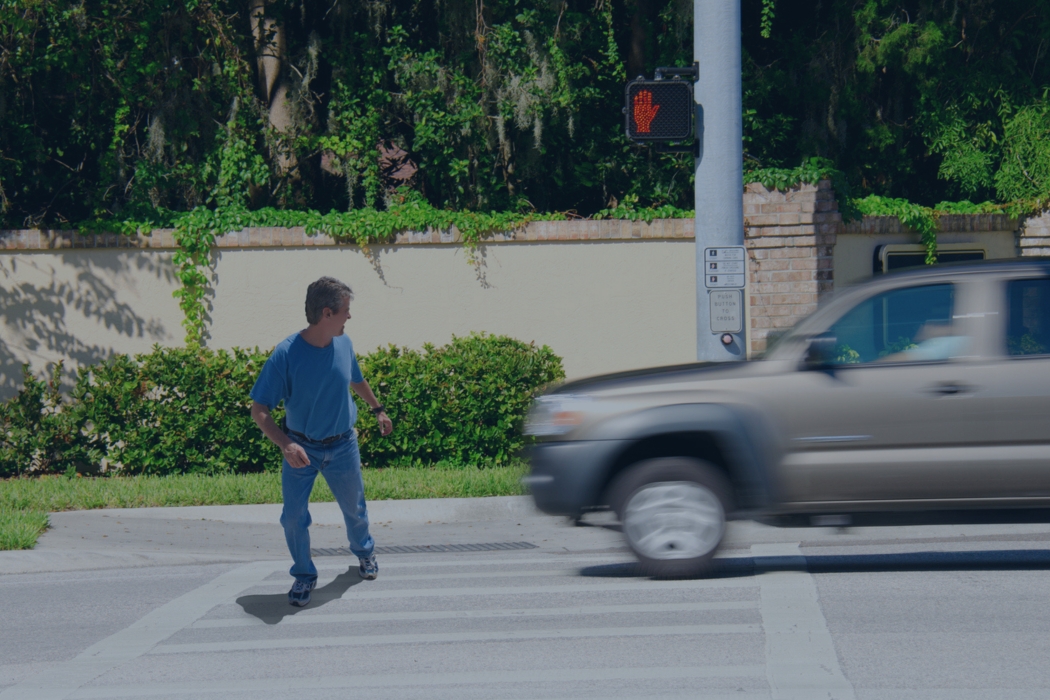
Crosswalks are supposed to be one of the safest places for pedestrians. When someone is crossing where they are supposed to cross, they should not have to worry about a driver looking down at a phone instead of watching the road.
But distracted drivers often fail to see people crossing until it is too late. Texting, GPS use, eating, looking down at a phone, or adjusting music can all pull a driver’s attention away from the intersection. For pedestrians, even a lower-speed crash can cause devastating injuries.
If you were hit by a distracted driver in a crosswalk, contact our pedestrian accident attorneys in New Jersey to understand your legal rights and potential compensation.
What Happens When a Distracted Driver Hits a Pedestrian?
Why Crosswalk Crashes Happen
Crosswalk crashes often happen because a driver is focused on something other than the road.
A driver may be looking at a phone instead of the intersection, failing to yield, braking too late, rolling through a turn, or missing a pedestrian while turning left or right. In many cases, the crash is not caused by complicated road conditions. It happens because the driver was not paying attention.
When a driver approaches a crosswalk, they need to scan the road, check for pedestrians, slow down, and be ready to stop. A distraction can interrupt that entire process.
Distracted Drivers Often “Never Saw” the Pedestrian
After a crosswalk crash, distracted drivers often say they “never saw” the pedestrian.
That does not mean the pedestrian was not visible. It often means the driver was not looking carefully enough. Even a few seconds of looking away can be enough to miss a traffic signal, crosswalk marking, pedestrian movement, or someone already in the roadway.
By the time the driver looks up, there may not be enough time to stop.
Pedestrians Are Especially Vulnerable
Pedestrians do not have seatbelts, airbags, or the frame of a vehicle to protect them.
When a car hits a person walking, the pedestrian absorbs the force directly. Serious injuries can happen even at relatively low speeds, especially when the impact knocks the person to the ground.
Elderly pedestrians and children face even higher risks because they may be more fragile, slower to react, or less able to recover from major injuries.
Common Injuries After a Crosswalk Accident
Broken Bones and Orthopedic Injuries
Broken bones are common after a pedestrian is hit in a crosswalk.
These injuries may include ankle fractures, leg fractures, hip injuries, and pelvic injuries. Some fractures require surgery, hardware, physical therapy, and months of recovery.
For older pedestrians, a broken hip, ankle, or leg can seriously affect independence and mobility.
Head and Brain Injuries
Head injuries can happen when the pedestrian is struck by the vehicle, thrown onto the hood, or knocked to the ground.
These injuries may include concussions, traumatic brain injuries, headaches, dizziness, memory problems, confusion, and other cognitive symptoms. Some brain injury symptoms appear right away. Others develop over time.
That is why medical evaluation matters after any pedestrian crash.
Spinal Cord and Back Injuries
A crosswalk accident can also cause serious back, neck, and spinal injuries.
Pedestrians may suffer herniated discs, nerve damage, spinal cord trauma, or long-term mobility limitations. These injuries can make it difficult to walk, work, sleep, lift objects, or complete daily tasks.
Even when an injury does not require surgery, chronic pain can affect a person’s quality of life for years.
Emotional Trauma After Being Hit
The impact of a pedestrian accident is not only physical.
Many injured pedestrians experience anxiety near roads, fear of crossing streets, stress while walking through intersections, or symptoms of PTSD. Some people avoid walking alone or feel unsafe in places that used to feel routine.
That emotional toll is part of the real harm caused by the crash.
Who Is Liable in a Crosswalk Pedestrian Accident?
Drivers Have a Duty to Yield
In New Jersey, drivers are required to stop for pedestrians in marked crosswalks.
Drivers are also expected to stay alert, watch for pedestrians, obey traffic signals, and operate their vehicles safely. Crosswalks exist because pedestrians need a protected place to cross, and drivers are responsible for approaching those areas with care.
When a driver fails to yield or hits someone in a marked crosswalk, that failure may become important evidence in a personal injury claim.
Distracted Driving May Establish Negligence
Distracted driving can help show that the driver acted negligently.
Texting, phone use, GPS interaction, eating, drinking, adjusting controls, or looking away from the roadway can all interfere with safe driving. If that distraction caused the driver to miss a pedestrian in a crosswalk, it may support the argument that the driver failed to use reasonable care.
In plain terms, drivers are supposed to watch the road. When they do not, they can be held responsible for the harm they cause.
Can Pedestrians Still Recover Compensation If Partially at Fault?
Yes, depending on the facts.
New Jersey uses modified comparative negligence. That means an injured pedestrian may still recover compensation as long as they are not more than 50% responsible for the crash.
For example, the insurance company may argue that the pedestrian was distracted, crossed outside the signal timing, or stepped unexpectedly into the road. Those arguments can affect the case, but they do not automatically prevent recovery.
Drivers still have a duty to use caution, especially near crosswalks and intersections where pedestrians are expected.
Evidence That Can Help Prove the Driver Was Distracted
Phone Records
Phone records may help show whether the driver was texting, calling, or using apps around the time of the crash.
This evidence can be especially important when the driver denies being distracted. An attorney may be able to take steps to preserve and pursue phone-related evidence before it disappears.
Witness Statements
Witnesses can be extremely helpful in distracted driving pedestrian cases.
Someone may have seen the driver holding a phone, looking down, braking late, swerving, or failing to react before impact. Witnesses may also confirm that the pedestrian was in the crosswalk or had the right of way.
The sooner witnesses are identified, the better.
Traffic Cameras and Surveillance Footage
Video footage can help show what happened before, during, and after the crash.
Useful footage may come from intersection cameras, nearby businesses, residential cameras, dashcams, or public safety cameras. This footage may show the pedestrian crossing, the driver’s speed, delayed braking, vehicle movement, or whether the driver failed to yield.
Because video can be deleted or overwritten, it is important to act quickly.
Police Reports and Driver Admissions
Police reports may include key details about the crash.
The report may note citations, witness statements, officer observations, driver admissions, or suspected distraction. Sometimes a driver admits they looked down, did not see the pedestrian, or were using a device.
Those details can help support a claim that the driver’s distraction caused the crash.
Real Example of a Distracted Driver Crosswalk Crash
Elderly Pedestrian Hit in Marked Crosswalk
An 84-year-old pedestrian was walking home from the grocery store and crossing the street in a marked crosswalk when a distracted driver struck him. The driver reportedly never saw him in the crosswalk.
The victim suffered a severely fractured ankle that required surgery. The case resulted in a $1.25 million settlement during discovery.
Why These Cases Matter
Crosswalk crashes are often preventable.
Drivers are supposed to pay attention near intersections, marked crosswalks, parking lots, and areas where pedestrians are expected. When a driver looks down at a phone, adjusts GPS, or fails to scan the road, they may miss someone who is directly in their path.
A moment of distraction can permanently change someone’s life. For an injured pedestrian, the consequences may include surgery, months of recovery, chronic pain, lost independence, and financial stress.
What Compensation Can Injured Pedestrians Recover?
Medical Expenses
Injured pedestrians may be able to recover compensation for medical care related to the crash.
This can include ER visits, ambulance transportation, diagnostic testing, surgery, hospital stays, rehabilitation, physical therapy, medication, follow-up visits, and future treatment.
Pedestrian accident injuries can be expensive, especially when the person needs surgery or long-term care.
Lost Wages and Future Income Loss
If the injuries prevent the pedestrian from working, they may be able to recover lost wages.
More serious injuries can also affect future earning ability. For example, a person may not be able to return to the same job, work the same hours, or perform the same physical tasks they handled before the crash.
Lost income matters because a pedestrian accident can create financial pressure quickly, especially when medical bills are arriving at the same time.
Pain and Suffering
Pain and suffering compensation addresses the human impact of the injury.
This may include physical pain, emotional distress, anxiety, sleep problems, reduced enjoyment of life, and the frustration of living with long-term limitations.
For many pedestrians, the hardest part is not just the initial injury. It is the daily impact the injury has on walking, working, driving, caring for family, and living normally.
Permanent Disability or Mobility Loss
Some crosswalk accidents leave pedestrians with permanent limitations.
Compensation may account for chronic pain, walking limitations, balance problems, nerve damage, scarring, weakness, or the need for assistive devices like a cane, brace, walker, or wheelchair.
When an injury affects mobility, it can also affect independence. That is especially serious for older adults and anyone whose job or daily life depends on being physically active.
What To Do After Being Hit in a Crosswalk
Call 911 Immediately
Call 911 right away after being hit in a crosswalk.
Emergency responders can provide medical help, secure the scene, and create an official record of the crash. Police documentation may also become important later if there is a dispute about fault.
Get Medical Care Even if Symptoms Seem Minor
Get checked by a medical professional even if you think your injuries are not serious.
Adrenaline can hide pain right after a crash. Symptoms from head injuries, soft tissue injuries, fractures, and internal injuries may become more noticeable hours or days later.
Medical records also help connect your injuries to the pedestrian accident.
Preserve Evidence
If you are physically able, preserve as much evidence as possible.
Take photos of the vehicle, crosswalk, traffic signals, roadway, injuries, debris, skid marks, and surrounding businesses or cameras. Get witness names and contact information.
Also write down what you noticed about the driver’s behavior, including whether they were looking down, holding a phone, braking late, swerving, or saying they did not see you.
Speak With a Pedestrian Accident Attorney
A pedestrian accident attorney can help investigate liability and preserve evidence before it disappears.
That may include pursuing phone evidence, locating video footage, contacting witnesses, reviewing police reports, and dealing with insurance companies.
Insurance companies may try to blame the pedestrian, minimize injuries, or offer less than the case is worth. Having an attorney involved early can help protect your rights.
Frequently Asked Questions About Crosswalk Accidents
Do Pedestrians Always Have the Right of Way in New Jersey?
Pedestrians have strong protections in marked crosswalks, and drivers are generally required to stop for pedestrians crossing within them.
However, pedestrians still must act reasonably. That means following signals, using crosswalks properly, and avoiding sudden movements into traffic when a driver has no reasonable chance to stop.
What if the Driver Says They Did Not See Me?
A driver saying they did not see you does not automatically excuse the crash.
Drivers are responsible for watching the road, scanning crosswalks, and paying attention near intersections. If the driver failed to see a pedestrian because they were distracted, looking down, or not keeping a proper lookout, that may still support a negligence claim.
Can I Still Recover Compensation if I Was Looking at My Phone?
Possibly, depending on the facts.
New Jersey follows comparative negligence rules, which means fault can be divided between the pedestrian and driver. If you were looking at your phone, the insurance company may argue you share some blame.
That does not automatically mean you have no case. Recovery may still be possible depending on how fault is allocated and whether the driver’s distraction, failure to yield, speeding, or other negligence caused the crash.
How Long Do I Have to File a Pedestrian Accident Claim in New Jersey?
In many New Jersey pedestrian accident cases, the statute of limitations is generally two years from the date of the crash.
However, some claims can involve shorter deadlines, especially if a public entity may be involved. Early investigation is important because evidence can disappear, witnesses can become harder to reach, and video footage may be deleted.
Speak with a Lawyer Before Anything Else
Distracted drivers frequently cause serious pedestrian accidents in crosswalks.
Even a few seconds of distraction can lead to devastating injuries. Drivers have a responsibility to stay alert, watch for pedestrians, obey traffic signals, and yield when required.
Injured pedestrians may have the right to pursue compensation for medical bills, lost income, pain and suffering, future treatment, mobility limitations, and other damages.
If you were hit by a distracted driver in a crosswalk, our pedestrian accident attorneys in New Jersey can help investigate the crash, protect your rights, and pursue compensation for your injuries.