
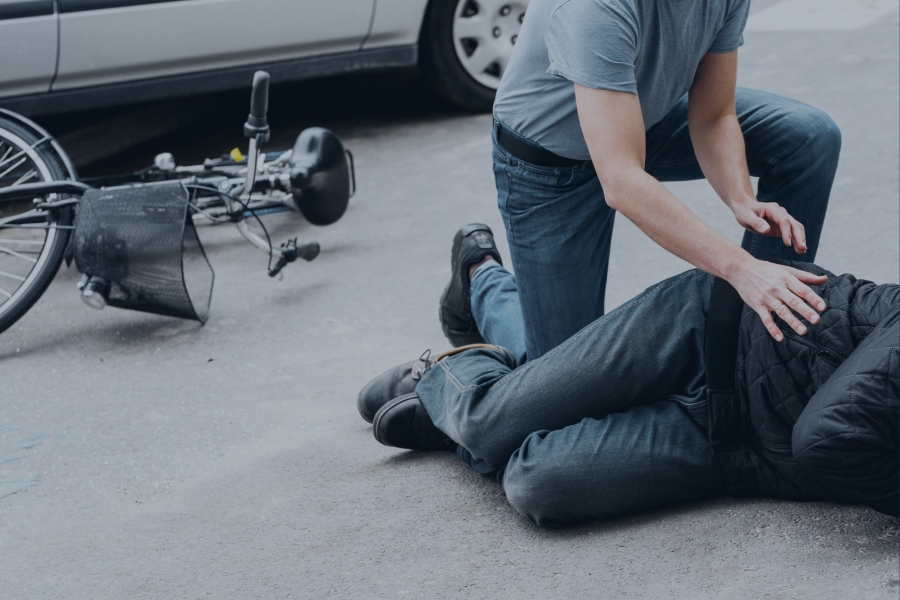
If you were hit by a car while walking in New Jersey, you may suddenly be dealing with serious injuries, mounting medical bills, time away from work, and insurance companies already trying to protect themselves.
Pedestrian accidents can happen in crosswalks, parking lots, school zones, neighborhoods, and busy intersections. Some cases involve hit-and-run crashes, children hit by vehicles, distracted drivers, or motorists who simply failed to yield.
After a crash, the steps you take early can affect your health, your claim, and your ability to recover compensation. Speak with Shebell & Shebell for a free consultation.
$1.25 Million Settlement for a Pedestrian Struck in a Crosswalk
The dangers pedestrians face are not hypothetical. Shebell & Shebell represented an 84-year-old man who was walking home from the grocery store and crossing the street in a marked crosswalk when a distracted driver struck him. The driver never saw him in the crosswalk.
The collision left the client with a severely fractured ankle that required surgery. Shebell & Shebell pursued the case through the discovery stage of litigation, where it ultimately settled for $1.25 million.
This case demonstrates how a moment of driver inattention can leave a pedestrian facing surgery, a difficult recovery, and lasting physical limitations. It also shows why investigating the driver’s conduct and fully documenting the injured person’s medical needs are critical before accepting a settlement.
Every pedestrian accident case is different, and prior results do not guarantee a similar outcome. The value of a claim depends on its individual facts, injuries, available insurance coverage, and other circumstances.
What to Do After a Pedestrian Accident
Call 911 and report the crash
Call 911 right away after a pedestrian accident. A police report creates an official record of what happened, where it happened, who was involved, and whether any witnesses were present.
Emergency responders can also evaluate injuries at the scene and transport you for urgent medical care if needed. Even if the driver seems cooperative, do not rely on a verbal agreement or casual exchange of information. Documentation matters.
Get medical attention immediately
Pedestrian accident injuries are not always obvious right away. Adrenaline can make pain feel less severe in the moment, especially after a traumatic crash.
Brain injuries, internal injuries, soft tissue damage, and fractures may become more noticeable hours or days later. Getting checked by a doctor protects your health and creates medical records that connect your injuries to the accident.
Take photos and gather evidence
If you are physically able, take photos and videos before the scene changes. Useful evidence may include vehicle damage, your injuries, the crosswalk, traffic lights, skid marks, road conditions, signs, and nearby businesses or homes with surveillance cameras.
Try to get names and contact information for witnesses. Their statements may help confirm how the crash happened, especially if the driver later denies responsibility.
Do not speak to insurance adjusters alone
Insurance adjusters may contact you quickly after the crash. Be careful. Their goal is often to limit what the insurance company pays. If the driver who hit you was speeding, distracted, intoxicated, or otherwise negligent, our New Jersey car accident attorneys can help you pursue compensation and protect your rights after a serious crash.
Recorded statements, quick settlement offers, and questions about fault can all be used against you. They may try to blame you for crossing the street, not seeing the vehicle, or being outside a crosswalk. Before giving a statement or signing anything, talk to a pedestrian accident lawyer.
Contact a pedestrian accident lawyer quickly
Pedestrian accident evidence can disappear fast. Surveillance footage may be overwritten, witnesses may become harder to reach, and the crash scene may change.
A lawyer can move quickly to preserve evidence, investigate the driver, identify available insurance coverage, and protect you from low settlement offers.
Common Causes of Pedestrian Accidents in New Jersey
Distracted driving
Distracted driving is one of the most common reasons pedestrians get hit by cars. A driver looking at a phone, GPS, dashboard screen, or passenger may fail to see someone crossing the road. Many serious pedestrian accidents happen when drivers are texting or looking away from the road for just a few seconds. Learn more about your legal options after being hit by a distracted driver in a crosswalk.
Many drivers are focused on other vehicles and fail to watch for people walking, jogging, or entering a crosswalk. Shebell & Shebell has seen the consequences firsthand, including in the case of an 84-year-old client who suffered a severe ankle fracture requiring surgery after a distracted driver failed to see him in a marked crosswalk. Our guide on the consequences of distracted driving explains how these crashes happen and the serious legal and financial impact they can create.
Failure to yield at crosswalks
Drivers in New Jersey must follow pedestrian right-of-way laws. When a pedestrian is legally crossing in a marked crosswalk, drivers are expected to stop and allow them to cross safely.
Many crashes happen when drivers roll through turns, rush through intersections, or fail to check for people already in the crosswalk. Turning vehicles are especially dangerous because drivers may be watching traffic instead of pedestrians.
Speeding in urban and residential areas
Speeding gives drivers less time to react and increases the force of impact. In pedestrian cases, that can mean more severe injuries.
This is especially dangerous in residential neighborhoods, downtown areas, school zones, shopping centers, and shore towns where foot traffic is common.
Drunk or impaired driving
Alcohol, prescription drugs, marijuana, and other substances can affect judgment, reaction time, vision, and coordination.
An impaired driver may drift, speed, ignore traffic signals, or fail to notice a pedestrian until it is too late. These cases often require a close investigation into police reports, toxicology results, witness statements, and prior driving behavior.
Parking lot pedestrian accidents
Parking lots may seem lower risk, but pedestrians can still suffer serious injuries when hit by a vehicle. Drivers backing out of spaces, cutting through aisles, or speeding near store entrances may fail to see someone walking nearby.
Poor visibility, blind spots, large vehicles, and crowded shopping areas can all increase the risk.
Hit-and-run pedestrian crashes
Hit-and-run pedestrian accidents are especially stressful because the injured person may not know who hit them or what insurance applies.
A lawyer can help investigate the crash, search for video footage, work to identify the fleeing driver, and review whether uninsured motorist coverage may apply.
Injuries Commonly Seen When a Pedestrian Is Hit by a Car
Traumatic brain injuries
A pedestrian may suffer a traumatic brain injury when their head hits the vehicle, pavement, curb, or another object. Symptoms can include headaches, dizziness, confusion, memory problems, nausea, vision changes, and mood changes.
Brain injuries can affect work, relationships, sleep, concentration, and daily life.
Spinal cord injuries
Spinal cord injuries can cause serious pain, weakness, numbness, limited mobility, or paralysis. Even less severe spinal injuries can require long-term treatment, physical therapy, injections, or surgery.
These injuries can also affect a person’s ability to work or perform normal daily tasks.
Broken bones and fractures
Broken legs, hips, arms, ribs, wrists, ankles, and facial bones are common when a pedestrian is hit by a car. Some fractures require surgery, hardware, casting, rehabilitation, and months of recovery.
A serious fracture can also lead to chronic pain or permanent limitations.
Internal bleeding and organ damage
Internal injuries may not be visible from the outside, but they can be life-threatening. A pedestrian crash can cause internal bleeding, organ damage, abdominal trauma, or chest injuries.
This is one reason immediate medical evaluation is so important after being hit by a vehicle.
Soft tissue injuries
Soft tissue injuries include sprains, strains, torn ligaments, bruising, muscle damage, and deep tissue trauma. These injuries can still cause significant pain and limited movement.
Even when X-rays do not show broken bones, soft tissue damage can affect mobility, sleep, work, and quality of life.
Emotional trauma and PTSD
Being hit by a car can be emotionally traumatic. Some victims experience anxiety, nightmares, panic around traffic, depression, or post-traumatic stress.
Recovery may involve more than physical healing. Long-term rehabilitation, permanent disability, chronic pain, future medical care, and emotional distress should all be considered when evaluating a pedestrian accident claim.
Who Can Be Held Liable in a Pedestrian Accident Case?
Negligent drivers
The most common liable party is the driver who hit the pedestrian. A driver may be responsible if they were speeding, distracted, impaired, failed to yield, ignored traffic signals, or drove carelessly for the conditions.
Commercial vehicle companies
If the pedestrian was hit by a delivery truck, work van, rideshare vehicle, bus, or company car, the driver’s employer or vehicle owner may also be involved.
Commercial cases often include additional insurance policies, driver records, company safety rules, and vehicle maintenance records.
Uber and Lyft drivers
If an Uber or Lyft driver hits a pedestrian, insurance coverage may depend on whether the driver was logged into the app, waiting for a ride, picking up a passenger, or actively transporting someone.
These cases can be more complicated than a standard car accident claim because multiple insurance policies may need to be reviewed.
Property owners in certain cases
Sometimes a property owner may share responsibility if unsafe conditions contributed to the crash. Poor lighting, blocked visibility, dangerous parking lot layouts, missing signs, or unsafe walkways may increase the risk of a pedestrian being hit.
These cases require a careful look at where the accident happened and who controlled the property.
Government entities for dangerous intersections
Some pedestrian accidents happen because of dangerous road design, broken traffic signals, poor signage, missing crosswalks, or unsafe intersections.
Claims involving government entities have special notice requirements and shorter deadlines, so it is important to act quickly.
In many pedestrian accident cases, more than one party may be responsible. A lawyer can investigate all possible sources of liability and insurance coverage so the injured person is not limited to the first policy the insurance company points to.
Can You Still Recover Compensation If You Were Not in a Crosswalk?
Yes, you may still be able to recover compensation even if you were not in a crosswalk when the crash happened.
Insurance companies often try to make pedestrian accident cases sound simple. They may argue that because you were outside a crosswalk, you caused the accident. That is not always true.
New Jersey uses comparative negligence rules, which means fault can be shared between more than one party. A pedestrian may be accused of crossing outside a marked crosswalk, but the driver may still be responsible if they were speeding, distracted, impaired, failed to keep a proper lookout, or had enough time to avoid the crash.
Drivers still owe a duty of care to people on foot. They cannot ignore a pedestrian just because the person was not in a marked crosswalk. Jaywalking does not automatically erase your right to compensation.
This is why it is important to speak with a lawyer before accepting blame or giving a recorded statement. The insurance company may use your words against you, even if the driver’s actions were the real cause of the crash.
Compensation Available After a Pedestrian Accident
Medical expenses
A pedestrian accident claim may include compensation for emergency room care, ambulance transport, surgery, hospital stays, doctor visits, medication, imaging, specialist care, and follow-up appointments.
Lost income and reduced earning ability
If your injuries keep you out of work, you may be able to pursue compensation for lost wages. If the injury affects your ability to earn the same income in the future, reduced earning capacity may also be part of the claim.
Pain and suffering
Pedestrian accident injuries often affect more than your finances. Pain and suffering may include physical pain, emotional distress, loss of enjoyment of life, anxiety, sleep problems, and the overall impact the crash has had on your daily routine.
Rehabilitation and future care
Some injuries require months or years of recovery. Compensation may include physical therapy, occupational therapy, mobility equipment, in-home care, future surgeries, and long-term medical treatment.
Permanent disability
If the crash causes permanent limitations, nerve damage, paralysis, chronic pain, scarring, amputation, or reduced mobility, those long-term effects should be considered when calculating the full value of the claim.
Wrongful death damages
If a pedestrian accident is fatal, surviving family members may have the right to pursue a wrongful death claim. These damages may include funeral expenses, loss of financial support, and the emotional impact of losing a loved one.
How a Lawyer for Pedestrian Hit by Car Cases Can Help
Investigating the crash
A lawyer can review the police report, inspect the crash scene, identify witnesses, evaluate the driver’s actions, and look for evidence that shows how the accident happened.
Obtaining surveillance footage
Video footage can be critical in a pedestrian accident case. Nearby businesses, homes, traffic cameras, dashcams, and parking lot cameras may have captured the crash. The problem is that footage can be deleted quickly, so fast action matters.
Working with medical experts
A pedestrian accident lawyer may work with medical professionals to understand the severity of your injuries, future treatment needs, long-term limitations, and how the crash affected your life.
Handling insurance negotiations
Insurance companies may offer a quick settlement before the full cost of your injuries is known. They may also ask for recorded statements, question your medical treatment, or try to blame you for the crash.
A lawyer handles those conversations for you and pushes back against lowball offers.
Calculating long-term damages
The value of a pedestrian accident case is not just about today’s medical bills. A lawyer can help calculate future treatment, lost earning ability, long-term pain, disability, and other losses that may not be obvious early in the case.
Filing a lawsuit if necessary
Many cases settle, but not every insurance company makes a fair offer. If needed, your lawyer can file a lawsuit and prepare the case for trial.
Dangerous Areas for Pedestrians in New Jersey
Pedestrian accidents in Ocean County
Ocean County has busy roads, shopping centers, shore traffic, and residential areas where pedestrians and vehicles often cross paths. Crashes can happen near parking lots, intersections, schools, and beach communities.
Busy intersections in Monmouth County
Monmouth County has many walkable downtowns, commuter areas, shopping corridors, and shore towns. Intersections near schools, train stations, restaurants, and main roads can create serious risks for pedestrians.
Urban pedestrian crashes in Newark and Jersey City
Newark and Jersey City have heavy foot traffic, public transportation, rideshare activity, delivery vehicles, buses, and dense intersections. Drivers who rush through turns, block crosswalks, or fail to yield can cause devastating pedestrian injuries.
Shore town pedestrian traffic risks
New Jersey shore towns often see increased pedestrian traffic during weekends, holidays, and summer months. Tourists, children, cyclists, rideshare drivers, parking congestion, and nighttime activity can all increase crash risks.
How Long Do You Have to File a Pedestrian Accident Claim in New Jersey?
In many New Jersey pedestrian accident cases, the general deadline to file a personal injury lawsuit is two years from the date of the crash.
However, some cases have shorter deadlines. If a government entity may be responsible because of a dangerous intersection, broken traffic signal, unsafe road design, or poorly maintained public area, special notice requirements may apply.
Waiting too long can hurt your case. Evidence can disappear, video footage can be overwritten, witnesses can become harder to find, and insurance companies may use delays against you. The sooner you speak with a lawyer, the sooner your case can be investigated and protected.
Frequently Asked Questions About Pedestrian Accident Claims
What should I do if a car hit me in a crosswalk?
Call 911, get medical attention, report the crash, take photos if possible, gather witness information, and avoid speaking with the driver’s insurance company before getting legal advice.
Can I sue a driver who hit me while walking?
Yes, you may be able to bring a claim if the driver’s negligence caused or contributed to the crash. This can include speeding, distracted driving, failure to yield, impaired driving, or careless driving.
What if the driver fled the scene?
If the driver left the scene, you may still have options. A lawyer can investigate video footage, witness statements, police reports, and uninsured motorist coverage that may apply.
Can pedestrians be at fault in New Jersey?
Yes, pedestrians can sometimes share fault. However, being partially at fault does not always prevent recovery. Comparative negligence rules may still allow compensation depending on the facts of the case.
How much is a pedestrian accident case worth?
The value depends on the severity of the injuries, medical bills, lost income, future care needs, pain and suffering, available insurance, and who was at fault.
Do I need a lawyer after being hit by a car?
If you were seriously injured, missed work, needed medical care, or the insurance company is blaming you, speaking with a lawyer is a smart step. Pedestrian accident cases can become complicated quickly.
What injuries are common in pedestrian accidents?
Common injuries include traumatic brain injuries, spinal injuries, broken bones, internal bleeding, soft tissue injuries, scarring, chronic pain, and emotional trauma.
What happens if a child is hit by a car?
Cases involving children require special care. A child may suffer serious injuries even in a low-speed crash, and the legal process may involve parents or guardians pursuing the claim on the child’s behalf.
Speak With a New Jersey Pedestrian Accident Lawyer Today
A pedestrian accident can change your life in seconds. You may be facing medical treatment, missed work, pain, stress, and an insurance company that is already looking for ways to limit your claim.
Shebell & Shebell has represented injured people and families in New Jersey for nearly a century. The firm offers free consultations, same-day case reviews when available, and immediate investigation for serious pedestrian accident claims.
You pay no fee unless compensation is recovered for you.
Contact Shebell & Shebell today for a free consultation with a New Jersey pedestrian accident lawyer.