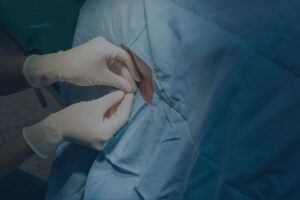

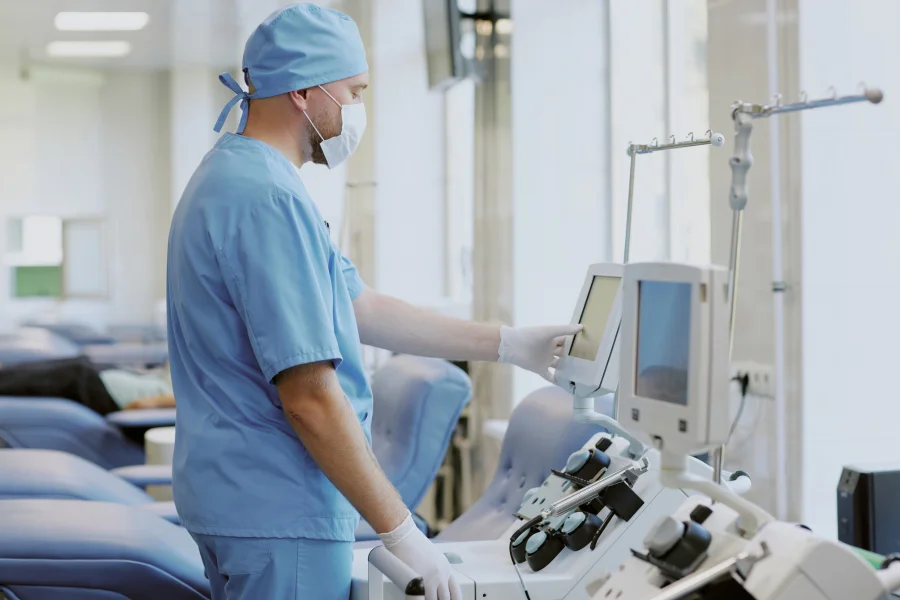
Medical devices are used throughout modern healthcare to diagnose conditions, monitor patients, deliver medication, perform procedures, support mobility, and even keep patients alive. When used correctly, these tools can make care safer and more effective.
But a device does not have to be defective to cause harm. Injuries can also result from improper use, poor maintenance, contamination, incorrect calibration, inadequate training, or failure to follow safety procedures. Doctors, nurses, technicians, hospitals, and other healthcare providers may all play a role. If you were harmed because medical equipment was used improperly, Shebell & Shebell’s medical malpractice attorneys in New Jersey can help review what happened. This guide explains common forms of medical device misuse, the equipment involved, potential injuries, responsibility, evidence, and possible legal claims.
What is Medical Device Misuse?
Medical device misuse occurs when a healthcare professional or facility improperly operates, handles, maintains, cleans, monitors, or uses medical equipment in a way that causes or contributes to patient harm.
Misuse can happen in many ways. A provider may accidentally operate equipment incorrectly, skip an important step, ignore manufacturer instructions, use a device in an inappropriate situation, or fail to recognize that the equipment is damaged or malfunctioning.
Other examples include:
- Improper calibration
- Poor maintenance
- Inadequate sterilization
- Using damaged equipment
- Selecting incorrect device settings
- Continuing to use equipment despite known problems
- Failing to inspect equipment before use
The specific mistake depends heavily on the device and the type of care being provided.
Medical Device Misuse vs. a Defective Medical Device
Medical device misuse and defective medical devices are related, but they are not the same thing.
With medical device misuse, the equipment itself may function properly, but a healthcare provider uses, maintains, cleans, or monitors it incorrectly.
With a defective medical device, the problem may originate with the product itself. Examples can include a defective design, manufacturing problem, inadequate warning, or improper labeling.
Some cases involve both. A device may have a defect while a healthcare provider also fails to recognize the problem or continues using it after warning signs appear. Depending on the circumstances, this can create both medical malpractice and product liability issues.
What Types of Medical Devices Can Be Misused?
Medical device misuse can involve equipment ranging from basic hospital tools to sophisticated electronic systems.
Examples include:
- Surgical instruments
- Catheters and drains
- Infusion pumps
- Ventilators
- Patient monitors
- Blood pressure equipment
- Blood glucose monitors
- Endoscopes
- MRI and CT equipment
- Radiation-treatment equipment
- Dialysis equipment
- Pacemakers and implanted devices
- Joint replacements and surgical hardware
- Hospital beds and patient lifts
- Wheelchairs and stretchers
- Forceps and vacuum extractors
- Medication-delivery devices
A simple device can cause serious harm if it is used incorrectly. More complex equipment may create additional risks when staff are not properly trained, settings are entered incorrectly, or problems with the device are missed.
Common Examples of Medical Device Misuse
Medical device misuse can happen before, during, or after treatment. Some errors involve the person operating the device, while others result from failures in training, maintenance, sterilization, or hospital safety procedures.
Improper Operation of Medical Equipment
Healthcare providers are expected to understand how the equipment they use works and to operate it according to appropriate procedures.
Errors may include:
- Using the device incorrectly
- Selecting the wrong setting
- Skipping required steps
- Operating equipment outside appropriate parameters
- Failing to recognize a malfunction
- Using equipment for an inappropriate purpose
For example, an infusion pump programmed incorrectly may deliver too much or too little medication. A patient monitor may provide little protection if staff ignore alarms or do not respond to abnormal readings.
Poor Training or Supervision
Complex medical equipment should generally be used by personnel who understand how to operate it safely.
Problems can arise when:
- Staff receive inadequate training
- Employees use unfamiliar equipment
- Supervision is insufficient
- Competency checks are not performed
- New equipment is introduced without adequate instruction
A device may function exactly as intended and still cause harm if the person operating it does not know how to use it correctly.
Improper equipment use may also overlap with broader nursing mistakes; learn more in our guide to nursing negligence.
Failure to Maintain or Repair Equipment
Medical equipment needs regular inspection and maintenance.
Negligence may involve:
- Missing scheduled inspections
- Failing to repair broken components
- Using worn or damaged equipment
- Ignoring repeated malfunctions
- Continuing to use equipment that should have been removed from service
Maintenance failures can be especially dangerous when equipment is responsible for monitoring vital signs, delivering medication, assisting breathing, or supporting a patient during surgery.
Incorrect Calibration or Settings
Some medical devices must be calibrated or programmed accurately before they can be relied upon.
Incorrect settings may lead to:
- Inaccurate blood-pressure readings
- Incorrect glucose measurements
- Medication-delivery errors
- Improper radiation doses
- Inaccurate monitoring data
- Incorrect treatment decisions
Even a small programming or calibration error can become serious when healthcare providers rely on the resulting information to make treatment decisions.
Improper Sterilization or Contamination
Medical equipment that comes into contact with patients must be cleaned, disinfected, or sterilized appropriately depending on the device.
Potential errors include:
- Poor cleaning
- Inadequate disinfection
- Reusing equipment intended for single use
- Contaminated surgical instruments
- Improper storage
- Cross-contamination between patients
Contaminated devices can expose patients to infections that may require antibiotics, additional surgery, prolonged hospitalization, or emergency treatment.
Serious contamination and equipment errors may fall within the broader category of highly preventable medical mistakes discussed in our guide to never events and preventable medical errors.
Using the Wrong Device or Using It Incorrectly During a Procedure
Medical professionals must also select and use appropriate equipment for the procedure being performed.
Examples may include:
- Using the wrong surgical instrument
- Selecting the wrong implant or equipment
- Improper use of forceps or vacuum extractors
- Incorrect catheter placement
- Improper positioning of medical equipment
- Using procedural equipment in an unsafe manner
These errors can cause internal injuries, bleeding, infection, nerve damage, or the need for additional treatment.
Procedural mistakes can take many forms; for another example, read our guide to wrong-site surgery.
Medical Device Misuse During Specific Types of Care
Medical devices are used across nearly every area of medicine, but certain settings involve especially complex equipment or a high degree of precision.
Surgery
Surgical procedures may involve:
- Surgical instruments
- Cautery equipment
- Robotic or powered tools
- Patient monitors
- Implants
- Specialized positioning equipment
Misuse can include improper settings, incorrect technique, broken instruments, failure to recognize equipment problems, or improper placement of an implant.
Equipment can also create complications when a broken component or instrument fragment is not recognized during the procedure.
Anesthesia and Pain Management
Anesthesia and pain-management procedures often depend on equipment that delivers medication and continuously monitors the patient.
Devices may include:
- Infusion pumps
- Anesthesia monitors
- Medication-delivery systems
- Needles
- Catheters
- Epidural equipment
Errors involving dosage, placement, programming, or monitoring can lead to serious complications.
Problems involving epidural equipment, placement, dosage, and patient monitoring are covered further in our guide to epidural injection negligence.
Diagnostic and Monitoring Equipment
Doctors and nurses rely heavily on equipment to identify medical problems and monitor changes in a patient’s condition.
Errors may involve:
- Faulty readings
- Incorrect calibration
- Improper equipment placement
- Incorrect interpretation of results
- Failure to respond to alarms
- Failure to recognize a malfunction
When inaccurate information goes unnoticed, patients may receive the wrong treatment or experience dangerous delays in care.
Labor and Delivery
Medical devices are also commonly used during labor and delivery.
These may include:
- Fetal monitors
- Forceps
- Vacuum extractors
- Infusion pumps
- Anesthesia equipment
Improper operation or monitoring can create risks for both the mother and baby. Examples may include improper use of forceps or vacuum equipment, incorrect medication delivery, or failure to respond when fetal monitoring indicates possible distress.
What Injuries Can Medical Device Misuse Cause?
The harm caused by medical device misuse depends on the equipment involved, how it was used, and how quickly the problem was recognized.
Potential injuries may include:
- Infection or sepsis
- Internal injuries
- Hemorrhage
- Medication overdose or underdose
- Incorrect treatment
- Delayed diagnosis
- Nerve damage
- Organ damage
- Additional surgery
- Extended hospitalization
- Chronic pain
- Disability
- Neurological injury
- Wrongful death
For example, a contaminated instrument may cause infection, while an incorrectly programmed infusion pump may deliver the wrong medication dose. Faulty monitoring equipment can create a different problem by delaying recognition of a patient’s deteriorating condition.
Who May Be Responsible for Medical Device Misuse?
Responsibility depends on what went wrong and who controlled the device, its maintenance, or the patient’s care.
Doctors and Surgeons
Doctors and surgeons may be responsible when they improperly select, operate, position, or use medical equipment during treatment or a procedure.
Liability may also arise when a provider recognizes a problem with equipment but continues using it or fails to respond appropriately.
Nurses and Other Medical Staff
Nurses, technicians, and other healthcare workers may be involved when an injury results from:
- Improper device operation
- Medication-delivery errors
- Incorrect settings
- Poor monitoring
- Failure to follow instructions
- Failure to report a malfunction
The specific standard of care depends on the provider’s role and the circumstances.
Hospitals and Healthcare Facilities
A hospital or other facility may also bear responsibility when broader safety failures contribute to the injury.
Examples can include:
- Inadequate staff training
- Poor equipment maintenance
- Missed inspections
- Weak sterilization procedures
- Inadequate supervision or staffing
- Failure to remove unsafe equipment from service
- Failure to respond to recalls or safety warnings
These cases may involve both an individual provider’s actions and failures in the facility’s systems or procedures.
Manufacturers and Distributors
Sometimes the problem is not how the device was used but the device itself.
A manufacturer or distributor may become relevant when the injury involves a defective design, manufacturing defect, inadequate warning, or improper labeling.
Determining who may be responsible usually starts with one question: why did the device cause harm?
Proving Medical Device Misuse in New Jersey
Medical device cases can be highly technical. Medical records and equipment-related documentation can help show how the device was used and where the breakdown occurred.
Important Evidence
Potential evidence may include:
- Medical records
- Procedure notes
- Nursing records
- Device identification information
- Equipment logs
- Maintenance records
- Calibration records
- Sterilization logs
- Incident reports
- Staff training materials
- Manufacturer instructions
- Recall notices or safety warnings
- Photographs or video
These records may help determine whether the device malfunctioned, was maintained improperly, or was simply used incorrectly.
Medical Expert Review
Medical or technical experts may be needed to explain:
- How the device should have been used
- Whether accepted medical procedures were followed
- Whether maintenance or training was adequate
- Whether the misuse actually caused the patient’s injury
New Jersey malpractice cases also generally require an Affidavit of Merit from an appropriate licensed professional addressing whether the care fell outside acceptable professional standards. The statute generally calls for the affidavit within 60 days after the defendant files an answer, with a possible additional period of up to 60 days for good cause.
Frequently Asked Questions About Medical Device Misuse
What is Medical Device Misuse?
Medical device misuse occurs when medical equipment is improperly operated, handled, maintained, cleaned, monitored, or used in a way that causes or contributes to patient harm.
Is Improper Use of Medical Equipment Medical Malpractice?
It can be. If a healthcare provider uses equipment improperly, falls below the applicable standard of care, and causes an injury, the situation may support a medical malpractice claim.
What Are Common Examples of Medical Device Misuse?
Examples include incorrect settings, improper operation, poor sterilization, inadequate maintenance, failure to follow instructions, poor monitoring, and continued use of damaged equipment.
Can a Hospital Be Responsible for Improperly Maintained Equipment?
Potentially. A hospital’s role may become relevant when inadequate maintenance, inspections, training, sterilization, or other facility procedures contribute to an injury.
What is the Difference Between Device Misuse and a Defective Medical Device?
Misuse generally involves a problem with how the device was handled or operated. A defective-device case focuses on a problem with the product’s design, manufacture, labeling, or warnings.
What Evidence Can Prove Medical Device Misuse?
Evidence may include medical records, equipment logs, maintenance and calibration records, incident reports, training materials, manufacturer instructions, device information, and expert opinions.
Conclusion
Medical devices are essential to modern healthcare, but improper operation, contamination, poor maintenance, incorrect calibration, or inadequate training can turn useful equipment into a serious patient-safety risk. Whether the resulting injury involves medical malpractice, product liability, or both depends on why the device failed to provide safe care.
If you believe improper use of medical equipment caused you or a loved one serious harm, Shebell & Shebell’s medical malpractice attorneys in New Jersey can review what happened and help determine your legal options.