
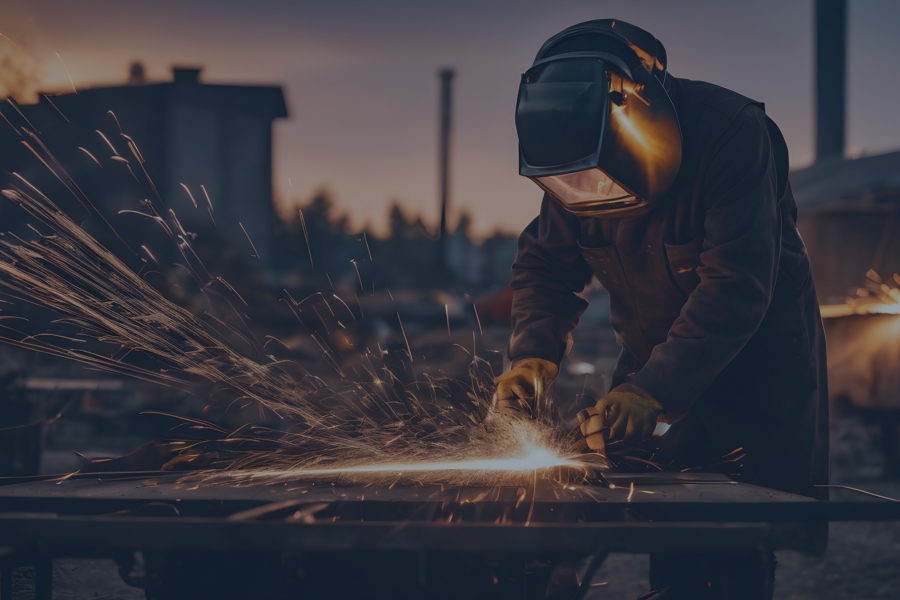
Welding is used throughout New Jersey construction, manufacturing, industrial, maintenance, repair, and metal fabrication work. Welders help build, repair, cut, join, and reinforce metal structures, equipment, machinery, vehicles, pipes, platforms, and jobsite materials.
For experienced workers, welding may feel routine. But the work involves serious hazards, including extreme heat, electrical current, toxic fumes, bright UV light, sparks, hot metal, gas cylinders, and fire risks.
A welding accident can cause severe burns, eye injuries, lung damage, electrical shock, falls, hearing loss, neurological problems, permanent disability, and fatal injuries. Some injuries happen immediately. Others develop over time from repeated exposure to fumes, noise, UV radiation, or unsafe work conditions.
An injured welder may have a workers’ compensation claim, but that may not be the only legal issue. A separate construction accident, product liability, or third-party claim may also exist if unsafe equipment, defective protective gear, poor ventilation, negligent contractors, or another company contributed to the accident.
If you were injured in a welding accident at work, speak with our construction accident attorneys in New Jersey about your workers’ compensation and potential third-party claim options.
Injured in a Welding Accident in New Jersey?
Welding accidents can happen on construction sites, manufacturing floors, shipyards, warehouses, industrial facilities, repair shops, commercial properties, and public works projects.
A worker may be injured while welding, cutting, brazing, grinding, repairing equipment, working near welding operations, or helping another trade in the same area. Sometimes the injured worker is the welder. Other times, a nearby employee, subcontractor, or laborer is hurt because welding work was not properly controlled.
Some welding injuries happen in one sudden incident, such as an explosion, fire, flash burn, electrical shock, or fall. Others build over time from repeated exposure to welding fumes, loud noise, poor ventilation, intense light, or unsafe work practices.
Either way, these injuries should be taken seriously. A burn, eye injury, breathing problem, or electrical shock can become much more serious than it first appears.
Common Types of Welding Work Involved in Accidents
Different welding processes create different risks, but all welding work requires proper training, safe equipment, ventilation, and protective gear.
Arc Welding
Arc welding uses electrical current to create the heat needed to join metal. This process can expose workers to electrical shock, sparks, burns, ultraviolet radiation, and intense light that can damage the eyes.
Arc welding accidents may involve damaged cables, faulty grounding, missing eye protection, unsafe positioning, or poor ventilation.
Oxy-Fuel Welding and Cutting
Oxy-fuel welding and cutting use torches, oxygen, and fuel gases to cut or join metal. These jobs create major fire and explosion risks when cylinders, hoses, regulators, or torches are not handled properly.
Gas leaks, leftover vapors, flammable materials, poor storage, and lack of fire watch procedures can all make oxy-fuel work dangerous.
Brazing and Soldering
Brazing and soldering may involve lower temperatures than some welding methods, but they can still cause serious injuries.
Workers may be exposed to burns, fumes, toxic materials, eye hazards, and unsafe ventilation. These jobs can be especially risky in tight areas or when workers are handling unfamiliar metals, coatings, or chemicals.
Resistance Welding
Resistance welding uses heat and pressure to join metal. Injuries may involve electrical hazards, burns, pinch points, crush injuries, and equipment malfunction.
Workers may be hurt when machine guards are missing, equipment is poorly maintained, or they are not trained on safe operation.
Laser and Electron Beam Welding
Laser and electron beam welding involve high-energy equipment and specialized safety risks. These processes may cause eye injuries, burns, radiation exposure concerns, and injuries from poorly guarded equipment.
Workers using or working near this equipment should receive specific training and proper protection.
Welding on Galvanized or Stainless Steel Materials
Welding on galvanized, stainless steel, or coated metals can create dangerous fumes. These fumes may irritate the lungs, affect breathing, or contribute to more serious long-term health problems.
Proper ventilation and respiratory protection are especially important when workers are welding materials that release toxic fumes or metal particles.
How Welding Accidents Happen
Many welding injuries are preventable. They may happen because of unsafe equipment, lack of training, poor supervision, missing protective gear, poor ventilation, or dangerous jobsite conditions.
Inadequate Ventilation
Welding produces fumes and gases that can be dangerous when workers breathe them in. Poor ventilation can be especially hazardous in confined spaces, enclosed rooms, tanks, basements, ship areas, or areas without proper airflow.
Inhaling welding fumes may cause breathing problems, lung irritation, dizziness, headaches, and long-term respiratory or neurological concerns. Workers should not be expected to weld in poorly ventilated areas without proper controls and respiratory protection.
Missing or Defective Protective Gear
Welders rely on protective gear to reduce the risk of burns, eye injuries, respiratory damage, hearing loss, and skin injuries.
This may include welding helmets, face shields, goggles, gloves, flame-resistant clothing, aprons, respirators, and ear protection. If protective gear is missing, poorly fitted, defective, damaged, or not suitable for the job, a worker may be exposed to hazards that should have been controlled.
Fires and Explosions
Sparks, hot slag, open flames, flammable materials, gas leaks, vapors, and oxygen or fuel cylinders can create serious fire and explosion risks.
A welding area should be checked for combustible materials, unsafe gas storage, poor ventilation, and ignition hazards. Fire watch procedures may also be needed when sparks or heat can spread beyond the immediate work area.
Electrical Shock
Electrical shock injuries may happen when welding equipment is damaged, improperly grounded, or used in wet or unsafe conditions.
Damaged cables, faulty connections, poor grounding, exposed wires, and defective machines can all increase the risk. Electrical shock may cause burns, nerve damage, heart issues, falls, and other serious injuries.
Equipment Failure
Welding equipment must be properly maintained and inspected. A failure involving a welder, torch, hose, regulator, gas cylinder, ventilation system, helmet, eye protection, or safety device can lead to serious harm.
Equipment issues may cause fire, explosion, burns, toxic exposure, flash injuries, or loss of control. When defective or poorly maintained equipment contributes to an injury, the equipment itself may become important evidence.
Falls During Welding Work
Welders often work from scaffolds, ladders, lifts, roofs, beams, platforms, or elevated structures. A worker may fall because of poor fall protection, unsafe footing, bad lighting, equipment placement, electrical shock, or the need to weld in an awkward position.
Falls can cause fractures, back injuries, head injuries, spinal injuries, and fatal harm.
Lack of Training or Supervision
Welding work requires proper instruction. Workers should understand the equipment, the materials being welded, the fire risks, ventilation needs, electrical hazards, PPE requirements, and emergency procedures.
Poor supervision can also create dangerous conditions. Contractors or supervisors may fail to enforce safety rules, provide protective gear, inspect equipment, control fumes, or keep other workers away from welding hazards.
Common Welding Accident Injuries
Welding injuries may be immediate, cumulative, visible, or internal. Some injuries are obvious right away, while others may develop after repeated exposure or worsen over time.
Severe Burns
Burns are among the most common welding injuries. Workers may be burned by hot metal, sparks, slag, torches, flames, electrical current, or flash exposure.
Severe burns may require emergency treatment, surgery, skin grafting, infection care, and long-term rehabilitation. Serious burns can also leave permanent scarring, pain, and loss of movement.
Eye Injuries and Vision Loss
Welding can cause eye injuries through intense light, UV radiation, sparks, debris, and defective or missing eye protection.
Workers may suffer arc eye, flash burns, corneal burns, cataracts, blurred vision, light sensitivity, or permanent vision damage. Even brief exposure can be painful, and repeated or severe exposure can have lasting consequences.
Lung Damage and Toxic Fume Exposure
Welding fumes can irritate the lungs and expose workers to hazardous metals, gases, and particles.
Workers welding galvanized metal, stainless steel, coated materials, or in poorly ventilated areas may face respiratory injuries and long-term disease concerns. Symptoms may include coughing, shortness of breath, chest tightness, dizziness, and ongoing breathing problems.
Electrical Injuries
Electrical injuries may cause burns, nerve damage, heart rhythm issues, muscle injuries, and secondary injuries from falls.
A worker who receives an electrical shock may also lose balance, fall from height, or strike nearby equipment.
Hearing Loss
Welding may take place in loud industrial or construction environments. Grinding, cutting, machinery, ventilation systems, and other trades working nearby can all contribute to dangerous noise exposure.
Without proper hearing protection, workers may suffer gradual or permanent hearing loss.
Neurological Injuries
Some welding exposures may be linked to neurological symptoms, especially when workers are repeatedly exposed to toxic fumes without proper protection.
Depending on the materials involved, workers may experience tremors, weakness, numbness, coordination problems, headaches, or other neurological concerns. These cases often require careful medical documentation and exposure history.
Falls, Fractures, and Crush Injuries
Welders may be injured in falls, struck-by accidents, crush incidents, or equipment-related accidents while working in elevated or industrial settings.
A welding-related fall or equipment accident may cause broken bones, spinal injuries, head injuries, shoulder injuries, knee injuries, or other serious trauma.
Fatal Welding Accidents
Welding accidents can be fatal when they involve explosions, fires, electrical incidents, falls, toxic exposure, confined spaces, or catastrophic equipment failures.
Families may have legal options after a fatal welding accident, including workers’ compensation death benefits and potential third-party claims depending on what happened.
What to Do After a Welding Accident
The steps taken after a welding accident can affect medical care, wage benefits, and any potential third-party claim.
Get Medical Treatment Immediately
Get medical treatment right away after a welding accident. Burns, eye injuries, toxic inhalation, electrical shock, and internal injuries can worsen quickly or become more serious than they first appear.
Medical records help document the injury, treatment, work restrictions, and connection to the accident or exposure.
Report the Accident
Report the welding accident to a supervisor, foreman, employer, contractor, or site manager as soon as possible.
Explain what happened, where it happened, what work was being performed, what equipment was involved, and what symptoms or injuries you experienced. Written documentation can help create a clearer record.
Document the Welding Area and Equipment
If possible, document the work area before conditions change.
Helpful information may include:
- Photos of the work area
- Welding machine, torch, hoses, cylinders, cables, and regulators
- Helmet, goggles, respirator, gloves, clothing, and other PPE
- Ventilation setup
- Materials being welded
- Confined space conditions
- Fire or explosion damage
- Witness names
- Training records
- Safety complaints
- Maintenance or inspection issues
This evidence can help explain whether equipment failure, missing protection, poor ventilation, or unsafe jobsite conditions contributed to the accident.
Preserve Equipment and Protective Gear
Welding equipment and protective gear may be important evidence if a malfunction, defective design, poor maintenance, or inadequate protection contributed to the injury.
Do not allow welding machines, PPE, gas cylinders, hoses, helmets, respirators, gloves, goggles, or other items to be discarded, repaired, returned, or replaced before they can be evaluated.
Keep Medical and Employment Records
Keep copies of treatment records, diagnoses, work restrictions, incident reports, missed time, pay information, and communications with supervisors or insurers.
These records can help show what happened, how the injury affected your ability to work, and what benefits may be owed.
Contact an Attorney
Legal help may be important when the injury is serious, the employer disputes the claim, equipment failed, PPE was defective, ventilation was inadequate, or another contractor was involved.
An attorney can help preserve evidence, identify the parties involved, review safety issues, organize medical records, and protect workers’ compensation and potential third-party claim options.
Workers’ Compensation After a Welding Accident
Workers’ compensation may provide benefits if a welding injury happened while you were performing your job duties. This may apply whether the injury happened in one sudden accident or developed from repeated exposure to fumes, heat, noise, or unsafe work conditions. Learn more about workers’ compensation in New Jersey here.
Medical Benefits
Workers’ compensation may cover medical care related to the welding injury. This can include emergency treatment, burn care, eye care, respiratory treatment, imaging, surgery, physical therapy, medication, specialist visits, and follow-up care.
Temporary Disability Benefits
Temporary disability benefits may be available if you cannot work while recovering. For welders, this may mean being unable to weld, lift, climb, use tools, work around fumes, or return to other physical job duties.
Permanent Disability Benefits
Permanent disability benefits may apply when a welding injury leaves lasting limitations. This may include permanent vision loss, lung damage, nerve damage, chronic pain, scarring, hearing loss, reduced mobility, or other long-term effects.
Death Benefits
If a welding accident causes a fatal workplace injury, certain surviving family members may have rights to workers’ compensation death benefits.
Welding Accidents and Third-Party Claims
Workers’ compensation may not be the only available claim after a welding accident. A separate third-party claim may exist if someone outside your employer caused or contributed to the injury.
This may involve a manufacturer that produced defective welding equipment, a PPE company that supplied defective helmets or respirators, a rental company that provided unsafe equipment, or a maintenance company that performed unsafe repairs.
A third-party claim may also involve a general contractor, subcontractor, or property owner that failed to control fire hazards, fall hazards, ventilation problems, unsafe materials, damaged hoses, gas cylinders, or dangerous work areas.
These claims matter because they may allow recovery for losses not fully available through workers’ compensation, depending on the facts.
Who May Be Responsible for a Welding Accident?
Several parties may need to be reviewed after a serious welding injury.
The Employer
An employer may be responsible for failures involving training, supervision, PPE, ventilation, equipment inspection, fire safety, and safe work procedures.
General Contractors and Subcontractors
General contractors and subcontractors may be involved if they controlled the worksite, created unsafe conditions, failed to coordinate trades, or ignored welding hazards.
Equipment and PPE Manufacturers
Manufacturers may be involved if defective welding machines, helmets, goggles, respirators, gloves, rods, cables, regulators, torches, cylinders, or safety devices contributed to the injury.
Equipment Rental and Maintenance Companies
Rental or maintenance companies may be responsible if welding equipment was rented in unsafe condition, poorly maintained, improperly repaired, or returned to service despite known problems.
Property Owners
A property owner may be involved if they controlled the worksite, knew about hazards, or failed to address unsafe conditions that contributed to the accident.
Welding Safety Failures on Jobsites
Many welding accidents involve preventable safety failures. These issues can help show how the accident happened and who may have contributed to it.
Common safety failures include poor ventilation, missing eye protection, no respiratory protection, unsafe work in confined spaces, missing fire watch, flammable materials near welding work, damaged cables or hoses, unsafe gas cylinder storage, lack of protective screens, no fall protection for elevated welding, poor training, inadequate supervision, defective equipment, pressure to work too quickly, and failure to remove unsafe equipment from service.
The point is not to blame the injured worker. It is to understand whether the worksite, equipment, supervision, or safety planning failed.
What If the Welding Accident Claim Is Denied?
A denied welding accident claim does not necessarily mean the case is over.
Claims may be denied because the employer says the injury was not reported, the insurer disputes whether the injury happened at work, or the company claims symptoms are unrelated. Welding cases can also become difficult when toxic exposure is hard to prove, medical treatment is delayed, PPE or equipment evidence is missing, another contractor controls key evidence, employment status is questioned, or the insurer disputes the disability level.
These issues may be challenged with medical records, witness statements, worksite evidence, equipment records, exposure history, and proper legal support. Read more about what to do after a workers’ compensation claim is denied.
How Shebell & Shebell Helps Welding Accident Victims
Shebell & Shebell helps injured workers understand their rights after serious welding accidents.
The firm can investigate how the welding accident happened, review the welding equipment and PPE involved, preserve equipment and safety gear as evidence, and examine ventilation, fire safety, and worksite conditions.
Shebell & Shebell can also gather witness statements, review training and supervision, organize medical documentation, protect medical and wage benefits, identify outside contractors or companies, review defective product and third-party claims, and address denied or delayed workers’ compensation benefits.
Frequently Asked Questions About Welding Accidents
Can I receive workers’ compensation for a welding injury?
Potentially, yes. If the injury happened while you were performing job duties, workers’ compensation may cover medical treatment, lost wages, and disability benefits.
What if I suffered eye damage from welding?
A welding-related eye injury may qualify for workers’ compensation if it happened at work. A third-party claim may also be possible if defective eye protection or unsafe conditions contributed.
Can I file a claim for toxic fume exposure?
Potentially, yes. Welding fumes, poor ventilation, and hazardous materials may support a claim if medical evidence connects the condition to the work exposure.
What if welding equipment failed?
Equipment failure may support a workers’ compensation claim and possibly a third-party claim against a manufacturer, rental company, maintenance company, or contractor.
Can I sue if defective PPE caused my injury?
Possibly. If defective goggles, helmets, respirators, gloves, ear protection, or protective clothing contributed to the injury, a product liability claim may need to be reviewed.
What if another contractor caused the welding accident?
You may still have a workers’ compensation claim. A separate third-party claim may also exist if another company’s worker or unsafe practice contributed to the accident.
Can I file both a workers’ compensation claim and a third-party claim?
Possibly. Workers’ compensation may apply to the job injury, while a separate claim may exist against a manufacturer, contractor, property owner, rental company, maintenance company, or another outside party.
Talk to a Welding Accident Attorney in New Jersey
Welding accidents can cause severe injuries involving burns, vision loss, lung damage, electrical shock, toxic exposure, falls, and permanent disability.
These cases may involve workers’ compensation, defective equipment, inadequate PPE, unsafe ventilation, negligent contractors, property owners, manufacturers, or other third parties.
Contact Shebell & Shebell today to speak with our construction accident attorneys in New Jersey about your welding accident, workers’ compensation benefits, and potential third-party claim.