

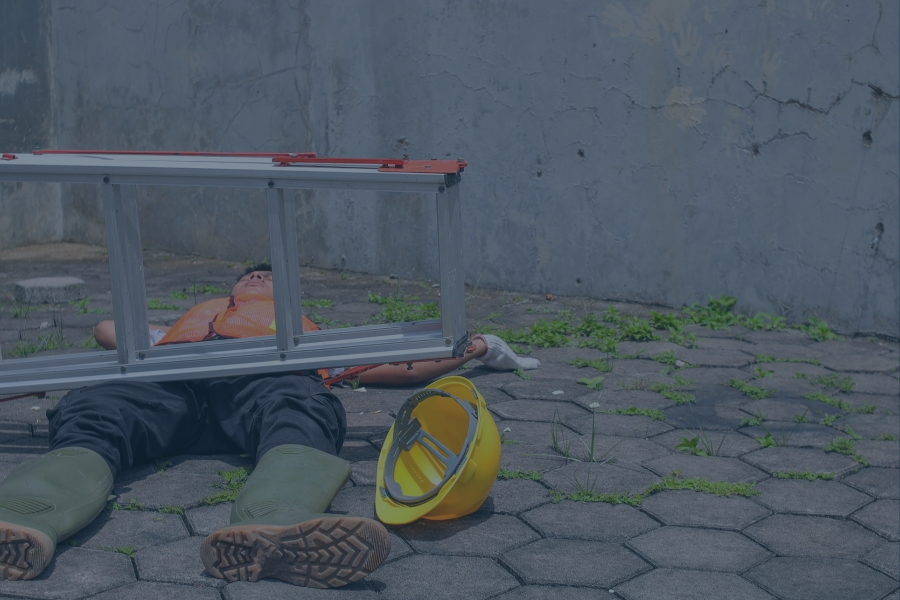
Ladders are used every day by construction workers, roofers, electricians, painters, maintenance workers, warehouse employees, contractors, and other trades throughout New Jersey. They are common on jobsites, but that does not make them safe in every situation.
A ladder may seem like basic equipment, but a fall can cause serious injuries. Workers may suffer broken bones, head injuries, spinal injuries, shoulder injuries, nerve damage, paralysis, or fatal harm. Even a fall from a lower height can be serious when a worker lands on concrete, tools, debris, rebar, equipment, or uneven ground.
A ladder accident claim may involve workers’ compensation, but that is not always the only issue. A separate construction accident or third-party claim may also exist if unsafe equipment, poor supervision, a defective ladder, unsafe placement, or another company contributed to the fall.
If you were injured in a ladder accident at work, speak with our construction accident attorneys in New Jersey about your workers’ compensation and potential third-party claim options.
Injured in a Ladder Accident in New Jersey?
Ladder accidents can happen on construction sites, roofing jobs, commercial properties, warehouses, maintenance projects, residential jobsites, and public works locations.
The injured person may be the worker using the ladder. In other cases, a nearby coworker, subcontractor, or another person may be injured when a ladder falls, shifts, collapses, or knocks someone into an active work area.
These accidents should not be brushed off as simple falls. A worker who can stand or walk after the accident may still have a concussion, fracture, back injury, torn ligament, internal injury, or worsening pain that becomes more obvious later.
Common Ladder Accident Scenarios
Many ladder accidents are preventable. They often happen when workers are given the wrong ladder, unsafe equipment, poor training, or an unsafe work area.
Ladder Falls
A worker may fall from a ladder after slipping, overreaching, losing balance, or being forced to work from an unsafe position. Falls can also happen when a worker is required to perform a task at height without the right ladder, scaffold, lift, or fall protection.
Ladder Tip-Overs
A ladder may tip when it is placed on uneven ground, soft surfaces, slick floors, debris, ramps, or areas with nearby traffic or vibration. Once the ladder begins to shift, the worker may have little time to react.
Ladder Slips or Kicks Out
A ladder can slide at the base or shift away from the wall or work surface. This may happen because of a poor angle, missing slip-resistant feet, wet ground, improper setup, or failure to secure the ladder.
Ladder Collapses
Old, damaged, overloaded, poorly maintained, or defective ladders may collapse during use. A ladder may also fail if it is not rated for the worker, tools, materials, or task being performed.
Broken or Loose Rungs
Loose, cracked, slippery, or compromised rungs can cause a worker to lose footing while climbing, descending, or working from the ladder. Even one damaged rung can create a serious fall hazard.
Electrical Contact Accidents
Metal ladders or improperly placed ladders can contact power lines, electrical equipment, exposed wiring, or energized surfaces. These accidents may cause electric shock, burns, falls, or fatal injuries.
Falling Objects and Falling Workers
A ladder accident may also injure others nearby. Tools, materials, the ladder itself, or the worker may fall into an active work area and strike another person.
Types of Ladders Involved in Worksite Accidents
Different jobs require different ladders. When the wrong ladder is used, or when a ladder is poorly maintained or improperly placed, the risk of injury increases.
Step Ladders
Step ladders are common on jobsites, maintenance projects, and indoor work areas. Injuries may happen when a worker stands on the top step, overreaches, sets the ladder on an unstable surface, or uses a ladder that is not fully locked open.
Extension Ladders
Extension ladders are often used for roof access, exterior work, and elevated tasks. They must be set at a safe angle, properly secured, and tall enough for the job. If the ladder is too short, placed incorrectly, or not stabilized, it may slip, shift, or kick out.
A-Frame Ladders
A-frame ladders may become unsafe if they are not fully opened, not locked, placed on uneven ground, or used as a straight ladder. These mistakes can cause the ladder to fold, wobble, or tip.
Roofing Ladders
Roofing ladders involve added risks because workers may be dealing with steep surfaces, roof edges, weather conditions, and poor anchoring. A ladder problem near a roofline can quickly become a catastrophic fall.
Platform and Rolling Ladders
Platform and rolling ladders are often used in warehouses, industrial settings, and maintenance work. Risks may involve unlocked wheels, missing guardrails, poor stability, uneven floors, or movement while the worker is elevated.
Fixed or Permanently Attached Ladders
Fixed ladders may be attached to buildings, tanks, machinery, rooftops, or industrial structures. These ladders can become dangerous when rungs are loose, rails are rusted, cages or fall protection are missing, or access points are poorly maintained.
Common Causes of Ladder Accidents
Ladder accidents are rarely “just falls.” The ladder’s condition, setup, footing, work environment, and jobsite supervision all matter.
Wrong Ladder for the Job
A worker may be given a ladder that is too short, not rated for the worker and materials, not appropriate for the surface, or not designed for the task. When the ladder is wrong from the beginning, the worker may be forced into unsafe positioning.
Improper Ladder Placement
Unsafe placement can make a ladder dangerous even if the ladder itself is not defective. Problems may include unsafe angles, slick surfaces, open doorways, active walkways, traffic areas, soft ground, or placement too close to electrical hazards.
Poor Footing or Unstable Surfaces
Ladders may become unstable when placed on mud, gravel, debris, uneven flooring, ice, wet surfaces, loose boards, or makeshift supports. A ladder should not depend on luck to stay steady.
Defective or Damaged Ladders
Cracked rails, broken rungs, missing feet, bent frames, worn locks, rust, loose hardware, and manufacturing defects can all lead to a fall. When defective or damaged equipment contributes to an injury, the ladder itself may become important evidence.
Lack of Training
Workers should be trained on ladder selection, setup, inspection, load limits, three-point contact, fall protection, electrical hazards, and when a ladder is not the right tool for the job. A worker who is not properly trained may be placed in a dangerous situation before the task even begins.
Lack of Supervision
Supervisors, contractors, and site managers may fail to inspect work areas, remove unsafe ladders, enforce safety rules, or provide safer equipment. Poor supervision can allow unsafe practices to continue until someone gets hurt.
Pressure to Work Too Quickly
Many ladder accidents happen when workers are rushed. A worker may be pushed to use whatever ladder is nearby, skip inspection, overreach, carry too much while climbing, or work from an unsafe position to finish the job faster.
Common Ladder Accident Injuries
The severity of a ladder injury depends on the height of the fall, the landing surface, the worker’s body position, objects struck during the fall, and whether the worker was carrying tools or materials.
Broken Bones and Fractures
Falls from ladders often cause fractures to the wrist, arm, ankle, leg, hip, ribs, or face. A worker may break a bone while trying to catch themselves, landing awkwardly, or striking equipment or debris.
Back, Neck, and Spinal Cord Injuries
A ladder fall can cause herniated discs, spinal fractures, nerve compression, chronic pain, or spinal cord injuries. In severe cases, a worker may suffer partial or total paralysis.
Head and Brain Injuries
Head injuries may include concussions, traumatic brain injuries, skull fractures, bleeding, dizziness, memory problems, and long-term cognitive symptoms. These injuries may not be fully obvious right away.
Shoulder, Knee, and Joint Injuries
Awkward landings can cause torn ligaments, dislocations, rotator cuff injuries, meniscus tears, and other joint damage. These injuries can make it difficult to climb, lift, carry, or return to physical work.
Foot and Ankle Injuries
A worker may injure a foot or ankle after landing on uneven ground, tools, debris, hard floors, or construction materials. These injuries can affect balance, walking, and the ability to stand for long periods.
Cuts, Bruises, and Soft Tissue Injuries
Cuts, bruises, sprains, strains, and soft tissue injuries may seem less serious at first, but they can still cause pain, swelling, limited movement, and time away from work.
Internal Injuries
A hard fall may cause internal bleeding, organ damage, chest trauma, or abdominal injuries. These injuries require immediate medical attention and may not be visible from the outside.
Fatal Ladder Accidents
Ladder falls can be fatal, especially on construction sites, roofs, elevated work areas, or places with exposed hazards below. Families may have legal options after a deadly work-related ladder accident.
What to Do After a Ladder Accident
What you do after a ladder accident can affect your health, your workers’ compensation claim, and any potential third-party case. Learn more about our dedicated worker’s compensation lawyers in New Jersey here.
Get Medical Treatment Right Away
Get medical care as soon as possible. Even if you can stand, walk, or finish the shift, some injuries worsen later.
Medical records help connect the injury to the accident. They also document your diagnosis, treatment needs, work restrictions, and recovery progress.
Report the Accident
Report the ladder accident to a supervisor, foreman, employer, contractor, or site manager as soon as possible. Explain where the fall happened, what ladder was involved, what you were doing, and what parts of your body were injured.
Verbal notice can help start the process, but written documentation creates a clearer record. Read more abou thow to report an injury at work.
Document the Ladder and Scene
If possible, document the ladder and work area before anything is moved, repaired, discarded, or replaced.
Helpful details may include:
- Photos of the ladder
- Ladder type, brand, model, and condition
- Rungs, feet, locks, rails, hinges, and stabilizers
- The surface where the ladder was placed
- Height and angle of the ladder
- Weather or ground conditions
- Tools or materials being carried
- Witness names
- Photos of injuries
- Prior complaints about the ladder
- Whether fall protection or safer equipment was available
You should also keep copies of medical records, work restriction notes, incident reports, pay information, missed work records, and communications with supervisors or insurance companies.
Preserve the Ladder
The ladder may be important evidence after a serious fall. If it was defective, damaged, poorly maintained, overloaded, or improperly supplied, its condition can help explain why the accident happened.
Do not allow the ladder to be discarded, repaired, altered, returned, or replaced before it can be inspected. Once a ladder is moved or fixed, it may become harder to show whether broken rungs, worn locks, missing feet, bent rails, poor traction, or another defect contributed to the fall.
If possible, take photos of the ladder, the surrounding area, and any visible damage before the jobsite changes.
Keep Medical and Employment Records
Keep copies of anything connected to the accident, your treatment, and your missed work.
Important records may include medical records, imaging results, work restrictions, incident reports, pay information, missed time from work, text messages or emails with supervisors, and insurance documents.
These records can help show when the accident happened, what injuries were diagnosed, what work limitations were assigned, and how the injury affected your income and ability to return to work.
Contact an Attorney
Legal help may be important if the injury is serious, the employer disputes what happened, another contractor was involved, or the ladder itself may be defective.
An attorney can help investigate the fall, preserve evidence, identify the companies involved, review jobsite safety issues, and protect your workers’ compensation and potential third-party claim options.
Workers’ Compensation After a Ladder Accident
Workers’ compensation may provide benefits when a ladder accident happens during employment, even if no one can immediately identify exactly who caused the fall.
The key issue is whether the injury happened while the worker was performing job duties. If it did, workers’ compensation may help cover medical care, lost wages, and disability benefits while the worker recovers.
Medical Benefits
Medical benefits may cover care related to the ladder accident. This can include emergency treatment, imaging, surgery, medication, physical therapy, injections, specialist treatment, and follow-up appointments.
Medical treatment also creates records that document the injury, recovery process, work restrictions, and any lasting limitations.
Temporary Disability Benefits
Temporary disability benefits may be available when a worker cannot perform construction, roofing, maintenance, warehouse, utility, or other physical work while recovering.
A ladder injury may make it unsafe to climb, lift, carry, bend, walk, stand for long periods, or use tools. These benefits are meant to replace part of the worker’s lost income during that recovery period.
Permanent Disability Benefits
Permanent disability benefits may apply when the worker has lasting limitations after medical treatment is complete.
This may involve chronic pain, reduced mobility, nerve damage, spinal injuries, reduced strength, loss of function, vision problems, or other permanent physical limitations.
For workers in physical trades, even a partial permanent limitation can affect the ability to return to the same job.
Death Benefits
If a ladder accident causes a fatal workplace injury, certain surviving family members may have rights under New Jersey workers’ compensation law.
Death benefits may help support eligible dependents after a deadly fall. These cases are serious and fact-specific, so families should speak with an attorney about their options.
Ladder Accidents and Third-Party Claims
Workers’ compensation may not be the only available claim after a ladder accident.
A third-party claim may exist when someone outside the employer caused or contributed to the fall. This matters because a third-party claim may allow recovery for losses that are not fully available through workers’ compensation, depending on the facts.
A third-party claim may involve:
- A ladder manufacturer that produced a defective ladder
- A distributor that supplied unsafe equipment
- A rental company that failed to inspect or maintain the ladder
- A general contractor that created unsafe work conditions
- Another subcontractor that caused the ladder to shift, fall, or become unsafe
- A property owner that failed to address a dangerous condition
- A maintenance company that failed to repair or inspect a fixed ladder
- A situation where safer equipment, scaffolding, lifts, or fall protection should have been provided
Because multiple companies may be present on a construction site, ladder accident cases often require a closer look at who controlled the ladder, the work area, and the safety procedures.
Who May Be Responsible for a Ladder Accident?
Responsibility depends on the facts of the accident. The ladder, worksite, employer, contractors, property owner, and equipment companies may all need to be reviewed.
The Employer
An employer may have failed to provide proper training, supervision, ladder inspection, protective equipment, fall protection, or safe jobsite procedures.
Employers should not allow workers to use damaged ladders, unstable setups, unsafe surfaces, or ladders that are not right for the job.
General Contractors and Subcontractors
A general contractor or subcontractor may be responsible if its worker, equipment, scheduling, cleanup failure, or unsafe practice contributed to the fall.
For example, another crew may leave debris around the ladder, move equipment nearby, fail to coordinate work areas, or create conditions that make the ladder unstable.
Ladder Manufacturers
A ladder manufacturer may be involved if the ladder had defective rails, rungs, locks, feet, hinges, stabilizers, warnings, load ratings, or design and manufacturing problems.
In those cases, preserving the ladder is especially important because the equipment itself may need to be inspected.
Equipment Rental and Maintenance Companies
Rental and maintenance companies may be responsible if a ladder was poorly maintained, rented in unsafe condition, or returned to service despite known defects.
Inspection records, repair history, and prior complaints may matter in these claims.
Property Owners
A property owner may be involved when they controlled the worksite, knew about unsafe conditions, or failed to address hazards that contributed to the fall.
This may include unsafe surfaces, poor access points, electrical hazards, or dangerous work areas.
Ladder Safety Failures on Construction Sites
Many ladder accidents involve basic safety failures rather than unavoidable events.
Common safety failures may include:
- Wrong ladder for the task
- Improper ladder angle
- Uneven or slippery ground
- Missing slip-resistant feet
- Broken or loose rungs
- Damaged locks or hinges
- No inspection before use
- No fall protection when required
- Unsafe work near electrical hazards
- Poor housekeeping around the ladder
- Workers carrying too much while climbing
- Lack of training
- Pressure to work too fast
- Failure to remove damaged ladders from service
Reviewing these safety failures is not about blaming the injured worker. It is about understanding whether the ladder, jobsite, supervision, training, or available safety equipment contributed to the accident.
What If the Employer Blames the Worker?
After a ladder accident, an employer or insurance company may argue that the worker overreached, used the ladder incorrectly, chose the wrong ladder, or caused the fall.
That does not automatically end the claim.
Workers’ compensation generally focuses on whether the injury arose from employment. A third-party case may require a deeper investigation into fault, but the worker’s actions are only one part of the story.
Important evidence may include ladder condition, ladder placement, training records, witness statements, jobsite rules, photos, inspection records, and prior complaints. Those details may show that the worker was not given the right ladder, was not properly trained, or was required to work under unsafe conditions.
What If the Ladder Accident Claim Is Denied?
A denied ladder accident claim does not necessarily mean the case is over.
Claims may be denied because:
- The employer says the accident was not reported
- The insurer says the worker was not on the job
- The company disputes the severity of the injury
- Medical treatment is delayed
- The employer claims the worker misused the ladder
- The insurer disputes whether the condition was caused by the fall
- Employment status is questioned
- Another contractor controls key evidence
- The ladder disappeared or was replaced after the accident
These issues can be challenged with the right evidence. Medical records, witness statements, photos, incident reports, worksite documents, and ladder inspection information may all help support the claim.
How Shebell & Shebell Helps Ladder Accident Victims
Shebell & Shebell helps injured workers understand their rights after serious ladder accidents.
The firm can investigate how the fall happened, identify the ladder type and condition, preserve the ladder as evidence, and review inspection and maintenance records.
Shebell & Shebell can also help with:
- Reviewing training and supervision
- Gathering witness statements
- Organizing medical documentation
- Protecting medical and wage benefits
- Identifying outside contractors or companies
- Reviewing defective product and third-party claims
- Addressing denied or delayed workers’ compensation benefits
Ladder accident cases can become complicated when multiple contractors, equipment companies, property owners, or insurers are involved. Legal guidance can help keep the claim focused and properly documented.
Frequently Asked Questions About Ladder Accidents
Can I receive workers’ compensation for a ladder accident?
Potentially, yes. If the fall happened while you were performing job duties, workers’ compensation may cover medical treatment, lost wages, and disability benefits.
What if the ladder was defective?
A defective ladder may support a product liability or third-party claim against a manufacturer, distributor, rental company, or maintenance company, depending on the facts.
What if a coworker or subcontractor caused my ladder to fall?
You may still have a workers’ compensation claim. A separate third-party claim may also exist if another company’s worker contributed to the accident.
Should I report a ladder fall if I think I am okay?
Yes. Some injuries worsen after the fall, and reporting creates a record of what happened.
Can I file a claim if I fell from a ladder at a construction site?
Potentially, yes. You may have workers’ compensation rights and, depending on who caused the unsafe condition, a third-party construction accident claim.
What if my employer says I used the ladder wrong?
Do not assume that ends your claim. The ladder, jobsite conditions, training, supervision, and available safety equipment should all be reviewed.
Can I file both a workers’ compensation claim and a third-party claim?
Possibly. Workers’ compensation may apply to the work injury, while a third-party claim may exist against a manufacturer, contractor, property owner, rental company, or another outside party.
Talk to a Ladder Accident Lawyer in New Jersey
Ladder accidents can cause serious injuries, especially when the ladder was defective, improperly placed, poorly maintained, or unsafe for the task.
These cases may involve workers’ compensation, construction accident claims, defective equipment, unsafe supervision, negligent contractors, property owners, rental companies, or other third parties.
Contact Shebell & Shebell today to speak with our construction accident attorneys in New Jersey about your ladder accident, workers’ compensation benefits, and potential third-party claim.