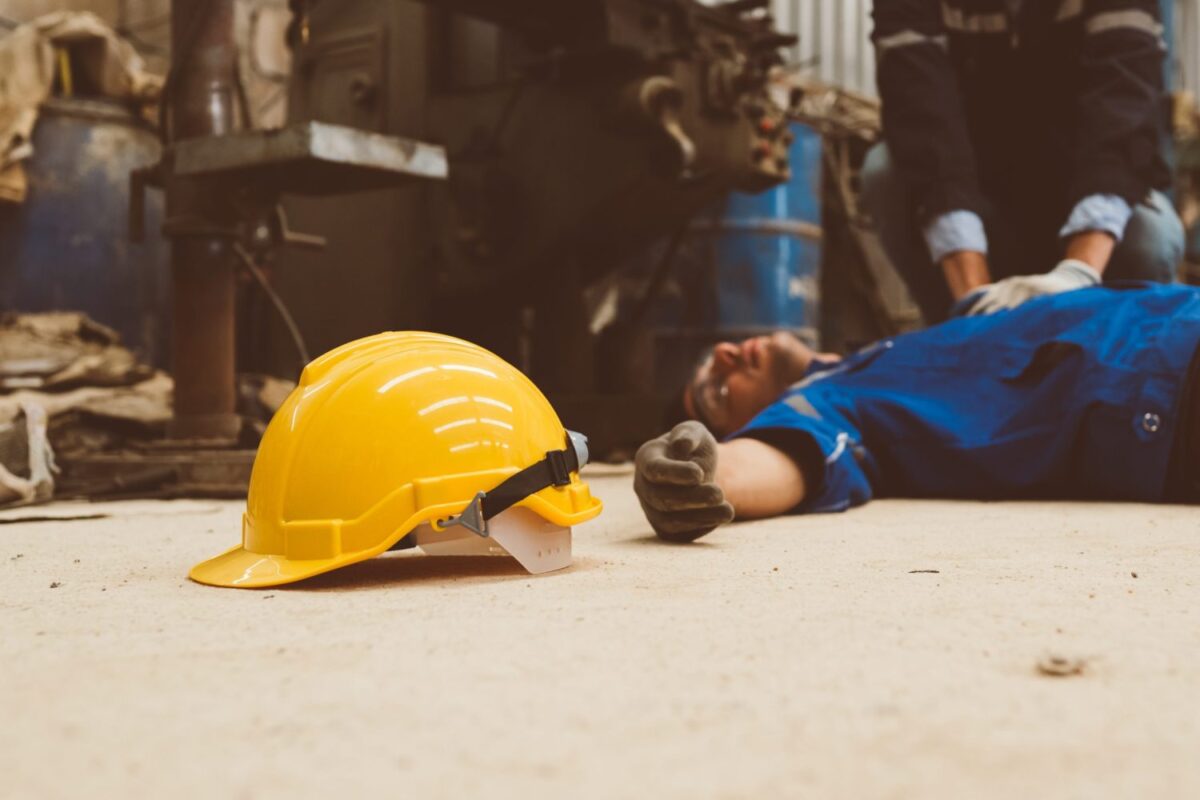
Over $200 Million Dollars in Verdicts & Settlements

If we don’t win, you don’t pay

Injuries from Lifting

Lifting heavy objects is an extremely common cause of workplace injuries, and they can happen anywhere. These injuries from lifting can be debilitating and painful, leaving individuals unable to work or maintain an active lifestyle that they once enjoyed. Whether it’s a strained muscle, a herniated disc, or a more severe spinal injury, the impact of an injury from lifting can be both physically and emotionally overwhelming.

If you hurt yourself lifting something at work, there is a good chance that you are entitled to workers compensation benefits. Even so, your employer’s workers’ compensation employer will do everything it can to minimize the benefits you actually receive. This is why you should always retain an experienced workers’ compensation lawyer in New Jersey after a workplace accident.

Read on to learn more about injuries related to lifting things and what you can do to protect your legal rights.

Common Injuries from Lifting

Male workers carry heavy rolls of fabric over their shoulders to move them into production and are at risk of injury from lifting too heavy loads

Lifting heavy objects can put significant strain on your body, especially if you didn’t receive training on the proper lifting techniques or if the weight exceeds your physical capabilities. Some of the most common injuries that can occur from lifting include:

Strained Muscles

One of the most frequent injuries caused by lifting are strained muscles. When you lift an object that is too heavy or use incorrect lifting techniques, microscopic tears can occur in your muscle fibers. This can result in pain, swelling, and a limited range of motion. Strained muscles can occur in various parts of the body, such as the back, shoulders, or legs.

Herniated Discs

Lifting heavy objects with improper technique can put excessive pressure on the spinal discs, which are the cushions between the vertebrae in your spine. This pressure can cause a disc to slip out of place or herniate, where the inner portion protrudes through the outer layer. A herniated disc can lead to intense pain, weakness, and numbness in your back and legs.

Spinal Injuries

Lifting heavy objects without proper precautions can also result in more severe spinal injuries. These injuries can range from fractures in the vertebrae to damage to the spinal cord. Spinal injuries can have long-lasting effects, including chronic pain and paralysis, and may require extensive medical treatment and rehabilitation.

Judge's hammer and a paper tag with the words workers' compensation.

If you have suffered an injury from lifting while at work, you should seek legal representation. Insurance companies do not want to give you the benefits you deserve, and there are many ways a lawyer can help. Some of the issues your lawyer can handle on your behalf include the following:

Challenges with Your Claim

Insurance companies will not simply grant every workers’ compensation claim filed. They ensure the injuries were work-related and determine the minimum benefits the company must provide. On the other hand, your priority should be maximizing your benefits, and having a legal advocate can greatly improve your position. An experienced workers’ comp lawyer can handle the workers’ compensation process and secure the benefits the law entitles you. They can provide evidence to prove the cause of your injuries and the benefits you need to cover medical care and lost income.

Product Liability Claims

In some cases, your injury from lifting may have been due to a defective product, such as a faulty lifting device or equipment. If this is the case, you might have a product liability claim against the manufacturer or distributor of the product. A attorney can oversee gathering evidence, filing a lawsuit, and seeking compensation for your injuries.

Third-Party Liability

If someone other than your employer or a product manufacturer was responsible for your lifting injury, you may have a personal injury claim against that third party. For example, if you were injured at a construction site due to the negligence of a subcontractor or another crew on the site, you may seek compensation from that party’s insurance coverage. A work injury lawyer near you can determine if you have a viable third-party liability claim.

Getting legal help is crucial when dealing with lifting injuries at work, especially since insurance companies often try to minimize or deny valid claims. Let’s explore why having strong legal representation matters:

  • Navigating complex workers’ compensation regulations
  • Building evidence-backed injury documentation
  • Calculating true long-term injury costs
  • Challenging unfair insurance denials
  • Pursuing both workers’ comp and injury claims
Workers' compensation attorney discussing case with injured worker

Having skilled legal counsel makes a significant difference when facing insurance companies. These companies often employ tactics to reduce payouts, like questioning the severity of your injury or suggesting it was pre-existing. Your attorney will know how to counter these strategies effectively.

Your lawyer will handle all aspects of your case, from gathering detailed medical evidence to negotiating with resistant insurance adjusters. They understand how to document the full impact of your injury, including not just immediate medical costs but also long-term care needs and lost earning potential. This comprehensive approach is crucial when insurers try to offer quick, inadequate settlements.

Lifting injuries can deeply affect your life, impacting both your ability to work and your daily activities. While insurance companies may try to downplay these effects, your attorney will fight to ensure your claim reflects the true extent of your damages. They’ll handle the legal complexities while you focus on recovery, standing firm against insurance companies that prioritize profits over fair compensation.

Remember, many initial insurance offers fall far short of what you deserve. Having dedicated legal representation helps ensure you receive fair compensation that covers all your injury-related needs, even when facing resistant insurance companies.

Contact a Workers’ Comp Lawyer Near You Today

If you or someone you know has suffered an injury from lifting, it’s important to seek legal guidance. Remember, you don’t have to face this journey alone. Take the first step towards getting your life back on track. Contact a workers’ compensation attorney to protect your interests and ensure you receive the compensation you deserve from insurers. Don’t delay; take action today and let a skilled New Jersey injury attorney fight for your rights.

How To Check The Status of a Workers’ Compensation Claim

Imagine going to work one day, beginning your day as you normally would, and then getting injured. If you are hurt at work, you might be entitled to recover monetary damages from your employer. An attorney can explain your rights and get the financial recovery that you deserve. Contact a workers’ compensation lawyer today if you have suffered an injury at work.

Consider Taking These Steps 

After getting into an accident at work, consider taking these steps if you have questions about how to check the status of your workers’ compensation claim.

Keep Good Records

You should keep good records regarding your workers’ compensation case. Keep records of all case-related documents and correspondence. Having documentation can be beneficial if you need to escalate any issues.

Contact Your Insurance Adjuster

To learn more about the status of your claim, you can reach out to your employer’s insurance company. Their insurance provider handles workers’ compensation claims against the company. You should have their contact information in your claim documents.

Check the State Workers’ Compensation Board

Your state’s workers’ compensation board might have helpful information regarding your case. Depending on your state, you can typically check your claim status through your state’s workers’ compensation board.

Review of Your Employer’s Human Resources Department 

Your employer’s human resources department may also have information about the status of your claim and can provide updates.

Using Online Portals

Many insurance companies that represent employers offer workers’ compensation claimants an online portal where they can log in and check the status of their claims.

Handling workers’ compensation claims can be difficult. If you have questions about how to check the status and want to stay updated on your claim, consider consulting a workers’ compensation attorney for guidance.

What Affects The Duration of My Workers’ Compensation Claim? 

Every workers’ compensation claim will face its own unique issues. Certain challenges will delay the progress of your claim. Here are some factors that can affect the timeline of your case:

  • Stubborn insurance companies 
  • Complex fact patterns 
  • State regulations 
  • Medical status and evaluation 
  • Appeals process 

You are not alone. An attorney will help you through each step of your workers’ compensation case. Contact a lawyer today to get the support you need throughout the workers’ compensation claim process.

How To Manage a Workers’ Compensation Claim

Having an attorney is the best way to manage your workers’ compensation case. As the victim of a workplace accident, you will need to properly manage your claim. Here are some tips to help you manage your workers’ compensation claim.

Attend Medical Appointments

It might seem obvious, but you must attend all of your medical appointments. Your physician will likely create a treatment plan to care for your injuries. Follow your doctor’s treatment plan and attend all medical appointments.

Be Aware of Deadlines

Making sure that you meet all deadlines is an important part of your claim. Be aware of any deadlines for submitting documents or appeals related to your claim. An attorney can ensure that you do not miss any important deadlines that might affect the viability of your claim.

Document Everything

You will need evidence to prove the facts of your case. Keep records of all medical treatments, communications, and any changes in your condition. Keeping good records supports the proof of your losses, allowing your attorney to build a strong case for compensation.

Stay in Communication

Stay in communication with important parties. Regularly communicate with your insurance adjuster to stay updated on your claim status. An attorney can handle communication with the insurance company and any other parties on your behalf.

Having an attorney work with you throughout the claim process is the best way to ensure that you always know the status of your case. Hire an attorney if you encounter issues such as claim denials or disputes about benefits.

How Can a Workers’ Compensation Lawyer Help Me? 

Workers’ compensation lawyers are experienced in helping injured employees get the help that they deserve after a workplace accident. Here are some of the ways that a workers’ compensation lawyer can help you throughout your case:

An attorney can explain your legal rights after a workplace accident. Your lawyer will also clarify your rights under workers’ compensation laws and ensure that you get the outcome you deserve.

Protect You Against Intimidating Insurance Companies

The negotiation process after a workplace accident can be difficult. Large insurance companies can intimidate individuals into settling for less money than they deserve or need to fully recover. A skilled workers’ compensation attorney can work to obtain the benefits that you deserve after a workplace accident.

Navigating Complex Claims

A workers’ compensation process can get complex. An attorney can navigate the often-complicated process of getting full and fair compensation after an accident. You can rely on an attorney to get the best outcome possible after a workplace accident.

Gathering Evidence

You will need to have proof supporting your workers’ compensation case. An attorney can collect medical records, witness statements, and other vital evidence to support your workers’ comp claim.

Filing Worker’s Compensation Claim

Filing a worker’s compensation claim can be challenging. A lawyer knows how to properly file your claim, ensuring all necessary documents are submitted on time.

Appealing Denials

Sometimes, workers’ compensation claims are not approved. If your claim is denied, a lawyer can help you navigate the appeals process and represent you in hearings or court.

Having an experienced workers’ comp attorney’s representation can significantly increase your chances of receiving the benefits you deserve and can alleviate the stress of dealing with the claims process.

Contact a Workers’ Compensation Attorney Today 

Contact a workers’ compensation attorney today to learn more about your rights after a workplace accident. You deserve legal support. Do not delay, as you take the chance of missing out on the benefits and compensation that you need. Contact a lawyer now to get started on the road to financial recovery after an accident at work. 

How Long Does a Workers’ Compensation Claim Take?

After getting injured at work, you just want things to go back to normal. To get back on track, you might need to file a workers’ compensation claim. The time it takes to get things settled down and back to life, as usual, depends on how long it takes to resolve a workers’ compensation claim.

If you have suffered an injury at work, you need the help of an experienced workers’ compensation attorney. Do not delay, contact a lawyer now to get the benefits you deserve after suffering a workplace injury.

Typical Workers’ Compensation Claim Timeline

No case has a guaranteed timeline for resolution. However, workers’ compensation cases typically follow a specific timeline. Notable areas typically present on a workers’ compensation timeline include the following:

Initial Claim Processing

Every workers’ compensation case starts with the initial claim process. The initial claim processing phase can take anywhere between a few weeks to several months to complete.

Medical Treatment

The time it takes to complete your medical treatment depends on the severity of your injuries. The longer that it takes to heal from your injuries, the longer your workers’ compensation case will take to resolve. Many workers’ compensation attorneys will advise against settling your case before you reach maximum medical improvement.

Settlement Negotiations

Your lawyer will have a chance to negotiate a settlement with the workers’ compensation insurance representatives. If you participate in negotiations, then the settlement process might add additional time to the overall case, depending on how long negotiations take.

Hearing

If a hearing is scheduled, then it will take time for it to be heard by an administrative board. This process can take several weeks or months to complete.

Decision Making

After completing the initial investigation, the workers’ compensation insurer typically has a set period of time to decide whether the employee or the employer was at fault for the accident.

Payment of Benefits 

If the claim is accepted, workers’ compensation benefits should begin shortly thereafter, usually within a few weeks.

Final Resolution 

Settlements can also take time with negotiations that may extend over weeks or months depending on what parties are involved in the accident.

There is no guaranteed timeline for any workers’ compensation case. Working with an attorney can help you use your time wisely and effectively. Contact an attorney to learn more about each step in a workers’ compensation case.

How Can a Workers’ Compensation Lawyer Help Me? 

Having an attorney work with you can help any time you have a legal issue arise. Having an experienced workers’ compensation attorney can get the compensation you deserve after a workplace accident.

Here are some of the most beneficial ways that an attorney can help you after a workplace accident:

An attorney can explain your legal rights after an accident at work in a way you can understand. A lawyer will help by clarifying to you your rights under workers’ compensation laws and work to ensure that you know what benefits you are entitled to.

Filing Claims

An attorney can properly file a workers’ compensation claim. An attorney will ensure that your case is protected from any threats of dismissal for missing an important deadline.

Gathering Evidence

Some evidence can be more difficult to find than others. An attorney can gather hard to find evidence like accident reconstruction reports or expert witness testimony.

Appealing Denials

Sometimes, workers have their claims denied. If you file a workers’ compensation claim and it is denied, your attorney can handle the appeals process and represent you in hearings or court.

Navigating Complex Claims

If your case involves a complicated set of facts, having an attorney work for you can help relieve some of the pressure you might feel. Hire an attorney to manage the complex claims process.

Protecting You From Intimidating Insurance Companies

Your attorney will help you throughout the claims process. Going up against an intimidating insurance company can be scary as an individual. However, having an attorney working with you can give you extra protection against insurance companies and some of the bad faith tactics that insurance companies might use to avoid paying you a proper settlement.

Offer Emotional Support 

Suffering from a workplace injury can leave you dealing with emotional fallout. An attorney working on your case allows you time to get the emotional and mental burden of surviving a workplace accident while trying

How To Manage My Workers’ Compensation Claim? 

Having an attorney handle your workers’ compensation claim can increase the speed of your case. Here is how an attorney can help you with your claim.

Communicate on Your Behalf

Your attorney can communicate with your employer and the insurance company on your behalf. Having an attorney speak with the parties for you can speed up the resolution of your case. Sometimes, employers and insurance companies can delay communications if the injured worker is unrepresented. However, when an attorney works with the employee, insurance companies tend to take the matter more seriously.

Collect Medical Evidence

An attorney can collect medical evidence to build a strong case. An attorney can get access to a medical expert who can help bolster the validity of your workers’ compensation case.

Stay Aware of Deadlines

It is important that you remain aware of every deadline in a workers’ compensation case. Missing any deadline, for example, the statute of limitations, can be fatal to your claim. Working with an attorney relieves the pressure of remembering every deadline and gives you peace of mind that your case is compliant with all applicable procedural rules.

Keep Records and Documentation

An attorney can keep your records and case-related documents safe and organized. Share your medical records, work documents, and other important information with your attorney for safekeeping.

Contact a Workers’ Compensation Lawyer Today 

If you suffered an injury at work, there is no need to pursue compensation alone. A skilled lawyer can be invaluable in managing a claim while you heal. Call an experienced workers’ compensation lawyer today and get started on your road to recovery. 

Knee and Leg Injuries in the Workplace

Suffering a knee and leg injury in the workplace can be devastating and life-altering, restricting your ability to work and engage in the activities you enjoy. These injuries not only cause significant pain and limit mobility, but they can also result in long-term complications and the need for ongoing medical treatment.

If you or someone you know has suffered a knee or leg injury at work, you should understand your rights and options for seeking compensation. Contact a New Jersey knee and leg injury attorney who understands the legal aspects of workplace injuries to discuss your case. Benefits provide the support and financial assistance you need to focus on your recovery without undue financial stress. Remember, you don’t have to bear the financial burden of work-related injuries; a workers’ comp lawyer is ready to assess your options.

Common Causes of Knee and Leg Injuries in the Workplace

Men worker feel painful and knee & leg hurt from the accident that happen inside of industrial factory

Workplace injuries can happen in any setting, regardless of how active your job may be. While some professions carry obvious risks, knee and leg injuries can occur in unexpected ways across all types of work environments. Common workplace accidents include:

  • Slips on wet or uneven surfaces
  • Repeated bending and kneeling
  • Lifting heavy objects
  • Equipment and vehicle accidents

Even office environments pose risks – from slipping on freshly mopped floors to developing repetitive strain injuries from improperly arranged workstations. Many workers don’t realize that simple daily movements, when performed hundreds of times, can gradually wear down joints and muscles. This is especially true when proper ergonomic practices aren’t followed.

The impact of these injuries often extends far beyond the workplace. A knee or leg injury can affect your mobility, making it difficult to perform basic daily tasks or enjoy activities with family and friends. This is why it’s crucial to address workplace safety proactively and report any injuries promptly, ensuring proper documentation and care.

Understanding these risks helps both employers and workers take appropriate precautions, from maintaining clear walkways to providing proper training on lifting techniques.

Types of Knee and Leg Injuries

Knee and leg injuries can range from mild to severe, depending on the nature and extent of the injury. If you have suffered this type of injury at work, it is advisable to seek immediate medical attention to assess the extent of the damage. Some of the common types of knee and leg injuries in the workplace include:

  • Sprains and strains – A sprain occurs when the ligaments in the knee or leg are stretched or torn, while a strain refers to an injury to the muscles or tendons. These injuries can cause pain, swelling, and limited mobility.
  • Fractures – Fractures or broken bones in the knee or leg can occur due to heavy impact or trauma, such as falling from a height or being involved in a workplace accident. Fractures often require surgery and immobilization to heal.
  • Torn ligaments or tendons – The knee is supported by ligaments and tendons that can be torn or ruptured due to sudden twisting or extreme force. These injuries can be painful and may require surgery for proper repair.
  • Dislocations – Dislocations happen when the bones in the knee or leg are forced out of their normal position. This type of injury requires immediate medical attention to restore the joint to its normal position.

Seeking Compensation for Workplace Knee and Leg Injuries

Award of moral financial compensation for caused damage. Lawyer services. Workers rights protection.

Workplace injuries can be expensive, especially when they render you unable to work temporarily or for an extended period. If you have suffered a knee or leg injury in the workplace, you may be entitled to compensation for your medical expenses, lost income, and pain and suffering. However, navigating the legal process can be complex and overwhelming, especially when you are dealing with the physical and emotional challenges of recovering from an injury.

If you are in this situation, consult an experienced work injury attorney who is knowledgeable about workplace injuries. An attorney can guide you through the legal process, gather evidence to support your claim, and negotiate with insurance companies or employers on your behalf. They will know your rights under the law and you receive the full and fair compensation you deserve.

Benefits of Hiring an Attorney for Workplace Knee and Leg Injuries

If you have suffered knee and leg injuries at work, hiring an attorney to help with your case has When you’ve suffered knee and leg injuries at work, having an attorney by your side can make a meaningful difference in your recovery journey. Working with a lawyer offers several important advantages:

  • Understanding complex workers’ compensation laws
  • Fighting for maximum financial recovery
  • Collecting and documenting crucial evidence
  • Managing insurance company communications
  • Providing strong courtroom representation

Your attorney will be thoroughly familiar with state regulations and know how to navigate potential obstacles in the legal system. They’ll work to build a compelling case that accounts for all your damages – from immediate medical costs to future care needs, lost wages, and the impact on your quality of life.

Having skilled legal representation means you won’t have to worry about gathering evidence or dealing with insurance adjusters during your recovery. Your attorney will handle collecting medical records, interviewing witnesses, and managing all communications with insurance companies, who often try to minimize payouts.

If your case needs to go before a judge and jury, your attorney will present your story effectively and advocate strongly for your interests. Throughout the entire process, they’ll work to ensure you receive fair compensation while you focus on what matters most – your recovery.

This approach provides clear, experienced legal support when you need it most, helping to protect your rights and secure the resources necessary for your recovery.

Contact a Skilled Workplace Injury Attorney Today

Knee and leg injuries in the workplace can significantly impact your life. If you or someone you know has suffered a knee or leg injury at work, it is beneficial to consult with a skilled attorney who has experience with workplace injuries. They will guide you through the legal process, protect your rights, and ensure you receive the compensation you deserve. Remember, you don’t have to face this challenging situation alone.

Contact a personal injury lawyer in New Jersey today to discuss your case and take the first step toward securing your financial future. Never allow a job-related knee or leg injury to throw your entire life off course.

What to Do If You’re Injured on the Job in New Jersey

Navigating a workplace injury in New Jersey isn’t just about recovery—it’s about ensuring your rights are recognized and respected every step of the way. Here’s your essential guide to managing the process, from the initial incident to your return to work.

Report Your Injury Immediately

Immediate action is crucial when you’re injured on the job. New Jersey law requires you to report your injury to your employer as soon as possible. Make sure to document this report in writing—via email or a written statement—to ensure there’s a clear record of the incident and your prompt response.

Seek Medical Attention

Your health should be your top priority. Get medical help right away to address your injuries and begin the documentation needed for your workers’ compensation claim. Although New Jersey law allows employers to select the medical provider, you have the right to seek a second opinion if you’re unsatisfied with the diagnosis or treatment you’re receiving. It’s important to note that issues related to treatment can often become complex, requiring the skilled and diligent attention of an attorney to navigate potential disputes and ensure your rights to appropriate care are fully protected.

Understand Your Compensation Rights

Workers’ compensation in New Jersey is designed to provide you with necessary medical care, compensation for lost wages, and a percentage of disability if you sustain a permanent injury. Here’s a breakdown:

Medical Benefits: Cover the costs of reasonable and necessary medical treatments for your injuries.

Temporary Disability Benefits: Depending on your rate of pay or salary, pay about 70% of your average weekly wages if you’re medically unable to work.

Permanent Partial Benefits: Apply when you suffer lasting impairment, calculated based on the severity of disability expressed as a percentage. Compensation is determined through an “Order Approving Settlement,” which a judge may approve at the conclusion of your treatment and reports by medical examiners. Under some circumstances, the judge of compensation will determine legal and factual issues at a trial if the parties can’t agree.

File Your Workers’ Comp Claim

Your employer should file a claim with its insurance carrier after you report your injury. Monitor this process to ensure your claim is filed correctly and promptly, as any delays or errors can impact your benefits.

Legal Help When You Need It

Don’t go it alone. Workers’ Compensation claims, especially those involving contested medical opinions or treatment disputes, require skilled legal intervention. At Shebell & Shebell, LLC, we have decades of experience navigating these waters, helping thousands of workers like you.

Closing Thoughts

Dealing with a workplace injury involves more than physical recovery; it requires a proactive approach to protect your long-term legal and financial interests. From the moment you’re injured, every action and decision can significantly impact the outcome of your claim.

If you’re facing challenges with your work-related injury or if you need expert guidance on how to proceed after an injury, don’t hesitate to contact us. Call us today at 732-663-1123 for a free consultation. We’re here to advocate for your rights and ensure you get the support you need.

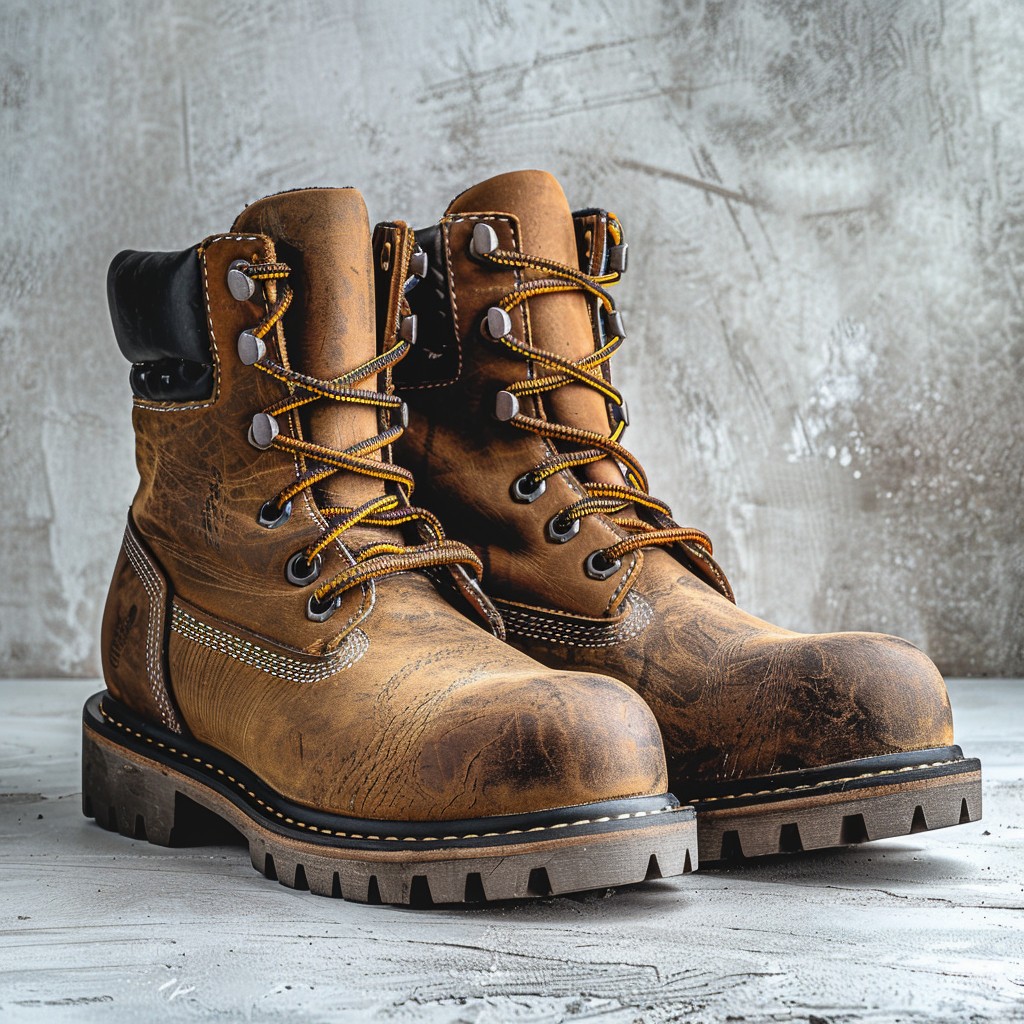
New Footwear Standard Is Good News for Worker Safety

Slip and fall accidents often lead to severe workplace injuries

Slip and fall accidents are the third most common non-fatal work-related injuries in the country, according to the Centers for Disease Control and Prevention (CDC). Workers can be seriously hurt after slipping on water, ice, oil, gas, or other substances and could be forced to miss time, resulting in a loss of income.

But a new standard in safety footwear could make a difference.

Ensuring that workers have slip-resistant footwear can help reduce slip and fall accidents and the number of injuries suffered because of them. The soles of slip-resistant safety shoes are often made of rubber or similar material, and the tread pattern is designed to grip slippery floors more effectively than other shoes.

These outsoles could be found in many types of footwear – including shoes and boots with metatarsal guards, and nano toe, steel toe, or composite toe caps. As a result, workers in food service, police departments, delivery companies, contracting industries, and healthcare could all benefit from slip-resistant footwear.

A new standard in slip resistance

International standards for a wide range of materials and products have been used in workplaces for more than a hundred years. But there had never been a universal safety standard specification for slip resistance.

That changed in June 2021 with the introduction of ASTM 3445-21. ASTM stands for the American Society for Testing Materials, the international organization that develops and publishes technical standards.

Why does this matter?

The new standard gives employers a benchmark when selecting footwear that protects workers. Footwear that meets the standard means it has been tested in both wet and dry conditions.

Guidelines that should be considered when selecting an appropriate slip-resistant shoe include the following:

  • Outsole
  • Tread
  • Insoles
  • Upper
  • Midsole
  • Durability

Some of these qualities have to do with slip resistance, while others have to do with fit and comfort – an important factor for workers who remain on their feet for long periods. When footwear is uncomfortable, some workers may choose another style that is not as safe.

If you’ve been hurt in New Jersey, our workers’ comp lawyers can help

Slip-resistant shoes are subject to wear and tear, like any other footwear. However, cleaning out the tread regularly can help the soles function correctly, and the condition of the shoes should be monitored so they can be replaced as needed.

Slip and fall injuries account for thousands of lost work days every year, and workers can suffer many types of injuries. These include broken bones, knee and ankle injuries, neck and back injuries, spinal cord injuries, and traumatic brain injuries (TBI).

When workers are injured in a workplace slip and fall accident, they are eligible for workers’ compensation benefits that will cover their medical expenses and provide partial lost wages. But the claims process can be complicated, and many initial claims are denied.

At Shebell & Shebell, LLC, our attorneys fight for the rights of injured workers in New Jersey. If you’ve been hurt on the job, our experienced workers’ compensation lawyers can guide you through the claims process every step of the way.

Learn more about your rights and how we can help. Contact us to schedule a free consultation.

Taking Steps to Reduce Fall Risks For Workers

Workers throughout New Jersey face hazards on the job. When injured in a workplace accident, they deserve workers’ compensation benefits that will pay medical expenses and provide partial wages. But employers can help prevent injuries by taking steps to make their workplaces safer.

One of the most common causes of worker injuries are slips, trips, and falls. In 2020, more than 211,000 workers were injured as a result of falls, according to the National Safety Council. While these accidents can happen at any job, construction workers are most at risk.

Helping workers stay safe

Employers have a responsibility to take steps to help protect workers from slip and fall accidents at the workplace. For example, they can:

  • Plan projects before work begins. This includes determining how the work will be done, which tasks workers will be required to complete, and the proper safety equipment workers will need.
  • Scan for potential safety risks. Employers or site safety managers must carefully look at the work area to check for slip and fall hazards that could lead to injury.
  • Check conditions. There should be level ground outside to set up any equipment used in the project. Employers also need to check the weather forecast. Workers should not be required to work in inclement weather, which can cause slippery conditions.
  • Make sure equipment is safe. Old or damaged equipment should never be used on the job. Ladders or stepladders should have locking devices.
  • Review proper procedures for using ladders with workers.
  • Install covers, railings, toe-boards, and safety nets as needed.
  • Provide proper PPE as needed, such as safety harnesses.
  • Hold regular site safety meetings with workers to discuss safety guidelines and allow them to ask questions and provide input.

Workers can be injured in many different types of accidents. Some slip due to water or other liquid spilled on the floor. Others trip on loose carpeting or uneven flooring or slip on the ice or snow. Some workers fall from ladders or slip on stairs. Poor lighting can increase the risk of a slip and fall accident.

An experienced attorney can help you get the benefits you deserve.

The result is an accident that leaves workers with broken bones, neck and back pain, and other painful injuries. They need medical treatment and are forced to miss time from work. In addition, there is less income coming in just as medical bills are starting to add up.

The workers’ compensation system is supposed to help injured workers who were hurt on the job. But employers and their insurance carriers may dispute what happened. For example, they may question the seriousness of your injury or contend that it was not work-related. As a result, claims for benefits can be denied.

If your claim for benefits after a workplace slip and fall accident was denied, the experienced workers’ compensation attorneys at Shebell & Shebell, LLC can help.

Our firm has been fighting for injured workers throughout New Jersey since 1927. We build strong cases and can guide you through the appeals process every step of the way. Contact us to schedule a free consultation. We can review the details of your accident and go over your options. Our offices are located in Shrewsbury and Newark, NJ.

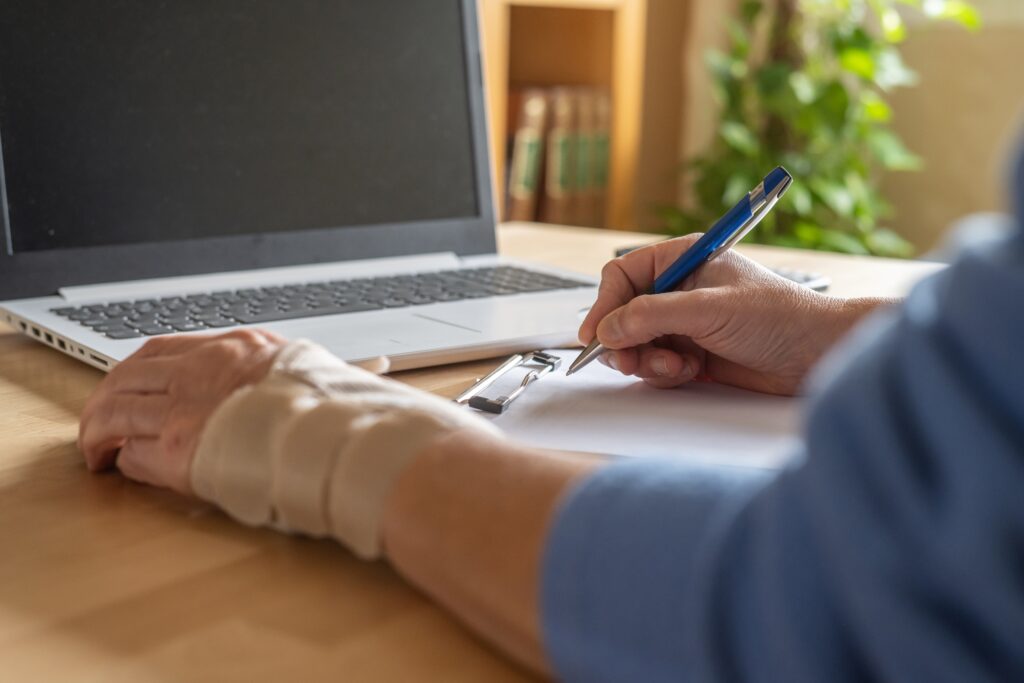
Can Remote Workers File for Workers’ Compensation?

The emergence of remote work as a mainstream employment model owes much to the COVID-19 pandemic, which forced businesses worldwide to rethink traditional office setups. As companies adapted to this new reality, many discovered their operations can thrive even with employees working from home. This shift has since seen employers embrace remote work options to attract talent while maintaining productivity.

However, this shift comes with concerns about the safety of the home environment and mental health issues. This brings the question of whether remote workers can file for workers’ compensation (WC) in case they get injured or ill. Well, this question finds its answer in whether or not workers’ compensation covers remote workers. Because if it does, then they can file, and vice versa. This article explores those issues in more depth.

Does Workers’ Comp Cover Remote Workers?

Remote Workers File for Workers’ Compensation

Workers’ compensation laws are intended to cover those injured on the job, but applying these rules to remote settings introduces some unique considerations. The core principle behind the WC remains that employers must ensure a safe work environment, whether an employee is on-site or at home.

It means that remote workers are eligible for coverage. However, like other on-site workers, remote workers have a legal duty to prove that the injury or illness stemmed directly from their job duties. It involves demonstrating that they were acting in their employer’s interest at the time of the incident.

Recently, courts have weighed in on this, ruling that an employer’s lack of control over a home workspace doesn’t automatically disqualify a claim. Even if a kitchen table doubles as a desk, workers can still seek compensation if the injury ties back to their employment. This evolving legal stance reflects a growing recognition of remote work’s permanence, so protections aren’t limited to traditional office settings.

What Are the Most Common Work-from-Home Injuries?

Home workspaces often lack the same oversight, unlike office environments with regulated safety standards. For example, take an employee tripping over a child’s toy left on the floor, a scenario unlikely in a corporate office but common at home. These differences give rise to unique injury risks for remote workers. In remote work settings, the two prevalent injuries include cumulative injuries and slips and falls.

Cumulative Injuries

Cumulative injuries, also known as repetitive stress, develop slowly over time due to repeated motions or prolonged exposure to poor working conditions. For remote workers, these injuries are particularly prevalent because home workspaces often lack the ergonomic setups found in traditional offices.

For example, if a remote worker is using a dining chair and a low table as a makeshift desk for weeks or months, the strain from awkward postures can manifest as chronic pain or debilitating conditions. While cumulative injuries build silently, they are hard to pinpoint but no less serious when it comes to workers’ compensation claims.

Activities that can lead to these injuries include typing, clicking a mouse, or sitting for extended periods, which can place ongoing stress on muscles, joints, or nerves. The challenge lies in proving these injuries are work-related, as their gradual onset can blur the line between personal and professional activities. However, a workers’ compensation attorney can prove that the injury stems from tasks performed in the course of employment, and it’s compensable under workers’ compensation laws. Common cumulative injuries include:

  • Carpal Tunnel Syndrome: Repetitive wrist movements, like typing on a non-ergonomic keyboard, are the main cause of this injury. For remote workers, this condition can manifest as numbness, tingling, and painful hands and fingers.
  • Tendonitis: Overuse of specific tendons, mostly in the wrists, elbows, or shoulders, results in inflammation and discomfort. It is commonly seen in workers who frequently use a mouse or write extensively.
  • Lower Back Pain: Prolonged sitting in unsupportive chairs or improper postures can strain the spine, leading to chronic back issues that worsen over time.
  • Neck Strain (Cervical Pain): Constantly looking down at a laptop screen or holding a phone between the ear and shoulder can cause stiffness and pain in the neck muscles.
  • Rotator Cuff Injuries: Repetitive arm movements, such as reaching for items or lifting objects during work tasks, may gradually damage shoulder tendons, causing pain and limited mobility.
  • Eye Strain (Digital Vision Syndrome): Staring at screens for long hours without breaks or proper lighting can lead to headaches, blurred vision, and discomfort, and it is increasingly recognized as a work-related issue.

Employers can help by providing ergonomic resources or guidelines. Recognizing the link between daily work habits and long-term health empowers remote workers to protect themselves and strengthens their case.

Slips, Trips, and Falls

Slips, trips, and falls are among the most common workplace injuries; remote work does not eliminate this risk. Home environments can sometimes present more hazards due to the absence of formal safety standards usually enforced in traditional workplaces.

If a remote worker suffers a slip or falls while performing job-related duties, they may be entitled to workers’ compensation—just as if the incident had occurred at the employer’s physical location.

Below are examples of work-related activities that, if they lead to a slip or fall, can potentially qualify for a workers’ comp claim:

  • Retrieving files, documents, or equipment needed for work tasks from another part of the home.
  • Getting up to join a video conference, particularly if the equipment is set up in a different space.
  • Accessing a home printer or fax machine located away from the primary workstation.
  • Bringing work materials from the front door, such as accepting packages or deliveries related to the job.
  • Walking back to the desk after clocking in or starting time-tracking software.

In these scenarios, the key factor is whether the activity was reasonably related to the employee’s job responsibilities. For example, a slip while heading to grab a personal package may not be covered. A New Jersey workers’ compensation lawyer can help prove your work-related illness or injury so you don’t miss out on benefits.

How Should an Employer Handle a Work-from-Home Injury?

When a remote worker reports an injury, employers face a unique challenge that involves responding to incidents in a space they don’t control. Treating the employee’s home as a second job site is key. This mindset shift means employers should investigate claims promptly, just as they would for an on-site accident. They might ask for details about the incident, review work schedules, and even request photos of the home workspace to assess contributing factors.

Communication is key, as employers should guide workers on reporting procedures and document everything thoroughly. Offering support, like access to medical care or ergonomic resources, can also strengthen a claim’s legitimacy and show good faith. By treating the home as an extension of the workplace, employers uphold their duty to protect staff and consequently bridge the gap between traditional and remote settings.

Coming and Going Rule and Workers’ Comp

The coming and going rule seeks to exclude injuries that happen during a commute from workers’ compensation coverage, as they fall outside the scope of employment. For remote workers, this rule rarely applies since their “commute” might just be a walk from the bedroom to the living room.

However, if an injury happens while running a work-related errand, like driving to pick up office supplies, the remote worker can file for workers’ compensation. The key is whether the activity directly serves the employer’s interests.

This distinction offers remote workers broader injury protection than their office-based peers in some cases. Without a traditional commute, the line between personal and work time blurs. Working with a workers’ compensation lawyer to help prove your work-related injuries is advisable.

Personal Comfort Doctrine

The Personal Comfort Doctrine provides that employees who momentarily step away from their duties for personal comfort—for example, getting a drink of water or using the restroom—are still considered to be within the course of employment. For remote workers, this might cover a slip in the kitchen while refilling a coffee mug between Zoom calls. Courts often view such acts as incidental to employment, sustaining worker morale and productivity.

However, there’s a limit. If an employee deviates too far from work—like mowing the lawn mid-shift—the injury likely won’t qualify. The key is whether the activity was a minor, expected pause during the workday rather than a personal errand unrelated to work. This doctrine strikes a balance by recognizing human needs while keeping claims tied to job-related contexts.

Does Workers’ Comp Apply to Independent Contractors?

Independent contractors generally don’t qualify for workers’ compensation, as they’re not employees under traditional legal definitions. Unlike staff with set hours and direct supervision, contractors control their schedules and methods, placing them outside employer-provided benefits. For remote freelancers, this means an injury at home, such as a fall while working on a project, won’t trigger coverage unless they’re misclassified as contractors when they function as employees.

If you are in a gig or freelance role, this distinction can confuse you, especially in remote setups. To be sure of your status, review your contract or consult a legal professional who can clarify your rights. For true contractors, personal insurance often becomes the safety net instead.

How Can Remote Workers File for Workers’ Compensation?

Filing for workers’ compensation as a remote worker

Filing for workers’ compensation as a remote worker requires carefulness to ensure a successful claim. Since injuries at home can raise questions about their connection to work, remote employees must be diligent in documenting and reporting incidents. While the process may seem straightforward, some challenges can arise, especially when proving the injury occurred during work-related duties.

Here’s how remote workers can file for workers’ compensation:

Report the Injury Promptly

Inform your employer or the manager as soon as possible after the injury occurs. Provide a written report detailing what happened, including the date, time, and how it relates to your job. For example, specify those circumstances if you slipped while retrieving work files or developed wrist pain from typing.

Seek Medical Attention

Visit a doctor to evaluate and document your injury, even if it seems minor. Medical records serve as key evidence linking the injury to your work activities. Be sure to inform the healthcare provider that the injury is work-related so it’s noted in their report.

Complete the Claim Form

Your employer will give you a WC claim form, which is available through human resources or an insurance carrier. Fill it out accurately, describing the injury and how it occurred during your work-from-home duties. If cumulative injuries like carpal tunnel syndrome are involved, explain the repetitive tasks that led to the condition.

Submit the Claim

File the completed form with your employer or their workers’ compensation insurance provider, adhering to your state’s deadlines. For instance, in New Jersey, your claim needs to be submitted before the end of two years from the date of injury. However, the deadline for submitting claims may vary depending on the case’s unique facts, but a workers’ compensation lawyer can clarify things. Importantly, keep copies of everything you submit for your records.

Follow Up on the Claim

After submission, the insurer will evaluate your case and possibly request additional information or an investigation into your home workspace. It is vital to respond promptly to inquiries to avoid delays. If approved, you’ll receive benefits like medical coverage or wage replacement. If the WC claim is denied, you have the right to appeal.

The process can feel overwhelming, particularly when employers or insurers question the legitimacy of a remote injury. This is where a lawyer who focuses on workers’ compensation claims can be invaluable. An attorney can help gather evidence, such as work logs, photos of your home setup, or expert testimony, to build a winning case. They’ll also guide you through appeals if your claim is rejected to ensure your rights are protected.

Initiate Your Workers’ Compensation Claim Today

A winning workers’ compensation claim can be the avenue to recover lost wages, cover medical expenses, and regain peace of mind during a difficult time. While the process is designed to be straightforward, complications can arise that are unique to remote working arrangements. That’s why working closely with a workers’ compensation attorney is strongly recommended. Call your New Jersey personal injury lawyer today to book a consultation and understand how to protect your rights and secure the benefits you’re entitled to.

Falls Are the Leading Cause of Injury, Death for Construction Workers

If you’re injured in a construction accident, it’s important to remember that you have rights

Construction is among the most dangerous sectors in the U.S. – especially if safety protocols aren’t followed. But the biggest threat to worker safety doesn’t come from huge vehicles or powerful machines – it comes from falls.

Falls are the most devastating type of construction accident and often result in severe injury or death. Contractors typically work surrounded by hazards. While working on a roof, for example, fall hazards include things like holes, skylights, and leading edges.

Falls are a leading cause of construction injuries

In 2020, nationwide more than 350 people died in construction accidents involving falls, according to federal data. That means that about 1 out of 3 construction worker deaths were caused by falling that year.

Already in 2022, New Jersey has experienced a handful of worksite falls that were so serious the Occupational Safety and Health Administration (OSHA) investigated. When they aren’t fatal, falls often result in severe injuries such as concussions, brain damage, broken bones, spinal cord injuries, and internal bleeding.

The proper use of safety equipment and best practices can reduce falls on the job site.

Preventing falls on construction sites

OSHA partners with the National Institute for Occupational Safety and Health and the National Occupational Research Agenda to raise awareness about common fall hazards and how to prevent falls from ladders, roofs, and scaffolds. They have a three-step campaign to stop preventable falling accidents:

  • Step 1 – Plan – Before the job starts, a safety plan should be created for working from heights at the specific worksite. This plan outlines how the job will be done, the tasks involved, and the safety equipment needed.
  • Step 2 – Provide – Workers who are six feet or more above the ground are at risk for serious injury or death if they fall. That means that employers must protect workers from falling. The right equipment goes a long way toward this. The right ladders, scaffolds, and safety gear should be tailored to each job. Use personal fall arrest systems (PFAS) and provide harnesses where appropriate.
  • Step 3 – Train – If workers don’t know how to use the equipment properly, they will not get its full protection. Train every worker on the proper setup, safe use of the equipment, and how to recognize and avoid hazards.

Legal help is available for injured construction workers

If you have been injured on the job in New Jersey, you are eligible to apply for workers’ compensation benefits. This program helps pay for accident-related medical expenses and lost wages. Getting the money you need from New Jersey workers’ comp isn’t simple, however. In other cases involving negligence by a third party (e.g., a subcontractor), the injured worker may be able to file a third-party lawsuit for damages not covered by workers’ comp, such as pain and suffering. Regardless, seriously injured workers often have to fight to get the compensation they deserve.

Shebell & Shebell, LLC is a New Jersey personal injury and workers’ comp law firm that has helped thousands of injured employees obtain the compensation they’re entitled to. Our attorneys have a deep understanding of how the state system works and what it takes to get you the results you deserve.

If you were injured on the job at a construction worksite or other workplace, contact Shebell & Shebell for a free case consultation. At no cost to you, a member of our team can explain how the law applies to your situation and help you weigh your options, which may include a third-party lawsuit. We have offices in Newark and Shrewsbury from which we proudly serve all of New Jersey.

Do not wait to contact us. There is a statute of limitations on filing a claim. We are available to hear from you 24 hours a day, 7 days a week. Contact our New Jersey personal injury and workers’ compensation lawyers to schedule your free consultation right now.

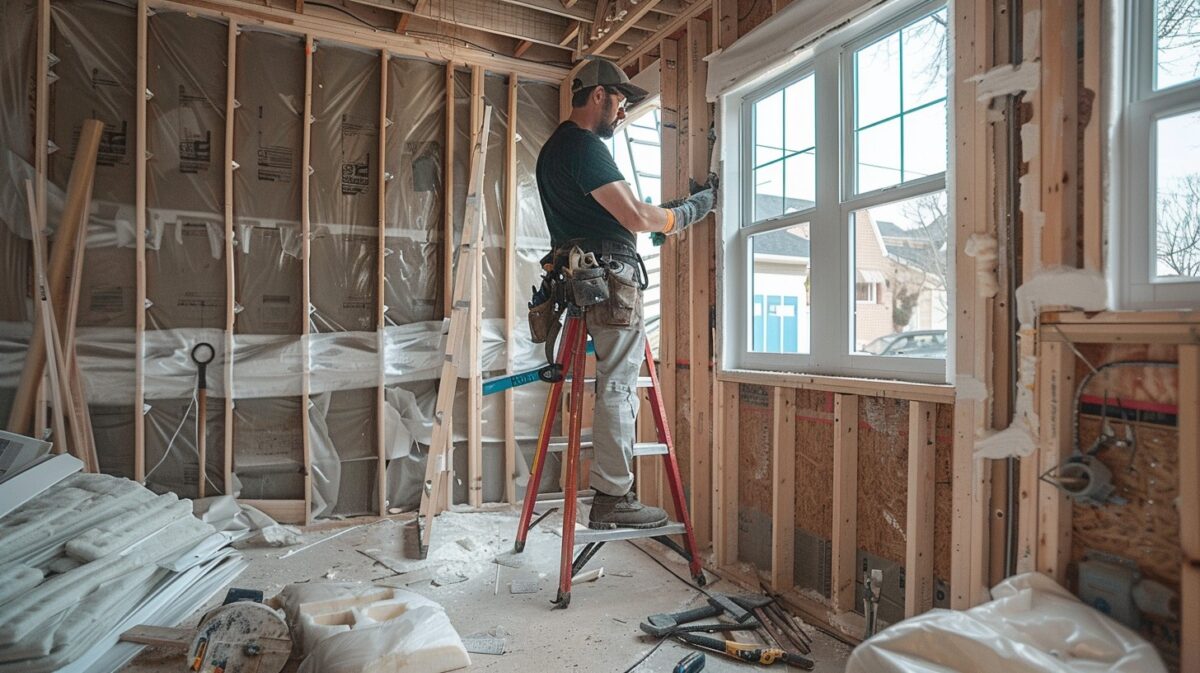
March is National Ladder Safety Month

Our NJ Workers’ Comp Lawyers Are Proud To Help Raise Awareness About Ladder Safety and Training

Ladders are an essential piece of equipment at many worksites in New Jersey and throughout the nation, but they are also the source of many severe workplace injuries. Falls and similar ladder-related accidents make OSHA’s list of Top 10 Most Frequently Cited Standards list year after year.

New Jersey has experienced a handful of worker deaths involving ladders over the past five years, and most were the result of fatal construction accidents. Safety advocates are hoping that better awareness of ladder safety and specifications may help prevent future tragedies.

That’s why March is Ladder Safety Awareness month – a time to bring fresh attention to a longstanding problem.

Worker injuries and ladders

Construction sites and work zones are common locations for ladder accidents, which can cause serious injuries. That’s why employers are obligated to provide workers with a safe job site. Still, accidents can and still do happen.

In New Jersey, ladder-related worker deaths were recorded in South Plainfield, Florham Park, Jersey City, Tuckahoe, and Bayonne. Workers were from industries such as ship construction, exterior home maintenance, and home systems installation.

Each fatal accident involved different circumstances for the victim, such as:

  • Getting electrocuted when the ladder made contact with a power line
  • Slipping off the ladder rungs
  • Falling from a ladder, resulting in a fatal traumatic brain injury
  • Falling from a ship ladder.

Ladder safety

To help prevent and reduce the risk of ladder accidents, the Occupational Safety and Health Administration (OSHA) is sharing requirements designed to ensure worker safety. To improve safety, here’s what you should know about your ladder:

  • Know the load. Leaning ladders must be able to support 4-times the intended max load while fold-out or stand-alone ladders must be able to support 3.3 times the max load.
  • Right angles. Getting the right angle maximizes stability. Leaning ladders should be positioned at an angle that the horizontal distance from the top support to the foot of the ladder is about a fourth of the working length of the ladder.
  • Rungs. Whatever you call them—cleats, steps, sticks—rungs must be parallel, level, and evenly spaced 10 to 14 inches apart. They should also be slip-resistant.
  • Slipping. Ladders need to be kept clean to avoid slip hazards like wet paint, oil, and grease.
  • Lock it up. Foldout ladders and stepladders must come with a metal spreader or locking device that holds the equipment in place.
  • No stacking. When more than one ladder is required to reach a point, do not stack one ladder on top of the other. When multiple ladders are used there should be a landing or platform between ladders.
  • Stay clear. To avoid falls, keep the area at the bottom and top of ladders clear of any items or debris that obstruct work or upset the equipment’s balance.

Workers’ comp benefits for ladder injuries

If you’re in New Jersey and you sustained a workplace injury in a ladder accident, you have the right to seek workers’ compensation benefits, which are intended to help cover your medical expenses and a percentage of your lost wages. In some cases, you may be able to seek compensation by filing a third-party claim against a negligent third party on the job site, such as a subcontractor, inspector, engineer, or delivery driver.

The important thing to remember is you need to have a clear understanding of your legal rights and options, and the best way to do that is by talking to an experienced workers’ compensation lawyer.

For nearly 100 years, Shebell & Shebell, LLC has helped injured workers in Shrewsbury, Newark, and throughout New Jersey get the compensation they need and deserve. Find out how our law firm can help you and contact us today for a free consultation. There are no obligations, just honest answers to your questions.