
Over $200 Million Dollars in Verdicts & Settlements

If we don’t win, you don’t pay

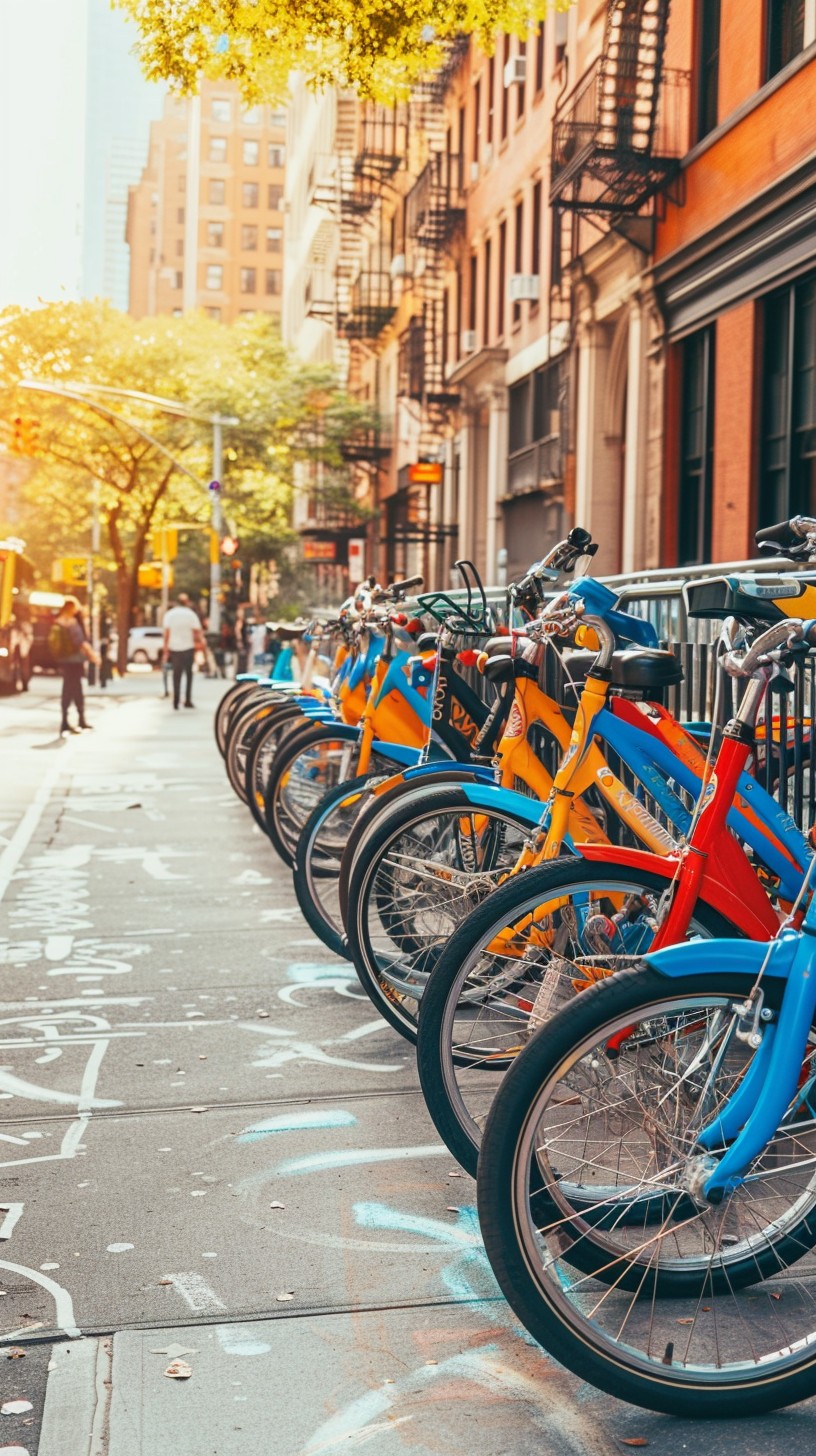
10 Ways Drivers Can Help Prevent Bicycle Accidents

To share the road safely with bicyclists, drivers must follow certain steps.

Bicycling is popular in Shrewsbury, Newark, and throughout New Jersey. Bicyclists have the same rights and responsibilities as drivers of motor vehicles. But some drivers think of bicycles as little more than an annoyance and don’t act responsibly. The result is often a bicycle accident that can leave the cyclist with serious injuries.

Sharing the road with bicyclists can be a challenge for some drivers. But aside from the legal responsibility to drive safely, it’s often just a matter of common sense.

Here are some steps that drivers can take to share the road safely with bicyclists:

1. Give bicyclists a lot of space.

When passing a bicyclist, drivers must leave at least three feet of space between the car and the bicycle. This helps prevent accidents, keeping both the driver and the bicyclist safe.

2. Yield when turning.

It’s important to always look for any bicycles on the road when driving. When you are turning, yield to any bicyclists in the intersection or on the road.

3. Signal your turns well in advance.

This gives bicyclists time to anticipate your movements and adjust their position on the road. Put on your turn signals well before turning to help avoid a collision.

4. Slow down when passing.

Passing too quickly can take the bicyclist by surprise and cause them to lose control. Instead, maintain a safe speed as you pass the bicycle, and only pass when it is safe to do so.

5. Check your mirrors before opening the car door.

This is especially important if the car is parked on the side of the road. A door opening suddenly can cause severe injuries to a bicyclist in a dooring accident. Always check your mirrors first to make sure a bicyclist is not approaching.

6. Respect the bike lanes.

Many roads in New Jersey have designated bike lanes. Remember, these are intended for the use of bicyclists to help keep them safe. Be aware of these lanes, and don’t drive in them.

7. Avoid distractions.

Any kind of distraction – such as texting, using a phone, adjusting dashboard controls, eating, or drinking – takes your attention away from the road. If you look away for even a few seconds, you might not see a bicyclist near you.

8. Take extra care at intersections.

Intersections are particularly dangerous for bicyclists, as cars travel in many directions. So be on the lookout for bicycles as you make your way through.

9. Be patient.

Bicycles may travel slower than cars, but bicyclists have the same right to use the road that you do. Driving recklessly or too fast can easily result in a collision.

10. Be courteous.

Everyone needs to remain calm and courteous toward other road users, including bicyclists. They are only trying to get to where they’re going, just as you are.

Because bicyclists have almost no protection, they can be seriously injured in a bicycle accident. Medical expenses for treating their injuries can add up very quickly, and a bicyclist may not be able to work. Recovering financial compensation can be complicated, as drivers deny doing anything wrong, and insurance companies look for excuses to pay as little as possible.

If you’ve been hurt in a crash, you need an experienced New Jersey bicycle accident lawyer. The attorneys at Shebell & Shebell, LLC build strong cases that get results and are committed to helping you recover the compensation you deserve. Contact us to schedule a free consultation.

Never Events: Preventable Medical Errors That Should Never Happen

A “Never Event” can lead to serious health consequences

When we seek medical care, we put our trust in healthcare professionals to provide us with safe and effective treatment. Unfortunately, there are instances where preventable medical errors occur, resulting in devastating consequences for patients and their families. These types of errors are known as “Never Events,” as they are serious, unambiguous, and totally preventable.

Never Events are a subset of sentinel events, which are unexpected occurrences involving death or severe injury. The National Quality Forum (NQF) developed a list of 29 Never Events that are grouped into seven categories:

  • Surgical or procedural events: Errors that occur during a surgical or invasive procedure, such as wrong-site surgery.
  • Product or device events: Injuries or deaths resulting from the use of contaminated drugs, devices, or biologics.
  • Patient protection events: Incidents that compromise patient safety, such as elopement or suicide.
  • Care management events: Errors that occur during patient care, such as medication errors or falls.
  • Environmental events: Injuries or deaths resulting from unsafe conditions in a healthcare setting, such as electric shocks or burns.
  • Radiologic events: Injuries or deaths resulting from improper use of radiology equipment or exposure to radiation.
  • Criminal events: Incidents of abuse, assault, or impersonation of a healthcare provider.

These events are devastating to patients and their families, and they may indicate a fundamental safety problem within a healthcare organization. While individual events are uncommon, on a population basis, many patients still experience these serious errors. For instance, a 2013 study estimated that more than 4,000 surgical Never Events occur annually in the United States.

What’s being done to prevent “Never Events”?

As the name Never Events implies, healthcare organizations are under significant pressure to eliminate them completely. The Centers for Medicare and Medicaid Services (CMS) announced all the way back in August 2007 that Medicare would no longer pay for additional costs associated with many preventable errors, including those considered Never Events. Since then, many states and private insurers have adopted similar policies. Since February 2009, CMS has not paid for any costs associated with wrong-site surgeries.

In addition to financial penalties, Never Events are being publicly reported to increase accountability and improve the quality of care. Eleven states mandate reporting of Never Events whenever they occur, and an additional 16 states (including New Jersey) mandate reporting of serious adverse events, including many of the NQF Never Events. Healthcare facilities are accountable for correcting systematic problems that contributed to the event, with some states mandating performance of a root cause analysis and reporting its results.

Holding negligent healthcare facilities accountable

Healthcare organizations must prioritize patient safety to prevent Never Events from occurring. They must implement systems and processes that identify and prevent errors before they occur, such as surgical checklists and bar-coded medication administration systems. Furthermore, healthcare professionals must be adequately trained and educated on safe and effective practices to provide high-quality care.

When Never Events occur, healthcare organizations must be held accountable for the damage caused to the patient and their family. With the help of a medical malpractice lawyer, patients and families can seek compensation for the damages they have suffered as a result of a Never Event. This may include medical expenses, lost wages, pain and suffering, and other costs associated with the event.

At Shebell & Shebell, LLC, our dedicated team can provide guidance and support throughout the legal process, ensuring that patients and families receive the compensation they deserve. If you or a loved one has suffered harm due to a Never Event or other preventable medical error, contact us today for a free case consultation to see how an experienced medical malpractice attorney can help you. Our offices are in Shrewsbury, NJ, and Newark, NJ.

How to Obtain Video Footage of your New Jersey Slip & Fall Accident

Video can serve as objective evidence in support of your claim or lawsuit.

Surveillance videos have become ubiquitous in contemporary society, and in certain situations, they can play a critical role in the resolution of a slip and fall accident claim. Video can provide visual evidence of the hazardous conditions that led to the slip and fall, thereby assisting in the handling of the claim.

In such cases, the footage captured by the cameras can serve to corroborate the victim’s account of the incident. Furthermore, the video can also provide insights into the duration of the hazardous condition and events preceding and following the accident. These details can be critical in establishing negligence by the business or property owner.

Slip and fall accidents can be devastating and often occur due to negligence. For those seeking compensation, it is important to take immediate action to protect their legal rights. If you were injured in a New Jersey slip and fall, contact Shebell & Shebell, LLC, to see how an experienced attorney from our law firm can help you build a strong case for the compensation you deserve.

How long is surveillance video saved?

The preservation of surveillance footage is a critical aspect of slip and fall cases. Many businesses, including retail stores, hotels, and banks, use closed-circuit television (CCTV) to monitor patrons, but each has its own set of standards for retaining videos. Information on the length of time businesses hold onto security videos is often anecdotal, and it is not uncommon for companies to selectively retain footage for their own purposes.

It is essential to understand that CCTVs have limited storage and typically overwrite older videos or images unless someone intervenes. This is why it is crucial to consult with an experienced slip and fall attorney before such evidence is lost or destroyed. The events leading up to the accident captured by the surveillance footage may hold the key to establishing liability and securing compensation for your damages.

How can a slip and fall accident lawyer help?

If video evidence of your slip and fall exists, obtaining the footage can be an invaluable asset in your case. However, getting access to such footage can be challenging. An attorney can help you by sending a letter to the party that has the footage (typically the owner of the premises) and requesting the preservation of the video footage. This serves multiple purposes, including informing the party that you have legal representation and ensuring that the footage is preserved.

Likewise, if someone recorded your accident using a cellphone, the video could serve as evidence in your case. Your attorney can track down and interview eyewitnesses and may request a copy of the cellphone video as part of the investigation into your accident.

Contact Shebell & Shebell if you’ve been injured.

Slip, trip, and fall hazards pose a constant threat in public spaces. These hazards can lurk in unexpected places, from bustling shopping centers to cozy dining spots. Poorly maintained floors, inadequate lighting, and trip hazards are just a few examples of the dangers that can lead to serious accidents. Even residential properties, such as apartment complexes or condominium associations, may not take the necessary precautions to ensure a safe environment, leaving residents and visitors vulnerable to dangerous slips and trips.

In the aftermath of a slip and fall accident, it’s essential to take steps to protect your legal rights. A crucial part of this process involves determining whether any surveillance cameras captured the incident. At Shebell & Shebell, LLC, our dedicated legal team has years of experience investigating slip and falls and can help you find the facts that matter to your case. To learn how an experienced New Jersey slip and fall accident lawyer can help with your potential legal case, contact us today for a free consultation.

Common Knee Injuries in Slip and Fall Accidents

A slip and fall on someone else’s property may result in a severe knee injury.

Slip and fall accidents are very common in Shrewsbury, Newark, and locations throughout New Jersey, especially during the winter months. Property and business owners have a responsibility to keep their premises safe but, unfortunately, they don’t always meet this responsibility. As a result of this negligence, people can be left seriously injured.

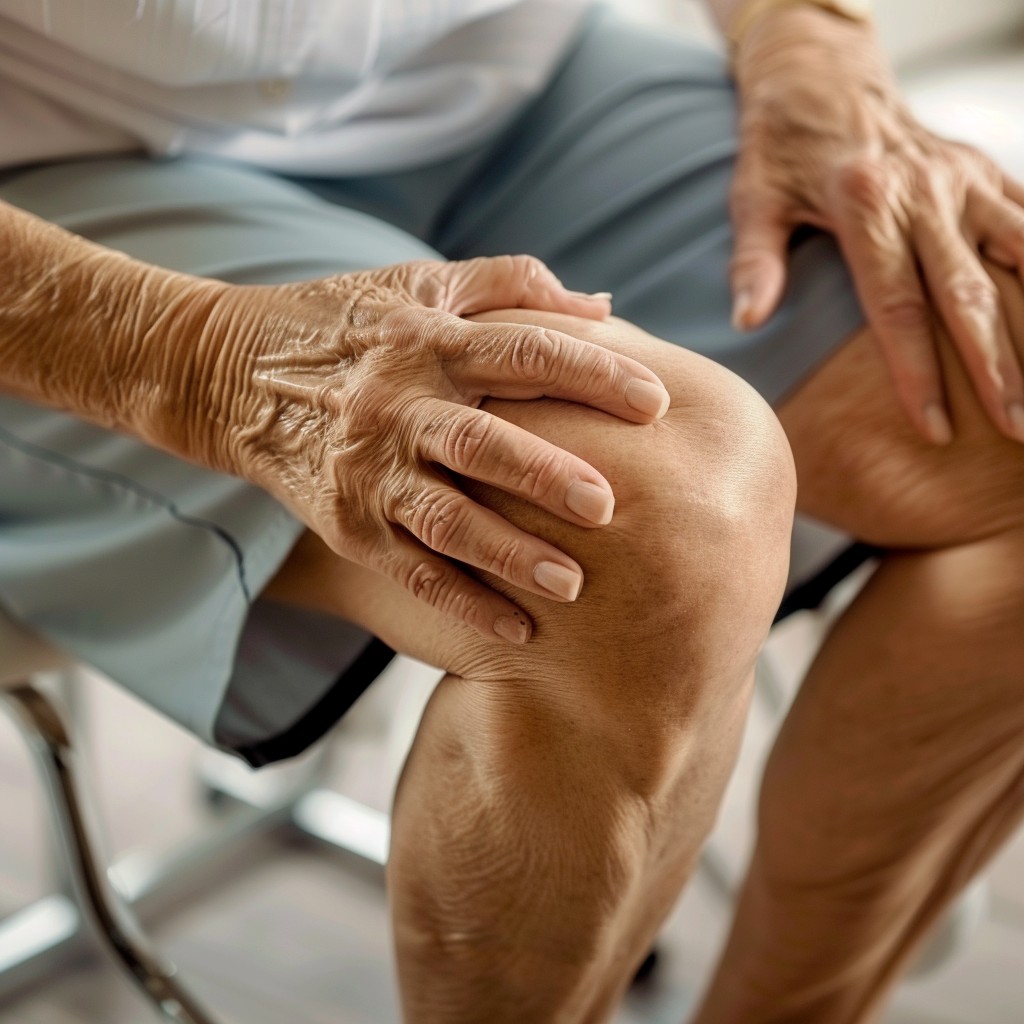
Many people suffer knee injuries in slip and fall accidents. This can result in pain, bruising, and swelling. A knee injury can impact mobility, and victims may have difficulty performing work duties and their usual activities. Knee injuries may require surgery, medication, physical therapy, and multiple follow-up appointments.

Several types of knee injuries are common in slip and fall accidents.

Fractures

In many slip and fall accidents, the victim falls forward onto their knees. The force of impact from the fall can result in a patellar fracture – a broken kneecap. There are different types:

  • Stable fracture – The pieces of the broken bone are still in contact or very close together
  • Displaced fracture – The pieces of the broken bone are separated and don’t line up.
  • Comminuted fracture – The bone is broken into several pieces.
  • Open fracture – Fragments of broken bone sticking out through the skin.

Sprains

There are four major ligaments in the knee – the anterior cruciate ligament (ACL), posterior cruciate ligament (PCL), medial collateral ligament (MCL), and lateral collateral ligament (LCL). When someone falls, there is a sudden movement, and ligaments in the knee can stretch beyond their normal range of motion. This can result in a sprain. In addition, people may feel and possibly hear a pop in the knee when this injury occurs.

Torn meniscus

The meniscus is cartilage (flexible, fibrous tissue) that serves as a shock absorber in the knee. A medial meniscus and lateral meniscus are located at the top of the tibia bone. During a slip and fall accident, there can be a sudden turn or twist of the knee while the foot remains in place, resulting in a torn meniscus.

ACL injuries

The anterior cruciate ligament is very prone to injury in a slip and fall. ACL injuries are graded on a severity scale:

  • Grade 1 – The ligament has been stretched and has experienced mild damage but can keep the knee joint stable.
  • Grade 2 – There is a partial tear of the ligament, and it can’t provide full stability to the knee joint.
  • Grade 3 – There is a complete or near-complete tear of the ligament.

Injured in a New Jersey slip and fall? Contact us today.

If you were injured in a slip and fall accident caused by negligence, you have the right to seek financial compensation. This includes compensation for all current and future medical expenses related to your injury, lost wages if you couldn’t work, and other damages such as pain and suffering.

But the process of recovering compensation can be complicated. Negligent business and property owners often deny doing anything wrong and may even try to blame you for what happened. In addition, insurance companies may dispute the seriousness of your injuries and will try to limit the compensation you receive.

An experienced New Jersey slip and fall accident lawyer can build a strong case and fight for the compensation you deserve. The attorneys at Shebell & Shebell, LLC can help. Contact us to schedule a free consultation. We serve clients in Shrewsbury, Newark, and throughout New Jersey.

Winter Slip and Fall Accidents on Commercial Property

Slip and falls on ice or snow can cause a wide range of severe injuries

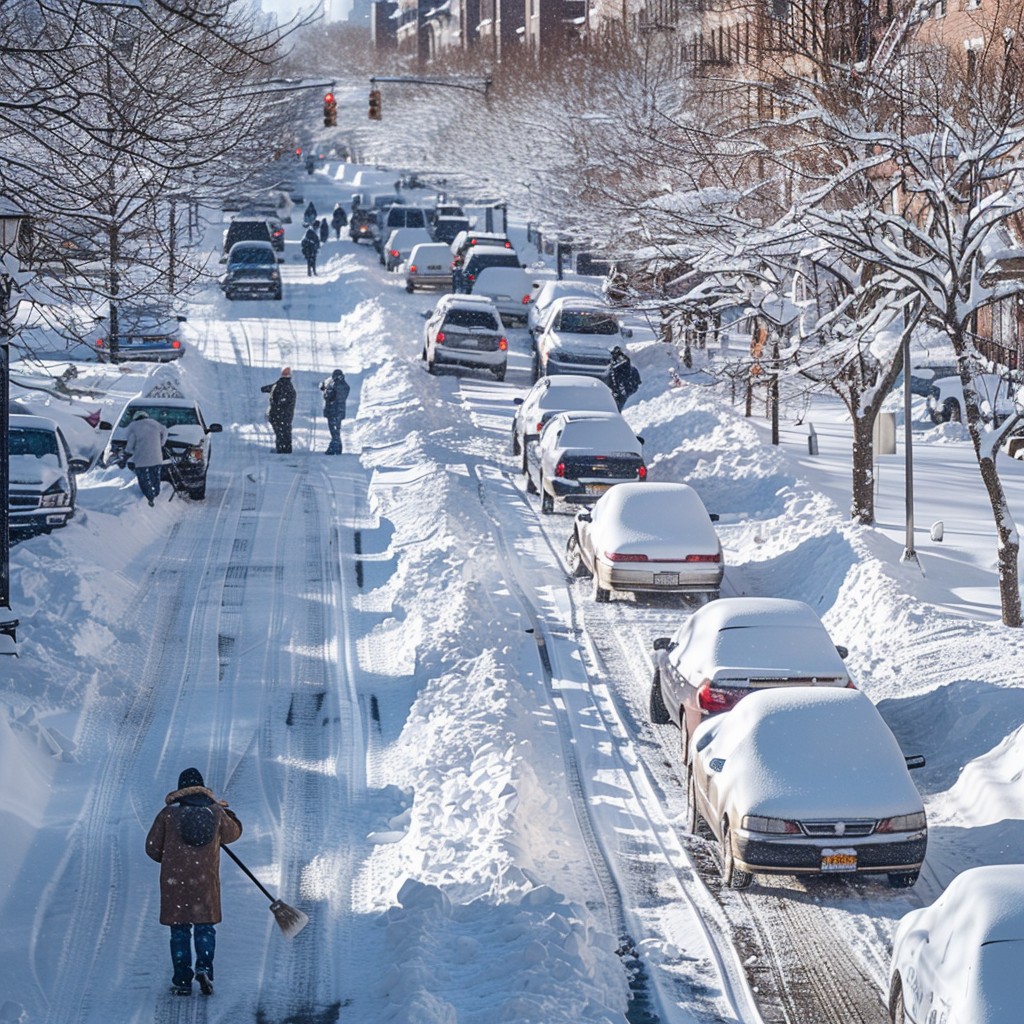
Every winter brings snow and freezing weather to New Jersey, leading to slippery sidewalks, parking lots, and other outdoor areas. People are injured every year in slip and fall accidents each winter – and many of these accidents are preventable. They often occur because commercial property owners fail to keep areas clear of ice and snow.

Under New Jersey law, commercial property owners and business owners have a legal responsibility to remove ice and snow from their premises and public walkways adjacent to their premises to protect people from harm. This includes stores, restaurants, cafes, professional offices, and apartment complexes.

Common winter slip and fall injuries include broken bones, spinal cord injuries, traumatic brain injuries, fractured vertebrae or herniated discs, hip injuries, torn knee ligaments, and dislocated shoulders.

Recovering compensation after a slip and fall can be challenging

As a result of their injuries, victims may need lab tests, imaging tests such as X-rays or CT scans, surgery, hospitalization, medication, physical therapy, home health care, and months of follow-up visits with doctors. They may be forced to miss time from work, and expenses can add up quickly.

A person injured in a slip and fall accident on commercial property has the right to seek legal compensation for the damages they suffered. But the process can be complicated.

Property and business owners may deny responsibility. For example, they may try to argue that it was obvious that a sidewalk was slippery or that they posted a sign warning people to watch for ice. Or owners will try to blame victims by claiming they weren’t paying attention or were wearing inappropriate footwear for snowy conditions. (Under New Jersey’s comparative negligence system, this could reduce victims’ compensation.)

Insurance companies often try to minimize compensation by disputing the seriousness of injuries or trying to prove that they were pre-existing.

There can also be multiple parties involved, such as property owners, businesses that rent from them, and companies that have the snow-removal contract. In addition, each party can have its own lawyer and insurance carrier, further complicating claims.

What to do if you slip and fall on ice or snow on commercial property

  • Get medical attention as soon as possible. It’s important for a doctor to examine you so your injuries can be diagnosed and treated. Your injuries will also be documented.
  • Report your injuries to the property or business owner. Just stick to the facts and explain what happened.
  • Document the accident. If possible, take photos of the area where you fell from different angles and any visible injuries you have. Also, get the names and contact information of any witnesses.
  • Talk to an attorney. An experienced New Jersey premises liability injury lawyer can review the details of your accident and go over your legal options.

The attorneys at Shebell & Shebell, LLC are ready to help. We fight for the injured in Shrewsbury, Newark, and communities throughout New Jersey. If you were hurt in an outdoor slip and fall accident, contact us to schedule a free consultation.

Sidewalk Slip & Fall Claims Can Be Challenging

A slip and fall lawyer can determine liability and fight for the compensation you deserve if you fall on public property.

Many slip and fall accidents in Shrewsbury, Newark, and throughout New Jersey happen on sidewalks. Ice and snow can make sidewalks slippery in the winter if the sidewalks aren’t cleared. In other months, sidewalks may have cracks, uneven pavement, holes, or other damage that is a tripping hazard.

A slip and fall accident on a sidewalk can result in broken bones, ankle sprains, and injuries to the head, neck, or back. Medical expenses can add up quickly, and you may miss time from work. If negligence led to your injury, you deserve financial compensation. But claims involving an accident on public property can be complicated.

Legal claims against public entities are covered by Title 59 and the Tort Claims Act. The challenges of a sidewalk slip and fall claim include:

Liability

Who is liable for an injury that occurs on a sidewalk? Unfortunately, that isn’t always clear. In different situations, the city government or property owners could be found responsible. But each party may also deny any liability. That’s why the sooner you talk to a slip and fall attorney about your particular accident, the better.

Proving negligence

To recover financial compensation, you need to be able to prove that:

  • There was a dangerous condition on the sidewalk.
  • The public entity knew or should have known about the dangerous condition.
  • The failure to remedy the situation was “palpably unreasonable.”

Types of evidence that can establish negligence include photos, witness statements, city records, and copies of complaints the city received about the sidewalk.

Deadlines

If you are seeking compensation from a city, town, or other public entity, you must give them written notice of your injury within 90 days of the accident under New Jersey law.

In general, depending on your situation, you may be able to recover compensation for medical expenses, lost wages, disability or impairment, reduced quality of life, and loss of companionship.

However, under the Tort Claims Act, you can only recover compensation for pain and suffering if your injury resulted in a permanent loss of bodily function, permanent disfigurement, dismemberment, or medical expenses exceeding $3,600.

Our slip and fall attorneys can guide you through the legal process.

If you were hurt in a sidewalk slip and fall accident in New Jersey, you can take steps to protect your health and your right to seek financial compensation by taking the following steps:

  • Get medical attention. A doctor can diagnose your injuries and recommend medical treatment. Your injuries will also be documented.
  • Gather evidence. Take photos and video of the sidewalk to document the condition that it was in when you fell. Also, get the names and contact information of any witnesses.
  • Report your injury. Give written notice of what happened to the town or city that owns the sidewalk. This must be done within 90 days.
  • Get legal advice. It’s important to know your options. A slip and fall lawyer can give you a clear understanding of what to expect with your potential claim.

At Shebell & Shebell, LLC, our legal team has been fighting for the injured since our founding in 1927. Our experienced slip and fall attorneys know how to build strong cases against public entities and help clients recover the financial compensation they deserve.

If you were hurt in a sidewalk slip and fall accident, we can help. Contact us to schedule a free consultation. We can listen to the details of what happened, review your legal options, and answer any questions you have.

What Are the Elements of a Slip and Fall Case in New Jersey?

Pedestrians were hit by cars in New Jersey at a tragic & record-setting pace in 2021.

According to a new study, New Jersey may have some of the most deadly streets to walk in the nation.

Last year, there were about 220 pedestrians who died on New Jersey roadways. That’s almost two pedestrian deaths for every 100,000 people in the state. Compared to the last 30 years in New Jersey, 2021 had the highest total number of fatal pedestrian accidents reported in a single year.

These tragic revelations come from Smart Growth America’s most recent “Dangerous by Design” report. For the study, roadway safety advocates analyzed crash data from across the U.S. They were looking for similarities and patterns that may help identify risks and problem areas.

The study includes an interactive online map that pinpoints the locations of fatal pedestrian accidents from 2008 to 2021. According to the map, the most dangerous New Jersey roadways for pedestrians include:

  • McCarter Highway (Route 21) in Newark
  • Route 130 through Burlington County
  • Whitehorse and Blackhorse pikes
  • Route 70
  • Route 73
  • Route 38

In New Jersey, drivers must share the road with pedestrians. When they fail to do so, it puts people on foot at risk of severe injury and death.

Study highlights

The Dangerous by Design report highlights the risk to pedestrians and fatal crash factors. Smart Growth for America says that U.S. roads are primarily designed to accommodate fast-moving cars and trucks.

As a result, the group says engineers and policymakers should renovate existing roads and construct new ones with the safety of all road users in mind.

The group estimates that pedestrian deaths would decline with thoughtful design considerations such as crosswalk bump-outs and bike lanes.

Here are some more highlights from the Deadly by Design report:

  • Pedestrians were usually killed on roadways with four or six lanes in urban areas.
  • Pedestrian fatalities increased in New Jersey by about 30 deaths compared to 2020.
  • In New Jersey, communities that have recently experienced one or more pedestrian deaths include Atlantic City, Bridgeton, Camden, Cliffside Park, Elizabeth, Jersey City, Newark, New Brunswick, Millville, Paterson, Tom’s River, Trenton, Vineland, and Wildwood.
  • The study ranked states and metros by pedestrian safety. Out of 100 larger city regions, the Allentown-Bethlehem-Easton area of PA and NJ was among the safest, ranking 90th. The fatal pedestrian accident rate there is 1.05.

Improving road design is one way to help prevent pedestrian accidents, but it’s important to remember that it only takes one negligent driver to cause a serious collision that injures or kills someone else. That’s why holding negligent drivers accountable through the civil justice system is also key.

Pedestrian accident attorneys serving New Jersey

Pedestrian accidents may seem like clearcut cases, but they often are not. The driver who hit you may be at fault, but don’t expect that to make a difference to an insurance adjuster. Insurance companies typically care more about their bottom line than making accident victims whole again.

If you or someone you love was hit by a car in New Jersey, talk to an attorney from Shebell & Shebell, LLC, to review your legal rights and options. You may be entitled to compensation, and we can fight for what you deserve.

Contact us today for a free consultation with an experienced pedestrian accident lawyer. Our offices are in Shrewsbury and Newark.

New Jersey Sets 30-Year High for Pedestrian Deaths

Pedestrians were hit by cars in New Jersey at a tragic & record-setting pace in 2021.

According to a new study, New Jersey may have some of the most deadly streets to walk in the nation.

Last year, there were about 220 pedestrians who died on New Jersey roadways. That’s almost two pedestrian deaths for every 100,000 people in the state. Compared to the last 30 years in New Jersey, 2021 had the highest total number of fatal pedestrian accidents reported in a single year.

These tragic revelations come from Smart Growth America’s most recent “Dangerous by Design” report. For the study, roadway safety advocates analyzed crash data from across the U.S. They were looking for similarities and patterns that may help identify risks and problem areas.

The study includes an interactive online map that pinpoints the locations of fatal pedestrian accidents from 2008 to 2021. According to the map, the most dangerous New Jersey roadways for pedestrians include:

  • McCarter Highway (Route 21) in Newark
  • Route 130 through Burlington County
  • Whitehorse and Blackhorse pikes
  • Route 70
  • Route 73
  • Route 38

In New Jersey, drivers must share the road with pedestrians. When they fail to do so, it puts people on foot at risk of severe injury and death.

Study highlights

The Dangerous by Design report highlights the risk to pedestrians and fatal crash factors. Smart Growth for America says that U.S. roads are primarily designed to accommodate fast-moving cars and trucks.

As a result, the group says engineers and policymakers should renovate existing roads and construct new ones with the safety of all road users in mind.

The group estimates that pedestrian deaths would decline with thoughtful design considerations such as crosswalk bump-outs and bike lanes.

Here are some more highlights from the Deadly by Design report:

  • Pedestrians were usually killed on roadways with four or six lanes in urban areas.
  • Pedestrian fatalities increased in New Jersey by about 30 deaths compared to 2020.
  • In New Jersey, communities that have recently experienced one or more pedestrian deaths include Atlantic City, Bridgeton, Camden, Cliffside Park, Elizabeth, Jersey City, Newark, New Brunswick, Millville, Paterson, Tom’s River, Trenton, Vineland, and Wildwood.
  • The study ranked states and metros by pedestrian safety. Out of 100 larger city regions, the Allentown-Bethlehem-Easton area of PA and NJ was among the safest, ranking 90th. The fatal pedestrian accident rate there is 1.05.

Improving road design is one way to help prevent pedestrian accidents, but it’s important to remember that it only takes one negligent driver to cause a serious collision that injures or kills someone else. That’s why holding negligent drivers accountable through the civil justice system is also key.

Pedestrian accident attorneys serving New Jersey

Pedestrian accidents may seem like clearcut cases, but they often are not. The driver who hit you may be at fault, but don’t expect that to make a difference to an insurance adjuster. Insurance companies typically care more about their bottom line than making accident victims whole again.

If you or someone you love was hit by a car in New Jersey, talk to an attorney from Shebell & Shebell, LLC, to review your legal rights and options. You may be entitled to compensation, and we can fight for what you deserve.

Contact us today for a free consultation with an experienced pedestrian accident lawyer. Our offices are in Shrewsbury and Newark

Your Legal Rights if You Slip and Fall on Ice

Cold winters are a fact of life in New Jersey, and unfortunately, so are slip and falls on snow and ice.

While falls may sound like minor incidents, they can actually have serious consequences for victims. Nationwide, they’re the leading cause of traumatic brain injuries (TBI) every year. A slip and fall can also cause broken bones, back injuries, knee injuries, muscle sprains, and a variety of other debilitating injuries. Unfortunately, falls can even prove fatal.

That’s why it’s important to know your rights if you’re hurt in a slip and fall on ice on someone else’s property. Depending on the circumstances, you may have recourse under New Jersey law.

Slip and falls on ice at work

If you were on the job when your slip and fall on ice happened, you are eligible for workers’ compensation benefits, as with any other work injury. It doesn’t matter whether your employer was responsible for the icy conditions or whether your own carelessness contributed to the injury. If you were at work when it happened, you can get workers’ compensation to pay for your medical expenses and replace a portion of your lost wages if you can’t work due to the injury.

However, establishing whether you were at work can get complicated if the slip and fall happened outdoors. Workers’ compensation generally does not apply to your commute, and determining exactly where your commute begins and ends can be a contentious and factually intensive legal question. This is one of the reasons you need an experienced workers’ compensation attorney who knows the law and knows how it applies to your case.

Premises liability cases involving ice

In New Jersey, to file a personal injury claim against the owner of the property where you slipped and fell on ice, you need to prove that they had a “duty of care” — that is, a legal responsibility — to address the hazard. If you were hurt on commercial property, such as a retail store or restaurant, the law holds that business to a high standard. The owner needs to make sure the premises are safe for anyone who visits and can be held legally accountable if that responsibility isn’t met. The same standard also applies to landlords if a tenant is hurt in a slip and fall.

If you slipped and fell on private property, however, things get trickier. Homeowners and tenants generally don’t have a legal responsibility to clean up ice and snow on their property. However, this only applies to natural accumulation; if the homeowner’s negligence created the icy conditions, for example, if water from a leaky pipe froze overnight, then you may have a case against the homeowner.

An additional complicating factor is comparative negligence. If you are found to be partially at fault, for instance, because you were not wearing appropriate footwear, then your recovery can be reduced by your percentage of fault. Again, this is a somewhat subjective determination where an attorney’s help can make a real difference.

It’s always in your interest to talk to a lawyer

Liability in slip and fall on ice cases is complicated and often contentious. So is establishing the full amount of damages (financial compensation) you deserve for your injuries. When you’re hurting, the last thing you want to do is deal with an insurance company on your own. The right lawyer will make all the difference.

If you’ve been injured in a slip and fall at work or on someone else’s property, we are the New Jersey attorneys you need in your corner. Schedule your free consultation with Shebell & Shebell, LLC today.

Move Over! What Drivers Need To Know About New Jersey’s New Law

It took more than 10 years to get here, but New Jersey’s governor has signed a law giving greater protection to bicyclists pedaling in the street.

The bipartisan bill set rules for when it is and is not safe for a car or truck to pass a cyclist or pedestrian. Motorists who violate the law face fines of $100 or $500 (and two motor vehicle points) if they cause an injury.

New Jersey is the 43rd state to pass such a law, according to NJ.com.

The so-called “safe passing” rule applies to bicyclists and pedestrians, as well as people on scooters and motorized chairs, among other vulnerable roadway users. When a motorist wants to pass a bicyclist in New Jersey, the driver must now follow these regulations:

  • Drivers must move over one lane or leave 4 feet of space between the vehicle and cyclist when passing, if it is safe to do so
  • If it is not safe to do so, the driver must slow down to at least 25 mph until it is safe to pass

New Jersey car v. bicycle accidents

New Jersey was in serious need of a safe passing law. The state has one of the highest pedestrian fatality rates in the country. Even worse, the rate keeps rising.

In New Jersey, the pedestrian fatal crash rate grew by 9% from 2019 to 2020, according to an analysis by the Governors Highway Safety Association (GHSA). This increase represents 16 more pedestrian deaths than 2019 for a total of 191 deaths in 2020.

Dangerous Monmouth County intersections

New Jersey’s streets have a reputation of being dangerous for people on bicycles and those who are walking or jogging.  As we noted in July, a retired Plainfield police officer says he has had more close calls riding his bicycle than he ever did in 25 years on the force.

Some streets pose more risk to people than others. According to crash reports and local comments, some of the most dangerous intersections in Monmouth County and Central NJ are:

  • Asbury Circle, Asbury Park
  • Routes 35 and 36, Eatontown
  • Stillwells Corner Road at West Main Street, Freehold
  • Sycamore at Hance avenues, Freehold
  • Collingwood Circle, Farmingdale
  • Jackson Mills at Bergerville roads, Howell

The NJ difference

New Jersey’s new safe passing regulations took more than 10 years to develop and become law. When the legislation was first proposed in 2009, the bill would have required motorists to leave three feet between themselves and bicyclists when passing and nothing more.

Now the New Jersey bill is one of the more comprehensive safe passing bills in the U.S. The New Jersey law specifically spells out when it is unsafe to pass and what to do. Most bills do not go this far.

What a motorist should do if it is unsafe to pass is not addressed in most other state laws. For many people, the natural assumption is that if it is not safe to pass, you should slow down and wait for a good time to pass. Assuming that everyone will come to this conclusion, though, has left unnecessary room for debate. By spelling out what a motorist has to do when behind a slower-moving person, New Jersey is bringing clarity to the situation.

We hold negligent drivers accountable

New Jersey drivers have a new law they need to follow when on the road, but bicycle accidents are still going to happen. When a negligent driver hits a cyclist, pedestrian, or another person on the road, it is important that they are held fully responsible for their actions.

At Shebell & Shebell, LLC, we understand the long road to recovery victims often face. Attorney Thomas F. Shebell, III, our law firm’s managing partner, is an avid cyclist who was hit by a car in 2001 and severely injured while out for a bicycle ride. That’s why we take bicycle accidents so seriously. We know what you’re going through, and we know how to help make you whole again.

If you or a loved one got hit by a car in New Jersey, our highly skilled bicycle accident attorneys can fight for the compensation you deserve. To learn your legal rights and options, contact us today for a free consultation.