
Over $200 Million Dollars in Verdicts & Settlements

If we don’t win, you don’t pay

Hair Salon Negligence: A Complete Guide to Burns & Other Injuries

Hair salon negligence can leave clients with serious injuries, including chemical burns, infections, hair loss, and permanent scarring. While most salon appointments end safely, mistakes involving chemical treatments, heated tools, sharp instruments, or poor sanitation can have lasting consequences.

A bad haircut or color usually is not enough to support a legal claim. However, injuries caused by a salon or stylist failing to use reasonable care may be. If you suffered a serious salon-related injury, speak with our personal injury lawyers in New Jersey to discuss your legal options.

Our firm recently secured a $525,000 settlement for a client who suffered a scalp burn—view our case results to see how we’ve helped injury victims recover compensation.

What is Hair Salon Negligence?

Hair salon negligence occurs when a salon, stylist, or another responsible party fails to use reasonable care and causes a client to suffer an injury.

Not every salon accident automatically qualifies as negligence. The facts surrounding the service, the precautions taken, the type of injury, and the available evidence must all be considered.

The Difference Between a Bad Result and Negligence

Being unhappy with a haircut, hair color, or style does not necessarily mean the salon acted negligently. Personal injury claims generally require an actual injury or financial loss caused by unreasonable conduct.

Examples of harm that may support further investigation include:

  • Physical pain
  • Chemical burns
  • Scalp damage
  • Infection
  • Permanent or prolonged hair loss
  • Scarring
  • Medical expenses
  • Lost income

For example, a color that turns out differently than expected may be a customer-service issue. A client who develops scalp burns because bleach was improperly mixed or left on too long may have a potential injury claim.

The Salon’s Duty of Care

Salons and beauty professionals are expected to take reasonable precautions while performing their services. The appropriate precautions depend on the treatment, the products used, the condition of the client’s hair and scalp, and the known risks involved.

Their responsibilities may include:

  • Following product instructions and warnings
  • Determining whether a treatment is appropriate
  • Monitoring chemical processing times
  • Handling sharp and heated tools carefully
  • Keeping equipment and workstations clean
  • Responding when a client reports pain or burning
  • Ensuring regulated services are performed by properly licensed professionals

The New Jersey State Board of Cosmetology and Hairstyling licenses and regulates barbers, beauticians, cosmetologist-hairstylists, manicurists, skin care specialists, shops, and schools. Its stated purpose includes protecting public health and safety and ensuring that cosmetology services comply with state law.

When a Duty of Care May Be Breached

A possible breach occurs when a salon or professional fails to take precautions that a reasonably careful provider would have taken under similar circumstances.

Examples may include:

  • Leaving bleach or relaxer on too long
  • Applying chemicals to damaged or irritated skin
  • Ignoring complaints of intense burning
  • Using an unsuitable developer strength
  • Failing to follow a product’s safety warnings
  • Reusing contaminated tools
  • Leaving water or products on the floor
  • Burning a client with a styling tool

Whether a particular action qualifies as negligence will depend on the complete circumstances and whether it caused the client’s injury.

Common Types of Hair Salon Negligence

Salon injuries can arise from chemical services, heated equipment, sharp tools, poor sanitation, and unsafe conditions inside the business.

Chemical Burns From Bleach and Hair Color

Bleach, peroxide developers, dyes, toners, and other chemical products may irritate or burn the scalp when they are mixed, applied, or monitored incorrectly.

Potential problems include:

  • Using an excessively strong developer
  • Mixing products in incorrect ratios
  • Allowing prolonged contact with the scalp
  • Failing to monitor the processing
  • Leaving a treatment on too long
  • Applying bleach to damaged or irritated skin
  • Ignoring complaints of severe pain or burning

Some clients may experience mild tingling during certain treatments. Severe pain, blistering, peeling, scabbing, or inflammation that continues after the service may indicate a more serious injury.

A stylist should not simply dismiss a client who reports intense burning. Continuing the treatment after clear warning signs appear may make an existing injury worse.

Overprocessing and Overlapping Chemical Treatments

Overprocessing occurs when the hair or scalp is exposed to more chemical treatment than it can safely tolerate. Overlapping happens when a new application is placed over hair that has already been chemically processed.

As Smiths Collective Brands explains:

“Over-Processing and Overlapping: Applying new chemical treatments over previously processed or overlapping areas breaks down the skin barrier.

Repeatedly applying bleach or another strong product to previously treated areas can weaken the hair, increase breakage, and irritate the scalp. The risk may be greater when a strong formula is used, the processing time is excessive, or the client’s hair and scalp are already damaged.

Burns From Heated Styling Tools

Salon clients may also suffer thermal burns from:

  • Curling irons
  • Flat irons
  • Hot combs
  • Blow dryers
  • Hooded dryers
  • Heated rollers
  • Foils that become excessively hot during processing

A burn may occur because a tool is positioned too close to the skin, set at an excessive temperature, or handled carelessly. Liability may also become an issue when a client reports pain but the stylist fails to stop or adjust the treatment.

Hair Relaxer and Keratin Treatment Injuries

Relaxers, straightening systems, keratin treatments, and other smoothing products may cause scalp irritation, chemical burns, or hair damage when used improperly.

Potentially negligent conduct may include:

  • Applying a product to broken or irritated skin
  • Leaving the treatment on too long
  • Using an unsuitable formula
  • Failing to protect the scalp
  • Combining incompatible treatments
  • Applying relaxer over recently processed hair

A stylist should consider the condition of the client’s hair and scalp before beginning a strong chemical service. A treatment that may be appropriate for one client may be unsafe for another.

Cuts and Puncture Injuries

Scissors, razors, clippers, hair pins, extension needles, and other sharp tools may cause cuts or puncture wounds.

A small accidental nick may not lead to a significant claim. A deeper wound that requires medical care, becomes infected, causes nerve damage, or leaves a scar may present a more serious issue.

The cleanliness of the tool also matters. Even a relatively small cut can become more harmful when it is caused by contaminated equipment.

Infections From Unsanitary Tools or Conditions

Clippers, combs, brushes, razors, towels, sinks, and work surfaces can carry bacteria, fungi, skin particles, or other contaminants when they are not cleaned properly.

Unsanitary conditions may contribute to:

  • Ringworm
  • Folliculitis
  • Infected cuts
  • Dermatitis
  • Other bacterial or fungal infections

Proper sanitation is especially important for tools that contact the scalp or skin. A salon may be responsible when inadequate cleaning procedures expose clients to a preventable infection.

Hair Breakage and Hair Loss

Hair breakage or loss may result from:

  • Excessive bleaching
  • Overlapping chemical treatments
  • Incompatible products
  • Improper extension installation
  • Excessive pulling or tension
  • Repeated high heat
  • Poor extension or product removal techniques

Not every instance of damaged hair creates a personal injury case. Its legal significance may depend on whether the condition is temporary, medically documented, connected to a scalp injury, or likely to cause lasting hair loss or scarring.

Allergic Reactions

Clients may experience allergic reactions to hair dye, bleach, adhesives, extension products, shampoos, smoothing treatments, fragrances, and other salon products.

Symptoms may include:

  • Swelling
  • Hives
  • Itching
  • Redness
  • Severe skin irritation
  • Difficulty breathing

Whether the salon acted negligently depends on factors such as the product instructions, the client’s known allergies, the information provided before treatment, and how the salon responded when symptoms appeared.

An appropriate sensitivity test may sometimes be relevant, but patch testing should not be described as a universal legal requirement for every product and service. The more important question is whether the stylist followed applicable instructions and took reasonable safety precautions.

Slip-and-Fall Accidents Inside a Salon

Some salon injuries have nothing to do with hair treatment. Clients may slip, trip, or fall because of:

  • Wet floors near washing stations
  • Loose electrical cords
  • Hair clippings
  • Spilled products
  • Unstable chairs
  • Cluttered walkways
  • Damaged or defective flooring

These cases may involve premises liability. A salon or property owner may be responsible when it knew or reasonably should have known about a dangerous condition but failed to correct it or provide an adequate warning.

Who May Be Responsible for a Salon Injury?

More than one person or business may share responsibility for a salon-related injury.

The Stylist or Cosmetologist

A stylist may be responsible when their technique, product use, supervision, or response to a problem falls below a reasonable standard of care.

Examples include mixing chemicals improperly, failing to monitor processing, mishandling a heated tool, or continuing a service after a client reports severe pain.

The Salon Owner or Operating Company

A salon owner may be responsible for:

  • Hiring or retaining unqualified staff
  • Inadequate training
  • Poor sanitation procedures
  • Failure to maintain equipment
  • Unsafe premises
  • Lack of supervision
  • Allowing unlicensed work
  • Inadequate safety policies

New Jersey places responsibility on cosmetology shop owners to ensure that workers performing regulated services are properly licensed.

A Product Manufacturer or Distributor

A defective or improperly labeled product may create a separate product liability issue.

Potential defects include:

  • Contaminated products
  • Manufacturing errors
  • Inadequate warnings
  • Incorrect labels
  • Defective heating equipment

Salon negligence and product liability may overlap. Preserving the product container, packaging, instructions, and lot number can help identify what went wrong.

Multiple Responsible Parties

A claim may involve the stylist who performed the service, the salon that employed or supervised the stylist, the product manufacturer, or the property owner responsible for an unsafe condition.

What Must Be Proven in a Hair Salon Negligence Claim?

A salon injury does not establish negligence by itself. A claimant generally must prove duty, breach, causation, and damages.

Duty of Care

The salon or professional owed the client a duty to perform the service with reasonable care.

Breach of Duty

The salon or stylist failed to meet that responsibility.

Examples may include improper chemical application, inadequate sanitation, failure to monitor treatment, ignoring signs of injury, or unsafe use of equipment.

Causation

The unsafe conduct must have caused the injury. A claimant may need to show that the burn, infection, hair loss, or other condition resulted from the salon service rather than an unrelated cause.

Photographs, medical records, product information, witness statements, and the timing of symptoms can help establish this connection.

Damages

The client must also have suffered a recognizable loss, such as:

  • Medical expenses
  • Lost income
  • Physical pain
  • Permanent scarring
  • Emotional distress connected to the injury
  • Future treatment expenses

The value and strength of a claim will depend on the severity of the injury, the available evidence, the cost of treatment, and the long-term impact on the client’s health and daily life.

What Should You Do After a Hair Salon Injury?

Hair salon negligence can cause injuries that require immediate care and careful documentation. Taking the right steps early can protect your health and preserve important evidence.

Stop the Treatment

Tell the stylist immediately if you experience intense burning, severe pain, swelling, dizziness, breathing difficulty, or another concerning reaction.

The salon should stop applying or processing the product when a client appears to be having a serious adverse reaction. Do not feel pressured to finish the service when something feels seriously wrong.

Seek Medical Care

Seek prompt medical attention for serious symptoms, including:

  • Breathing difficulty
  • Facial or throat swelling
  • Severe burns or blistering
  • Significant bleeding
  • Signs of infection
  • Vision problems
  • Fainting or confusion

A medical professional can evaluate the injury, recommend treatment, and document the condition. That documentation may later help connect the injury to the salon appointment.

Photograph the Injury

Take clear photographs of the affected area as soon as possible. Relevant images may include:

  • Scalp irritation, burns, or blisters
  • Hair breakage or bald patches
  • Swelling or cuts
  • The salon station
  • Spilled products or unsafe flooring

Continue taking photographs over the following days. Burns, infections, swelling, and hair loss may become more visible after the appointment.

Preserve Product and Appointment Information

Record or photograph any available product details, including the brand, product name, developer strength, warning labels, packaging, and lot or batch number. Note which products were mixed or applied together.

Also preserve:

  • Receipts and appointment confirmations
  • Before-and-after photographs
  • Text messages and emails
  • Refund discussions
  • Intake forms and signed waivers
  • Written aftercare instructions

This information can help establish what service was performed, which products were used, and how the salon responded after the injury.

Identify Witnesses

Collect names and contact information from anyone who witnessed the incident or saw the injury shortly afterward. This may include other clients, employees, friends, or relatives.

Witnesses may be able to confirm that you complained of pain, that the stylist continued the treatment, or that an unsafe condition existed.

Avoid Discarding Evidence

Damaged hair, extensions, product containers, packaging, and photographs may become important evidence.

Necessary medical care should always come first. However, avoid throwing away potentially relevant materials before discussing the situation with an attorney.

Report Unsafe Practices

Complaints involving New Jersey salons, hairstylists, and cosmetologists may be directed to the New Jersey Division of Consumer Affairs or the State Board of Cosmetology and Hairstyling. The Board licenses and regulates cosmetology professionals and shops and investigates potential violations of state consumer-protection requirements.

A regulatory complaint and a personal injury claim are separate matters. Reporting a salon does not automatically recover compensation for medical bills, lost wages, or other personal losses.

Speak With a Personal Injury Attorney

An attorney may help determine whether negligence occurred and identify the parties that could be responsible.

Legal assistance may include:

  • Preserving evidence
  • Obtaining salon and insurance records
  • Reviewing product instructions
  • Identifying responsible parties
  • Consulting qualified experts
  • Calculating damages
  • Communicating with insurers

What Compensation May Be Available?

Compensation depends on the severity of the injury, the strength of the evidence, and how the incident affected the client’s health, work, and daily life.

Medical Expenses

A claim may include reasonable expenses associated with:

  • Emergency treatment
  • Dermatology appointments
  • Burn care
  • Medication
  • Infection treatment
  • Follow-up care
  • Scar-related or reconstructive treatment

Medical records and bills can help establish both the extent of the injury and the financial cost of treatment.

Lost Income

A painful scalp condition, infection, visible burn, or other serious injury may prevent someone from working temporarily.

More severe injuries may also affect a person’s ability to perform their job or earn the same income in the future. Documentation from employers and medical professionals may be needed to support these losses.

Pain and Suffering

Compensation may also address the physical and personal effects of the injury, including:

  • Pain during and after the treatment
  • Sleep disruption
  • Ongoing scalp sensitivity
  • Difficulty completing daily activities
  • Discomfort during recovery

Scarring and Permanent Hair Loss

Lasting scars, skin discoloration, bald patches, and permanent hair loss may significantly affect a claim.

These injuries can alter a person’s appearance and confidence long after the original burn, chemical treatment, or infection has healed.

Emotional Distress

Emotional harm may be considered when it is connected to a documented physical injury.

Examples may include anxiety, embarrassment, loss of confidence, fear of future salon treatments, or distress caused by visible scarring or permanent hair loss.

Future Treatment Costs

Some clients may require continuing dermatology care, scar management, hair restoration, corrective procedures, or counseling.

Not every cosmetic expense is automatically recoverable. The treatment should be reasonably connected to the injury and supported by appropriate documentation.

How Long Do You Have to File a Claim in New Jersey?

New Jersey generally applies a two-year statute of limitations to personal injury actions. However, the exact deadline can change depending on the facts, and certain circumstances may affect how the filing period is calculated.

Regulatory complaints, insurance claims, and civil lawsuits may also follow different procedures and deadlines.

Waiting too long can create practical problems even before the legal deadline arrives. Salon records may be lost, products may be discarded, employees may leave, and witnesses’ memories may fade.

Because every case is different, injured clients should obtain case-specific legal guidance rather than relying only on the general two-year rule. 

Frequently Asked Questions About Hair Salon Negligence

Can I Sue a Hair Salon for Damaging My Hair?

Possibly, but dissatisfaction alone is generally not enough. A successful claim usually requires evidence of negligent conduct, a physical injury, and measurable damages.

Can I Sue for a Chemical Burn From Hair Dye or Bleach?

Potentially. A claim may be possible when a burn results from improper mixing, excessive processing, unsafe application, overlapping treatments, or ignored complaints of severe pain.

Is a Salon Responsible for an Allergic Reaction?

It depends on the circumstances. Relevant factors may include known allergies, manufacturer warnings, product instructions, sensitivity testing, and how the salon responded when symptoms appeared.

Can I File a Claim for Hair Loss?

Potentially, especially when negligent chemical processing, excessive tension, scalp burns, scarring, or improper extension installation causes documented or lasting hair loss.

What Happens if the Salon Blames the Product?

The salon, stylist, distributor, or manufacturer may have separate responsibilities. A defective product does not automatically eliminate possible negligence by the salon.

Does Signing a Salon Waiver Prevent a Claim?

Not necessarily. The effect of a waiver depends on its wording, the surrounding circumstances, and New Jersey law. An attorney should review the document before conclusions are made.

Can I Recover Compensation for Emotional Distress?

Emotional distress may be considered when it results from a significant physical injury, such as burns, permanent hair loss, infection, or scarring.

Should I Accept a Refund From the Salon?

A refund may cover the original service cost, but it may not address medical bills, lost income, or other damages. Review any release or settlement language carefully before signing.

Protecting Your Rights After a Salon Injury

A bad haircut or disappointing color is not automatically negligence. Serious burns, infections, cuts, scarring, or permanent hair loss may justify further investigation when they result from unsafe treatment or salon conditions.

Prompt medical care, photographs, product information, and appointment records can make it easier to understand what happened. Potentially responsible parties may include the stylist, salon owner, property owner, product manufacturer, or more than one party.

If a salon treatment caused a serious burn, infection, permanent hair loss, scarring, or another injury, contact our personal injury lawyers in New Jersey. We can review what happened, identify who may be responsible, and explain your options for pursuing compensation.

Nail Salon Negligence: A Guide on Infections, Burns & More

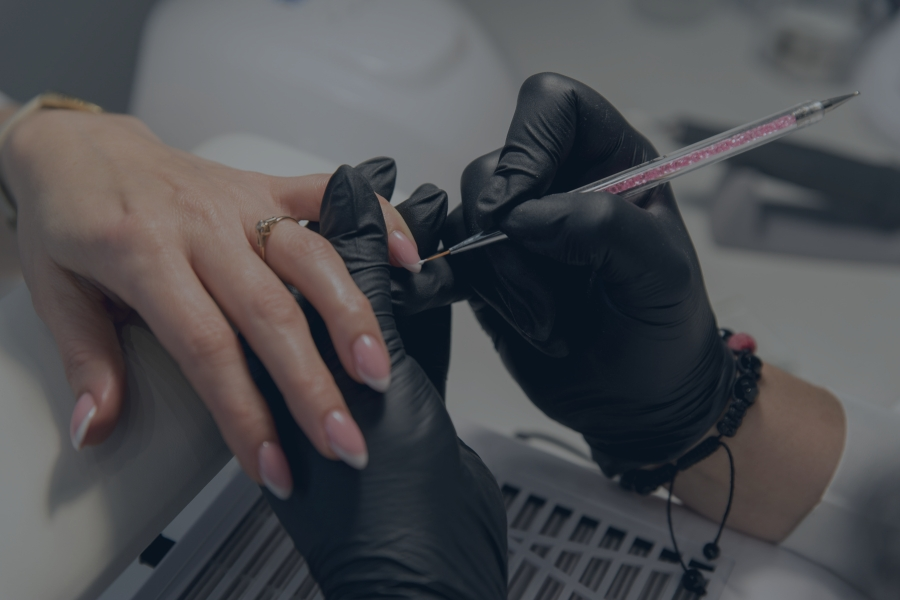
Nail salon negligence can turn what should be a relaxing manicure or pedicure into a painful injury. While most nail salon visits are completed safely, unsafe sanitation practices, contaminated tools, sharp instruments, and chemical products can sometimes lead to infections, cuts, burns, allergic reactions, or lasting nail damage.

There is an important difference between being unhappy with your nails and suffering an injury caused by negligence. Chipped polish, uneven shaping, or a color you dislike usually does not create a legal claim. However, an infection, serious cut, chemical burn, permanent nail damage, or another documented injury may. If you developed an infection or suffered another serious injury after a manicure or pedicure, speak with our personal injury lawyers in New Jersey about your legal options.

What is Nail Salon Negligence?

Nail salon negligence occurs when a salon or technician fails to use reasonable care while providing services, causing a client to suffer an injury.

A Bad Result Versus an Actual Injury

Not every disappointing salon visit is negligence. A manicure that chips quickly, uneven polish, or an unwanted nail shape may be frustrating, but those issues alone generally do not support a personal injury claim.

A legal claim typically requires a physical injury caused by unreasonable conduct. Examples may include an infection, deep cut, chemical burn, permanent nail damage, scarring, or another injury that results in medical treatment, pain, lost income, or other measurable damages.

The Salon’s Duty of Care

Nail salons and technicians are expected to take reasonable precautions to protect their clients throughout a service. Depending on the treatment, that may include:

  • Sanitizing reusable tools between clients
  • Discarding single-use items after one use
  • Properly cleaning and maintaining foot spas
  • Handling sharp tools carefully
  • Following product instructions and safety warnings
  • Employing properly licensed technicians

When those basic safety measures are ignored, clients may face unnecessary risks that could have been prevented.

Overview of New Jersey Nail Salon Regulations

New Jersey regulates nail salons through the State Board of Cosmetology and Hairstyling to help protect public health and safety. Nail technicians must complete at least 300 hours of approved training, pass both written and practical licensing exams, and maintain an active state license before providing services.

Nail salons must also hold a valid shop license, ensure every technician is properly licensed, and follow sanitation, ventilation, and infection-control requirements. While a licensing violation does not automatically establish negligence, failure to follow these standards may become relevant when evaluating whether a salon exercised reasonable care.

Common Causes of Nail Salon Injuries

Many nail salon injuries result from preventable sanitation failures, unsafe techniques, or poor training.

Unsanitary Tools and Reused Items

Reusable tools such as nail clippers, cuticle nippers, drill bits, metal pushers, and scissors should be properly cleaned and disinfected between clients. Reusing contaminated equipment may transfer bacteria, fungi, or other harmful microorganisms.

Single-use items, including nail files, buffers, wooden sticks, toe separators, and pumice stones, should generally not be reused because porous materials can be difficult to disinfect effectively.

Improperly Maintained Foot Spas

Pedicure foot spas require regular cleaning and maintenance. Bacteria can collect inside jets, filters, drains, and internal plumbing if the equipment is not properly disinfected between appointments.

Poorly maintained foot spas have been linked to bacterial infections, making routine cleaning an important part of providing a safe pedicure experience.

Cuts and Aggressive Nail Care

Sharp tools are commonly used during manicures and pedicures, but careless techniques can lead to preventable injuries.

Examples include:

  • Cuticle nippers cutting too deeply
  • Razors or callus tools breaking the skin
  • Electric drills removing too much nail
  • Aggressive filing around sensitive skin

Even a small cut may become a more serious problem if bacteria enter the wound.

Contaminated Products and Chemical Exposure

Products such as acrylic systems, gels, primers, adhesives, removers, and other nail chemicals may cause injuries when they are contaminated, used improperly, or applied without appropriate precautions.

Potential injuries include:

  • Chemical burns
  • Skin irritation
  • Allergic reactions
  • Swelling
  • Blistering
  • Contact dermatitis

The risk may increase if products are expired, improperly mixed, or applied to broken skin.

Poor Training and Unsafe Salon Conditions

Some injuries occur because technicians have not received adequate training or because salons fail to maintain a safe environment.

Examples include:

  • Improper sanitation procedures
  • Inadequate infection-control practices
  • Poorly maintained equipment
  • Wet floors
  • Loose electrical cords
  • Unstable chairs
  • Cluttered walkways

Proper training, routine sanitation, and a clean salon environment all play an important role in reducing the risk of preventable injuries.

Common Nail Salon Infections and Injuries

Nail salon injuries can range from minor irritation to serious infections, burns, and permanent nail damage. Symptoms may appear immediately or develop over the following days.

Bacterial and Fungal Infections

Bacterial and fungal infections are among the most common concerns after an unsafe manicure or pedicure.

Warning signs may include:

  • Redness
  • Swelling
  • Pus or drainage
  • Increasing pain
  • Nail discoloration
  • Thickening or crumbling
  • Nail separation

Possible conditions may include paronychia, staph infections, fungal infections, infected cuts, and other medically diagnosed conditions. Because several nail and skin problems can look similar, a healthcare professional should evaluate the injury and determine the cause.

Cuts, Burns, and Allergic Reactions

Careless use of sharp tools may cause puncture wounds, cuts, or significant bleeding. Nail products may also cause chemical burns, contact dermatitis, swelling, blistering, or other allergic reactions.

Breathing difficulty, facial swelling, or rapidly worsening symptoms may indicate a serious reaction that requires immediate medical attention.

Permanent Nail Damage and Scarring

Severe infections, nail-bed injuries, aggressive filing, and chemical exposure may cause lasting harm.

Potential complications include:

  • Permanent nail loss
  • Nail deformity
  • Ongoing discoloration
  • Damage to the nail bed
  • Scarring around the nail
  • Reduced use of a finger or toe

The long-term effect of the injury may become important when evaluating the value of a negligence claim.

Who May Be Responsible?

Responsibility may extend beyond the individual technician who performed the service.

The Technician and Salon Owner

A nail technician may be responsible for careless tool use, improper product application, poor sanitation, or failure to respond when a client is injured.

The salon owner or operating company may also be responsible for broader failures, including:

  • Inadequate staff training
  • Unsafe sanitation policies
  • Allowing unlicensed work
  • Failure to maintain foot spas or other equipment
  • Poor supervision
  • Unsafe salon conditions

The facts may show that both the technician and salon contributed to the injury.

Product and Property-Related Liability

Other parties may also share responsibility.

A product manufacturer or distributor may be involved when an injury results from a contaminated, defective, or improperly labeled product. A franchise or operating company may be responsible for policies, training, or maintenance failures.

A property owner may also be liable when a client is injured by a dangerous condition such as wet flooring, unstable furniture, loose cords, or defective equipment.

What Must Be Proven in a Negligence Claim?

A nail salon injury does not automatically prove negligence. A claimant generally must establish four elements:

  • Duty: The salon owed the client a duty to provide the service with reasonable care.
  • Breach: The salon or technician failed to follow appropriate safety, sanitation, or professional practices.
  • Causation: That failure caused the client’s infection or injury.
  • Damages: The client experienced medical expenses, lost income, pain, scarring, or another measurable loss.

Evidence may include medical records, photographs, salon receipts, appointment confirmations, witness statements, product information, and photographs or reports showing unsanitary conditions.

The timing of symptoms may also matter. Prompt medical evaluation can help document when the condition appeared and whether it is consistent with the salon service.

What Should You Do After a Nail Salon Injury?

Take the following steps to protect your health and preserve important evidence.

Stop the Service

Tell the technician immediately if you experience severe pain, burning, bleeding, swelling, dizziness, or another concerning symptom. The service should not continue when a serious reaction or injury is developing.

Seek Professional Medical Care

Have the injury evaluated by a qualified healthcare professional. Prompt care can help prevent complications and create medical documentation of the condition.

Photograph the Injury and Salon Conditions

Take clear photographs of the affected nail, surrounding skin, swelling, cuts, drainage, burns, or other visible symptoms.

When possible, also photograph the tools, work area, foot spa, spilled products, or other unsafe conditions.

Preserve Records and Product Information

Keep:

  • Receipts
  • Appointment records
  • Product names
  • Before-and-after photographs
  • Text messages and emails
  • Refund discussions
  • Waivers
  • Medical records and bills

Avoid discarding damaged artificial nails, product packaging, or other materials that may later become relevant.

Identify Witnesses

Collect the names and contact information of employees, customers, friends, or relatives who witnessed the incident or saw the injury afterward.

Report Unsafe Practices

Unsafe or unsanitary salon practices may be reported to the New Jersey Division of Consumer Affairs or the State Board of Cosmetology and Hairstyling.

A licensing complaint is separate from a civil personal injury claim and does not automatically provide compensation.

Speak With a Personal Injury Attorney

A personal injury attorney can review the evidence, determine whether negligence may have occurred, identify responsible parties, obtain salon and insurance records, and explain the available legal options.

Compensation and New Jersey Filing Deadlines

The compensation available in a nail salon negligence claim depends on the severity of the injury, the cost of treatment, and how the condition affects the client’s work and daily life.

Potential Compensation

A claim may include compensation for:

  • Medical expenses
  • Lost wages
  • Physical pain and suffering
  • Scarring
  • Permanent nail damage
  • Emotional distress connected to the injury
  • Future treatment costs

Future expenses may include additional medical care, infection treatment, scar management, or corrective procedures. Any claimed costs should be reasonably connected to the salon injury and supported by documentation.

How Long You Have to File

New Jersey generally applies a two-year statute of limitations to personal injury claims. However, the exact deadline may depend on the circumstances of the case.

Waiting can also make a claim harder to prove. Records may be lost, products may be discarded, and witnesses may become difficult to locate. Injured clients should obtain case-specific legal guidance rather than relying only on the general two-year rule.

Frequently Asked Questions About Nail Salon Negligence

Can I Sue a Nail Salon for an Infection?

Possibly. A claim may be available when poor sanitation, contaminated tools, an improperly maintained foot spa, or another unsafe practice caused a documented infection.

Can I Sue if a Nail Technician Cut Me?

Possibly, especially if the cut required medical treatment, became infected, caused scarring, or resulted from careless tool use.

How Can I Prove the Infection Came From the Salon?

Helpful evidence may include medical records, photographs, receipts, witness statements, product information, and documentation of unsafe or unsanitary salon conditions.

Can I File a Claim for Permanent Nail Damage?

Potentially. Serious infections, nail-bed injuries, aggressive filing, or chemical exposure may support a claim when they cause lasting deformity, discoloration, nail loss, or scarring.

Does Signing a Waiver Prevent a Claim?

Not necessarily. A waiver does not automatically excuse negligent conduct. Its effect depends on the language used, the circumstances, and New Jersey law.

Should I Accept a Refund From the Salon?

A refund may cover the cost of the manicure or pedicure, but it may not address medical bills, lost wages, or other damages. Review any settlement or release language carefully before signing.

Protecting Your Rights After a Nail Salon Injury

A disappointing manicure is not automatically negligence. However, infections, serious cuts, burns, scarring, and permanent nail damage may justify further investigation when they result from unsafe tools, poor sanitation, careless techniques, or defective products.

Prompt medical care and strong documentation can help show what happened and how the injury affected you. If a manicure or pedicure caused a serious infection, cut, burn, permanent nail damage, or another injury, contact our personal injury lawyers in NJ to learn about your options for pursuing compensation.

A Closer Look into E-Bike Accidents in New Jersey

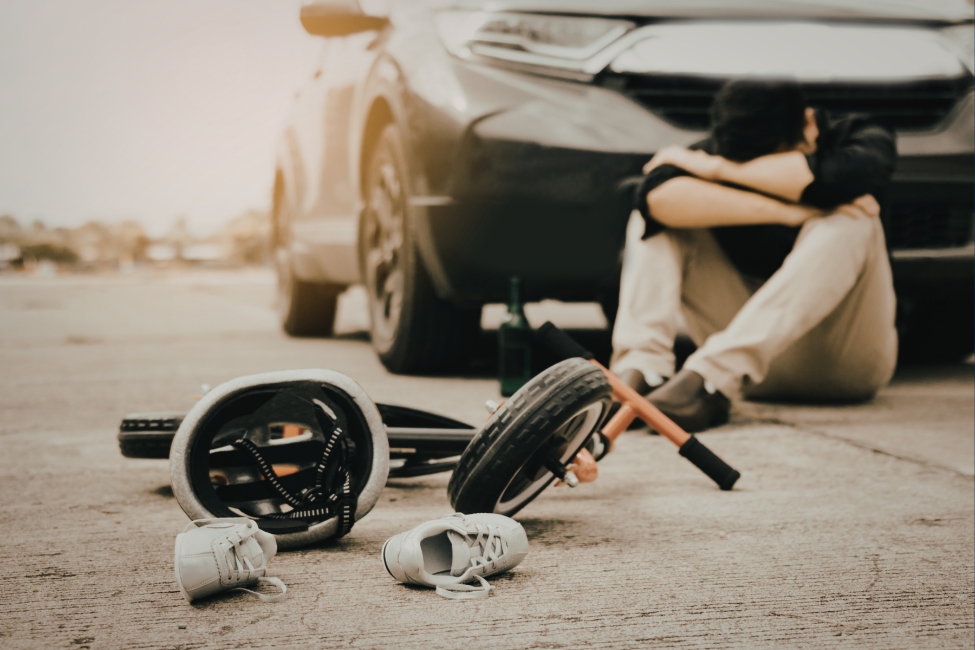
New Jersey e-bike accidents are getting harder to ignore because e-bikes are showing up everywhere, and so are serious injury and fatal crash reports. What used to feel like a niche issue now has the attention of families, police departments, prosecutors, and lawmakers across the state. These are not minor incidents. The stories coming out of New Jersey involve children, teenagers, adults, critical injuries, deaths, hit and runs, and growing questions about speed, road use, and accountability. This article highlights prominent New Jersey e-bike accidents from 2025 through 2026 and what they show about risk, liability, and safety.

If you or your child was hurt in an e-bike crash, legal questions can come up fast. Our New Jersey e-bike accident lawyers help injured riders and families understand their options after serious collisions.

Prominent E-Bike Accidents in New Jersey: 2025–2026

New Jersey Enacts Sweeping E-Bike Safety Law Amid Rising Crash Concerns

New Jersey’s new statewide e-bike law did not come out of nowhere. It came after a visible rise in serious and fatal crashes, and it shows just how seriously the state is starting to treat this issue. The law now applies across e-bike types, including pedal assist, throttle operated models, and higher powered bikes that blur the line between bicycle and motor vehicle.

The changes are significant. Riders 17 and older now need a valid driver’s license. Riders ages 15 and 16 must get a motorized bicycle license. Children under 15 are no longer allowed to operate e-bikes at all. The law also adds registration and insurance requirements, with a compliance deadline before fines begin. On top of that, New Jersey temporarily banned online e-bike sales for one year and made speed or power modification kits illegal.

This matters because it sets the legal backdrop for the crashes below. The state is clearly signaling that e-bikes are no longer being treated like a casual gray area. They are now a public safety issue with real legal consequences.

Two 14-Year-Olds Seriously Injured in Garfield E-Bike Crash

A March 2026 crash in Garfield shows how quickly an e-bike collision can turn catastrophic. At Jewell Street and Columbus Avenue, two 14 year olds riding the same e-bike were seriously injured after a collision with a vehicle. One of the teens was reported in critical condition.

Later reporting added an important detail. Authorities said the e-bike was traveling the wrong way on a one way street before the crash. That detail matters. When a case involves wrong way travel, multiple riders on one bike, a vehicle in the roadway, and life threatening injuries, the legal analysis becomes much more complicated. Questions of fault do not stop at who got hurt the worst. They also turn on positioning, traffic flow, visibility, and whether each party had time to react (ABC7NY, 2026).

This is exactly the kind of case that shows why early assumptions can be misleading. Serious injury alone does not answer liability. The facts do.

Teen Injured in Washington Township Crash Involving a 60V Talaria

In Washington Township, a 15 year old was injured in a crash involving a 60V Talaria Sting MXR3 on Ganttown Road. Reports said the teen suffered broken wrists after the e-bike struck the rear of an Acura, and police said the rider told first responders that bright sun affected his visibility.

What stands out here is not just the injury. It is the type of vehicle involved and the warning from local police. The chief described high speed e-bikes as a growing safety concern and pointed out that some of these devices can reach motorcycle-like speeds. That is a major issue, especially when they are being used by minors on busy local roads (NBC Philadelphia, 2025)

This case helps show that New Jersey e-bike accidents are not limited to crowded city intersections. They are happening in suburban areas too, often with machines that are far more powerful than what many parents or drivers assume.

14-Year-Old Killed in Somers Point While Riding an E-Bike

A 14 year old boy was killed in Somers Point after a crash at Maryland Avenue and the bike path. He was taken to the hospital, airlifted to a trauma center, and later died from his injuries. The driver stayed at the scene, and reports said speed and alcohol did not appear to be factors.

That makes this case especially important. Not every fatal e-bike crash starts with obvious signs of reckless driving, intoxication, or a fleeing driver. Sometimes the key issues are visibility, intersection design, rider movement, driver awareness, and right of way. In other words, a deadly crash can happen even when the usual headline grabbing factors are not present (ABC Action News, 2025)

Officials in the area publicly connected this crash to the broader rise in e-bike safety concerns. That is worth paying attention to. It suggests these incidents are not being seen as isolated anymore. They are being viewed as part of a pattern.

Mount Laurel Hit-and-Run Kills 49-Year-Old E-Bike Rider

In Mount Laurel, Anthony Caprio III, 49, was killed after being struck while riding an e-bike on Route 73 shortly after midnight. Police later released surveillance footage and searched for the driver, who allegedly fled the scene.

A fatal hit and run changes the legal picture immediately. These cases are not just about negligence. They often involve criminal exposure, aggressive investigation, insurance complications, and wrongful death issues for surviving family members. When the driver leaves, it can also raise urgent questions about how the family gets answers, whether uninsured or underinsured coverage may come into play, and what evidence can still be preserved (ABC Action News, 2025).

This is one of the clearest examples in this group of how an e-bike crash can become a major legal matter fast, especially when the driver does not stay and the victim’s family is left trying to piece together what happened.

Middletown Crash With Police Vehicle Leaves E-Bike Rider Dead

A crash in Middletown involving an on duty Atlantic Highlands police officer adds another layer of complexity. Henry Phillips Jr., 73, later died after the collision. Officials said the officer made a right on red before the crash, and they also said the e-bike was traveling south in the northbound lanes of Route 36 (New Jersey 101.5, 2025).

Cases involving government vehicles are rarely simple. When a police vehicle is involved, there are usually added investigative steps, public scrutiny, and legal questions tied to official conduct, roadway positioning, and immunity issues. At the same time, the reported direction of travel for the e-bike also becomes central to the analysis.

That is what makes this case so important in the larger conversation around New Jersey e-bike accidents. Sometimes the facts point in more than one direction at once. A crash can involve possible driver error, possible rider error, and a far more complicated liability analysis than the initial headline suggests.

Two Cranford Teen Girls Killed in E-Bike Crash

The Cranford case is one of the most devastating and high profile e-bike tragedies in this group. Two 17 year old girls were killed after being struck while riding e-bikes. Reports said they were believed to be heading home from a school event when they were hit. The driver allegedly fled and was later taken into custody.

Later reporting made the case even more disturbing. Authorities alleged the teen driver was traveling around 70 miles per hour in a 25 mile per hour zone, and later charging language described the crash as intentional. That moves this case far beyond a standard traffic collision. It becomes a case about alleged extreme recklessness, possible intent, and the kind of conduct that can completely change both criminal and civil exposure (ABC Eye Witness News, 2025)

13-Year-Old Killed After Collision With Landscaping Truck in Scotch Plains

In Scotch Plains, a 13 year old boy was killed after a crash at Mountain Avenue and Mountainview Avenue involving a landscaping truck. He was taken to the hospital with critical injuries and later died. Reports said the truck driver stopped a short distance away and cooperated with investigators (CBS News, 2025).

What stands out here is the age of the rider and the size mismatch involved. When an e-bike collides with a larger commercial vehicle, the outcome can be devastating. The physical protection just is not there.

The community response also says a lot. Local officials spoke publicly about the loss, and counseling was made available for students, staff, and even first responders. That kind of response makes clear this was not treated as a routine traffic incident. It was a tragedy that hit the entire community.

22-Year-Old Man Critically Injured in Teaneck Near Turnpike Entrance

A December 2025 crash in Teaneck shows these incidents are not limited to children and teens. A 22 year old man riding an e-bike near the ramp to I 95 South on Degraw Avenue was found unconscious after being struck by a vehicle and was reported in critical condition.

Police said the driver stayed at the scene and cooperated. A preliminary investigation also said the e-bike rider abruptly entered the roadway from the center median before the collision (NJ, 2025).

This is an important example because it expands the age range and shows how dangerous these crashes can be near major roads and highway access points. It also reinforces a bigger point. Some e-bike cases involve obvious driver misconduct, but others turn on fast moving questions about rider position, traffic flow, timing, and visibility.

19-Year-Old Hospitalized After Fanwood E-Bike Collision

In Fanwood, a 19 year old e-bike rider was hospitalized after a crash at Martine Avenue and Midway Avenue. Reports said no other injuries were reported, and the investigation remained ongoing.

This one matters even though it was not fatal. Not every important e-bike case ends in death. Serious injury cases still raise major questions about how the crash happened, who had the right of way, and whether a driver or rider made a preventable mistake (Tapinto, 2025)

It also helps show the broader statewide pattern. These crashes are happening in different towns, to different age groups, and under different factual circumstances. That is exactly why the issue is getting so much attention.

What These New Jersey E-Bike Accidents Have in Common

Many Cases Involve Teen Riders

One of the clearest patterns is how often teenagers show up in these cases. Several of the crashes involved riders between 13 and 17 years old. That matters because younger riders may have less experience, less road awareness, and less appreciation for how fast some of these bikes actually move.

It also helps explain why New Jersey changed the law. The new restrictions on age, licensing, registration, and insurance did not happen in a vacuum. They reflect a growing concern that youth access and supervision have become part of the safety problem.

Serious Injuries Happen Fast

The injuries in these cases are not minor. The reporting includes critical conditions, airlifts, broken wrists, and fatal trauma. That is the reality when a rider with almost no physical protection collides with a car, truck, or SUV.

That is also why these cases often become legal matters quickly. A severe injury can mean emergency treatment, surgery, missed work, long term recovery, and questions about who is going to pay for all of it.

Intersections, Busy Roads, and Traffic Flow Problems Keep Showing Up

A lot of these crashes happened at intersections, on busy local roads, near ramps, or in places where traffic movement gets more complicated. One way streets, crossing traffic, major corridors, turning vehicles, and riders entering the roadway unexpectedly all show up again and again.

That pattern matters because crash cases often come down to positioning and movement. Who was where. Who had the right of way. Who could see whom. Who had time to react. Those details often decide whether a claim is strong or weak.

Driver Conduct Still Matters

Even when rider conduct is part of the story, driver behavior still matters in many of these cases. Alleged speeding, hit and run conduct, failure to avoid a visible rider, and poor lookout can all shape the legal analysis.

Some of the most serious cases in this group involved allegations far beyond ordinary carelessness. That is part of why these stories carry so much weight. They are not just about e-bikes. They are also about how drivers behave around vulnerable people on the road.

When an E-Bike Accident May Lead to a Legal Claim

Injured Riders May Have a Claim Against a Driver

An injured rider may have a legal claim when a driver’s actions helped cause the crash. That can include failure to yield, distracted driving, speeding, unsafe turns, or hit and run conduct. In some cases, a driver may claim the rider caused everything, but the full evidence can tell a very different story.

That is one reason these cases should be looked at carefully. Liability is not always obvious from the first report or the first conversation at the scene.

Families May Have Wrongful Death Claims After Fatal Crashes

When an e-bike crash is fatal, surviving family members may have the right to pursue a wrongful death claim. That can involve funeral expenses, loss of financial support, loss of companionship, and the broader need for accountability.

No legal claim changes what happened, but it can help families get answers and pursue financial recovery after a devastating loss.

Liability is Not Always Simple in E-Bike Cases

E-bike cases can get complicated fast. Rider conduct may be examined. Police reports matter. Video footage matters. Witness statements, vehicle data, road layout, lighting, and traffic direction can all affect the outcome.

That is especially true in cases involving minors, high speed devices, one way streets, turning vehicles, or government actors. The headline may sound simple. The actual liability analysis usually is not.

What To Do After an E-Bike Accident in New Jersey

Get Medical Care Right Away

Your health comes first. Even if you think the injury is minor, get checked out. Some serious injuries do not feel fully obvious right away, especially after a high impact crash.

Preserve Photos, Video, and Witness Information

If you can, keep photos of the scene, the bike, the vehicle, visible injuries, and road conditions. Save any video and get names and contact information for witnesses. In many cases, that evidence becomes extremely important later.

Do Not Assume the Initial Story Tells the Whole Story

Early reports are often incomplete. They may leave out witness accounts, camera footage, traffic details, or later investigative findings. Do not assume the first version is the final version.

Speak With a New Jersey E-Bike Accident Lawyer Early

The sooner a lawyer can review what happened, the better the chance of preserving evidence and identifying the key legal issues. That can matter a lot in serious injury and wrongful death cases.

Final Thoughts on Recent New Jersey E-Bike Accidents

These New Jersey e-bike accidents show how quickly a crash can become life changing. The cases involve children, adults, cars, trucks, police vehicles, and hit and run drivers. Some involve obvious misconduct. Others involve more complicated questions about roadway position, visibility, and fault.

What they all have in common is this: these are serious cases, and the legal and factual issues can become complicated fast.

If you or someone in your family was hurt in an e-bike crash, speaking with a lawyer early can help protect important evidence and clarify your options. Contact our New Jersey e-bike accident attorneys to discuss what happened and what steps may make sense next.

E-Bike Accident Statistics 

E-bike usage is exploding—but so are accident rates.

In the U.S., injuries have jumped from under 1,000 cases in 2017 to over 23,000 by 2022, with some regions seeing increases as high as 1,800% in just a few years (CPSC, 2023).. That kind of growth isn’t normal—and it’s changing how injury claims are showing up across New Jersey.

This guide breaks it down clearly:

  • How fast e-bike injuries are rising
  • Who is most at risk
  • Why accidents are happening more often
  • What it means if you’re injured in New Jersey

If you ride, commute, or were recently hurt, get in touch with an experienced personal injury attorney in New Jersey to help you sort everything out quickly. 

The Rise of E-Bikes in the U.S.

Why E-Bikes Are Growing So Fast

E-bikes are everywhere now—and for good reason.

Over 1.1 million e-bikes were sold in the U.S. in a single year, and adoption continues to grow around 10% annually (US Department of Energy, 2022). They’re easier than traditional bikes, cheaper than cars, and ideal for short trips—especially in areas like Monmouth County and throughout NJ where commuting distances are short.

At the same time, nearly half of all car trips are under 3 miles, making e-bikes a practical replacement.

Growth in Sales and Usage

Usage isn’t just increasing—it’s accelerating.

Micro Mobility has grown 50x over the past decade, and e-bikes are a major part of that shift. But with more riders—especially first-time riders—comes more risk.

More riders = more accidents. And that’s exactly what we’re seeing.

E-Bike Accident Statistics (Key Data Points)

Year-Over-Year Injury Increases

The numbers are clear.

E-bike injuries rose from 751 cases in 2017 to over 23,000 in 2022. That’s exponential growth—not a gradual increase.

Some data also shows injuries doubling year over year during peak adoption periods.

Hospitalizations and Severity Rates

These aren’t minor incidents.

Roughly 10–11% of e-bike injuries require hospitalization, often involving:

  • Fractures
  • Concussions
  • Internal injuries

Compared to traditional bicycles, e-bike crashes tend to be more severe, largely due to speed and weight (The Physician and Sportsmedicine vol. 53. 2025). 

Fatality and Serious Injury Trends

Head injuries are the biggest concern.

In some cases, head trauma incidents have increased nearly 50x over a five-year period, and only about one-third of riders involved in crashes were wearing helmets.

When speed increases, the margin for error disappears—and the consequences are more serious.

Who is Most at Risk in E-Bike Accidents?

Age Demographics

There’s no single “at-risk” group—but patterns are clear.

  • The average injured rider is around 39 years old
  • Teens are high-risk due to inexperience
  • Older adults are increasingly involved as adoption grows

This isn’t just a young rider issue—it’s widespread.

Experience Level and First-Time Riders

A lot of riders underestimate what they’re using.

E-bikes can reach 20–28 mph, and some modified versions go even faster. New riders often misjudge braking distance, turning speed, and traffic timing.

That learning curve is where a lot of accidents happen.

Helmet Usage Statistics

Helmet use is a major problem.

Only about 30–33% of injured riders were wearing helmets, despite head injuries being the most common serious outcome.

That gap directly impacts injury severity—and potential long-term consequences.

Common Causes of E-Bike Accidents

Speed and Power Differences

E-bikes move faster than people expect.

Some models—and especially modified ones—can reach 30–50+ mph, dramatically reducing reaction time and increasing crash impact.

Collisions with Vehicles

Many accidents involve cars.

Around 30% of e-bike injuries involve a motor vehicle, often at intersections or during turns. Drivers misjudge speed, and riders don’t have enough time to react.

Rider Behavior and Risk Factors

Behavior plays a big role.

Common contributing factors include:

  • Riding without a helmet
  • Riding under the influence
  • Distracted riding

At higher speeds, small mistakes turn into serious injuries.

The Hidden Factor: E-Motos vs E-Bikes

What is an E-Moto?

Not every “e-bike” is actually an e-bike.

E-motos are high-powered electric motorcycles that can reach 30–65+ mph, with significantly more wattage than regulated e-bikes.

Misclassification Issues

Many of these vehicles are marketed as e-bikes—but behave like motorcycles.

They may have pedals or “limited modes,” but in reality, they exceed safe speed limits and operate more like motor vehicles.

Why This Skews Accident Statistics

This matters more than people realize.

When these high-speed vehicles are involved in crashes, they’re often counted as e-bike accidents. That inflates the perceived risk and creates confusion.

It also highlights a bigger issue: Lack of clear regulation and enforcement.

Where E-Bike Accidents Happen Most

Urban vs Suburban vs Rural

Most accidents happen in urban areas.

Cities like those throughout New Jersey—especially denser areas—have:

  • More traffic
  • More intersections
  • More rider exposure

That increases accident frequency.

Infrastructure Gaps

Infrastructure is a major factor.

Many areas lack protected bike lanes, forcing riders to share space with cars or navigate unsafe road conditions.

Sidewalk vs Roadway Incidents

There’s risk on both sides.

  • Sidewalk riding leads to pedestrian conflicts
  • Road riding increases vehicle collision risk

Without proper infrastructure, riders are stuck choosing between two imperfect options.

What These Statistics Actually Mean

Risk vs Popularity

More riders = more incidents.

As e-bikes become more common, total accidents will rise. That doesn’t mean they’re inherently unsafe—it means exposure is higher.

Are E-Bikes Truly Dangerous

Context matters.

Compared to cars, e-bikes are still less dangerous overall. But they introduce unique risks—especially when speed, inexperience, and traffic mix together.

The Role of Education and Regulation

This is where things improve.

  • Helmet use dramatically reduces injury severity
  • Clear definitions (e-bike vs motor vehicle) reduce confusion
  • Better infrastructure reduces accidents

Most risks are preventable with the right systems in place.

What to Do After an E-Bike Accident

If you’ve been in an e-bike accident, what you do next matters.

Start with medical care—even if injuries seem minor. Document everything: photos, location, contact info, and details of what happened.

From there, consider liability. If a vehicle was involved or negligence played a role, you may have a valid injury claim.

In New Jersey, these cases can get complex quickly—especially when insurance and fault are involved. If you’re dealing with an e-bike accident right now, speaking with an e-bike injury lawyer early can make a major difference in how your case is handled from day one.

Conclusion

E-bike use is growing fast—and so are the risks.

The data shows clear trends: more riders, more accidents, and more serious injuries when safety is overlooked. But the takeaway isn’t fear—it’s awareness.

Understanding how these accidents happen puts you in a better position to avoid them.

If you’ve been injured in an e-bike accident in New Jersey, it’s worth understanding your options. Speaking with an experienced personal injury attorney can help you determine what your case may be worth and what steps to take next.

Winter Slip and Fall Accidents in New Jersey: What to Do, Who’s Responsible, and How to Protect Your Claim

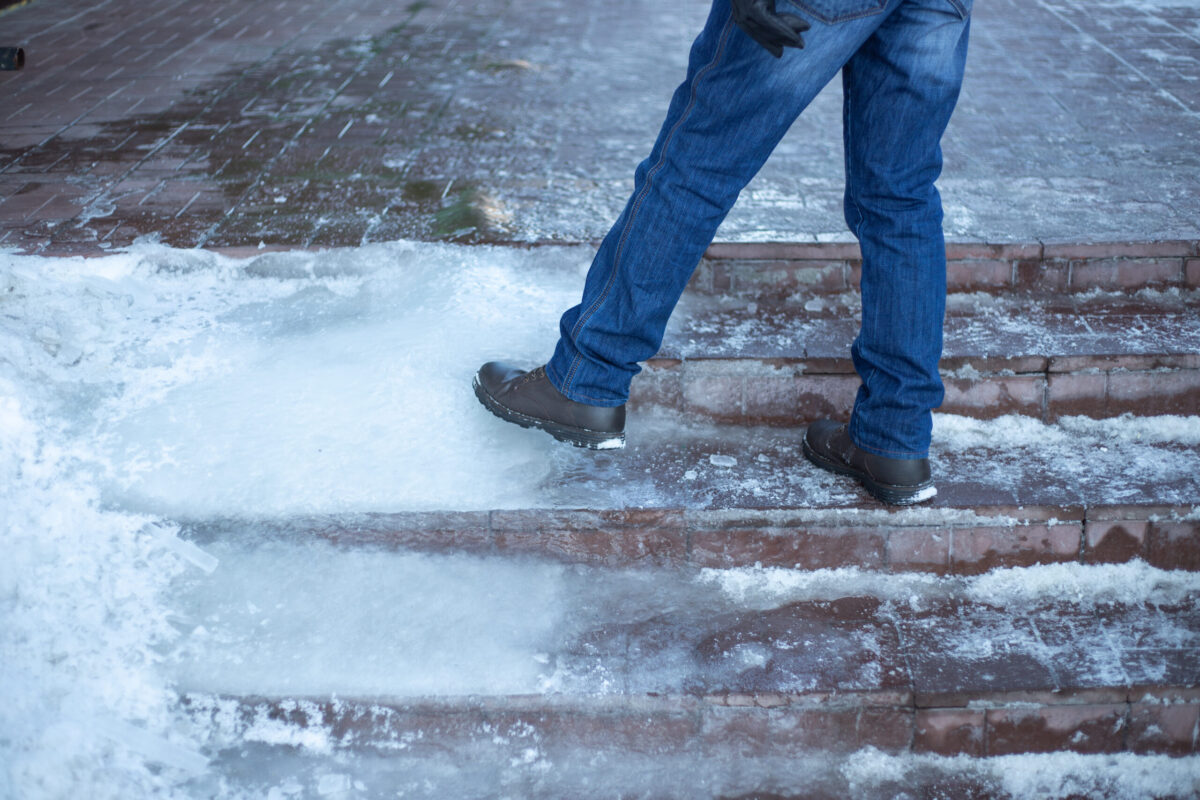
Winter weather makes sidewalks, parking lots, stairs, and store entrances deceptively dangerous. If you slipped on ice or packed snow in New Jersey, you may be able to recover compensation—but you’ll need proof, quick action, and a clear understanding of who was responsible for snow and ice removal and when they were required to act.

Falls are not minor accidents. A single slip can result in broken bones, head trauma, spinal injuries, permanent disability, or death. More than 8.8 million people were treated in emergency rooms for fall-related injuries in 2023, showing just how common — and serious — these incidents are (NCS, 2023). 

Winter weather plays an overwhelming role. According to a study published in the Journal of Safety Research, 97% of all weather-related injuries are slips or trips on ice and snow (Journal of Safety Research, 2015). These accidents spike during winter months, especially in states like New Jersey where freeze-thaw cycles are frequent.

This guide explains why winter slip and fall accidents happen so often, where they occur, how to understand your rights in New Jersey, what to do after a fall, the role of a reliable slip and fall lawyer, and how to protect yourself at home and at work.

Winter Slip and Fall Statistics: How Common Are These Injuries?

Slip and fall accidents are one of the leading causes of injury nationwide, and winter weather significantly increases the risk. Emergency rooms see a sharp rise in fall-related injuries during colder months when snow and ice are present.

Weather-related injuries are overwhelmingly tied to winter conditions. Ice-covered walkways, snow-packed surfaces, and freezing rain account for the vast majority of seasonal fall injuries. These hazards are often unavoidable, especially in high-traffic areas like parking lots, apartment complexes, retail entrances, and public sidewalks.

Winter creates a perfect storm of risk: slick surfaces, limited visibility, bulky footwear, and rushed movement. The combination leads to sudden falls that leave little time to react or protect the body.

These statistics matter because slip and fall injuries are largely preventable. Understanding how often they occur — and why — highlights the importance of proper snow and ice removal, public safety awareness, and knowing your legal rights when preventable hazards cause harm.

Why Winter Slips, Trips, and Falls Happen So Often

Ice Formation and Black Ice

Black ice forms when moisture freezes on pavement without visible frost or snow. It often develops overnight or during early morning hours when temperatures drop quickly. Because it blends into the surface, people step onto it without realizing the danger.

Black ice is especially dangerous on sidewalks, parking lots, stairs, ramps, and building entrances. Even cautious walkers can lose footing instantly, making these falls sudden and severe.

Snow Accumulation and Improper Removal

Fresh snow quickly becomes compacted by foot traffic and vehicles. Once packed down, snow turns into a slick, icy surface that is difficult to walk on safely.

Delayed, incomplete, or poorly performed snow removal makes conditions worse. When snow is shoveled without salting — or when melted snow refreezes — surfaces become even more hazardous, increasing the risk of serious injury.

Freezing Rain and Rapid Temperature Changes

New Jersey winters frequently involve daytime melting followed by overnight freezing. Water from melted snow refreezes into thin layers of ice, creating dangerous walking conditions.

These “refreeze” cycles are common throughout NJ winters and often occur multiple times in a single week. Surfaces that appear wet during the day can become dangerously icy by evening or morning.

Reduced Visibility and Shorter Daylight Hours

Winter brings shorter days and longer periods of darkness. Hazards like ice patches, uneven pavement, and snow buildup are harder to see in low-light conditions.

Poor lighting in parking lots, walkways, stairwells, and entryways compounds the risk. When visibility is limited, people are less able to avoid hazards — leading to unexpected slips and falls.

Common Places Where Winter Slip and Fall Accidents Occur

Winter slip and fall accidents tend to happen in predictable places — areas with foot traffic, exposure to the elements, and inconsistent maintenance. In New Jersey, these locations become especially dangerous during snow and ice events.

Sidewalks and Public Walkways

Public sidewalks are frequently covered with snow, ice, or slush during winter storms. Uneven pavement, cracks, and poorly cleared paths make these areas a leading cause of winter slip and fall injuries.

Parking Lots and Garages

Parking lots and garages often refreeze overnight, creating slick surfaces that are hard to see. Oil residue, pooled water, and poor lighting increase the risk of falls while entering or exiting vehicles.

Apartment Complexes and Condo Communities

Shared walkways, stairwells, and entry points in apartment and condo communities are common fall zones. Delayed snow removal or inconsistent maintenance can leave residents and visitors exposed to dangerous conditions.

Retail Store Entrances

Retail entrances are notorious for slippery conditions due to tracked-in snow and melting ice. Wet floors, inadequate mats, and icy exterior walkways frequently contribute to falls just steps from the door.

Office Buildings and Workplaces

Employees and visitors are often injured in office parking areas, sidewalks, and building entrances. Employers and property managers have a responsibility to address winter hazards in these high-traffic areas.

Staircases, Ramps, and Loading Docks

Stairs, ramps, and loading docks become especially dangerous in winter. Ice accumulation and lack of handrails or proper traction make falls more severe and harder to avoid.

Types of Injuries Caused by Slip and Fall Accidents in Winter

Winter falls are rarely minor. Cold weather, hard surfaces, and sudden loss of balance often result in serious injuries that require medical care and extended recovery.

Mild to Moderate Injuries

These injuries may seem manageable at first but can worsen over time without treatment.

  • Sprains and strains
  • Bruises and soft tissue injuries

Serious Injuries

More forceful falls commonly lead to fractures and joint damage.

  • Broken wrists, ankles, and hips
  • Knee and shoulder injuries
  • Back and spinal injuries

Catastrophic Injuries

Some winter slip and fall accidents cause life-altering harm.

  • Traumatic brain injuries (TBIs)
  • Spinal cord injuries
  • Permanent mobility impairment

Why New Jersey Winters Increase Slip and Fall Risk

New Jersey’s winter climate creates a perfect environment for slip and fall accidents. Rapid weather changes and population density significantly raise exposure levels.

Harsh winter storms bring snow, sleet, and freezing rain that quickly make surfaces unsafe. Freeze-thaw cycles are common, causing snow to melt during the day and refreeze overnight into slick layers of ice.

Snowstorms are often followed by rain, which refreezes as temperatures drop. This combination creates black ice and hidden hazards across sidewalks, parking lots, and roadways.

New Jersey’s urban density also increases risk. High foot traffic in residential areas, business districts, and public spaces means more people are exposed to hazardous winter conditions every day.

Who is Responsible for Snow and Ice Removal in New Jersey?

Liability for winter slip and fall accidents often comes down to who was responsible for maintaining the property.

Property Owners’ Legal Duties

Property owners have a legal obligation to maintain reasonably safe conditions. This includes removing snow and ice within a reasonable time after a storm and addressing known hazards.

Commercial vs. Residential Responsibilities

Businesses, landlords, and property managers are generally held to a higher standard because they invite the public onto their property. They must take proactive steps to inspect and clear winter hazards.

Private homeowners may have more limited responsibilities, but shared walkways, rental properties, and homeowner associations often carry legal duties for snow and ice removal.

Municipal and Public Property Considerations

Sidewalk responsibility rules vary by municipality. Claims involving public property may also require special notice and shorter deadlines, making early action critical.

What To Do Immediately After a Winter Slip and Fall

The steps you take after a winter slip and fall can significantly affect your health and your legal rights.

  • Seek medical attention right away, even if injuries seem minor
  • Report the accident to the property owner, manager, or supervisor
  • Take photos of ice, snow, lighting, and surrounding conditions
  • Gather names and contact information of any witnesses
  • Avoid giving recorded statements to insurance companies
  • Document symptoms, pain levels, and recovery progress

How Slip and Fall Claims Work After a Winter Accident

Slip and fall claims after a winter accident aren’t automatic. Even when ice or snow is involved, an injured person usually has to show that the fall was preventable — not just that winter weather existed.

Proving Negligence in Snow and Ice Cases

Winter slip and fall cases focus on whether someone failed to act responsibly under the circumstances.

Showing Unsafe Conditions Existed

This involves proving that ice, packed snow, or another hazardous condition was present where the fall occurred. Photos, witness statements, and weather records often play a key role.

Demonstrating Failure to Act Reasonably

Property owners aren’t expected to control the weather, but they are expected to respond reasonably. That includes timely snow removal, salting icy areas, and addressing known dangers.

Causation Between Hazard and Injury

Finally, there must be a clear connection between the hazardous condition and the injury. Medical records, incident reports, and witness accounts help establish that the fall directly caused the harm.

Common Challenges in Winter Slip and Fall Cases

Winter cases come with unique hurdles that don’t exist in other types of injury claims. Understanding these challenges helps set realistic expectations.

Ice melts quickly, which means evidence can disappear within hours. By the time an investigation begins, the hazardous condition may no longer be visible.

Insurance companies often try to shift blame to the weather itself, arguing that snow and ice are “natural conditions” beyond anyone’s control.

Property owners may claim the hazard was “open and obvious,” suggesting the injured person should have seen and avoided it.

Disputes also frequently arise over timing — whether the owner had enough time after a storm to reasonably remove snow and ice before the accident occurred.

How a Lawyer Helps After a Winter Slip and Fall

Winter slip and fall claims often require fast, thorough investigation before evidence fades.

Attorneys review weather data to confirm storm timing, temperatures, and freeze-thaw cycles. This helps establish when hazardous conditions likely formed.

Maintenance records and snow removal logs are obtained to determine whether proper steps were taken — or skipped — entirely.

Witnesses are interviewed while memories are fresh, which can be critical when physical evidence no longer exists.

Insurance company defenses are anticipated and challenged using documentation, expert input, and case law specific to snow and ice liability.

Preventing Winter Slip and Fall Accidents at Home and Work

While not every winter fall can be prevented, simple precautions dramatically reduce risk.

At Home

Clearing snow promptly keeps walkways from turning into ice. Applying salt or ice melt improves traction, especially on steps and driveways. Installing handrails and proper lighting makes hazards easier to see and avoid.

At Work

Employers are expected to maintain safe premises during winter weather. This includes timely snow removal, proper salting, and hazard inspections. Employees can help by wearing appropriate footwear, following safety protocols, and reporting icy conditions immediately.

Frequently Asked Questions About Winter Slip and Fall Accidents

Are property owners always liable for ice and snow?

No. Property owners are not automatically liable just because ice or snow is present. Liability depends on whether they acted reasonably under the circumstances, including whether they had enough time to address the hazard and whether proper snow and ice removal measures were taken.

What is “black ice” legally considered?

Black ice is treated like any other hazardous condition under premises liability law. Because it is difficult to see, courts often examine whether the property owner knew or should have known about the risk and whether reasonable precautions were taken to prevent injuries.

How long does a property owner have to remove snow in New Jersey?

New Jersey law does not set a strict deadline. Instead, property owners are given a “reasonable amount of time” after a storm ends to clear snow and ice. What is considered reasonable depends on factors like storm severity, temperature, and property type.

Can I file a claim if I slipped on a public sidewalk?

In some cases, yes. Liability for public sidewalks varies by municipality and property ownership. Claims involving public property often have special notice requirements and shorter deadlines, so acting quickly is critical.

What if I was partially at fault?

New Jersey follows a modified comparative negligence rule. If you were partially at fault, your compensation may be reduced by your percentage of responsibility. However, you can still recover damages as long as you were not more than 50% at fault.

How long do I have to file a claim in New Jersey?

Most slip and fall claims must be filed within two years of the accident. Claims involving government entities may have much shorter notice deadlines, sometimes as little as 90 days.

Final Thoughts: Staying Safe and Knowing Your Rights This Winter

Winter slip and fall accidents happen fast, but the consequences can last a lifetime. A single fall on ice or snow can lead to serious injuries, lost income, and long-term medical care. While prevention is always the first line of defense, understanding your legal rights is just as important when an accident occurs.

If unsafe winter conditions caused your injury, you don’t have to face the aftermath alone. Our firm has secured meaningful results for clients injured in winter-related accidents, including

  • $800,000 Recovery: Slip & Fall Icy Walkway
  • $2,200,000 Recovery: Snow/Ice-Related Car Crash Injury
  • $2,500,000 Recovery: Trip and Fall on Sidewalk

If you were injured due to snow or ice, speaking with experienced slip and fall lawyers NJ can help you understand your options and protect your right to compensation. The sooner you act, the better your chances of preserving evidence and holding the responsible party accountable.

What Qualifies as Personal Injury?

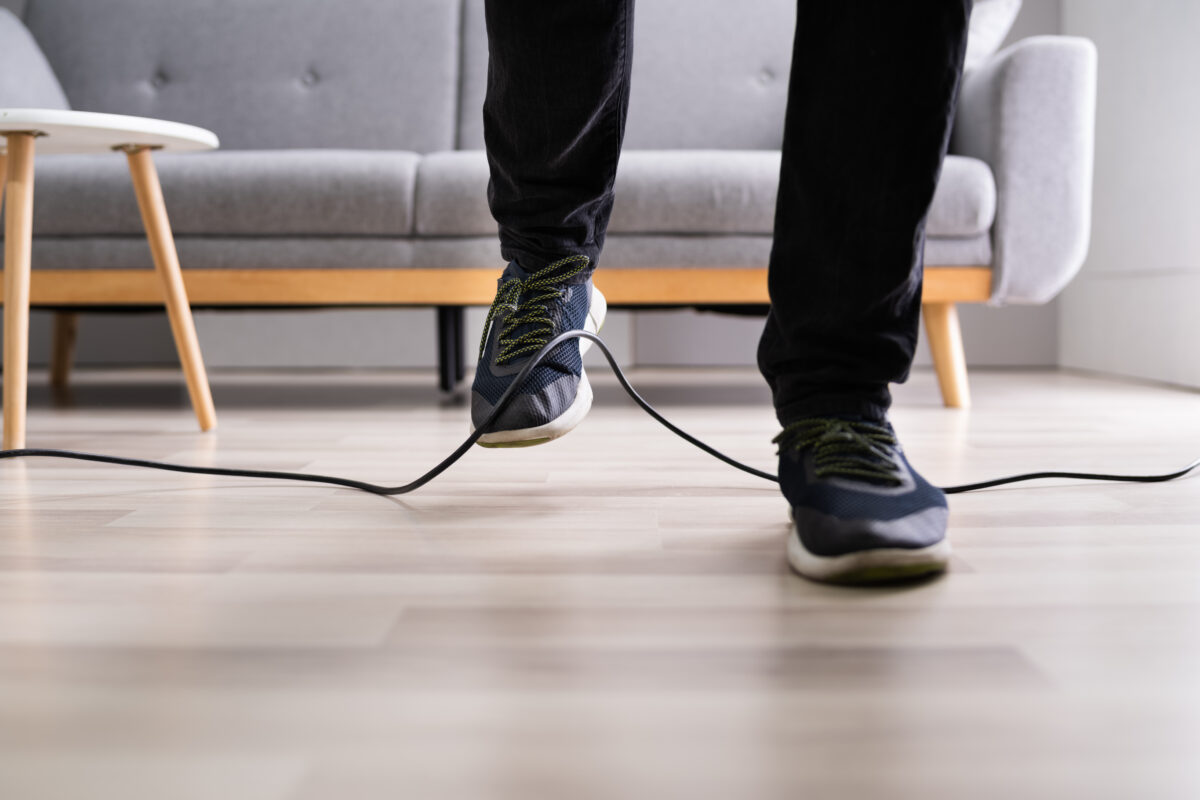
You may suffer a hip fracture after slipping on a wet floor in a grocery store or suffer a burn from a car crash. Beyond the physical injury, you may endure financial strain due to hefty medical expenses and lost productivity.

You may be entitled to compensation after sustaining an injury due to someone else’s negligence. Unfortunately, pursuing compensation is rarely straightforward. Insurance companies may reject your claim or delay your settlement.

You must also demonstrate how the negligent party’s actions direcgtly contributed to your losses. You should, therefore, work with a legal professional to understand and protect your legal rights.

A personal injury lawyer can investigate your case, gather evidence, negotiate with insurers, and litigate your case for fair and just compensation.

Key Takeaway

  • A personal injury case arises when negligence, recklessness, or intentional actions cause harm, requiring proof of duty, breach, causation, and damages.
  • Common claims include car, truck, motorcycle, slip and fall, construction, medical malpractice, and dog bite cases.
  • Settlement value depends on injury severity, insurance coverage, shared fault, evidence strength, and recovery duration.
  • Most cases settle, but trials can secure fair outcomes with strong representation.
  • Settlement timelines vary, often influenced by case complexity and medical recovery.
  • Call a personal injury lawyer to protect your legal right to compensation.


What Qualifies as a Personal Injury Case

A personal injury case arises when someone suffers harm due to another party’s negligence, recklessness, or intentional actions. An injured victim can qualify for compensation if they establish these four legal elements that form the foundation of any successful personal injury claim:

Duty of Care 

Duty of care means the defendant owes you a legal obligation to act reasonably and safely. For example, drivers must operate vehicles safely, property owners must maintain safe premises for visitors, and medical professionals must provide competent care.

A personal injury lawyer can use traffic laws, expert testimony, witness statements, and official records to prove that the defendant owed a duty of care, creating a foundation for a successful claim.

Breach of Duty 

Breach of duty occurs when the responsible party fails to meet their obligation through action or inaction. Examples of breach of duty include a driver texting while driving or a doctor failing to diagnose an obvious condition.

The breach must represent a departure from reasonable standards of care.

Causation 

Causation is an element that requires an injured victim to prove that the defendant’s breach directly caused their injuries. Causation involves both factual causation and legal causation. You cannot have a valid claim without a direct link between the accident and the injuries.

Damages

Damages represent your harm, including medical expenses, loss of enjoyment of life, pain and suffering, and other losses. Without quantifiable damages, there’s no basis for compensation, regardless of how negligent the defendant’s behavior was.

Types of Personal Injury Claims

Personal injury law applies to numerous incident types where negligent or intentional actions cause harm to others. Here are incidents that give rise to personal injury claims:

  • Car Accidents: Car crashes represent the most common personal injury claims, involving rear-end collisions, intersection crashes, and side-impact accidents. These cases often stem from distracted driving, speeding, or failure to follow traffic laws, resulting in severe injuries and fatalities.
  • Truck Accidents: These crashes involve commercial vehicles and present complex liability issues due to federal regulations, multiple potentially responsible parties, or catastrophic injuries. Our personal injury lawyers can investigate driver logs, maintenance records, and company policies to protect the rights of injured victims.
  • Drunk Driving Accidents: These incidents occur when impaired motorists cause crashes, often warranting punitive damages beyond compensatory awards. 
  • Motorcycle Accidents: Bike crashes frequently result in severe injuries due to limited rider protection. These cases often involve driver negligence, such as failing to see motorcyclists or making improper turns.
  • Slip and Fall Accidents: Our personal injury lawyers can pursue legal action against negligent property owners for failing to maintain safe premises. Common causes include wet floors, uneven surfaces, inadequate lighting, or failure to address known hazards.
  • Construction Accidents: Workers in construction sites are vulnerable to injuries from falls, equipment malfunctions, or unsafe conditions. Our personal injury lawyers can explore third-party liability claims or workers’ compensation coverage.
  • Bicycle Accidents: Bicycle crashes mostly involve cyclists struck by negligent drivers who fail to share the road safely or observe traffic laws.
  • Pedestrian Accidents: These incidents occur when a vehicle strikes a pedestrian, often resulting in serious injuries.
  • Birth Injuries: These incidents occur due to medical negligence during pregnancy, labor, or delivery, causing permanent harm to mothers or infants requiring lifelong care.
  • Medical Malpractice: The incidents arise due to healthcare provider errors, including misdiagnosis, surgical mistakes, medication errors, and treatment failures that fall below accepted medical standards.
  • Dog Bites: Our personal injury lawyers can hold pet owners liable for their animals’ aggressive behavior.


How Much Money Can You Get From a Personal Injury Claim

There is no average value you can get from a personal injury claim. The outcome depends on the facts and circumstances of the incident. Here are the factors that influence the value of a personal injury claim:

Severity of Injury

The extent and impact of your injuries can determine if you’ll receive a higher or a lower settlement value. Minor injuries like bruises or short-term sprains typically result in lower settlement value because of the nature of the loss.

Catastrophic injuries command significantly higher compensation due to their life-altering consequences. Traumatic brain injuries, spinal cord damage resulting in paralysis, or permanent disabilities can warrant settlements from hundreds of thousands to several million dollars.

Severe injuries deserve a higher settlement value because they involve extensive current and future medical expenses. Injured victims with severe injuries may also endure lifetime care needs, lost earning capacity, home modifications, assistive and substantial pain and suffering.

Insurance Coverage of the Negligent Party

In most cases, the at-fault party’s insurance coverage is the source of compensation for the injured victim. The at-fault party’s insurance policy limits determine how much you can receive, regardless of your actual damages.

Many drivers in many states carry the minimum required coverage, ranging from $25,000 to $50,000 per person. If your damages exceed these limits, recovery becomes challenging unless additional coverage sources exist.

However, multiple insurance policies might provide coverage for your claim. The negligent party may have umbrella policies offering additional protection beyond standard liability limits. Your insurance coverage can supplement recovery through underinsured or uninsured motorist protection.

Alternatively, a personal injury lawyer can initiate a lawsuit to obtain compensation from the negligent party’s assets.

Shared Fault

Your level of fault in causing the accident directly reduces your compensation under shared liability laws. In states following shared fault rules, your recovery decreases by your fault percentage even if the other party is primarily responsible.

For example, if your damages total $100,000 but you are 30 percent at fault, your compensation will be reduced to $70,000.

Insurance companies aggressively argue for higher fault percentages to minimize payouts, so you should work closely with a personal injury lawyer. Defense attorneys scrutinize your actions before the accident, looking for any behavior contributing to the incident.

Even minor actions like exceeding the speed limit by five miles per hour can be used to assign partial fault and reduce your settlement. A personal injury attorney can use evidence like traffic camera footage to shield you from being blamed for the crash.

Availability of Evidence

Evidence is the foundation of all legal claims, including personal injury claims. Strong evidence increases compensation potential by establishing clear liability and documenting injury severity. Cases lacking clear evidence often settle for lower amounts.

A personal injury attorney can use the following sources of evidence to prove your case:

  • Images of the scene
  • Witness statements
  • Surveillance footage
  • Police crash reports
  • Expert Testimony


The availability of different sources of evidence makes it difficult for the insurer to dispute your claim. You can use medical records to link injuries directly to the accident or employment records to demonstrate income loss.

Conversely, weak or missing evidence substantially reduces claim values. Gaps in medical treatment, inconsistent injury documentation, or conflicting witness accounts allow insurance companies to question liability and minimize settlements.

Duration of Recovery Period

Extended recovery periods correlate with higher settlement values. Injured victims who spend months in treatment endure hefty medical expenses, longer income loss, and a reduced quality of life.

Permanent injuries with indefinite treatment needs warrant compensation for lifetime medical care, ongoing therapy, and permanent disability accommodations.

An injured victim with an extended recovery period may receive a higher settlement value due to pain and suffering. For example, they may endure chronic pain lasting months, years, or the rest of their lives.

Chances of Winning a Personal Injury Lawsuit

The chances of winning a personal injury lawsuit depend on the facts and circumstances of the case. However, most personal injury cases settle out of court, with only a small percentage proceeding to trial.

When cases reach trial, the outcome can vary. A personal injury lawsuit is an opportunity for a fair assessment before a judge or jury. Working with a personal injury attorney can enhance the chances of a positive outcome during trial.

A skilled personal injury attorney can investigate your case, gathering evidence like accident scene documentation or expert testimony to establish liability or prove your losses.

They also understand legal procedures, filing requirements, and court deadlines that inexperienced individuals often miss.

A personal injury lawyer also possesses negotiation skills that maximize settlement opportunities before trial becomes necessary. They know insurance company tactics, understand claim valuations, and leverage their courtroom reputation to secure favorable settlements.

When trials are unavoidable, a personal injury attorney can present compelling evidence, cross-examine defense witnesses, and argue persuasively to juries. A personal injury attorney levels the playing field against well-funded insurance companies with experienced defense teams.

Speak to an Experienced Personal Injury Lawyer

You’re likely to experience worsened mental health after sustaining an injury in a personal accident. For instance, you may suffer emotional distress if the events leading to a car crash were traumatic.

While you may be entitled to compensation for your losses, the negligent party’s insurer may downplay your losses by making a low settlement offer. A personal injury attorney can use evidence to demonstrate the extent of your losses and fight to maximize your settlement value.

Speak to a personal injury lawyer to understand and protect your legal rights.

Frequently Asked Questions

When Should I Hire a Personal Injury Attorney

Hire a personal injury attorney immediately after serious injuries, when liability is disputed, or for complex cases involving multiple parties. You should also hire a personal injury lawyer if insurance companies deny or undervalue claims or when medical bills exceed policy limits.

How Much Does a Personal Injury Attorney Cost?

Personal injury attorneys typically work on contingency fees, taking a percentage of your settlement with no upfront costs. Factors influencing fees include case complexity, attorney experience, geographic location, trial likelihood, and settlement timing.

You pay nothing unless you win, making quality legal representation accessible regardless of financial situation.

Will My Personal Injury Claim Go to Court

Most personal injury claims settle out of court through negotiations with insurance companies. Only a small fraction go to trial, typically when liability is heavily disputed, settlement offers are inadequate, or defendants refuse reasonable compensation.

A personal injury attorney will pursue a settlement, but prepare for trial if necessary to maximize your recovery.

How Long Does a Personal Injury Case Take to Settle

Settlement duration depends on injury severity, medical treatment completion, case complexity, insurance company cooperation, evidence gathering requirements, liability disputes, and negotiation willingness.

Complex cases with permanent injuries, multiple parties, or contested fault take longer. The experience of a personal injury lawyer and preparation influence the timeline and successful resolution.

Should I Talk to the Other Party’s Insurance

Never speak to the other party’s insurance without legal representation. Insurance adjusters seek to minimize payouts and may use your statements against you. They’re trained negotiators protecting their company’s interests, not yours.

Let a personal injury attorney handle all communications to protect your rights and maximize compensation.

What Can I Expect from a Personal Injury Claim?

When you have suffered an injury in an accident caused by someone else’s negligence, you may have the legal right to pursue a personal injury claim. Many people, however, are uncertain about what the process involves or what they should expect. Understanding how a personal injury claim works can help reduce stress and prepare you for the future.

A personal injury claim should help you recover compensation for your losses, including medical expenses, lost earnings, property damage, and pain and suffering. The process usually begins with a consultation with an attorney, who will evaluate your case and explain your legal rights. From there, your lawyer will gather evidence, such as accident reports, medical records, and witness statements, to build a strong claim on your behalf.

In most cases, your attorney will negotiate with the at-fault party’s insurance company to reach a fair settlement. If negotiations fail, your case may proceed to court, where a judge or jury will determine liability and damages.

While each case is unique, you can expect your personal injury claim to involve careful documentation, communication with insurers, and the guidance of a skilled attorney working to protect your best interests and maximize your recovery. Call the personal injury lawyers at Shebell & Shebell at (732) 663-1122 to discuss your case.

Key Takeaways About Personal Injury Claims

  • Insurance companies make the personal injury claims process challenging.
  • You can expect a lengthy process containing multiple steps before resolving your case.
  • A trial may not necessarily happen as part of your personal injury case, although that is always your right.
  • You should speak to an experienced personal injury attorney to learn more about what to expect during the legal process. 

The legal process for personal injury can be lengthy from beginning to end. Each case can vary depending on the accident type and the claim’s complexity, but most follow a general framework.

These are the steps that you can expect in a personal injury claim from beginning to end:

  • Initial Consultation and Case Evaluation: You meet with a personal injury lawyer to discuss what happened, your injuries, and potential legal options. The lawyer assesses whether you have a valid claim and explains your rights.
  • Investigation and Evidence Gathering: Your attorney collects police reports, medical records, witness statements, photographs, and other evidence to build a strong case. They may also consult with accident reconstruction experts or medical specialists.
  • Demand and Negotiation with Insurance Companies: Before filing a lawsuit, your lawyer usually sends a demand letter to the insurance company outlining your injuries, damages, and the compensation you seek. This letter often leads to negotiations aimed at reaching a fair settlement.
  • Filing a Lawsuit (if you cannot reach a settlement): If negotiations fail, your attorney files a formal lawsuit. This process starts the litigation phase, which involves court deadlines and procedures.
  • Discovery Phase: Both sides exchange information through depositions, written questions, and document requests. This stage helps clarify the strengths and weaknesses of each side’s case.
  • Mediation or Settlement Discussions: Courts often encourage settlement before trial. Mediation allows a neutral third party to help both sides negotiate.
  • Trial: The case goes to trial if you cannot reach a settlement. Both sides present evidence, witnesses testify, and a judge or jury decides liability and damages.
  • Post-Trial and Appeals: If either side is dissatisfied, they may appeal. Otherwise, a verdict or settlement will determine the compensation amount.

Most Personal Injury Claims End in a Settlement Along the Way

Although the personal injury legal process includes a potential trial as its capstone, your case will rarely end up in court before a jury. Only somewhere in the neighborhood of 5 percent of personal injury cases will end up at trial. Most cases result in a settlement that you sign with the insurance company. Of course, you always have ability to go to trial if you want because you have legal rights. Usually, a trial is only a last resort if you cannot reach a settlement agreement with the insurance company.

Both you and the insurance company have your own risks that make you more likely to consider settling your case without the need for a trial. From your standpoint, a trial may add considerable time to your case. Further, you may lose your case before a jury and end up with nothing.

Insurance companies also do not want to risk going to court. The court may order them to pay far more than they would have offered in a settlement, and this figure may even include punitive damages. Insurance companies can face a bad-faith lawsuit from their policyholder if they fail to settle a case, and the client is liable for damages.

Insurance Companies Make Personal Injury Claims Difficult

Insurance policy document with pen and glasses on desk for coverage and claims review.

Insurance companies often make the personal injury claims process more difficult than it needs to be. Their primary objective is to protect profits, not ensure injured people receive full compensation. Any dollar insurance companies pay you in a settlement comes from their own account. Adjusters know how to minimize payouts by disputing liability, undervaluing damages, or attempting to shift blame onto the injured party. These tactics can leave victims feeling frustrated and overwhelmed, especially when they are trying to focus on recovery.

One common strategy is downplaying the severity of injuries. Insurance companies may argue that a victim’s injuries are preexisting or not as serious as claimed, even when medical records support them. They may also delay processing claims in hopes that financial stress will push the injured person into accepting a low settlement offer. Insurers sometimes request unnecessary documentation or repeatedly ask for additional evidence to wear claimants down.

Another challenge arises in how insurers calculate damages. They often use formulas or software that will undervalue pain and suffering, emotional distress, or future medical expenses. As a result, the compensation offered rarely reflects the true impact of the injury.

Without legal representation, many victims unknowingly accept these inadequate offers. A personal injury lawyer understands these tactics, can push back against unfair practices, and can negotiate for fair compensation. By holding insurance companies accountable, lawyers ensure they do not take advantage of victims during one of the most stressful times of their lives.

You Have the Best Chances of Success in the Claims Process with a Personal Injury Lawyer

Getting the best results from the personal injury claims process almost always requires the guidance of an experienced lawyer. While insurance companies handle thousands of claims annually and have teams of professionals working to limit payouts, most accident victims are navigating the process for the first time. Making mistakes, like accepting an unfair settlement, can easily cost you thousands of dollars without knowledgeable representation.

A personal injury lawyer levels the playing field by bringing legal experience, negotiation skills, and resources to your case. They start by thoroughly investigating the accident, gathering medical records, witness statements, and expert opinions to build a strong claim. This evidence not only proves liability but also demonstrates the full extent of your damages, including medical expenses, lost income, pain and suffering, and long-term care needs.

Lawyers also know how to handle insurance adjusters. Instead of allowing insurers to minimize your injuries or pressure you into a quick settlement, your lawyer will negotiate from a position of strength. If parties cannot reach a fair settlement, they will take the case to trial, which puts additional pressure on the insurance company to pay what you truly deserve.

Having a lawyer guide you through each step, whether investigation, negotiation, or possible litigation, increases your chances of receiving maximum compensation. With skilled legal representation, you can focus on recovery, knowing that a professional is protecting your rights and that the outcome of your claim reflects the real impact of your injuries.

You Will Not Receive a Bill From a Personal Injury Attorney During the Claims Process

Personal Injury Attorney

One of the biggest concerns people have after an accident is how they will afford a lawyer. The good news is that your lawyer will not bill you during the claims process in most personal injury cases. Personal injury attorneys typically work on a contingency fee basis, which means their payment depends entirely on the outcome of your case. Instead of paying hourly fees or large upfront retainers, your lawyer only gets paid if they recover your compensation through a settlement or verdict.

This arrangement makes legal representation accessible to everyone, regardless of financial situation. It also aligns your lawyer’s interests with your own—your attorney will work to secure the best possible result because their fee is a percentage of the recovery. During the claims process, you will not receive monthly invoices, and you do not need to worry about legal bills piling up while dealing with medical expenses and lost income.

If your case is successful, your lawyer will deduct fees and certain case expenses from the settlement or award. If your case is unsuccessful, you typically owe nothing for legal services. This structure provides peace of mind and lets you focus on healing while your lawyer fights for fair compensation.

How Long Will My Personal Injury Case Take?

Not only are you focused on the amount of money you may receive should your case be successful, but you may also be concerned about how long your case may take. When you have sustained damages in an accident, you obviously need compensation, which you may be due when you can prove fault. However, you will likely not know much about your case’s timing.

Much depends on the insurance company in your case and how it responds to your claim.

Insurance companies sometimes drag out personal injury claims to strengthen their negotiating position and weaken yours. They may delay their response to your claim or make lowball settlement offers to add time to the timeline.

You may want your personal injury claim to take longer because accepting a quick and low settlement offer is not in your interest. You must fight for every dollar you deserve, which takes time. An experienced personal injury attorney knows how to put legal pressure on the insurance company in a way that can make it act more quickly. Insurance companies are more likely to respond to you when they see that an experienced personal injury lawyer represents you.

Personal Injury Claim FAQs

When should I hire a personal injury attorney?

You should get legal help as soon as possible after you have suffered an injury in the accident. By entrusting your case to a skilled attorney, you increase your chances of obtaining a favorable settlement that covers your medical expenses, lost earnings, and pain and suffering.

How do I win a personal injury case?

You must show that someone else’s actions were responsible for your injury, most likely because they were negligent. Proving negligence requires gathering evidence, such as eyewitness testimonies, accident reports, and medical records. Your attorney will analyze these pieces of evidence to establish a clear link between the defendant’s actions and your injuries.

How long do I have to file a personal injury claim?

You must be keenly aware of the statute of limitations, which dictates how long you must seek financial compensation in your personal injury case. In most states, a statute of limitations determines how long you have to file a claim after an injury occurs. This timeframe can vary depending on the type of injury and the state in which the incident took place.

A Personal Injury Attorney is Standing By

With a lawyer by your side, you can focus on your recovery while they handle the intricate details of your case. Their dedication and commitment to your best interests will serve as a valuable asset in pursuing justice and achieving a successful outcome in your personal injury claim.

Speak to a personal injury attorney at Shebell & Shebell by calling us today at (732) 663-1122.

You must prepare to hold out for all the money you deserve, or else you fail to maximize your case’s value. You are most effective when you work hand-in-hand with a personal injury attorney and let them do their job.

Can You Sue for Slip and Fall?

Slip and fall accidents can leave individuals with injuries, mounting medical expenses, and uncertainty about their rights. If you are in such a situation and are wondering if you can sue for slip and fall, personal injury law allows you to do so. In many instances, pursuing legal action is a prudent course to secure damages for the resulting losses.

However, the process requires careful consideration of one’s unique circumstances. Working with a New Jersey slip and fall lawyer to help safeguard your interests and pursue a successful outcome is in your best interests.

An attorney will thoroughly evaluate your case, compile evidence, and advocate to ensure the responsible party is held accountable.

Continue reading to understand how you can sue for slip and fall and confidently take legal action.

Nature of a Slip and Fall Case

man suffering from slip and fall

Slip and fall accidents form the basis of personal injury claims under what is known as premises liability law. Generally, this legal principle holds that property owners and occupiers have a legal duty to maintain their premises in a reasonably safe condition for those lawfully present.

However, the specific nature and extent of this duty depend significantly on the legal status of the visitor at the time of the injury. This status—whether as an invitee, licensee, or even, in some cases, a trespasser—directly influences the property owner’s obligations and the strength of a potential slip and fall lawsuit.

Slip and fall accidents can happen almost anywhere, including:

  • Retail stores
  • Restaurants
  • Apartment complexes
  • Office buildings
  • Private homes
  • Public sidewalks

Some of the common hazards in these areas include wet floors, cracked pavement, loose carpeting, poor lighting, and icy walkways. What these situations have in common is that the property owner or operator may have failed to identify or remedy a danger in a timely manner.

To hold someone legally liable, it must be proven that:

  • There was a hazard that compromised the fall safety on the property.
  • The property owner was aware of or should have known about the hazard.
  • The owner failed to take sufficient measures to fix the issue or warn visitors.

Also, courts consider what is known as the property owner’s constructive knowledge. It refers to the legal principle that an owner is liable for hazards they should have known about, even if they lacked actual awareness. For instance, a store spill that goes unaddressed for hours despite regular inspections may make the owner negligent.

Once you know how long the hazard lasted there, you can argue your case based on the fact that if they were reasonably careful, they would inspect the property and fix it or warn you about it.

Also, the law mainly considers the plaintiff’s legal status on the property. Applying these principles to the facts of a real-life situation usually requires a legal eye.

A key factor in evaluating whether you can sue for a slip and fall accident is your legal status on the property at the time of the incident.

Property owners assume different levels of care depending on your status on their property, whether an invitee, a licensee, or a trespasser. This classification shapes the strength of your claim and the obligations the owner must meet.

Invitees

The owner explicitly or implicitly welcomes invitees onto a property for the owner’s benefit, such as a customer in a store or a client at a business. Invitees legally demand the highest standard of care from the property owners. If you suffered an injury as an invitee due to an owner’s failure to maintain this standard, you may have a strong basis for a claim.

However, proving that the owner knew or should have known about the hazard involves intricate evidence gathering and legal arguments. An attorney’s help is vital to building a winning case.

Licensees

A licensee is someone who checks in a property with the owner’s permission but usually for their own purposes. They might visit for reasons such as visiting a friend’s home.

Owners are supposed to warn licensees of known dangers but are not obligated to inspect for risks proactively. So, if you were a licensee injured by a hidden hazard the owner neglected to disclose, you might still pursue a claim.

However, the bar for proving negligence is higher than for invitees. The standard for what constitutes a “known” danger and whether the owner’s warning was sufficient is challenging. You can effectively manage this situation by working with a slip and fall attorney to help handle these subtleties and strengthen your position.

Trespassers

A trespasser is defined as a person who gets onto a property without permission of the owner, such as someone sneaking onto private land. Property owners owe trespassers the lowest duty of care, generally only required to avoid intentionally harming them or setting traps.

However, some exceptions have legal implications. If the owner knows trespassers frequent the area, they may need to warn of severe risks, such as an open pit.

For example, a claim might be possible if you suffered an injury trespassing and the owner failed to address a blatant danger they knew about. An attorney can evaluate your situation to advise whether it is possible to successfully sue for a slip and fall.

How To Sue for a Slip and Fall

For a premises liability claim to be legally viable, you have to meet some criteria established by the law. In essence, you must demonstrate that the owner’s recklessness was the direct cause of your injury. It includes providing the following elements:

  • Duty of Care: The owner must have had a legal duty to ensure your safety, which varies depending on whether you were an invited guest, a customer, or a trespasser. 
  • Breach of Duty: Evidence must prove the owner failed to remove a known hazard or neglected reasonable maintenance. To prove a breach of duty, you must show the property owner failed to act with reasonable care in addressing a known or foreseeable hazard. This doesn’t require intentional harm. Carelessness, such as failing to promptly repair a dangerous condition or warn visitors about it, can constitute a breach.
  • Causation: Proving causation involves linking your injury directly to the property owner’s failure to maintain safe conditions. This connection must be clear. If you fell because of a hazardous floor left unrepaired by the owner, this connection strengthens your case.
  • Damages: Your claim must include measurable harm to be actionable. Courts are unlikely to award compensation without tangible damages, even if negligence is proven.

A premises liability attorney will assess whether these elements are present in your case and advise on the best path forward. Missing even one of these critical components can undermine your claim. In addition, these elements require supporting evidence.

To construct a persuasive case, your lawyer may leverage surveillance footage, maintenance logs, accident reports, medical documents, and witness accounts.

slip and fall claim

Although you have the right to represent yourself in a slip and fall claim, doing so can place you at a serious disadvantage. Personal injury law requires sound interpretation and application.

Since the property owners and their insurers are likely to minimize or deny your claim, having a lawyer is highly advisable. A slip and fall lawyer can be valuable by offering the following services:

Case Evaluation

A premises liability attorney begins by reviewing the details of your situation. They identify legal strengths and weaknesses and explain your options in clear terms.

This analysis determines whether pursuing a lawsuit is wise and what outcomes are realistic. Without this strategic input, you may waste time on a premises liability claim that cannot succeed.

Evidence Collection

Premises liability lawyers know exactly what types of evidence is needed to support your case, and how to preserve it. It can include photographs capturing the scene, medical documents, incident reports, and expert opinions. Gathering this material alone may result in missed opportunities or poorly documented claims. Legal professionals ensure every relevant detail is captured and preserved for the benefit of your case.

Negotiation

When seeking compensation for your damages, dealing with insurance adjusters may not be easy. They are trained to protect their company’s bottom line at the expense of your rights.

However, an attorney can speak on your behalf and push against lowball offers to build a compelling argument for fair compensation. Their ability to leverage evidence and legal standards can increase your settlement.

Court Advocacy

If your case must go before a judge or jury, a lawyer becomes your advocate in the courtroom. They file motions, argue legal points, question witnesses, and present evidence in a professional and persuasive manner. Their familiarity with courtroom procedures and legal strategy provides a serious edge you may not match if you choose self-representation.

How Much Compensation Can I Get from My Slip and Fall Lawsuit?

The primary goal of a slip and fall lawsuit is to secure financial recovery for the harm you’ve suffered. If your slip and fall case succeeds, you may be entitled to secure resources that address the full scope of your losses.

The amount and type of recovery depends on the facts of your situation, including the severity of your injuries and the degree of negligence involved. Basically, your potential compensation will include these damages:

Medical Expenses

These are some of the most common costs recovered in personal injury claims. They include hospital bills, surgeries, rehabilitation, medication, and future medical needs. Even minor injuries can accumulate significant medical debt. Make sure to document all your treatments and related expenses when claiming reimbursement.

Lost Earnings

If your injury has prevented you from working, you may be eligible to recover income lost during your recovery. It includes earnings already missed and potential future earnings if the accident permanently affects your ability to work. Your premises liability lawyer may rely on your pay stubs, tax returns, and employer letters to help establish these losses.

Pain and Suffering

Compensation in this category addresses the physical pain and emotional distress caused by the injury. Recovery will consider factors like chronic pain, reduced mobility, anxiety, and sleep disruptions resulting from the incident. These damages are more subjective but are fully recognized as legitimate consequences of a slip and fall.

Steps to Take After a Slip and Fall Accident

Taking the right steps following a slip and fall accident can greatly influence the resolution of your legal claim. Preserving evidence, establishing a timeline, and ensuring proper documentation are all critical.

Continue With Medical Treatment

It isn’t enough to just seek medical treatment after a slip and fall; you need to diligently follow the prescribed treatment plan to show that you’re taking your recovery seriously. Keep all receipts for doctor visits, prescriptions, medical equipment, and physical therapy sessions. These records will help demonstrate the severity and cost of your injuries.

Report the Incident

Always notify the property owner, store manager, or building supervisor about the accident as soon as it occurs. Request a written report of the incident and ask for a copy for your records. A documented report formally acknowledges that the event occurred, which can be useful later in legal proceedings.

Document the Scene

Use your phone to record the hazard that caused your fall—capture surrounding conditions such as lighting, floor material, and any warning signs or lack thereof. Make notes about what transpired while your memory is still fresh. This visual and written documentation can support your claim and clarify the situation for investigators and lawyers.

Gather Witness Information

If anyone saw the fall or the conditions leading up to it, ask for their name and contact details. Witnesses can provide valuable testimony that supports your version of events. Their statements may help confirm the presence of a hazard or show that the property owner had prior knowledge of the danger.

Contact a Slip and Fall Attorney

Reaching out to a personal injury lawyer right away ensures that your legal rights are protected from the beginning. Share your documentation about the incident with them, which can help clarify the cause and effect of your injury. Also, your factual account of events can rebut arguments from opposing parties. The more organized and complete your records are, the more your attorney can help you succeed.

Take the Next Steps to Protect Your Rights 

To successfully sue for slip and fall, your case has to be supported by solid evidence. Additionally, you need to put together this evidence and present it in a compelling way to secure compensation. Having a New Jersey personal injury attorney can help manage the process effectively and obtain timely compensation. 

A slip and fall attorney understands how to pursue the strongest case possible and fight for a just outcome. If you or a loved one has suffered a slip and fall injury, don’t hesitate to take the right steps to protect your rights. Contact your attorney today to begin your journey toward recovery and justice.

What Are the Types of Premises Liability Accidents?

You were walking on a slick sidewalk outside a grocery store in your city. Suddenly, your feet fly out from underneath you, and you slam the back of your head on the pavement.

You suffer a serious concussion and whiplash. What should you do?

Unfortunately, these accidents on other people’s property happen often in America. After getting medical attention, contact a seasoned New Jersey premises liability attorney in your community. You may file a personal injury claim for your medical bills, lost earnings, pain and suffering, and emotional distress.

What Is a Premises Liability Claim? 

Premises Liability Claim

A premises liability claim may arise when you suffered an injury or harm on another person’s or entity’s property due to unsafe or defective conditions.

A premises liability claim holds property owners or occupiers responsible for maintaining a reasonably safe environment for visitors, guests, or customers.

The key parts of a premises liability claim are:

  • Duty of care: The property owner or occupier is legally obligated to ensure the premises are safe for visitors. The level of care owed can depend on the visitor’s status. An invitee on the property is owed the highest duty of care. Licensees are social guests or present with permission and are owed a moderate amount of duty of care. Those on the property without permission are owed minimal duty. 
  • Breach of duty: The owner failed to maintain the property or address hazards, such as an olive oil spill that was not quickly cleaned up in a grocery store. 
  • Causation: The unsafe condition directly caused the injury or harm.
  • Damages: The injured party suffered actual harm, such as medical bills, lost income, or pain and suffering.

To pursue a claim, the injured party typically must prove the property owner’s negligence. This might involve gathering evidence like photos of the hazard, witness statements, or maintenance records.

The property owner might defend themselves by arguing that the condition was obvious, that the visitor was at fault, or that they had taken reasonable steps to prevent harm.

You can expect the insurance company to fight your claim.

Thus, always retain a skilled personal injury attorney to represent you. They will hold the liable party accountable, attempt to prove negligence, assess your damages, and demand maximum compensation from the insurance company.

Premises Liability Claim Statistics

Premises liability claims are among the most common of all civil litigation in the United States. The Department of Justice stated that premises liability claims comprise 11 percent of all civil cases that went to trial.

Some revealing premises liability claim statistics are: 

  • Prevalence of slip-and-fall claims: Falls are the most common type of premises liability claim, accounting for a significant portion of cases. In 12 months, over 33,000 individuals died in slip-and-fall accidents, highlighting their severity.
  • Annual fall incidents in the U.S.: Approximately 250,000 reported slip-and-fall incidents per year in the U.S. resulted in injuries to 20-30 percent of the victims. The actual number is likely higher due to unreported cases.
  • Compensation Awarded: Premises liability victims receive about $4 billion annually in compensation across the U.S., the DOJ reports. 
  • Civil trial representation: Of the 11 percent of civil cases decided by trial, over 90 percent were determined by jury trials.
  • Injury victim success rate: Plaintiffs win approximately 39 percent of premises liability trials that go to court, a lower success rate than motor vehicle accident cases – 61 percent. Ensure that you have a top-notch premises liability litigation attorney representing you. 
  • Industries involved: The retail industry sees 60 percent of fall-related incidents, while most fall-related deaths occur in residential settings.
  • Pedestrian accidents: Faulty or defective sidewalks cause about 25 percent of pedestrian accidents, a common premises liability issue.
  • Wrongful death claims: Of 452 wrongful death civil trials in 2001, 5 percent were linked to premises liability, showing its role in severe outcomes.

Walmart often is the site of slip-and-fall claims. Note that Walmart self-insures, so the company handles its own insurance claims. A skilled premises liability attorney should always represent you if you file a claim against Walmart.

Premises Liability Claim Overview

You may not know what to do after an accident on someone else’s property.

A premises liability claim usually involves: 

  • Accident investigation: You and your premises liability attorney should collect evidence. For example, suppose you fell on a wet floor in the grocery store. In that case, gather photos and videos of the accident scene, surveillance footage, witness statements, and possibly accident reconstruction professional testimony. 
  • File a premises liability claim: You will usually file a claim against the liable party’s insurance company. If you suffered an injury in a grocery store, your attorney will likely file a claim against their insurer. If you suffered an injury in someone’s home, your premises liability attorney will probably file against the homeowner’s policy. 
  • Determine damages: Your premises liability lawyer will determine your degree of injury, current and future medical bills, current and future lost earnings, and pain and suffering. Most accident victims vastly underestimate their damages, so have an attorney handle this critical task. 
  • Settlement demand: Your personal injury attorney will write a demand letter for compensation to the liable insurance company. The letter will include evidence of liability and documentation of your damages. 
  • Settlement or litigation: The claim can end with a settlement, but the insurance company may decide to take the case to court. Always choose a strong personal injury attorney skilled in settlement negotiations and litigation. 

Where Do Premises Liability Accidents Happen? 

Premises liability accidents can occur wherever someone’s negligence leads to dangerous conditions.

You may have a premises liability claim if you suffered an injury on: 

Premises liability accidents

  • Private residences: Slippery floors, uneven stairs, or poorly maintained walkways can cause injuries at someone’s home.
  • Commercial properties: Stores, restaurants, or offices may have hazards like wet floors, cluttered aisles, or inadequate lighting.
  • Public spaces: Parks, sidewalks, or government buildings can be sites of accidents due to cracks, potholes, or lack of signage.
  • Parking lots: Poorly maintained surfaces, ice buildup, or insufficient security can lead to slips, trips, or assaults.
  • Apartment complexes: Broken railings, unlit hallways, or faulty elevators are common risks in multi-family housing.
  • Workplaces: Factories, warehouses, or offices might have spills, exposed wiring, or unsafe equipment posing dangers.
  • Recreational areas: Amusement parks, gyms, or pools can become hazardous due to equipment malfunctions or lack of supervision.

These accidents typically stem from a property owner’s failure to maintain a safe environment. Speak to an experienced premises liability attorney to determine if you have a valid claim.

Common Types of Premises Liability Accidents

Some of the most common types of premises liability claims are:

Slip and Fall Accidents

Caused by wet or slippery floors, uneven surfaces, spilled liquids, or icy walkways. For instance, if a grocery store neglects to clean up a spill, a customer slips and injures themselves.

Trip and Fall Accidents

Results from obstacles like exposed cables, cluttered walkways, uneven pavement, or poorly maintained stairs. For example, a tenant trips over a broken step in an apartment building.

Inadequate Maintenance

Occurs when property owners fail to repair hazards like broken railings, potholes, or crumbling sidewalks. For example, a visitor falls through a rotting porch on private property.

Swimming Pool Accidents

This premises liability claim may involve drownings or injuries due to lack of fencing, slippery decks, or poor supervision. For instance, a child nearly drowns in an unfenced residential pool and suffers brain damage.

Elevator or Escalator Malfunctions

Mechanical failures, poor maintenance, or sudden stops often cause these claims. A typical example is when a shopper suffers an injury when an escalator in a mall abruptly jams.

Falling Objects

A falling object claim can happen when items are improperly stored on shelves, or construction materials are not secured. For instance, a warehouse customer is hit by a box falling from a high shelf.

Inadequate Security

Inadequate security can trigger a claim because of assaults or injuries due to insufficient lighting, lack of security personnel, or broken locks. An example is a tenant attacked in a dimly lit parking garage with no cameras.

Dog Bites or Animal Attacks

This common type of claim may occur when property owners fail to restrain or warn about dangerous animals. For instance, an unleashed dog bites a delivery worker on someone’s property.

Toxic Exposure

You may have a claim if poor property upkeep causes exposure to chemicals, mold, or asbestos that affects your health. For example, a worker might get sick from prolonged mold exposure in an office building.

Talk to a premises liability lawyer if you think a property owner’s negligence caused your injury.

What Is My Premises Liability Claim Worth? 

You may have severe injuries after a premises liability accident. You need money to pay your medical bills and regular expenses and compensate for your lost work time.

What is your claim worth? Its value depends on: 

  • Injury severity: How bad are you hurt? A scraped knee is worth a lot less than, say, a broken back or a traumatic brain injury. Medical bills, past and future, are a big part of this. Make sure that your medical bills and treatments are documented. 
  • Negligence: Was the property owner clearly at fault? Did they ignore a gaping hole in the floor for months, or was it a freak accident? The stronger the proof that the owner is negligent, the better your shot at a decent payout.
  • Lost income: Did you miss work because of the injury? If you’ve got pay stubs showing lost income or proof you couldn’t take on gigs if you’re self-employed, that adds to the total.
  • Pain and suffering: This one’s trickier. Courts sometimes use a multiplier from 1 to 5 to estimate emotional distress or life disruption. The worse the impact, the higher it might go.
  • Insurance limits: Even if your claim is strong, the property owner’s insurance policy might cap what you can get. Most homeowners have $100,000 to $300,000 in liability coverage; businesses might have more.

Call a premises liability attorney in your area today for a more accurate idea about your case value.

How Long to Settle a Premises Liability Claim? 

The time it takes to settle a premises liability claim can vary widely depending on the complexity of the case, the severity of the injuries, the willingness of the parties to negotiate, and the legal process involved:

  • Investigation Period: Both sides need time to gather evidence, such as incident reports, witness statements, medical records, and expert opinions. This can take anywhere from a few weeks to several months.
  • Severity of Injuries: If injuries are minor and recovery is quick, a claim might settle in a few months. It could take longer for serious injuries requiring ongoing treatment. Your lawyer may wait to settle until the full extent of damages is clear.
  • Insurance company involvement: Most premises liability claims involve negotiating with the property owner’s insurance company. Some insurers settle quickly, within weeks or months, while others may delay or dispute liability, stretching the process out.
  • Negotiation: If both parties agree on liability and damages early, a settlement can happen more quickly.
  • Litigation: If the case goes to court (which happens if a settlement can’t be reached), it could take longer, depending on court schedules and the complexity of the trial.

Retain a premises liability lawyer to review your case and provide an approximate case timeline.

Speak to a Premises Liability Attorney Now

Injured on someone else’s property? You may recover compensation for your medical bills, pain and suffering, and lost income.

A seasoned premises liability attorney can review your case and outline your legal options. Speak to an experienced New Jersey personal injury lawyer today. Don’t worry about legal bills. A contingency agreement pays your attorney if you win your case.

Should I Get a Lawyer for a Motorcycle Accident?

Riding a motorcycle can be thrilling—there is nothing like the open road, the wind on your face, and the sense of freedom. However, that freedom can come with real risks. When a motorcycle accident happens, injuries may be severe, and medical bills can add up quickly.

In the aftermath, you might wonder: “Should I get a lawyer for a motorcycle accident?” The short answer is that many people benefit from having a New Jersey motorcycle accident attorney on their side.

Why an Attorney Should Handle the Insurance Claim For Your Motorcycle Crash?

Accident with motorcycle at a crossroads. A motorcyclist's helmet lies next to a broken bike. Oil leaked from the bike.

Contacting a motorcycle accident attorney after you suffer injuries due to someone else’s negligence, is always best. Motorcycle accidents can bring serious injuries and complicated legal processes.

Your attorney can help you avoid pitfalls and ensure legal deadlines are met. They will work to ensure the insurance company does not take advantage of you:

  • Complex Injuries: A short hospital visit might turn into multiple surgeries or physical therapy if your injuries worsen. Settling too soon can leave you without funds for future treatments.
  • Pushy Adjusters: Insurance adjusters know how to minimize payouts. They might pressure you to accept a small offer quickly. Once you sign, you typically cannot claim anything else if your condition worsens.
  • Legal Deadlines: Each state has a statute of limitations—a time limit on filing lawsuits. If you are busy recovering or do not understand the deadline, you can lose your right to sue.

Motorcycle accidents often involve higher stakes. A motorcycle accident attorney has the training to spot traps and ensure you get what you truly need, now and in the future.

Why Does Timing Matter for Hiring a Motorcycle Accident Lawyer?

Insurance companies often reach out soon after a wreck, sometimes even while you are still in the hospital. They do this because they want to settle fast, often for as little as possible. Many people, overwhelmed by pain or financial stress, take the first deal. That is usually a mistake. The extent of your injuries might not be fully known, and you can regret taking that quick payout if your medical expenses grow.

Talking to a motorcycle accident lawyer early allows them to gather fresh evidence, interview witnesses, and consult experts if necessary. Physical evidence—like skid marks or vehicle damage—can fade quickly or get repaired. Witness memories might also fade. Getting legal help early helps secure information while it is still available, boosting your case significantly.

Do You Need a Motorcycle Accident Lawyer if Liability Seems Clear?

Even when the other driver admits fault, you might be in for a fight with their insurance. The insurer can claim your injuries are not serious or that you contributed to the accident by speeding or failing to signal. If you do not have someone on your side, you might accept a lower settlement than you deserve or get blamed for something you did not do.

For example, maybe you were riding well under the speed limit, but the at-fault driver’s insurance says you were not wearing a helmet (in states that require one) or that your blinkers were not working. A motorcycle accident lawyer can correct these false claims and gather the proof needed to show the other party really is at fault.

How Do Lawyers Deal With Bias Against Motorcyclists?

One problem many bikers face is negative bias. Some people assume motorcyclists are risk-takers or do not follow traffic laws. This stereotype can seep into police reports, witness statements, or insurance evaluations. A motorcycle accident lawyer knows how to counter these biases by focusing on facts, evidence, and witness testimony that shows your actual behavior on the road.

They can also point to traffic laws or local guidelines that prove you were riding legally, possibly more safely than the other driver. For instance, if lane splitting is legal in your state and you did it properly, the lawyer can explain how you followed the rules, preventing the insurance company from using this as an excuse to deny your claim.

How Does a Motorcycle Accident Lawyer Calculate Compensation?

A model of motorcycle lying on the currency notes

When you hire a motorcycle accident lawyer, one of their main tasks is to figure out the full scope of your damages—both current and future.

This involves:

  • Medical Costs: Immediate hospital bills, future surgeries, rehab, medication, etc.
  • Lost Earnings: If you are unable to work or have to work fewer hours, you might lose income, benefits, or even career opportunities.
  • Property Damage: Your bike may need major repairs or be totaled. You could also have lost gear or personal items in the crash.
  • Pain and Suffering: This intangible category accounts for the emotional and physical distress caused by the accident.
  • Potential Long-Term Impact: If you have a lasting disability, you might need modifications at home, special medical equipment, or job retraining.

By reviewing medical records, consulting doctors, and looking at earnings statements, a motorcycle accident lawyer can propose a fair compensation demand that covers the full impact on your life. Without help, you might overlook certain costs or undervalue your claim.

Is Going to Court Always Necessary After a Motorcycle Accident?

Not necessarily. Most motorcycle accident claims end in settlements rather than a full-blown trial.

Court can be time-consuming and expensive for both sides, so they often prefer to find a middle ground. Still, a motorcycle accident lawyer prepares each case as if it can go to trial. This approach shows the insurance company that you are serious.

If the insurer or the at-fault driver will not offer a fair settlement, your attorney can file a lawsuit. Even then, many cases settle before reaching a jury because the defense may not want to risk a large verdict. However, having a lawyer who is not afraid to go to court strengthens your position in settlement talks.

How Does a Motorcycle Accident Lawyer Investigate the Crash?

Here are some of the ways a motorcycle accident lawyer can investigate your crash:

  • Examining Police Reports: A lawyer checks for errors or bias in the official account.
  • Interviewing Witnesses: They collect firsthand accounts that support your story.
  • Securing Photo and Video Evidence: Traffic cams, dash cams, or security footage may capture the accident.
  • Reviewing Vehicle Damage: The condition of your bike and the other car can reveal how the crash happened.
  • Consulting Accident Reconstruction Experts: In complex cases, experts can recreate the crash and confirm fault.

By doing this deep dive, a motorcycle accident lawyer builds a strong argument to show the insurance company or a jury exactly what happened and why you deserve compensation.

Does Insurance Treat Motorcycle Claims Differently?

A motorcycle insurance adjuster

Motorcycles often lead to bigger injury claims due to the severity of collisions. As a result, insurance companies might watch these claims more closely, searching for ways to label the rider as “risky” or “careless.” That can mean a tougher time settling fairly.

A motorcycle accident lawyer is aware of these tactics. They know how to demonstrate responsible riding and highlight the real cause of the crash.

Insurers may also try to argue that some of your injuries are not related to the crash but to a preexisting condition or failure to wear certain safety gear. That is why having legal representation to provide medical documentation and witness reports is so important.

How Important Are Medical Records in Motorcycle Accident Cases?

Medical records form the foundation of your injury claim. They show doctors’ diagnoses, treatments, and how your injuries might affect your future health. Even if you feel “okay” after a crash, you should seek a medical exam. Some conditions, like whiplash or head trauma, do not appear instantly.

A motorcycle accident lawyer uses these records to demonstrate the seriousness of your injuries, ensuring the insurance company does not claim you are exaggerating. It is also helpful if your doctor can detail how long it will take to recover, the types of treatments needed, and any probable long-term effects.

How Do Contingency Fees Work in Motorcycle Accident Cases?

Most personal injury lawyers (including those for motorcycle accidents) use a contingency fee. Means, you do not pay attorney fees unless you win or settle your case. When the case resolves, the attorney takes an agreed-upon percentage of the settlement or verdict. This approach makes legal help accessible even if you do not have money to pay upfront.

Discuss the fee percentage and any extra costs, like court filing fees or expert witness charges, before deciding to hire a motorcycle accident lawyer. Knowing how the costs break down helps you avoid surprises and plan accordingly.

What Happens During a Free Consultation with a Motorcycle Accident Attorney?

Many lawyers offer a free consultation to talk about your accident, injuries, and next steps. During that meeting, you can ask questions such as:

  • The attorney’s experience with motorcycle accident cases
  • How they communicate with clients about progress
  • Their estimated timeline for resolving your claim
  • Their strategy for negotiations and possible trial
  • Payment structures and any costs you might owe if you lose

By the end of this conversation, you should have a clearer sense of whether this motorcycle accident lawyer is a good fit.

Should You Hire a Lawyer if You Have Motorcycle Insurance?

Motorcycle accident attorney protecting rights of accident victim

Even if you have motorcycle insurance, you may face disagreements with your own insurer if they question the severity or cause of your injuries. Also, your insurance might not cover all your losses if the other driver was clearly at fault, and their policy should pay.

A motorcycle accident lawyer can sort out which insurance is responsible for which costs. They can also confirm if you have “uninsured” or “underinsured” motorist coverage that might apply if the other driver lacks enough insurance.

Sometimes, multiple insurance policies can overlap. It takes a professional to sort out complicated claims and negotiate a fair resolution. Otherwise, you risk paying bills that another insurer was responsible for.

Can a Motorcycle Accident Lawyer Speed Up the Process?

Dealing with a motorcycle accident can be slow—insurance claims, medical treatments, negotiations, and possibly court dates. But a motorcycle accident lawyer typically moves the case along more efficiently. They know which documents to file and when, so you do not lose time chasing paperwork. By showing the insurance company that they are ready to fight, attorneys often reduce delays caused by lowball offers or stalling tactics.

That said, major injuries and complex liability can still drag out the timeline. The lawyer’s job is to keep it on track, making sure that each step is taken as quickly as possible while still giving your claim the thorough attention it deserves.

How Do You Pick the Right Motorcycle Accident Lawyer?

Here are a few tips:

  • Look for an attorney with direct experience in motorcycle crash cases.
  • Check online reviews or ask friends for referrals.
  • Ask about their success rate and whether they have handled cases similar to yours.
  • Find someone you connect with personally—good communication matters.

You can also evaluate how they respond during the free consultation. Do they listen carefully? Do they explain things in a way you understand? If yes, that is a promising sign. If they seem rushed or vague, keep searching.
By having an attorney on your side, you can be confident that every aspect of your case is being handled with precision and attention to detail.

Reach Out to a Qualified Motorcycle Accident Lawyer Today

Being in a motorcycle accident can turn your life upside down, leaving you with major medical bills, lost income, and endless stress. A motorcycle accident lawyer offers invaluable support—fighting for fair compensation, gathering evidence, and protecting you from lowball offers or unfair blame.

Reach out to a qualified motorcycle accident lawyer today if you have experienced serious injuries or face tricky insurance issues. You only get one shot at a settlement or court award, and an attorney helps ensure you do not settle for less than what you need. By having an attorney on your side, you can have peace of mind and can focus on  your physical recovery.

Free consultations are common, so it costs you nothing to find out how a personal injury lawyer can help. Take that step now so you can focus on your health and future while knowing your claim is in good hands.