
Over $200 Million Dollars in Verdicts & Settlements

If we don’t win, you don’t pay

Safe passing bill to protect bicyclists awaits NJ governor’s signature

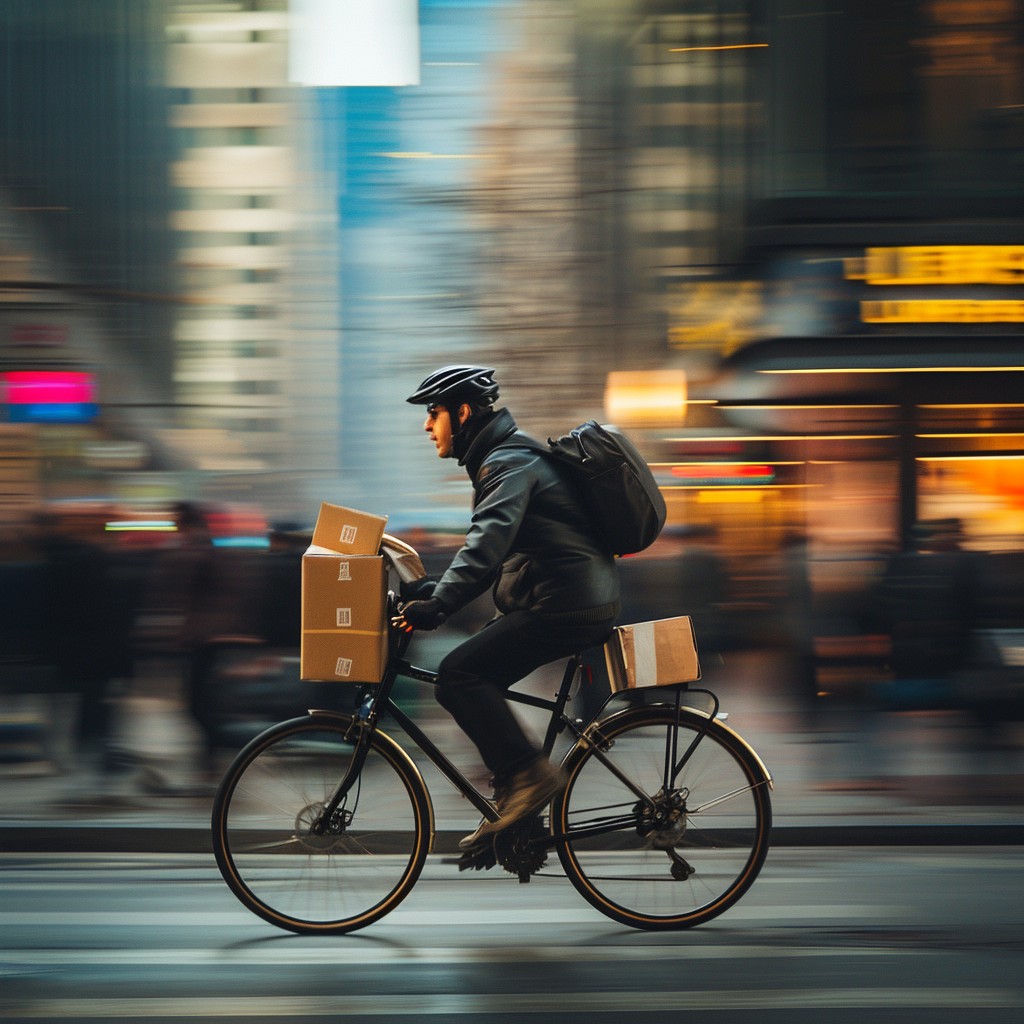
A retired New Jersey police officer says he has faced more close calls riding his bicycle than he ever did on the beat.

Craig Benson, who spent 25 years on the Plainfield Police Department, recently spoke before a Senate committee. He is in favor of creating a state law instructing drivers how to safely pass pedestrians and people riding bicycles, scooters, and skateboards.

Benson gave his statement to the New Jersey Senate Law and Public Safety Committee back in May. Since then, a bill to support improved roadway safety for people who aren’t in cars or trucks has moved through the Senate. The new law aims to reduce bicycle accidents as well as crashes involving pedestrians.

Now the bill is on the governor’s desk waiting for his signature. If approved, the new law would require drivers to move over when passing people on bikes and pedestrians, among other vulnerable people using the roadway.

‘Move Over’ penalties

Under the proposal, motorists would have to slow down then move over, if possible, when passing cyclists and walkers. If it’s not possible to slow down and move over, drivers must pass no less than 4 feet from those using the side of the road. The penalty for violating the law would be a $100 fine, or $500 if there’s an injury involved.

Another speaker at the hearing, a Jersey City man who doesn’t own a car and rides his bicycle everywhere, said he can’t ride a half-mile to the grocery store without enduring a close pass from a motor vehicle. He said the situation is dangerous enough, but it gets worse when angry drivers try to give him a scare.

“Drivers will drive intentionally close to me and scream at me to get on the sidewalk, which is illegal,” said Nathan Oliver, a League of American Bicyclists certified cycling instructor.

Oliver said that if New Jersey set a firm law about safe passing — coupled with a significant awareness campaign — he likely wouldn’t face as much danger on the road while riding his bike.

New Jersey sees a spike in fatal accidents

Supporters of the safe passing bill often cite the spike in pedestrian deaths in 2020. The increase in fatalities was a shock to many people since pandemic restrictions greatly reduced the number of vehicles on the road. This was expected to go hand-in-hand with a drop in traffic accidents and fatal bicycle and pedestrian crashes, but things didn’t go as expected.

In New Jersey and across the U.S., roadways experienced a sharp increase in car accidents as well as pedestrian and bicycle crashes. The reason for the spike has not been defined, but analysts have said people’s driving skills may have gotten rusty during the pandemic lockdown. Other people saw the reduced traffic and, believing they were at a lower risk for accidents, fell into unsafe driving habits like speeding.

GHSA study reveals an alarming trend

In New Jersey, the pedestrian fatal crash rate grew by 9% from 2019 to 2020, according to an analysis by the Governors Highway Safety Association (GHSA).

This increase represents 16 more pedestrian deaths than 2019 for a total of 191 deaths in 2020. Nationwide, the fatal pedestrian crash rate went up by almost 5%. Meanwhile, Kansas was the state with the largest year-to-year increase – 172%, a difference of 31 deaths.

The GHSA analysis also found:

  • About 75% of the fatalities happened when it was dark outside.
  • One quarter of fatal pedestrian crashes happened at intersections.
  • More than 60% of these accidents occurred on non-freeway or arterial streets.

Recommendations for safer streets

The GHSA proposed a number of ways to reduce fatal pedestrian accidents and improve overall roadway safety. In general, the GHSA outlined proposals for street reconfigurations, traffic calming measures, and awareness campaigns.

Recommendations include:

  • Replacing traditional intersections with modern roundabouts — On average, converting an intersection into a roundabout reduces crashes with pedestrians by about 75%.
  • Narrowing lanes.
  • Building pedestrian refuge islands and speed humps.
  • More use of automated traffic enforcement technology like speed cameras.
  • Increased street lighting.
  • Traffic light coordination — Traffic lights need to be set so that pedestrians are not told it is safe to enter the roadway before vehicles have a chance to clear the intersection.
  • Complete streets — Wider adoption of “complete streets” plans, which seek to renovate and replace standard roadways with infrastructure that can safely accommodate walkers, cyclists, and motorits. More than 1,600 U.S. communities have complete streets policies.
  • Widespread adoption and use of automatic emergency braking systems —This technology can detect pedestrians using forward-looking sensors and will automatically slow or stop if a collision is about to occur.

If you were hit by a car, it’s critical to protect your legal rights

Bicycle accidents are always serious, and getting justice for injured cyclists is important for the victim as well as the community at large. When negligent motorists are held accountable for their reckless actions, it sends a message that this type of behavior will not be tolerated on our roads.

For us, bike accidents are personal. Attorney Thomas F. Shebell, III, our law firm’s managing partner, is an avid cyclist who was hit by a car in 2001 while out for a bicycle ride. To this day, Attorney Shebell still wakes up with pain from the injuries he sustained in that crash.

We realize how important it is to pursue maximum compensation for your injuries. We know that after a severe crash, you will likely be on a long road to recovery that may never end, as many injuries require a lifetime of medical care and treatment.

If you or a loved one got hit by a car in New Jersey, find out how an experienced bicycle accident lawyer can help you seek justice and the financial compensation you deserve.  Contact us today for a free case review. We would be honored to listen to your story and help you determine the best way to proceed with your case.

How serious is exposure to asbestos?

Asbestos is a natural mineral that’s used in several building materials due to its strength, insulating, and fire-retardant abilities. According to the U.S. Environmental Protection Agency (EPA), it’s found in these materials:

  • Vermiculite-produced wall insulation
  • Vinyl floor tiles
  • Roofing and siding shingles
  • Textured paint used on walls and ceilings
  • Pipes coated with asbestos material
  • Oil and coal furnaces
  • Car parts
  • Heat-resistant materials

The EPA banned products containing asbestos in 1989, but that ban was overturned two years later by the Fifth Circuit Court of Appeals. Asbestos is no longer mined in the U.S., yet many products still contain it. The U.S. still imports more than 750 metric tons of it each year. Moreover, many older buildings still contain this material.

What are the dangers of asbestos exposure?

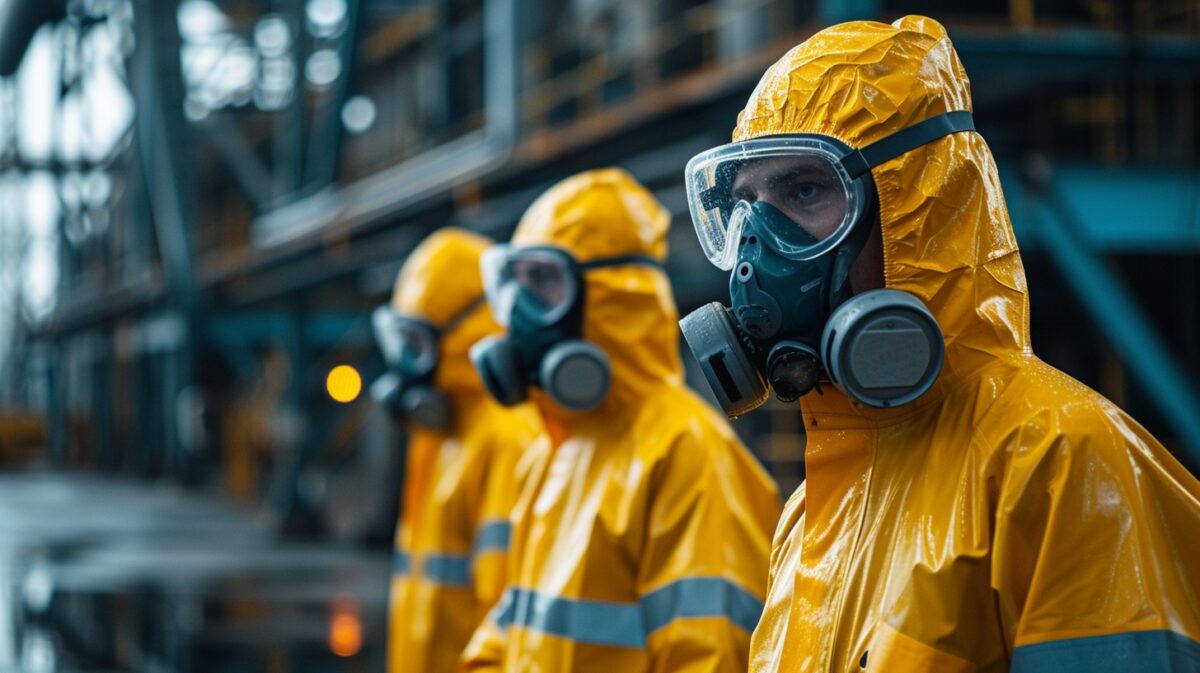
Construction workers, firefighters, and industrial workers often come in contact with asbestos. According to EHS Today, workers who are exposed to asbestos are at risk of developing two occupational diseases:

  • Asbestosis: A chronic lung disease that involves lung scarring, shortness of breath, persistent coughing, chest pain and tightness, weight loss, and fingertip deformities. Asbestosis can lead to mesothelioma or lung cancer in some cases.
  • Mesothelioma: A type of cancer that forms in the thin layer of tissue covering several internal organs. Symptoms include chest pain, painful coughing, shortness of breath, lumps under the skin on your chest, weight loss, abdominal pain and swelling, and nausea.

Both conditions can take about 20-30 years to develop after exposure, even for workers who have already changed occupations. Both conditions are either permanent or fatal. According to the American Lung Association, approximately 3,211 people died from asbestosis between 1999-2004.

What should I do if I became ill?

If you suspect that you have developed either of these conditions, it’s critical that you notify your employer and seek medical attention. Your doctor will likely perform an x-ray or CT scan to determine the stage of the disease. A biopsy may also be performed to determine if any cancer cells are present in the lungs or around other organs.

Both diseases require life-long treatment to help you manage the symptoms. Treatments include:

  • Breathing assistance devices
  • Medication for pain and inflammation
  • Antibiotics
  • Possibly surgery

Treatment can cost thousands of dollars per month. What’s worse, you may never be able to perform the same job functions you once did. Affording medical care and making ends meet without a paycheck may seem impossible. You have legal options, however.

How can a lawyer help me?

The New Jersey workers’ compensation attorneys at Shebell & Shebell, LLC can help you get the benefits you need. You may be entitled to permanent disability benefits if you’re unable to return to work. This would compensate you for 70 percent of your average weekly pay. We can also help you cover your medical costs and ensure that you’re able to continue receiving care.

Our attorneys represent clients in all types of work-related injuries and illnesses. That includes those caused by exposure to harmful materials. Our law offices are located in Shrewsbury and Freehold, New Jersey. Contact us online to schedule your free consultation.