Over $200 Million Dollars in Verdicts & Settlements

If we don’t win, you don’t pay

Caring on the Road: Driving with Heart on New Jersey’s Roadways

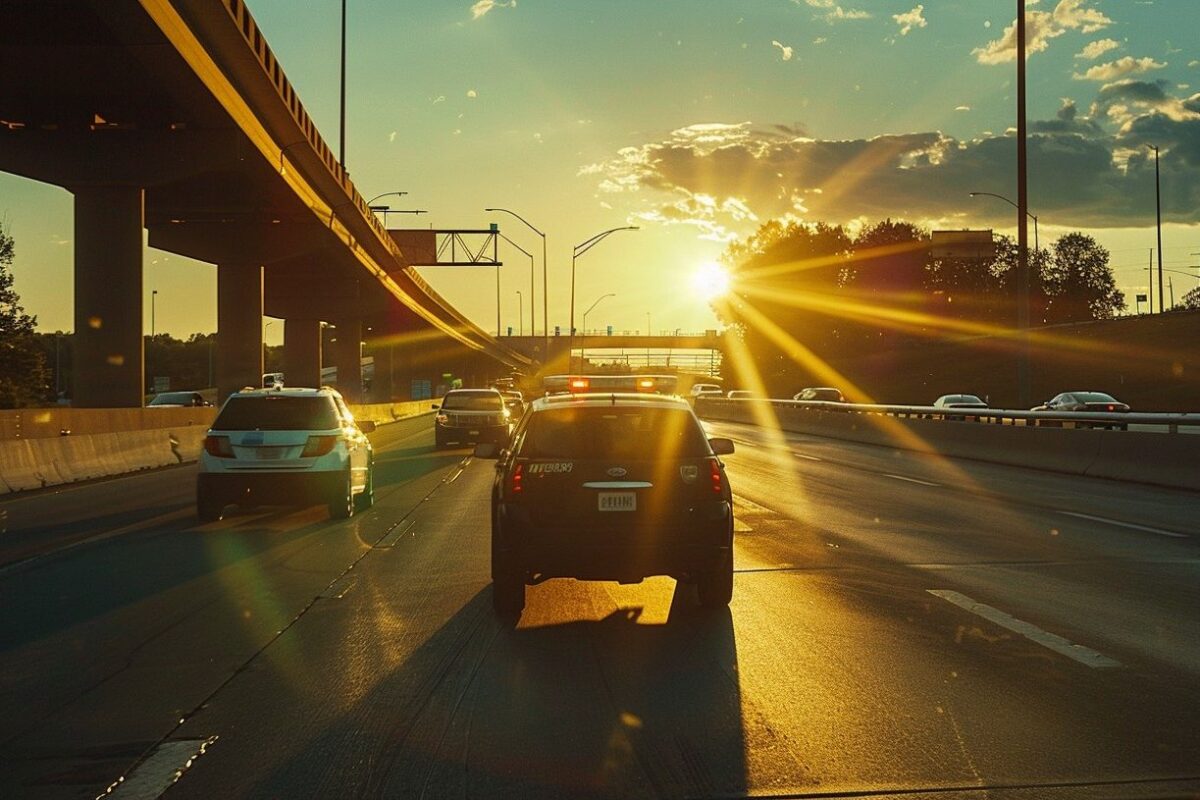
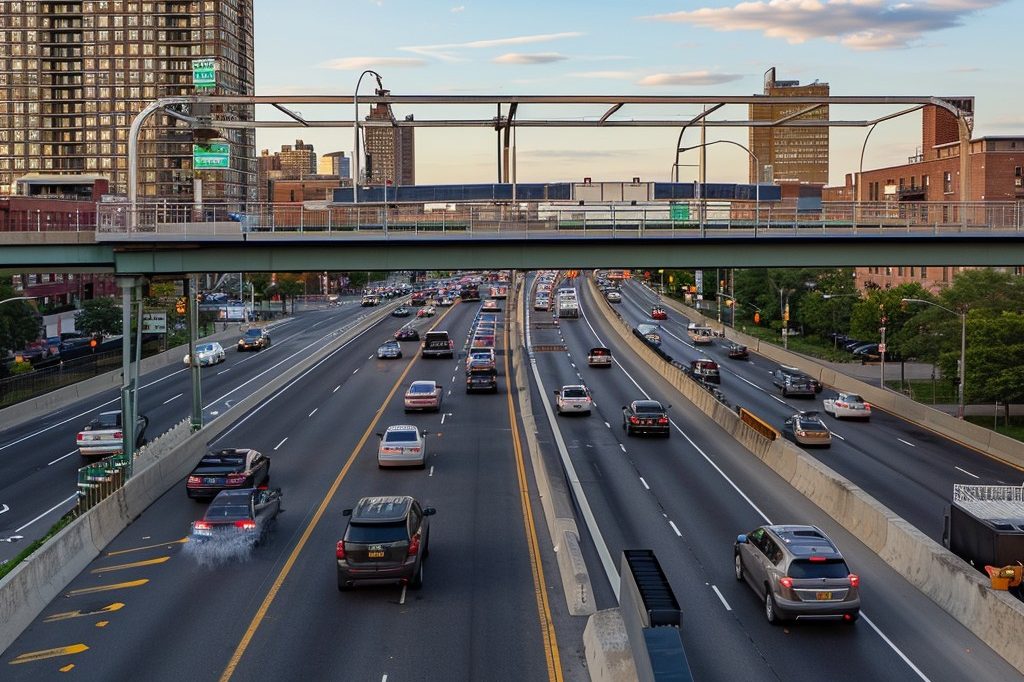
In New Jersey, our roads are more than just pavement under tires; they’re lifelines connecting us all. Each day, these roads bear witness to a thousand stories—stories of folks just trying to get from one place to another. But with the rush comes risk, and that’s where we come in. Because in this frantic dance of daily commutes and errands, caring for one another is not just important—it’s essential.

Avoiding Distractions: Drive Like Lives Depend on It—Because They Do

Life is fast, and the pace is only getting quicker. We’re all guilty of juggling too much: sipping that morning coffee, flipping through playlists, sneaking peeks at our phones. But here’s the truth—when you’re driving, you’re carrying more than just your own life in your hands.

Hands on the Wheel, Eyes on the Road

Keep distractions at bay. If your phone buzzes, let it. Nothing on that screen is worth a life.

Tech as Your Co-Pilot

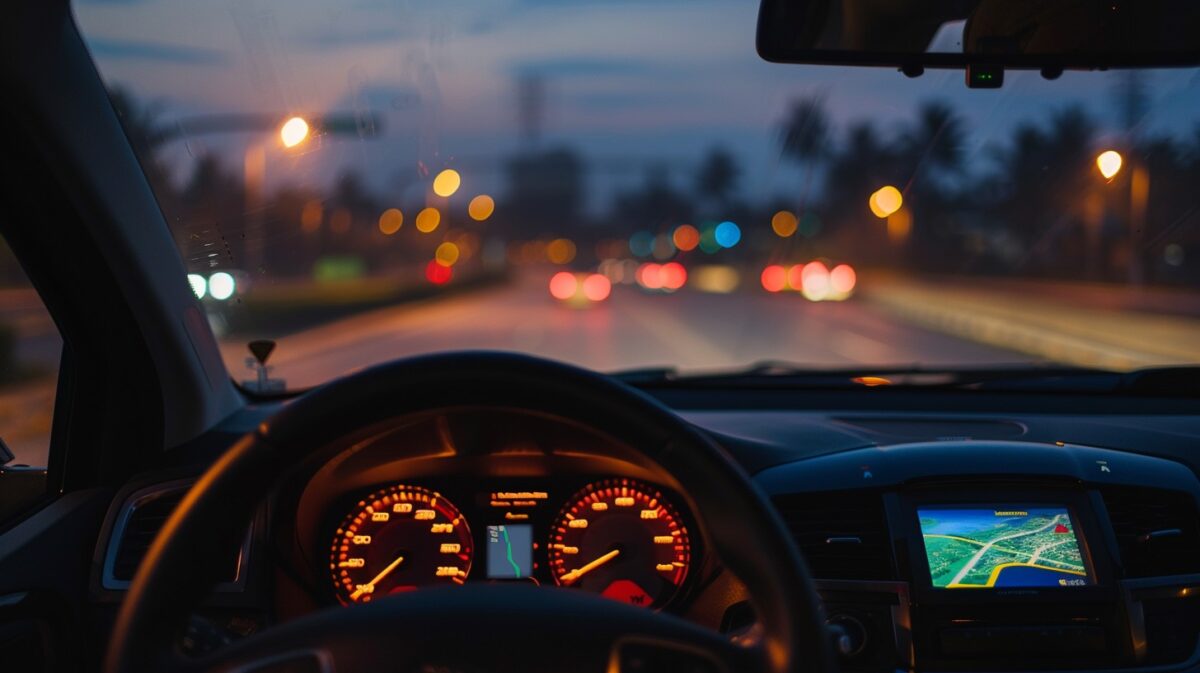
Set up your navigation before you hit the gas. Use Waze, Google Maps, or Apple Maps, but keep it hands-free. Let the voice guide you so your eyes can do what they need to—watch the road.

Urgent Calls Can Wait

Got a call that can’t wait? Pull over. Find a parking lot or a rest area, then chat. The road demands your full attention. Give it.

Road Manners: It’s About Respect

Driving is as much about courtesy as it is about following rules. It’s about sharing space respectfully and keeping each other safe.

Signal Your Moves

Your turn signals aren’t just levers; they’re signals of intent. Use them. They tell the story of where you’re headed, letting everyone prepare and react.

Maintenance is Non-Negotiable

Treat your ride like the lifesaver it is. Check your brakes, tires, lights—make them ready to handle anything the road throws your way.

Handling the Pressure: Keep Cool, Drive Smart

The road can be a pressure cooker, but losing your cool can cost more than just your peace of mind.

Breathe Through the Traffic

Feel the stress rising? Take a breath. Remember, getting there late is better than not at all.

Defensive Driving

Assume the other guy might make a mistake and have a plan for what you’ll do when it happens. Space is your friend on the highway—always keep your distance.

The Ripple Effect of Care

Every time you get behind the wheel, you’re not just a driver; you’re a guardian of the asphalt commons. Your choices ripple out, touching lives you’ll never know. So, make each choice a thoughtful one.

In Closing: Drive with Heart

Let’s transform our New Jersey roads from mere strips of asphalt into safe passages for all. Every turn of the wheel, every journey—it’s a chance to do right by each other. By driving attentively, planning ahead, and by using technology smartly, we make our roads kinder, safer places.
So next time you buckle up, remember — drive like every road is in your own neighborhood. Because on these roads, every quick stop for coffee, every commute to work, every rush home to loved ones—it’s all shared. Let’s respect that shared space, let’s drive with heart. Because when we care for each other, we make more than just a safer road—we make a better world.

Stay Seen, Stay Safe: A Cyclist’s Guide to Avoiding Traffic Accidents

The roads of New Jersey aren’t just paths of asphalt; they’re lifelines, weaving through our communities, connecting us to work, home, and adventure. But for those of us who experience these roads on two wheels, they’re often filled with more risks than rewards. That’s why, since March 1, 2022, New Jersey has put its heart into protecting its most vulnerable road users with the Safe Passing Law (NJSA 39:4-92.4). This isn’t about control; it’s about caring. It’s about ensuring that every cyclist who sets out can return home safely to their families.

Suit Up to Show Up – Visibility is Vital

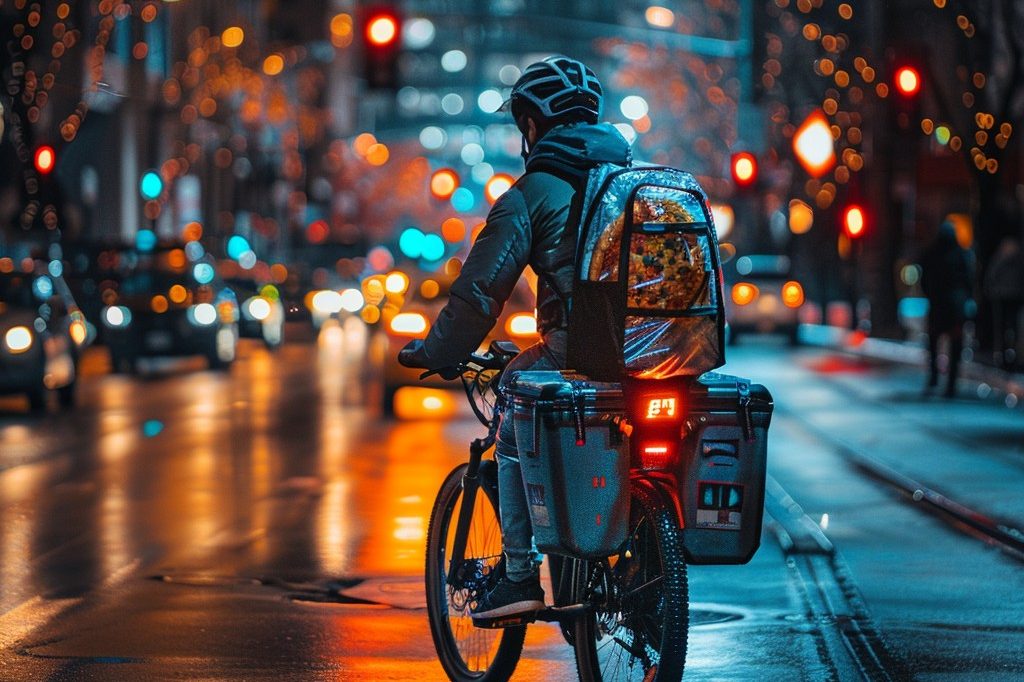
Imagine you’re a beacon on the road, a guiding light in the twilight. Dressing in neon or fluorescent colors isn’t just about style—it’s about survival. Here’s how you can light up your life:

Wear Your Brights

Choose gear that screams to be seen, whether it’s your jersey, jacket, or pants. Bright yellow, fluorescent green, bright pink — rocking these colors may not win you fashion points, but may save your life.

Reflect Your Intent

Add reflective tape to your bike, helmet, and clothing. Shine like you mean it—because your life depends on it.

Flash Your Path

Equip your ride with flashing front and rear lights. Make sure they know you’re there and where you’re headed.

Riding Right – The Road is a Stage, Not a Battlefield

This road we share is a stage for stories, not a battlefield for supremacy. Here’s how to write a story that ends with you rolling into your driveway, safe and sound:

Always Obey the Beat of the Traffic

You’re part of the rhythm of the road. Stick to bike lanes, signal your intentions, and respect the reds and stops.

Lock Eyes, Not Wheels

Make eye contact with drivers. Let them see your humanity, not just your helmet.

Steer Clear of the Shadows

Stay out of blind spots. If you can’t see a driver’s eyes, they probably can’t see you.

Predict Your Plot

Signal clearly and early. Make your next move obvious—surprises are for birthdays, not for bicyclists traveling with cars and trucks.

Claim Your Chapter

Sometimes, the safest place to ride is right in the center of the lane. Own it if you need it.

Love Your Ride: A Well-Tuned Bike is a Safe Bike

Treat your bike like it’s part of your family. Keep it in tune, and it will look out for you.

  • Brakes: They’re your best friends. Keep them tight and responsive.
  • Tires: Keep them full and firm. They’re the only thing between you and the road.
  • Lights and Reflectors: Keep them clean and bright. They’re your voice in the darkness.

Protect Your Brain

No matter what you do, always wear a good helmet that fits just right. Make sure you buy the highest quality helmet you can possibly buy. Do your homework by researching the Virginia Tech Star rating system.

You only get one brain.

In Closing: A Shared Journey

Riding a bike isn’t just about moving from point A to B; it’s about feeling the wind, owning your journey, and being present in every moment. But it’s also about coming home. Every pedal you push is a promise to someone waiting for you, expecting you back as you left, whole and happy.

Let’s respect each other on the road. Let’s make every journey safe, and let every story have a happy ending. Because on these roads we share, every turn you take is a choice—and I hope you choose safety, choose respect, choose life.

New Jersey’s Safe Passing Law Promotes Safety for All Road Users

Unlike motorists in enclosed vehicles, pedestrians, bicyclists, and other vulnerable road users lack the protective barrier of a vehicle structure to absorb the impact in case of a collision. They face direct exposure to vehicles, road surfaces, and various hazards, increasing their vulnerability to severe injuries or even fatalities in accidents. To address this critical safety concern, New Jersey has implemented the Safe Passing Law, which specifically aims to protect “vulnerable road users,” including bicyclists, pedestrians, scooter riders, and individuals using wheelchairs.

According to the NHTSA, there were more than 7,000 pedestrian deaths across the United States in 2021. Additionally, there’s a yearly average of 800 bicyclist deaths across the nation. The Safe Passing Law responds to the risks these individuals face from unsafe passing by motorists. It aims to reduce near misses, injuries, and fatalities.

Why is the NJ Safe Passing Law so important?

The law, also called “Oscar’s Law,” honors Oscar, an individual reliant on his electric bicycle for transportation, who tragically died in a collision with a tractor-trailer. New Jersey experienced its highest number of bicyclist and pedestrian fatalities in 30 years in 2021. This number of fatalities highlights the urgency of enhanced road safety measures.

Under the Safe Passing Law, drivers must adhere to existing no-passing and no-speeding regulations and shift to another lane when necessary. Therefore, passing is not mandatory when the center lines are solid. If a four-foot distance isn’t possible, drivers must slow to 25mph and be ready to stop, ensuring safe passage without endangering road sharers. On single-lane roads, drivers are required to leave a four-foot safety zone while passing.

What are the rights of vulnerable road users?

Bicyclists are permitted to occupy the entire lane and may legally ride two abreast, keeping as far right as possible. Pedestrians, in the absence of sidewalks, may walk on the road, facing traffic.

Some question the rights of bicyclists to use roads, citing their non-contribution to road funding. However, road infrastructure is primarily financed through sales and income taxes, to which everyone contributes. That’s regardless of car ownership or usage.

Many bicyclists own cars. However, they often choose biking for shorter trips, seeking a more sustainable travel method, or for the health benefits of increased physical activity. Fewer cars on the road mean reduced traffic and cleaner air. For some, biking or walking is a necessity due to financial constraints, physical ability, or age.

How motorists should respect the rights of pedestrians, bicyclists, and other road users

Respecting the rights of pedestrians, bicyclists, and other road users is a fundamental aspect of road safety. Motorists can contribute to this by adopting various practices that prioritize the well-being and security of vulnerable road users:

  • Understand and Follow Traffic Laws: Motorists should familiarize themselves with and adhere to traffic laws and regulations. This includes being aware of right-of-way rules, adhering to speed limits in areas frequently used by pedestrians and cyclists, and respecting specific regulations concerning bike lanes and crosswalks.
  • Maintain a Safe Passing Distance: When overtaking bicyclists, it’s crucial for drivers to leave a safe and reasonable distance between their vehicle and the cyclist. This buffer zone provides the necessary space for cyclists to maneuver safely if needed.
  • Yield to Pedestrians: Drivers should always prioritize the safety of pedestrians. Even if a pedestrian is crossing at a location that may not be an official crosswalk, motorists should reduce their speed or come to a complete stop to allow pedestrians to cross safely.
  • Stay Alert and Avoid Distractions: Being attentive while driving is essential. Drivers should refrain from using mobile phones, texting, eating, or engaging in any activity that diverts their attention away from the road. A focused driver is better equipped to respond to unexpected situations involving pedestrians and cyclists.
  • Check for Blind Spots: Before executing turns or lane changes, drivers must diligently check their blind spots for the presence of bicyclists and pedestrians. This precautionary measure ensures that no vulnerable road user is inadvertently overlooked.
  • Signal Intentions: Signaling turns and lane changes well in advance is essential. Proper use of turn signals communicates drivers’ intentions to pedestrians and bicyclists, allowing them to anticipate the vehicle’s movements and act accordingly.
  • Exercise Patience: Motorists should recognize that pedestrians and cyclists may have varying speeds and abilities. Demonstrating patience and allowing them adequate time and space ensures a safer road environment for everyone.
  • Respect Bike Lanes: Bike lanes are designated spaces for the safe passage of bicyclists. Drivers should refrain from entering or parking in these lanes, as it poses a hazard to cyclists. Respecting bike lanes enhances overall road safety.
  • Avoid Dooring: Motorists should be cautious when parked alongside a road with a designated bike lane or when exiting a parked vehicle. Before opening car doors, drivers should check for approaching bicyclists to prevent “dooring” incidents. This practice ensures that cyclists have a clear and safe passage, reducing the risk of accidents caused by suddenly opened car doors.

Know your rights if you were hit by a car in New Jersey

While the Safe Passing Law helps protect vulnerable road users, accidents will still occur. If you or a loved one sustained an injury after getting hit by a car in New Jersey, know your rights. Speak to an experienced accident attorney at Shebell & Shebell, LLC. We’ll investigate your pedestrian or bicycle accident and gather evidence to help you build a strong claim.

We know how to take on insurance companies and fight to maximize compensation for our clients. If you have any questions regarding your claim, we would be glad to answer them. Contact us online or call our Shrewsbury law office for a free consultation.

New Jersey Ranked Worst State for Driving

The experience of driving varies from state to state. Some provide safer, more straightforward, and less stressful streets than others. Then there’s New Jersey. According to a new survey of the best and worst states to drive in, New Jersey is the worst state in the U.S. for drivers. The Garden State has the most road congestion nationwide and the second-worst road quality.

Congestion and poor infrastructure push NJ to the top of the list

To reach this conclusion, MoneyGeek analyzed data from the Federal Highway Administration, National Highway Traffic Safety Administration car accident data, U.S. Census Bureau, FBI, and more. After New Jersey, the next worst states for drivers are California, West Virginia, Mississippi, and Maryland, the survey says.

If you live in New Jersey, work here, or visit often, you may already know the daily challenges drivers face. You may even be among the thousands of car accident victims suffering injuries in the Garden State this year. Although nothing can guarantee roadway safety, at Shebell & Shebell, LLC, we know that awareness can reduce crash risks. Here’s what everyone needs to know about driving in New Jersey.

Worst in the nation?

MoneyGeek ranked states on five driving components – Cost, Congestion, Safety, Infrastructure, and Weather. Although New Jersey was ranked the worst state overall for driving, it performed well in a few of the measures. Here are the survey rank results for Jersey.

  • 12th worst in the U.S. for driving costs
  • Worst in the U.S. for roadway congestion
  • 2nd worst infrastructure, including roadways, highways, and bridges

The state ranked very well in safety and weather. New Jersey is in the:

  • Top 5 safest states for driving
  • Top 10 states with the lowest weather-related fatal accident rate

News coverage of the survey revealed that New Jersey drivers can point to the factors that make driving in the state difficult. On a list of Garden State driver pet peeves are below-the-speed-limit drivers, speeders, road rage, and people who don’t use their blinkers or clear the snow off their vehicles before hitting the road.

New Jersey’s most dangerous roads

Although New Jersey ranked well for “safety,” many roadways in the state are known for being difficult or dangerous. An analysis of recent crash data reveals Bergen and Middlesex counties report the most car accidents, while crash hotspots exist throughout the state. Here are some of the most common crash locations in New Jersey:

  • Route 9 in Freehold and Manalapan
  • Route 36 in Eatontown
  • I-676 in Camden
  • Mt Ephraim Ave in Camden
  • Black Horse Pike Us-322 in Pleasantville
  • I-78 in Newark and Hillside

What to do if you are injured in a New Jersey car accident

As one of the worst, if not the worst, states for drivers, it is important to know what to do if you become the victim of a New Jersey car accident. At Shebell & Shebell, LLC our experienced car accident lawyers can guide you through the process toward maximum injury compensation. Here are some basic steps to take after a crash:

  • Step 1. Ensure safety. Get to a safe location at the crash site and call 911. Wait for law enforcement to arrive.
  • Step 2. Take photos and video of the crash site and injuries. This may be strong evidence for your claim.
  • Step 3. See a doctor right away. Some car accident injuries cause delayed pain. It is possible to be dangerously injured after a crash and not know it. The sooner you see a doctor, the sooner you protect your health and document crash injuries for your claim.
  • Step 4. Contact Shebell & Shebell, LLC. Our experienced attorneys can help you navigate the complex car accident claim process to ensure you receive the compensation you deserve.

Rely on 100 years of legal experience

If you were injured or a loved one died in a New Jersey car accident, contact Shebell & Shebell, LLC for a free case evaluation to discuss your potential legal options. A member of our team is available to hear from you right now. Contact us today.

What Age Group Has the Highest Pedestrian Fatality Rate?

In New Jersey, people 65 and older are at a higher risk of being hit by a car.

Fatal pedestrian accidents have increased dramatically over the last 10 years nationwide. But a closer look at New Jersey’s fatal pedestrian accidents reveals a disturbing problem – older residents are over-represented among victims. In 2021, for example, people 65 and older accounted for more than 30% of fatal pedestrian accident victims in New Jersey. Meanwhile, this demographic only makes up about 17% of the state’s general population.

Safety advocates say that to address this issue and reduce the number of pedestrian accidents involving older adults, it is essential to focus on improving infrastructure, promoting traffic safety education, and implementing policies that enhance pedestrian safety.

Pedestrians of every age face hazards

While seniors are at greater risk, everyone on foot has to contend with New Jersey traffic hazards. Overall, about 200 pedestrians died in New Jersey crashes last year. So far, in 2023, 81 fatal pedestrian accidents have occurred in the state. Middlesex County, as well as Bergen, Essex, and Ocean counties, are reporting the highest numbers of fatal pedestrian accidents. Recent deadly pedestrian accidents have occurred statewide, including devastating incidents in:

  • Caldwell on Rte 506.
  • East Orange on Rte 508.
  • Freehold on SH 9.
  • Hazlet on SH 35.
  • Middletown on Garden State Pkwy.
  • Newark on Rte 603, Monroe St, North 9th St, Washington St, and Mulberry St.
  • Ocean on SH 66.
  • Upper Freehold on Rte 539.

Pedestrian deaths are a nationwide problem

The issue of pedestrian safety isn’t isolated to New Jersey. In a recent report by the Governors Highway Safety Association (GHSA), it was revealed that pedestrian fatalities reached a 41-year high in 2022, with over 7,508 pedestrian deaths recorded nationwide.

That’s the highest pedestrian death toll since 1981.

Nationwide, pedestrian fatalities have also seen a dramatic increase of 77% since 2010, a figure significantly higher than the 25% rise in all other traffic-related deaths. Factors such as dangerous driving, poor infrastructure, and heavier vehicles have contributed to this ongoing pedestrian safety crisis.

The GHSA report also identified several key trends in pedestrian fatalities from 2010 to 2021. Notably, most pedestrian deaths occurred at night and in areas without sidewalks, with a significant increase in fatalities involving SUVs due to their larger size and weight.

Additionally, the risk of death for pedestrians increased exponentially with vehicle speed. The report suggested measures such as focusing traffic enforcement on dangerous driving behaviors, educating drivers about pedestrian safety, and adopting a Safe System approach to road safety.

This approach, first implemented in Sweden in the 1990s, aims to eliminate road deaths by designing better infrastructure, enforcing lower speeds, and creating a safety net to lessen the impact of crashes. Despite these alarming figures, the GHSA emphasizes that pedestrian accidents are preventable and that concerted action is needed to reverse this trend.

Claims involving pedestrian accidents are complicated

If you were hit by a car or a loved one died in a fatal pedestrian accident, take immediate action and talk to a lawyer as soon as possible. Navigating pedestrian accident claims can be complex, and drivers frequently attempt to blame the victim on foot.

Likewise, insurance companies are in business to make a profit, meaning they often try to limit or deny compensation in order to minimize their costs. They may do this by disputing the severity of your injuries, asserting you had pre-existing conditions, arguing that you were partially or fully at fault for the accident, or claiming that you did not seek appropriate medical attention in a timely manner. That’s why it’s crucial to have experienced legal representation on your side to counter these tactics and fight for the compensation you deserve.

For nearly 100 years, Shebell & Shebell, LLC has offered highly-skilled legal representation to accident victims in New Jersey. Our experienced pedestrian accident lawyers understand the unique challenges injury claims often present and can handle every aspect of your potential case. Don’t wait to reach out. Contact us today for a free consultation to see how we can help you. We have offices in Shrewsbury and Newark, and we serve clients throughout New Jersey.

Teen Driver Fatalities Surge During the “100 Deadliest Days of Summer”

There are over a dozen deadly teen driver crashes per year in New Jersey.

Summer is a time for relaxation, vacations, and spending quality time with family and friends. However, it is also a time when we witness a troubling trend: A surge in teen driver fatalities during what is known as the “100 Deadliest Days.” This period, spanning from Memorial Day to Labor Day, has consistently shown an increase in fatal car accidents involving teenage drivers across the U.S.

New Jersey has the country’s second lowest rate of teen driver deaths – 0.69 per 100,000 licensed drivers. Researchers say this is partly due to New Jersey teens frequently using safety belts and taking public transportation. However, fatal accidents still happen here. There are about 15 teen driver fatalities in New Jersey every year.

On average, half of all fatal teen crashes happen during summer months – and the situation is getting more dangerous. Nationwide in 2021, summertime fatal teen crashes increased by 6% over the prior year. They’re up 25% compared to 2019.

Factors in fatal teen crashes

According to the American Automobile Association (AAA), the “100 Deadliest Days” pose a significant threat as the warm weather, extended daylight hours, and the absence of school-related responsibilities create an environment conducive to increased driving activity. Several factors contribute to the rise in accidents during the summer months. One major factor is distracted driving. With more leisure time and an inclination to socialize, teens often engage in activities that divert their attention from the road. Texting, talking on the phone, interacting with passengers, or using in-car technology can significantly impair their ability to react to sudden hazards.

Additionally, speeding and reckless driving are common causes of fatal accidents involving teenagers. The excitement of summer and peer pressure can lead to a disregard for traffic laws and safe driving practices. Inexperience and not understanding of the consequences of their actions further exacerbate these risks.

Steps to reduce the risk of deadly teen driver accidents

Teen driver fatal accidents are devastating for families and communities. In January, Bloomfield experienced this tragedy first-hand when a 16-year-old Glen Ridge teen died in a single-car Brookdale Park accident. We can all take proactive measures to reduce traffic risks and protect young drivers. Here are some steps that can be taken:

  • Raising awareness. Parents, schools, and community organizations can play a pivotal role in educating teen drivers about the dangers of distracted driving, speeding, and reckless behavior. Ongoing driver’s education programs and discussions about responsible driving can help raise awareness and promote safer habits.
  • Parent involvement. Parents who set clear rules, such as limiting the number of passengers or enforcing a curfew, can help reduce distractions and encourage responsible behavior.
  • Graduated Driver Licensing (GDL). New Jersey’s GDL program is designed to provide young drivers with gradual exposure to driving privileges. Ensuring compliance with GDL requirements and restrictions can contribute to safer driving habits.
  • Technology. Utilizing technology such as smartphone apps or in-car devices – like lane assist and forward collision warning – as well as those that monitor driving behavior can help parents and guardians track their teen’s driving habits and address any concerns or areas for improvement.

Legal help for New Jersey car accident victims

The 100 Deadliest Days are a concerning time for everyone on the road, especially teen drivers and their families. Raising awareness and promoting safe driving practices can help reduce the risks and prevent tragic accidents. However, despite precautions, accidents can still occur.

If you or someone you love has been injured in a car accident in New Jersey, it is important to seek legal assistance right away to protect your rights and understand your potential legal options. At Shebell & Shebell, LLC, our experienced New Jersey car accident attorneys are here to support you and help you find your way forward.

We understand the complexities of New Jersey personal injury law and will fight for the compensation you deserve. If you or a loved one was injured in a car accident in Newark, NJ, Shrewsbury, NJ, or the surrounding area, contact Shebell & Shebell, LLC for a free consultation.

10 Ways Drivers Can Help Prevent Bicycle Accidents

To share the road safely with bicyclists, drivers must follow certain steps.

Bicycling is popular in Shrewsbury, Newark, and throughout New Jersey. Bicyclists have the same rights and responsibilities as drivers of motor vehicles. But some drivers think of bicycles as little more than an annoyance and don’t act responsibly. The result is often a bicycle accident that can leave the cyclist with serious injuries.

Sharing the road with bicyclists can be a challenge for some drivers. But aside from the legal responsibility to drive safely, it’s often just a matter of common sense.

Here are some steps that drivers can take to share the road safely with bicyclists:

1. Give bicyclists a lot of space.

When passing a bicyclist, drivers must leave at least three feet of space between the car and the bicycle. This helps prevent accidents, keeping both the driver and the bicyclist safe.

2. Yield when turning.

It’s important to always look for any bicycles on the road when driving. When you are turning, yield to any bicyclists in the intersection or on the road.

3. Signal your turns well in advance.

This gives bicyclists time to anticipate your movements and adjust their position on the road. Put on your turn signals well before turning to help avoid a collision.

4. Slow down when passing.

Passing too quickly can take the bicyclist by surprise and cause them to lose control. Instead, maintain a safe speed as you pass the bicycle, and only pass when it is safe to do so.

5. Check your mirrors before opening the car door.

This is especially important if the car is parked on the side of the road. A door opening suddenly can cause severe injuries to a bicyclist in a dooring accident. Always check your mirrors first to make sure a bicyclist is not approaching.

6. Respect the bike lanes.

Many roads in New Jersey have designated bike lanes. Remember, these are intended for the use of bicyclists to help keep them safe. Be aware of these lanes, and don’t drive in them.

7. Avoid distractions.

Any kind of distraction – such as texting, using a phone, adjusting dashboard controls, eating, or drinking – takes your attention away from the road. If you look away for even a few seconds, you might not see a bicyclist near you.

8. Take extra care at intersections.

Intersections are particularly dangerous for bicyclists, as cars travel in many directions. So be on the lookout for bicycles as you make your way through.

9. Be patient.

Bicycles may travel slower than cars, but bicyclists have the same right to use the road that you do. Driving recklessly or too fast can easily result in a collision.

10. Be courteous.

Everyone needs to remain calm and courteous toward other road users, including bicyclists. They are only trying to get to where they’re going, just as you are.

Because bicyclists have almost no protection, they can be seriously injured in a bicycle accident. Medical expenses for treating their injuries can add up very quickly, and a bicyclist may not be able to work. Recovering financial compensation can be complicated, as drivers deny doing anything wrong, and insurance companies look for excuses to pay as little as possible.

If you’ve been hurt in a crash, you need an experienced New Jersey bicycle accident lawyer. The attorneys at Shebell & Shebell, LLC build strong cases that get results and are committed to helping you recover the compensation you deserve. Contact us to schedule a free consultation.

Never Events: Preventable Medical Errors That Should Never Happen

A “Never Event” can lead to serious health consequences

When we seek medical care, we put our trust in healthcare professionals to provide us with safe and effective treatment. Unfortunately, there are instances where preventable medical errors occur, resulting in devastating consequences for patients and their families. These types of errors are known as “Never Events,” as they are serious, unambiguous, and totally preventable.

Never Events are a subset of sentinel events, which are unexpected occurrences involving death or severe injury. The National Quality Forum (NQF) developed a list of 29 Never Events that are grouped into seven categories:

  • Surgical or procedural events: Errors that occur during a surgical or invasive procedure, such as wrong-site surgery.
  • Product or device events: Injuries or deaths resulting from the use of contaminated drugs, devices, or biologics.
  • Patient protection events: Incidents that compromise patient safety, such as elopement or suicide.
  • Care management events: Errors that occur during patient care, such as medication errors or falls.
  • Environmental events: Injuries or deaths resulting from unsafe conditions in a healthcare setting, such as electric shocks or burns.
  • Radiologic events: Injuries or deaths resulting from improper use of radiology equipment or exposure to radiation.
  • Criminal events: Incidents of abuse, assault, or impersonation of a healthcare provider.

These events are devastating to patients and their families, and they may indicate a fundamental safety problem within a healthcare organization. While individual events are uncommon, on a population basis, many patients still experience these serious errors. For instance, a 2013 study estimated that more than 4,000 surgical Never Events occur annually in the United States.

What’s being done to prevent “Never Events”?

As the name Never Events implies, healthcare organizations are under significant pressure to eliminate them completely. The Centers for Medicare and Medicaid Services (CMS) announced all the way back in August 2007 that Medicare would no longer pay for additional costs associated with many preventable errors, including those considered Never Events. Since then, many states and private insurers have adopted similar policies. Since February 2009, CMS has not paid for any costs associated with wrong-site surgeries.

In addition to financial penalties, Never Events are being publicly reported to increase accountability and improve the quality of care. Eleven states mandate reporting of Never Events whenever they occur, and an additional 16 states (including New Jersey) mandate reporting of serious adverse events, including many of the NQF Never Events. Healthcare facilities are accountable for correcting systematic problems that contributed to the event, with some states mandating performance of a root cause analysis and reporting its results.

Holding negligent healthcare facilities accountable

Healthcare organizations must prioritize patient safety to prevent Never Events from occurring. They must implement systems and processes that identify and prevent errors before they occur, such as surgical checklists and bar-coded medication administration systems. Furthermore, healthcare professionals must be adequately trained and educated on safe and effective practices to provide high-quality care.

When Never Events occur, healthcare organizations must be held accountable for the damage caused to the patient and their family. With the help of a medical malpractice lawyer, patients and families can seek compensation for the damages they have suffered as a result of a Never Event. This may include medical expenses, lost wages, pain and suffering, and other costs associated with the event.

At Shebell & Shebell, LLC, our dedicated team can provide guidance and support throughout the legal process, ensuring that patients and families receive the compensation they deserve. If you or a loved one has suffered harm due to a Never Event or other preventable medical error, contact us today for a free case consultation to see how an experienced medical malpractice attorney can help you. Our offices are in Shrewsbury, NJ, and Newark, NJ.

How to Obtain Video Footage of your New Jersey Slip & Fall Accident

Video can serve as objective evidence in support of your claim or lawsuit.

Surveillance videos have become ubiquitous in contemporary society, and in certain situations, they can play a critical role in the resolution of a slip and fall accident claim. Video can provide visual evidence of the hazardous conditions that led to the slip and fall, thereby assisting in the handling of the claim.

In such cases, the footage captured by the cameras can serve to corroborate the victim’s account of the incident. Furthermore, the video can also provide insights into the duration of the hazardous condition and events preceding and following the accident. These details can be critical in establishing negligence by the business or property owner.

Slip and fall accidents can be devastating and often occur due to negligence. For those seeking compensation, it is important to take immediate action to protect their legal rights. If you were injured in a New Jersey slip and fall, contact Shebell & Shebell, LLC, to see how an experienced attorney from our law firm can help you build a strong case for the compensation you deserve.

How long is surveillance video saved?

The preservation of surveillance footage is a critical aspect of slip and fall cases. Many businesses, including retail stores, hotels, and banks, use closed-circuit television (CCTV) to monitor patrons, but each has its own set of standards for retaining videos. Information on the length of time businesses hold onto security videos is often anecdotal, and it is not uncommon for companies to selectively retain footage for their own purposes.

It is essential to understand that CCTVs have limited storage and typically overwrite older videos or images unless someone intervenes. This is why it is crucial to consult with an experienced slip and fall attorney before such evidence is lost or destroyed. The events leading up to the accident captured by the surveillance footage may hold the key to establishing liability and securing compensation for your damages.

How can a slip and fall accident lawyer help?

If video evidence of your slip and fall exists, obtaining the footage can be an invaluable asset in your case. However, getting access to such footage can be challenging. An attorney can help you by sending a letter to the party that has the footage (typically the owner of the premises) and requesting the preservation of the video footage. This serves multiple purposes, including informing the party that you have legal representation and ensuring that the footage is preserved.

Likewise, if someone recorded your accident using a cellphone, the video could serve as evidence in your case. Your attorney can track down and interview eyewitnesses and may request a copy of the cellphone video as part of the investigation into your accident.

Contact Shebell & Shebell if you’ve been injured.

Slip, trip, and fall hazards pose a constant threat in public spaces. These hazards can lurk in unexpected places, from bustling shopping centers to cozy dining spots. Poorly maintained floors, inadequate lighting, and trip hazards are just a few examples of the dangers that can lead to serious accidents. Even residential properties, such as apartment complexes or condominium associations, may not take the necessary precautions to ensure a safe environment, leaving residents and visitors vulnerable to dangerous slips and trips.

In the aftermath of a slip and fall accident, it’s essential to take steps to protect your legal rights. A crucial part of this process involves determining whether any surveillance cameras captured the incident. At Shebell & Shebell, LLC, our dedicated legal team has years of experience investigating slip and falls and can help you find the facts that matter to your case. To learn how an experienced New Jersey slip and fall accident lawyer can help with your potential legal case, contact us today for a free consultation.

Common Knee Injuries in Slip and Fall Accidents

A slip and fall on someone else’s property may result in a severe knee injury.

Slip and fall accidents are very common in Shrewsbury, Newark, and locations throughout New Jersey, especially during the winter months. Property and business owners have a responsibility to keep their premises safe but, unfortunately, they don’t always meet this responsibility. As a result of this negligence, people can be left seriously injured.

Many people suffer knee injuries in slip and fall accidents. This can result in pain, bruising, and swelling. A knee injury can impact mobility, and victims may have difficulty performing work duties and their usual activities. Knee injuries may require surgery, medication, physical therapy, and multiple follow-up appointments.

Several types of knee injuries are common in slip and fall accidents.

Fractures

In many slip and fall accidents, the victim falls forward onto their knees. The force of impact from the fall can result in a patellar fracture – a broken kneecap. There are different types:

  • Stable fracture – The pieces of the broken bone are still in contact or very close together
  • Displaced fracture – The pieces of the broken bone are separated and don’t line up.
  • Comminuted fracture – The bone is broken into several pieces.
  • Open fracture – Fragments of broken bone sticking out through the skin.

Sprains

There are four major ligaments in the knee – the anterior cruciate ligament (ACL), posterior cruciate ligament (PCL), medial collateral ligament (MCL), and lateral collateral ligament (LCL). When someone falls, there is a sudden movement, and ligaments in the knee can stretch beyond their normal range of motion. This can result in a sprain. In addition, people may feel and possibly hear a pop in the knee when this injury occurs.

Torn meniscus

The meniscus is cartilage (flexible, fibrous tissue) that serves as a shock absorber in the knee. A medial meniscus and lateral meniscus are located at the top of the tibia bone. During a slip and fall accident, there can be a sudden turn or twist of the knee while the foot remains in place, resulting in a torn meniscus.

ACL injuries

The anterior cruciate ligament is very prone to injury in a slip and fall. ACL injuries are graded on a severity scale:

  • Grade 1 – The ligament has been stretched and has experienced mild damage but can keep the knee joint stable.
  • Grade 2 – There is a partial tear of the ligament, and it can’t provide full stability to the knee joint.
  • Grade 3 – There is a complete or near-complete tear of the ligament.

Injured in a New Jersey slip and fall? Contact us today.

If you were injured in a slip and fall accident caused by negligence, you have the right to seek financial compensation. This includes compensation for all current and future medical expenses related to your injury, lost wages if you couldn’t work, and other damages such as pain and suffering.

But the process of recovering compensation can be complicated. Negligent business and property owners often deny doing anything wrong and may even try to blame you for what happened. In addition, insurance companies may dispute the seriousness of your injuries and will try to limit the compensation you receive.

An experienced New Jersey slip and fall accident lawyer can build a strong case and fight for the compensation you deserve. The attorneys at Shebell & Shebell, LLC can help. Contact us to schedule a free consultation. We serve clients in Shrewsbury, Newark, and throughout New Jersey.