Over $200 Million Dollars in Verdicts & Settlements

If we don’t win, you don’t pay

What To Expect After a Car Accident

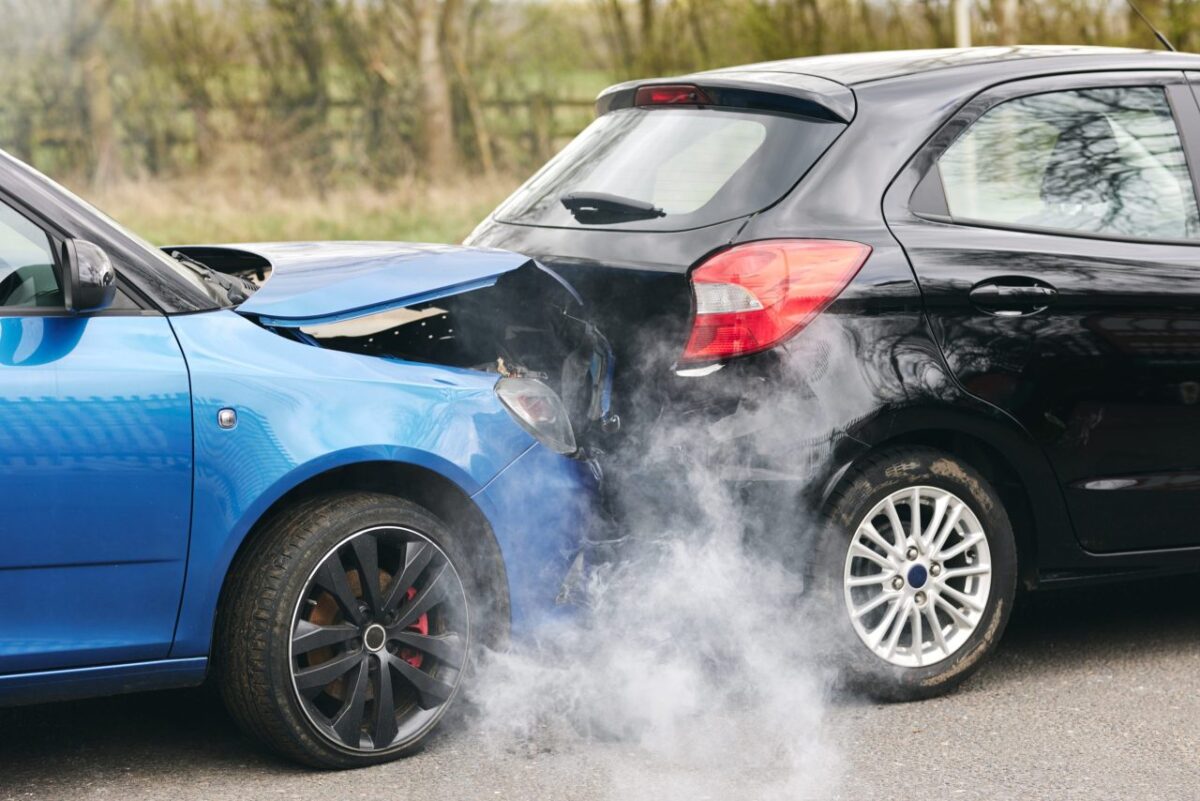
It can be hard to know what to expect after a car accident. You can expect some challenges and some that are unique to your circumstances. Having an experienced personal injury attorney will give you confidence to face any problem that may arise after getting into a car accident.

Contact a lawyer today to learn more about your legal options after a car accident. You do not have to pursue compensation alone. Call a lawyer as soon as possible after an accident to learn what options you have after a car accident.

Getting a Treatment Plan

Seeking medical treatment after a car accident is important. It is important to your physical well-being and to support your legal claim to see a doctor immediately after a crash. Be sure to complete any medical treatment plan created by your doctor and care team.

Common Injuries In Car Accidents

Some injuries are common in car accidents. It is important to seek medical intervention after an accident, even for seemingly minor injuries. Common injuries after a car accident can include:

Psychological Injuries

A car accident is a traumatic event. As with any other traumatic event, you might face mental health issues. Post-traumatic stress disorder or anxiety can develop after a serious accident.

Knee Injuries

Damage to the victim’s knees can occur from hitting the dashboard or during the impact of a car accident.

Chest Injuries

Rib fractures or internal injuries can result from seatbelt use and the impact of the steering wheel. Seeking medical attention is the best way to ensure your injuries are fully treated.

Facial Injuries

A car accident can cause facial injuries. Cuts, bruises, or fractures to the face, including dental injuries, can happen from airbags or dashboard impacts.

Back Injuries

Back injuries are serious. Any damage to the spine, including herniated discs or muscle strains, can occur from the jolting motion of the crash.

Soft Tissue Injuries

Sprains, strains, and bruises to muscles, tendons, and ligaments are frequent due to sudden stops or movements. Soft tissue injuries can leave the victim struggling with chronic pain issues.

Fractures

Car accidents can easily cause broken bones and fractures. Common fractures from car accidents typically include broken arms, legs, ribs, collarbones, etc., resulting from the impact of the crash.

Head Injuries

Concussions and traumatic brain injuries can occur, especially if the head strikes an object. Head injuries can have long-term consequences, so having legal representation will maximize your chances of the best outcome available after a car accident.

Whiplash

Whiplash is a neck injury caused by a sudden stop where the victim is abruptly jolted forward and backward. Whiplash usually causes the victim to feel severe pain and stiffness.

Fighting With The Insurance Company 

After a car accident, you might face an uphill battle against the car insurance company. Having an attorney is the best way to get what you deserve from a car insurance company after an accident.

Bad-Faith Tactics Insurance Companies Use 

Insurance companies work hard to avoid making payments after someone suffers an injury in a car accident. Insurance adjusters often use bad-faith negotiation tactics to avoid making payments. Here are examples of how car accident lawyers can help accident victims financially recover after a car crash:

  • Targeting vulnerable claimants
  • Using complicated language
  • Ignoring communication about the case
  • Delaying claims 
  • Lowball settlement offers
  • Pressuring claimants to resolve their case
  • Conducting an inadequate investigation 
  • Misrepresentation of the terms of the insurance policy 
  • Denying valid claims 

How Can An Attorney Help Me During Settlement Negotiations? 

A car accident attorney can overcome the bad-faith tactics that many insurance companies use to avoid making payments. One way attorneys help their clients is by being involved in settlement negotiations.

Getting what you deserve from an insurance company can be challenging. An attorney will fight during settlement negotiations to leave no money on the table.

An attorney can be successful in the negotiation process by doing the following:

  • Understanding insurance tactics 
  • Avoid common pitfalls 
  • Legal representation 
  • Case strategy development
  • Communication with insurance adjusters 
  • Evidence gathering 
  • Negotiation skills 
  • Accurate valuation of the claim 
  • Experience in the law 

Having an attorney during settlement negotiations can increase the likelihood of a favorable outcome, ensuring your rights are protected throughout the process.

Litigation 

If you cannot reach a satisfactory settlement with the insurance company, you can expect to take your case to court to resolve it. Your attorney might file a lawsuit in court on your behalf.

An attorney can provide crucial assistance during litigation in several ways, including:

Your car accident will help your case by drafting all necessary legal documents. Attorneys are skilled in drafting case documents.

Case Preparation

Attorneys can prepare your case by gathering evidence, interviewing witnesses, and developing a strategy tailored to your situation. Work with your lawyer to discover the best way to build a strong case for financial compensation.

Managing Discovery

The discovery process is the phase of the case when each side provides evidence to the other. An attorney can handle the discovery process for you, ensuring that all relevant information is gathered and exchanged appropriately.

Advising You on Risks

Attorneys can advise you on potential risks and outcomes, helping you make informed decisions throughout the litigation process.

Expert Witnesses

Attorneys can identify and engage expert witnesses who can provide testimony to strengthen your case.

Appeals Process

If the outcome of your case is unfavorable, an attorney can guide you through the appeals process, if applicable.

Your attorney will be available to answer your questions and offer helpful solutions. Having an attorney means that you have a valuable resource of legal knowledge.

Having an attorney can be helpful in many ways. Contact a personal injury lawyer as soon as possible if you have suffered an injury in a car accident.

Contact a Car Accident Lawyer Today

You never know what you can expect after a car accident, but you can be prepared for any outcome with the assistance of an attorney. Do not delay. If you have suffered an injury or a loved one has been killed in a car accident, contact an experienced personal injury lawyer today. 
Types of Car Accidents

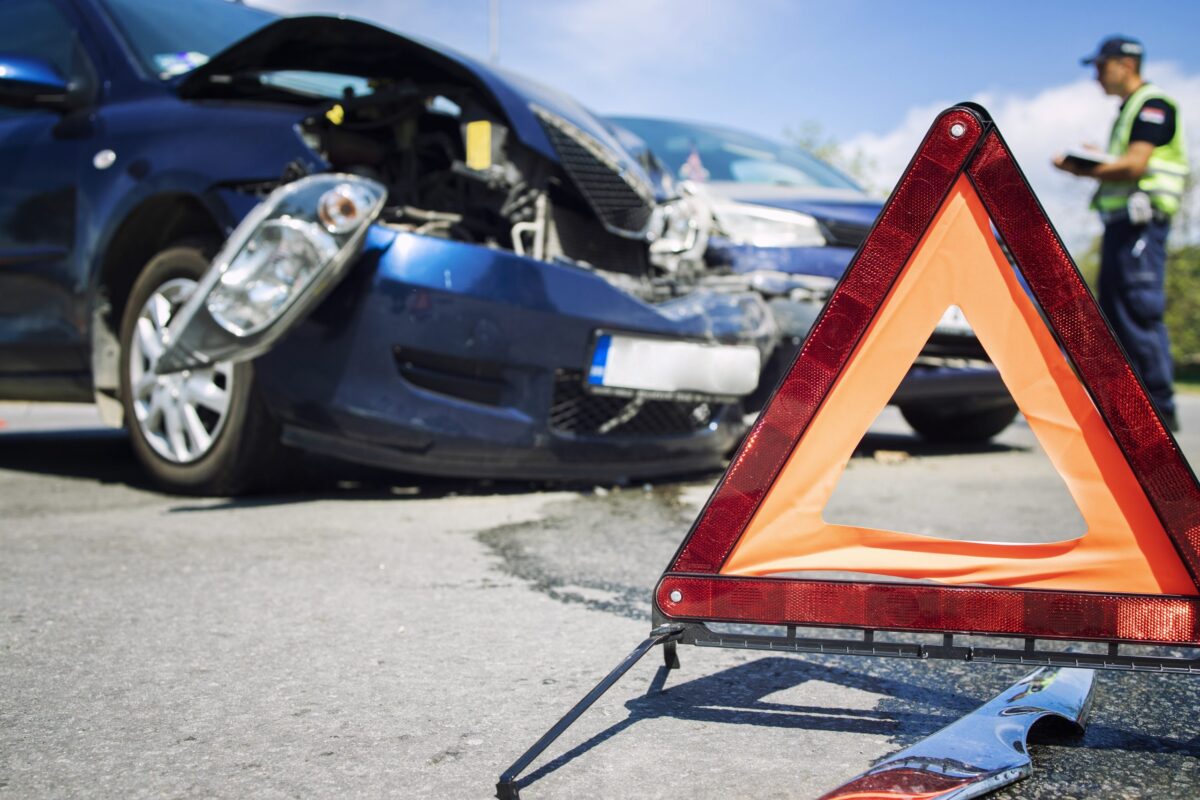
Many Americans are involved in car accidents across the country every day. These accidents can cause serious injuries and even death. If you or a loved one have suffered an injury or killed in a car accident, you need legal representation.

If you have a car accident claim, contact an experienced car accident lawyer immediately. Start today on the road to full and fair financial compensation. 

Types of Car Accidents 

The National Highway Traffic Safety Administration reported that 40,990 people died in traffic accidents across the country in one year alone. This shows a 6.3 percent decrease in car accident deaths from the previous year. In another year, authorities reported 42,514 traffic deaths.

These statistics do not reflect the number of people who survived a traffic accident but live with serious injuries. Whether you lost a loved one in a car accident or suffered injuries yourself, you deserve legal representation. Contact a car accident attorney today to learn more about your legal options.

Rear-End Collisions

Rear-end collisions are among the most common types of traffic accidents. Rear-end crashes usually happen because a driver is distracted, suddenly stops, or tailgates the forward driver. While authorities usually consider the driver of the rear vehicle at fault for the accident, liability always depends on the surrounding circumstances.

Head-On Collisions

A head-on collision happens when two vehicles strike each other front-to-front. It can be caused by a variety of things, including speeding, bad road conditions, or wrong-way driving. A car accident attorney can help decipher liability issues.

Side-Impact Collisions

A side-impact crash, also known as a T-bone accident, occurs when a vehicle crashes into the side of another vehicle. This type of accident can also happen when a driver blows through a stop sign or runs a red light.

Single Vehicle Accidents

Single-vehicle accidents only involve one car and can happen for a variety of reasons, including losing control of the car, weather conditions, mechanical failures, or driving under the influence of drugs or alcohol.

Multi-Vehicle Accidents

Multi-vehicle accidents or pileups can happen for many reasons. Multi-car accidents can lead to complex situations on the road. An attorney can ensure you understand your right to recovery from a multi-car accident.

Hit-And-Run Accidents

A hit-and-run accident occurs when a vehicle crashes into another vehicle and then leaves the scene without exchanging the information required by state law. Depending on state law, leaving the scene of an accident can be considered a criminal offense.

Pedestrian Accidents

Pedestrian accidents can happen between a motorist and a pedestrian. The pedestrian is usually at the most risk of serious bodily injury. If you are the victim of a pedestrian accident, contact an attorney to learn how to protect your legal rights and discover your options after getting hurt in an accident.

Cyclist Accidents

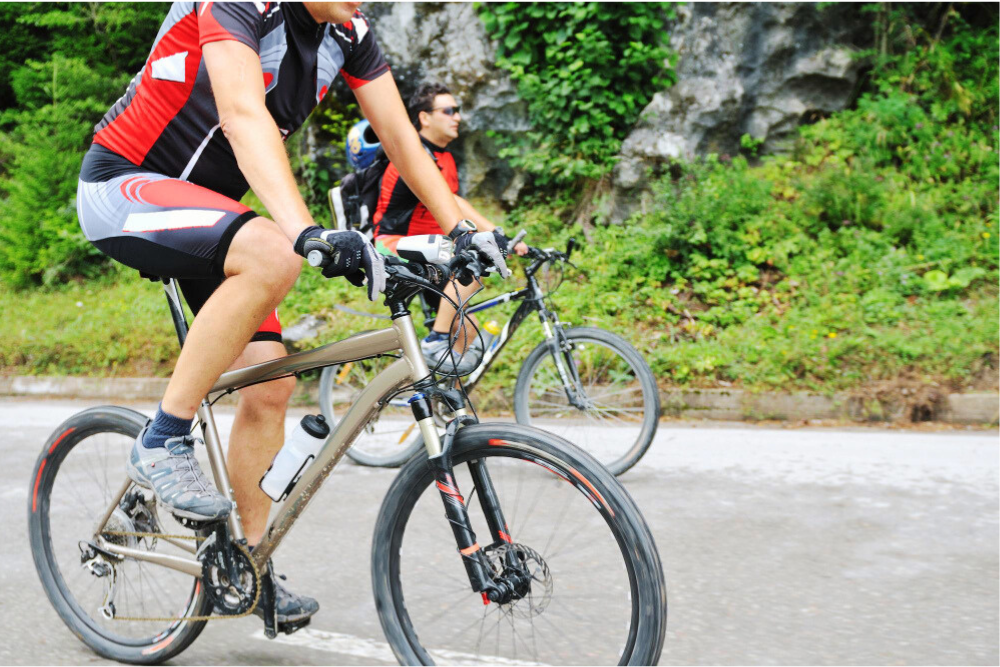
Cyclist accidents involve a vehicle colliding with a cyclist, often resulting in serious injuries. Driver inattention, poor visibility, left or right turns, and even opening car doors usually cause these accidents.

DUI Crashes

Driving under the influence of drugs or alcohol is dangerous and negligent. Impaired driving can lead to poor judgment and a lack of awareness of lane boundaries. A driver who caused a car crash because they were impaired might face criminal and civil liability.

Weather conditions can lead to serious accidents. Weather-related conditions significantly impact driving safety and can lead to various traffic accidents. An accident can easily happen because of slippery or hazardous road conditions caused by bad weather.

Vehicle Rollovers

Vehicle rollovers occur when a vehicle tips over on its side or roof, often resulting in serious injuries or fatalities. They often happen when vehicles make sharp turns and lose control and can happen often with vehicles with high centers of gravity, like SUVs or larger commercial trucks.

If you have suffered an injury in any type of car accident or you have lost a loved one in a crash, contact an attorney. An experienced car accident lawyer can increase your chances of receiving full and fair compensation after a car accident.

Common Car Accident Injuries

A car accident can cause many types of injuries. Some common car accident injuries include the following:

Neck and Chest Injuries 

Neck and chest injuries are common in car accidents and can range from mild to severe. Common neck and chest injuries can include:

  • Heart attack 
  • Broken or bruised ribs 
  • Whiplash 

Arm and Leg Injuries 

Arm and leg injuries are common in car accidents and can vary in severity. Some common arm and leg injuries include:

  • Amputation
  • Dislocated joints 
  • Broken bones 

Soft Tissue Injuries

Car accident victims often live with soft tissue injuries. Soft tissue injuries damage muscles, ligaments, tendons, and other connective tissue. Examples of soft tissue injuries include:

  • Bruising 
  • Sprains and strains 

You deserve compensation for your injuries. A skilled personal injury attorney can help get the financial recovery you deserve after an accident. Having an attorney means that you can focus on your physical well-being while your car accident attorney works on your legal claim.

How Much Are My Injuries Worth?

Each car accident is unique, so there is no guaranteed way to determine the value of a claim. However, some factors indicate an estimated monetary value of your case. An attorney can ensure you understand what compensation you might be entitled to after a car accident.

Factors that help indicate the financial value of your claim include the following:

  • State law 
  • Insurance coverage 
  • Medical expenses 
  • Property damages 
  • Lost income 
  • Pain and suffering 
  • Disability 

An attorney can ensure you understand the full value of your car accident case. Contact a lawyer if you have suffered an injury in a car crash, as they can guide you through the legal process and advocate for your rights.

Contact a Car Accident Lawyer Today

You deserve full compensation for the losses you suffered after a car accident. A car accident attorney can get you there. There is no reason to delay creating the legal team that you need to help protect your legal rights after a car accident. Call an attorney today. 

Estate of Massi v. Township of Monroe: Holding Municipalities Accountable to Cyclists for Poor Road Maintenance

A recent New Jersey Appellate Division case underscores the importance proper road maintenance for the use and enjoyment of cyclists in a tragic case involving William Massi, a cyclist whose severe injuries were the result of a poorly maintained public roadway. In a well-written opinion, Judge Sabatino recognized that “bicycle riding has become increasingly prevalent on our public roadways. That increased usage has heightened safety concerns about the condition of roadway surfaces used by bicyclists as well as motor vehicles. Since the 1990s, the New Jersey Department of Transportation (‘DOT’) has published guidelines for the safe condition of road surfaces used by both bicycles and motor vehicles.” For further reference, you can access the NJDOT Bicycle Compatible Roadways and Bikeways Planning and Design Guidelines here and here.

The Estate of William Massi filed a lawsuit against several parties after William’s tragic accident on Wyckoff Mills Road, a two-lane road that straddles Monroe and Cranbury Townships. Despite numerous complaints and frequent patch repairs over several years, the road was plagued with potholes and other dangerous surface irregularities. On April 27, 2017, William swerved to avoid a passing truck and lost control of his bicycle when his tires hit the potholes, leading to a severe fall. Tragically, William passed away while the appeal was pending, although his death was not a direct result of the bicycle accident.

Under New Jersey’s Tort Claims Act (TCA), public entities can be held liable for injuries caused by dangerous conditions that the entity owns, maintains, or controls. The key legal questions in this case are:

  1. Was the road in a dangerous condition?
  2. Did the municipalities have notice of the condition?
  3. Was the failure to repair the road palpably unreasonable?

Judge Sabatino’s Opinion

Judge Sabatino, writing for the Appellate Division panel, delivered a comprehensive opinion that reversed the trial court’s grant of summary judgment in favor of Monroe and Cranbury Townships. Here are some of the critical points and reasons behind the reversal:

  1. Dangerous Condition of the Roadway: Judge Sabatino highlighted that the road’s surface was chronically poor, with numerous complaints and repairs over several years. Maintenance records revealed that the road had been patched “hundreds of times” in the five years preceding the accident, indicating chronic neglect and a persistently dangerous condition.
  2. Citizen Complaints: Several citizens had reported the poor condition of the road to the municipalities, making it clear that there was widespread awareness of the problem. These complaints showed that the municipalities had actual knowledge of the road’s hazardous state and the risks it posed to public safety.
  3. Expert Testimony: The court found the unrebutted expert testimony of Dr. Wayne Nolte, a civil engineer, compelling. Dr. Nolte stated that the improper repair methods used by the municipalities rendered the road hazardous. He indicated that the repeated cold patch repairs were inadequate and contributed to the persistent dangerous condition.
  4. Notice and Actual Knowledge: The court concluded that the facts presented a jury question regarding whether the municipalities had actual and/or constructive notice of the dangerous condition. The numerous complaints from citizens and the hundreds of patch repairs demonstrated that a reasonable juror could conclude that the municipalities knew or should have known about the road’s condition.
  5. Palpably Unreasonable Condition: The opinion underscored that the municipalities’ failure to properly repair the road, despite knowing its dangerous condition, could be viewed by a jury as palpably unreasonable conduct. The repeated and ineffective repair attempts, combined with the knowledge of the road’s condition, suggested a level of neglect that justified a jury’s consideration.

Distinguishing this case from Polzo I and Polzo II

Judge Sabatino’s opinion carefully distinguished the facts of this case from our Supreme Court’s decisions in Polzo v. County of Essex (“Polzo I” and “Polzo II”):

  1. Location of the Accident: In Polzo, the bicycle accident occurred on the shoulder of the road, not on the travel lanes. The Supreme Court emphasized that roadways are primarily intended for vehicular traffic, not for bicyclists riding on the shoulder. In contrast, William Massi’s accident occurred on the travel lanes of Wyckoff Mills Road, which are meant for all types of vehicles, including bicycles and motorcycles.
  2. Nature of the Road Condition: The road surface in the Massi case was chronically poor, with documented evidence of hundreds of repairs and multiple complaints. The expert testimony indicated that the condition was hazardous for both bicycles and motorcycles, whereas the Polzo case involved a single depression on the shoulder that was not shown to be hazardous for motor vehicles.
  3. Duty to Maintain: Polzo II held that public entities do not have to make road shoulders completely risk-free for bicyclists. However, in Massi’s case, the court recognized that the travel lanes, which are intended for vehicles including bicycles and motorcycles, must be maintained to a safe standard. The extensive and repeated repairs highlighted a duty that reasonable juror could conclude that the municipalities failed to meet.

The Court’s Decision

The appellate court vacated the summary judgment in favor of the Townships, meaning the case would go back to trial for further examination of these issues. This decision underscores the municipalities’ potential liability and the need for public entities to maintain roadways in a condition safe for all users, including bicyclists and motorcyclists.

Why This Case Matters

This case is a stark reminder of the responsibilities that municipalities owe to members of the public in maintaining and repairing public infrastructure. It highlights how neglecting these vital public safety duties can lead to severe, life-altering consequences for cyclists, runners, and motorists. At Shebell & Shebell, we are dedicated to helping those who suffer due the negligect of public entities.

If you or a loved one has been injured due to poorly maintained public property, don’t hesitate to contact us. We are here to fight for your rights and hold negligent parties accountable. Your safety should never be compromised due to the neglect of others.

Rideshare Company Liability for Accidents in New Jersey: What You Need to Know

In the world of modern transportation, rideshare companies like Uber and Lyft have transformed the way we travel. They’re convenient, affordable, and accessible. But what happens when an accident occurs involving one of these rideshare vehicles? Understanding the liability in these situations can be crucial, especially in New Jersey, where specific laws and regulations come into play.

The Basics of Rideshare Liability

Rideshare companies operate differently from traditional taxi services. Drivers use their personal vehicles, and the rideshare company acts as a middleman, connecting drivers with passengers through an app. This setup raises unique questions about liability when an accident happens.

In New Jersey, the law is clear: rideshare companies must provide insurance coverage for their drivers. This coverage is tiered based on the driver’s status at the time of the accident, as mandated by the Transportation Network Company Safety and Regulatory Act (N.J.S.A. 39:5H-1 through 39:5H-28).

  1. Offline or App Off: If the driver is not logged into the app, their personal insurance is in effect.
  2. App On, No Passenger: When the driver is logged into the app but has not yet accepted a ride, the rideshare company’s insurance provides limited coverage:
    • $50,000 for bodily injury or death per person (N.J.S.A. 39:5H-10a).
    • $100,000 for bodily injury or death per accident (N.J.S.A. 39:5H-10a).
    • $25,000 for property damage (N.J.S.A. 39:5H-10a).
  3. App On, Passenger in Car: Once a ride is accepted and a passenger is in the vehicle, the rideshare company’s full insurance coverage kicks in:
    • $1.5 million in liability coverage for bodily injury, death, and property damage (N.J.S.A. 39:5H-10b).
    • $1.5 million in uninsured/underinsured motorist coverage (N.J.S.A. 39:5H-10b).
    • $10,000 for personal injury protection (PIP) per person per accident (if the driver’s personal policy does not include PIP) (N.J.S.A. 39:5H-10b).

Insurance Requirements in New Jersey

New Jersey mandates that rideshare companies provide specific insurance coverage to protect passengers, drivers, and third parties. This comprehensive insurance framework ensures that victims of rideshare accidents have a clear path to compensation, reflecting the seriousness of the potential injuries and damages that can occur.

Determining Fault and Seeking Compensation

After an accident, determining fault is a critical step. In New Jersey, a comparative negligence state, multiple parties can share fault. The percentage of fault assigned to each party directly impacts the compensation they can receive.

If you’re involved in a rideshare accident, whether as a passenger, pedestrian, or other driver, it’s essential to gather evidence. Take photos, get witness statements, and collect all relevant information. This documentation will be vital when filing a claim.

The Role of a Personal Injury Lawyer

Navigating the complexities of rideshare accident claims can be daunting. That’s where an experienced personal injury lawyer comes in. They can help you understand your rights, negotiate with insurance companies, and ensure you receive fair compensation for your injuries and losses.

In New Jersey, the law provides a solid foundation for holding rideshare companies accountable. However, each case is unique, and the details matter. Consulting with a lawyer who specializes in rideshare accidents can make all the difference.

Conclusion

Rideshare companies offer convenience and flexibility, but accidents can happen. Understanding the liability landscape in New Jersey ensures you are prepared and protected. Remember, the law is on your side, and with the right legal support, you can navigate the aftermath of an accident with confidence.

Stay safe, know your rights, and don’t hesitate to seek expert advice if you find yourself involved in a rideshare accident. Your journey to justice starts with understanding the road ahead.

This guide outlines the key aspects of rideshare liability in New Jersey, referencing the Transportation Network Company Safety and Regulatory Act (N.J.S.A. 39:5H-1 through 39:5H-28). For detailed legal advice tailored to your specific situation, always consult with a professional.

Who Can File a Wrongful Death & Survivorship Lawsuit in New Jersey

Losing a loved one is always devastating. The pain can be even more troubling and grieving more difficult when death results from the wrongful action or negligence of another person. New Jersey law provides a way for surviving family members to seek justice and compensatory damages for those harmed by the loss of the deceased victim.

Read more below from New Jersey’s experienced wrongful death & survivorship lawyers at Shebell & Shebell, LLC, about who can file a wrongful death & survivorship lawsuit in our state.

Understanding Wrongful Death & Survivorship in New Jersey

State law provides a right of recovery in cases where a person’s death occurred because of the negligent, wrongful, or criminal act of another person. Death might occur immediately during the wrongful act or could come much later.

In essence, any personal injury claim that a living person would have for damages can lead to a wrongful death & survivorship case. Only a legally qualified person can handle the case on behalf of those entitled to recover.

Eligibility to File a Wrongful Death & Survivorship Lawsuit

Wrongful death & survivorship cases in New Jersey involve both personal injury law and probate law. Who can file a wrongful death lawsuit in our state? Here, a wrongful death lawsuit must be filed and handled by the personal representative of a deceased person’s estate.

There are two types of personal representatives. For people with a will, the probate court appoints the person named in the will as executor. For people who die without a will, the probate court will appoint a qualified person to act as the administrator of the estate.

Who Can Recover Damages in a Wrongful Death & Survivorship Claim

Relatives or beneficiaries of the deceased person are allowed to recover damages regardless of whether or not the decedent had a will. The law prioritizes compensation for those persons who were or could be financially dependent on the deceased person, including a deceased person’s:

  • Spouse
  • Children
  • Parents
  • Grandchildren
  • Grandparents
  • Nieces and nephews

If multiple family members are eligible to recover damages in a wrongful death & survivorship claim, the court will apportion the damages based on various factors.

You should consult with our attorneys to determine who is legally entitled to recover damages in any particular wrongful death & survivorship case.

Types of Damages Recoverable

Economic damages are based on calculations and include:

  • Lost financial support expected from the deceased for the rest of their expected lifespan
  • Funeral expenses
  • Economic value of household services the deceased would have provided had they lived

Non-economic damages are more subjective and place value on the emotional support, companionship, love, care, and guidance the deceased would have been able to provide.

Consult With Shebell & Shebell, LLC, Regarding Your Wrongful Death & Survivorship Case

If a loved one has died as a result of the negligent or intentional action of another person, you can speak with an experienced personal injury lawyer with Shebell & Shebell, LLC, to find out more about your legal rights and to determine who can file a wrongful death & survivorship lawsuit if necessary.

Contact us online or call our office in Shrewsbury at (732) 663-1122 anytime, 24/7, to discuss your case and schedule a confidential consultation.

What To Do After a Slip and Fall Accident in New Jersey

Slip and fall accidents happen without warning and often lead to difficult injuries and sustained pain. There are some immediate steps to protect your health and legal rights when injured in a slip and fall accident.

You should consult with New Jersey’s top slip and fall attorneys, Shebell & Shebell, LLC, as soon as practical after suffering a slip and fall injury. Here are some other important things to know about what to do after a slip and fall accident.

Seek Medical Attention

Go to your doctor or visit the emergency room as soon as you can after the accident. A doctor will document your condition and your injuries for the record.

Follow your doctor’s instructions and keep all follow-up appointments. Take medications as prescribed and follow therapy instructions closely.

Reporting the Accident

Notify the property owner or manager of the accident as soon as possible. Request they make an incident report to document the accident and ask for a copy. The property owner or manager’s account of the incident is critical to establishing which facts are not in dispute and could include an admission of negligence.

Otherwise, be very cautious about what you say following the accident. Avoid making any unnecessary statements or admissions. Only relate the necessary facts to identify your accident and the scene before you can consult with one of our lawyers. Don’t post about your accident on social media.

Document the Scene

If you’re wondering what to do after a slip and fall accident, documenting the scene is a must.

Take photos and videos of the precise place where you fell. Take pictures of hazardous conditions and also make videos. If you slipped on a wet floor or a broken or uneven surface, take pictures of how the scene appeared when you fell.

If there are any witnesses and you’re able to talk with them, ask for their names and phone numbers.

Preserve Evidence

Keep the clothes and shoes you wore when you fell in the same condition. Until you provide them to your personal injury lawyer, don’t wash or alter them, and keep them in a safe place.

Keep a Personal Injury Journal

Keep a diary about the physical, emotional, and financial injuries you suffer as a result of the accident. Record your daily pain and physical limitations. The things you write down at the time they occur can serve as powerful evidence when documenting your claim later.

Contact Shebell & Shebell, LLC, Regarding Your Slip and Fall Case

Read other posts on our website about these types of cases, including information about knee injuries from slip and fall accidents.

If you have been injured as the result of hazardous property conditions or the negligence or wrongful act of another person, reach out to the team of experienced New Jersey personal injury lawyers at Shebell & Shebell, LLC. Until then, follow the steps outlined above about what to do after a slip and fall accident.

Contact us online today or call our Shrewsbury office anytime, 24/7, at (732) 663-1122 to schedule a consultation with one of our lawyers.

The Vital Importance of Wearing a Bicycle Helmet

Riding a bicycle offers numerous benefits, from improving physical fitness to reducing carbon footprints. However, safety should always be a top priority, and wearing a helmet is crucial for protecting yourself in the event of an accident.

The Latest Research on Helmet Effectiveness

A recent study by the Insurance Institute for Highway Safety (IIHS) and Virginia Tech tested 30 popular adult bike helmets, revealing significant differences in protection. Four helmets earned the top rating of 5 stars, demonstrating superior protection, while others ranged from 2 to 4 stars. The study emphasizes that cost isn’t always indicative of performance, as both high-end and mid-priced helmets received top marks. This new rating system aims to help consumers make informed decisions and encourage manufacturers to improve helmet safety.

Key Takeaways

Cost vs. Protection: The study highlights that a higher price doesn’t always equate to better protection. Both high-end and mid-priced helmets received top ratings, proving that effective helmets are available across different price ranges.

Making Informed Decisions: With the new rating system, consumers can now make better-informed decisions when purchasing helmets. This not only promotes personal safety but also encourages manufacturers to enhance helmet safety standards.

Comprehensive Safety: Wearing a helmet that has been tested and rated for high performance can significantly reduce the risk of severe head injuries. It’s an essential step for all cyclists, regardless of their experience level.

Why Helmets Matter

Injuries sustained from bicycle accidents can be life-altering. A helmet acts as a critical line of defense, absorbing impact and reducing the severity of head injuries. It’s not just about following the law or setting a good example for others—it’s about protecting your future and well-being.

For more detailed information on the recent helmet tests and to see which helmets performed best, you can read the full article here.

Conclusion

Don’t compromise on safety. Always wear a helmet when you ride and choose one that offers the best protection. Your head—and your future—depend on it.

If you or a loved one has been injured in a bike crash, visit Shebell & Shebell for expert legal assistance. Your safety and well-being are our top priority.

Understanding Your Right to Sue Commercial Landowners for Sidewalk Hazards in New Jersey: Insights from the Padilla Decision

In New Jersey, a recent decision has more clearly defined the landscape of premises liability regarding commercial property owners. If you’ve ever tripped on a poorly maintained sidewalk and suffered injuries, understanding your rights is crucial. A recent New Jersey Supreme Court case, Padilla v. Young Il An, serves as a pivotal moment for pedestrians. Here’s what you need to know.

The Padilla Case: A Turning Point

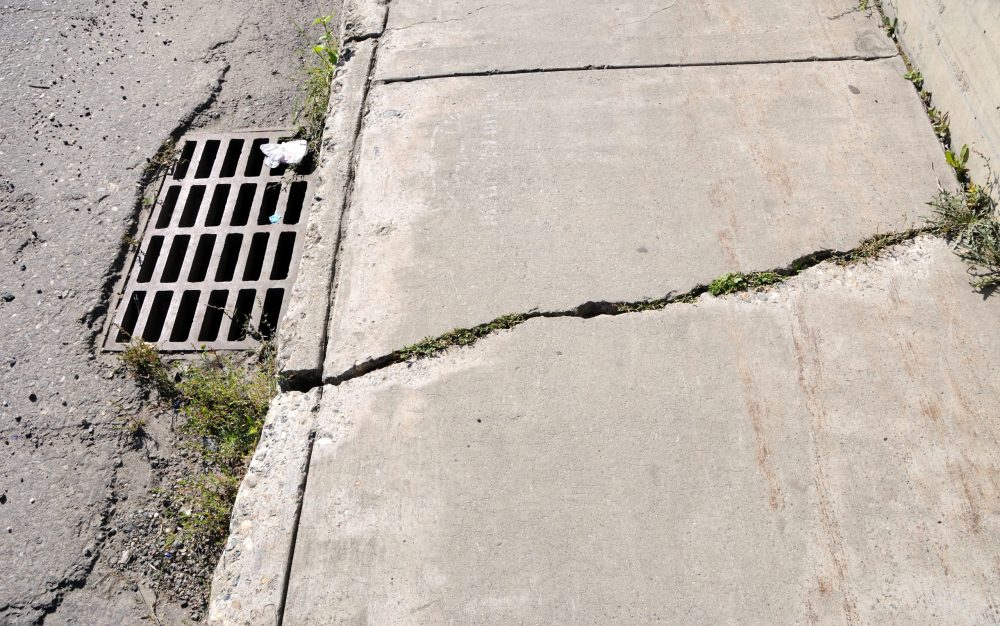
In September 2019, Alejandra Padilla suffered serious injuries after tripping on a dilapidated sidewalk in Camden, New Jersey. The sidewalk abutted a vacant commercial lot owned by Young Il An and Myo Soon An. Despite owning the property since 1992, the Ans never developed it, nor did they maintain the sidewalk or purchase liability insurance. Padilla’s fall brought to light a critical issue: Do owners of vacant commercial lots have a duty to maintain the sidewalks adjoining their property?

The trial court initially ruled in favor of the Ans, citing binding precedent that exempted owners of vacant lots from such responsibilities. The Appellate Division upheld this decision. However, the New Jersey Supreme Court saw it differently. In a decisive move, the Court reversed the lower courts’ rulings, establishing that all commercial landowners, including those with vacant properties, must keep abutting sidewalks in reasonably good condition.

What This Means for Injured Pedestrians:

The Supreme Court’s decision in the Padilla case underscores a fundamental principle: fairness and public safety. Commercial property owners, regardless of whether their lot is developed or generating income, now have a clear duty to ensure that sidewalks are safe for pedestrians. Here’s how this impacts you:

  • Broader Scope of Liability If you’re injured due to a poorly maintained sidewalk next to any commercial property, you can hold the property owner accountable. This duty extends to vacant lots, which were previously excluded from such liability.
  • No Need for Income Generation Proof The court rejected the notion that liability should depend on a property’s ability to generate income. This simplifies your case, focusing on the condition of the sidewalk rather than the financial status of the property.
  • Encouraging Better Maintenance and Pedestrian Safety With this ruling, commercial property owners are incentivized to maintain their sidewalks, reducing hazards and promoting safer public spaces.

The Legal Implications

The Padilla decision aligns with the long-standing precedent established in Stewart v. 104 Wallace Street, Inc., 87 N.J. 146 (1981). In Stewart, the Supreme Court held commercial property owners responsible for sidewalk maintenance, stating that “commercial landowners are responsible for maintaining in reasonably good condition the sidewalks abutting their property and are liable to pedestrians injured as a result of their negligent failure to do so”. However, the Padilla decision goes further by unequivocally including vacant lots under this duty.

Justice Pierre-Louis, writing for the majority in Padilla, emphasized that commercial landowners must maintain public sidewalks in reasonably good condition, ensuring safe passage for pedestrians. This ruling eliminates the ambiguity and potential inconsistency that previously complicated such cases.

A Call to Action

The Padilla case highlights a critical shift towards greater accountability for commercial property owners. As pedestrians, it’s important to stay informed about your rights and the responsibilities of those who own and manage commercial properties in your community.

If you’ve been injured because of a neglected sidewalk, don’t hesitate to act. Hold property owners accountable, seek justice for your injuries, and contribute to making our public spaces safer for everyone.

If you find yourself in a situation like Alejandra Padilla’s, here’s what you should do:

  1. Document the Scene: Take photos of the sidewalk and your injuries. Note the exact location, take measurements, and document any visible defects.
  2. Notify the Property Owner: To document the location of your fall and prevent others from suffering the same fate, immediately notify the property owner or management company. If no one is available at the location, you may want to contact the police department.
  3. Seek Medical Attention: Your health is paramount. Get immediate medical care, if necessary, and keep records of all treatments.
  4. Consult an Injury Lawyer: An attorney experienced in premises liability cases can guide you through the legal process, helping you understand your rights, and recommend the best course of action.

Final Thoughts

The Padilla decision is a victory for fairness and public safety. The case ensures that all commercial property owners, regardless of the status of their lot, have a duty to maintain sidewalks, protecting pedestrians from unnecessary harm. By understanding your rights and taking appropriate action, you can help uphold this standard and seek the compensation you deserve.

Stay vigilant, stay informed, and remember – the law is here to protect you.

The Silent Killer: Distracted Driving on New Jersey Roads

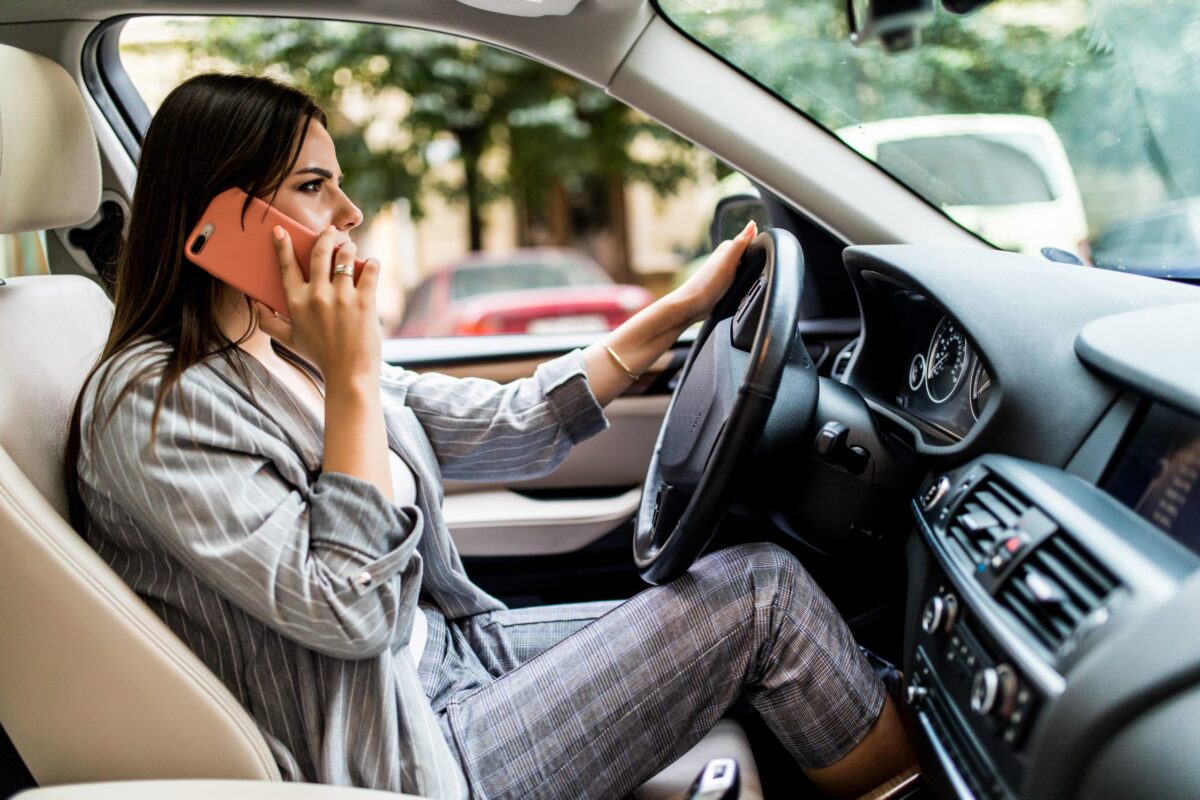
When we talk about distracted driving, we’re not just tossing around a buzzword; we’re spotlighting a lethal threat that’s all too common on our streets today. Here in New Jersey, taking your eyes off the road for just a heartbeat can wreak havoc—not just for the person behind the wheel but for everyone sharing the road: pedestrians, cyclists, and other drivers. Let’s dive deep into why distracted driving demands our full attention and serious action.

The Stark Reality of Distracted Driving

Our vehicles have transformed into mobile command centers where life and technology collide—phones buzzing, GPS navigating, and playlists streaming. But amidst this connectivity, there’s a perilous disconnect when these distractions lead us away from the fundamental task of driving.

Phones and Texting

Here’s a hard fact—glancing at your phone for just five seconds while cruising at 55 mph means you’ve traveled nearly the length of a football field, including both end zones, essentially blindfolded. That’s over 400 feet where anything can happen, and you wouldn’t see it coming.

In-Car Tech Gadgets

Our cars are smarter, but even the slickest touch screens and voice controls can pull our focus from where it matters most—the road ahead.

Chatty Passengers

Engaging in deep conversations or turning to address passengers can split your concentration, which might lead to disastrous outcomes.

The Human Toll

Numbers on a page don’t capture the sheer devastation of distracted driving. They don’t reflect the pain of families torn apart or the dreams dashed in an instant. Every pedestrian accident, every cyclist injured, every car wrecked tells a story of a moment’s distraction that changed lives forever.

Pedestrians and Cyclists

These folks are incredibly vulnerable because, for them, the road’s shoulder or a thin strip of bike lane is their only protection. When drivers aren’t 100% present, these narrow margins for safety can lead to catastrophic injuries or worse.

Other Drivers

It’s not just about individual safety; every distracted moment you spend behind the wheel is a risk you pose to everyone on the road. A simple glance away can cascade into multi-vehicle collisions with dire consequences.

Legal Repercussions in New Jersey

New Jersey takes a strict stance on distracted driving, especially regarding the use of handheld devices while driving:

Fines and Points

Getting caught texting or calling with a handheld device can slap you with fines from $200 to $400 for just the first offense. If you don’t learn your lesson and it happens again, those fines—and the stakes—only get higher. And by the third offense? You’re looking at up to $800 in fines, a possible 90-day license suspension, and the addition of three points on your driving record.

Liability Consequences

Beyond the immediate legal consequences like fines and points, distracted driving can lead to severe liability issues. If your actions cause an accident, you could be faced with lawsuits for significant damages, especially if someone is injured or killed. The human costs—lost lives, grieving families, and injured survivors—underscore the devastating impact of distracted driving. These are not just abstract risks; they represent profound personal tragedies that could haunt you for a lifetime.

Making a Change

So, what’s to be done? How do we curb this epidemic of distracted driving that’s claiming lives and livelihoods?

  • Lead by Example. Make it a point to put your phone away and keep your focus fixed firmly on the road. Every trip, every time.
  • Educate and Advocate. Talk about the dangers, share the grim statistics, and support initiatives that aim to make our roads safer.
  • Policy and Enforcement. Support local and state efforts to strengthen laws and their enforcement against distracted driving. It’s about making our roads safe for all.

Wrapping Up

Driving distracted isn’t just risky—it’s potentially deadly. Let’s not mince words here: when you’re driving, every second counts, every glance matters. Let’s commit to keeping our eyes on the road and our hands on the wheel. Our lives, and the lives of our neighbors and loved ones, depend on it. Stay safe, stay focused, and let’s make New Jersey’s roads a model of safety and responsibility.

If you or a loved one has suffered from distracted driving in New Jersey, the experienced attorneys at Shebell & Shebell, LLC can help. Contact us today to discuss your case and explore your legal options. Together, let’s work towards safer roads and a brighter future for all.

Understanding New Jersey’s Safe Passing Law: A Guide for Motorists and Cyclists

In the crowded streets of New Jersey, where every inch of road is a battleground for space between pedestrians, cyclists, and motorists, we’ve finally seen a beacon of hope. The Safe Passing Law, NJSA 39:4-92.4, effective since March 1, 2022, isn’t just another piece of legislation—it’s a lifesaver, a promise for a safer tomorrow for every kid on a bike and every pedestrian stepping onto the street.

The Essence of the Law: Respect and Protection

This isn’t just about rules; it’s about respect. New Jersey’s Safe Passing Law demands more than just careful driving—it requires a commitment, a promise from every motorist to safeguard those who are most at risk. Here’s what you need to know:

Make the Switch

If you see a cyclist or a pedestrian and the road allows, switch lanes. It’s more than courtesy; it’s giving them their rightful space.

Four Feet for Safety

Never buzz by closer than four feet. That distance might be the difference between a safe ride home and a trip to the ER.

Slow Down, It Saves Lives

If you can’t switch lanes, ease off that accelerator. Drop down to 25 mph, or even lower if the signs say so. Pass only when you can guarantee everyone’s safety.

The Law in Plain Speak: NJSA 39:4-92.4

Let’s lay it down straight—NJSA 39:4-92.4 isn’t just legalese. It protects the unprotected. If someone gets hurt because you violated this law, you’re not just looking at a slap on the wrist. It’s serious: a $500 fine and two points on your license. This law means business.

Why This Matters: Health, Happiness, and Safety

Think about it—cycling isn’t just good for the environment; it’s great for the heart, and not just the biological one, but our communal heart, our neighborhoods. This law encourages families to dust off those bikes in the garage, secure in the knowledge that the law is looking out for them. It’s about building a community where safety on the road isn’t a luxury—it’s a given.

The Cost of Carelessness

Don’t forget—the stakes are high. A moment of impatience can cost you a $100 slap on the wrist for a non-injurious violation, or, if your carelessness leads to someone getting hurt, a $500 fine and two points off your license. These penalties are here to remind us: we share the road, we share the responsibility.

Your Questions, Answered

Q: What does sharing the road really mean?

A: It means treating every road user with dignity and care, as if they were your own family.

Q: How do I know I’m doing it right?

A: If everyone goes home safe, you’re doing it right.

In Closing: Our Shared Road Ahead

New Jersey’s Safe Passing Law isn’t just another rule. It’s a statement—a statement that says we value life and respect each other’s right to come home safe. It’s a call to all of us to slow down, look around, and make sure we’re part of the solution, not the problem.

Let’s not just drive—let’s drive with heart, with an eye on the future. Let’s make sure that everyone, from the little guy on his first two-wheeler to the grandma crossing the street, feels safe on our roads. Because in the end, how we share the road says everything about who we are as human beings.