

How Distracted Driving Contributes to Bicycle Accidents

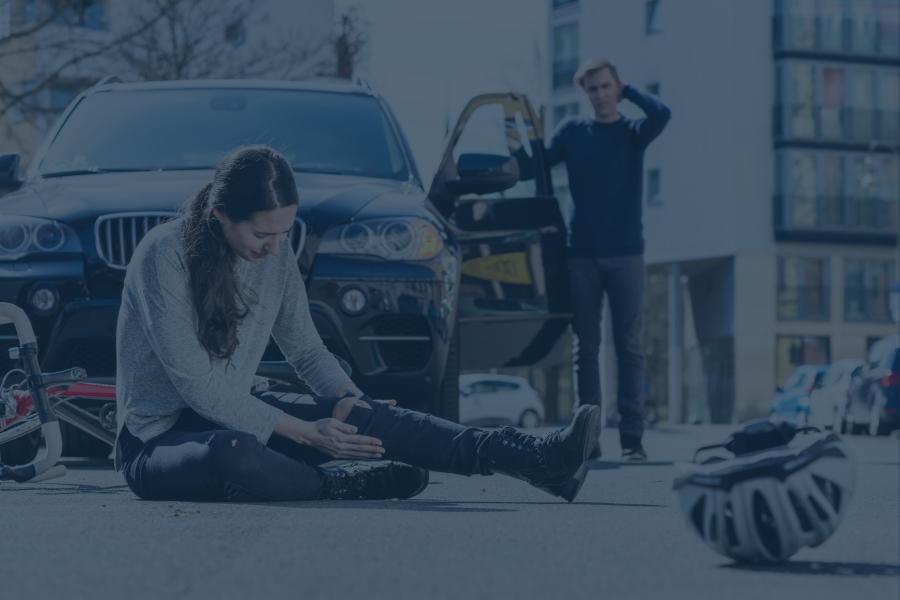
How distracted driving contributes to bicycle accidents is simple: when drivers look away, reach for something, or lose focus, cyclists are often the first people put in danger.
Cyclists have little protection when a car, truck, SUV, or rideshare vehicle gets too close. There is no frame around them, no airbag, and no seatbelt. Even a few seconds of driver inattention can lead to a serious crash.
Phones are a major problem, but they are not the only distraction. GPS screens, passengers, food, drinks, dashboard controls, and anything that pulls a driver’s attention away from the road can put cyclists at risk.
If you were injured while riding, speaking with a bicycle accident attorney can help you understand your options before the insurance company starts blaming you.
What Counts as Distracted Driving?
Visual distractions
A visual distraction happens when a driver takes their eyes off the road. This can include looking at a phone, checking GPS directions, turning toward a passenger, or staring at something outside the vehicle.
For cyclists, this is dangerous because drivers may already have a harder time noticing bikes than larger vehicles. If a driver looks away at the wrong moment, they may not see a cyclist in a bike lane, crosswalk, shoulder, or intersection.
Manual distractions
A manual distraction happens when a driver takes one or both hands off the wheel. Eating, drinking, reaching for a dropped item, adjusting the radio, changing climate controls, or grabbing a phone can all interfere with safe driving.
That split second matters. A driver who is reaching, steering with one hand, or fumbling with controls may drift into a bike lane, fail to brake, or make an unsafe turn.
Cognitive distractions
A cognitive distraction happens when a driver’s mind is not fully focused on driving. This can include stressful conversations, daydreaming, thinking about work, arguing with a passenger, or being mentally absorbed in a hands-free phone call.
Hands-free does not always mean risk-free. A driver may have both hands on the wheel and still fail to process what is happening around them.
Why texting is especially dangerous
Texting is one of the most dangerous forms of distracted driving because it combines all three types of distraction. The driver looks away, takes a hand off the wheel, and shifts mental focus away from driving.
Near cyclists, that combination can be devastating. A driver who looks down for only a few seconds may miss a bike entering an intersection, slowing in traffic, riding through a crosswalk, or traveling beside parked cars. Distracted driving can change someone’s life in seconds. Our guide on the consequences of distracted driving breaks down the real legal, financial, and injury-related impact these crashes can have on cyclists, pedestrians, drivers, and families.
Why Distracted Driving Is So Dangerous for Cyclists
Cyclists are smaller and easier to miss
Drivers often scan the road for cars, trucks, traffic lights, and open lanes. They may not be actively looking for cyclists, especially in busy areas or on roads without protected bike lanes.
Bikes can also be hidden by parked cars, traffic, delivery vehicles, intersections, blind spots, and poor lighting. When a driver is distracted, the chance of missing a cyclist becomes even higher.
Cyclists do not have vehicle protection
Cyclists do not have the same protection as people inside motor vehicles. There is no frame, seatbelt, airbag, or crumple zone to absorb the impact.
When a vehicle hits a cyclist, the rider may be thrown onto the hood, into another lane, against a parked car, or onto the pavement. Even lower-speed crashes can cause serious injuries.
Drivers have less time to react
A focused driver may be able to brake, slow down, move over, or stop before hitting a cyclist. A distracted driver may not react until it is too late.
Distraction delays braking, swerving, and decision-making. In many bicycle accident cases, the driver says they “never saw” the cyclist. That often means they were not paying enough attention.
Small mistakes can cause major injuries
A distracted driver does not have to be speeding wildly to cause a serious bicycle crash. A slight lane drift, a rushed turn, a missed stop sign, or a late brake can be enough.
For a cyclist, the result can be broken bones, a head injury, spinal trauma, road rash, internal injuries, or long-term pain.
Common Bicycle Accidents Caused by Distracted Drivers
Drivers drifting into bike lanes
Bike lanes are meant to give cyclists safer space, but distracted drivers can still drift into them. This often happens when drivers look at phones, glance at GPS directions, adjust controls, or stop watching their lane position.
On narrow roads, even a small drift can leave a cyclist with nowhere to go.
Failure to yield at intersections
Intersections are one of the most dangerous places for cyclists. Distracted drivers may turn without seeing a cyclist, roll through a stop sign, run a red light, or fail to yield when a cyclist has the right of way.
This can happen at traffic lights, stop signs, crosswalks, bike crossings, and driveways.
Sideswipe bicycle accidents
Sideswipe crashes happen when a vehicle passes too close or moves into the cyclist’s space. A distracted driver may misjudge distance, change lanes without looking, or fail to give the cyclist enough room.
These crashes can push a rider into traffic, parked cars, curbs, or the pavement.
Right-hook and left-turn crashes
A right-hook crash can happen when a driver turns right across a cyclist’s path. A left-turn crash can happen when a driver turns left in front of an oncoming cyclist.
In both situations, the cyclist may already have the right of way. Drivers often claim they “never saw” the cyclist, but that does not automatically excuse the crash.
Dooring accidents
Dooring accidents happen when a driver or passenger opens a parked car door into the path of a cyclist. This is especially common in busy downtown areas, near restaurants, near schools, and on streets with bike lanes beside parked cars.
A person getting out of a vehicle should check for cyclists before opening the door. When they are distracted by a phone, conversation, bag, or child in the back seat, they may open the door without looking.
Rear-end bicycle crashes
Rear-end bicycle crashes happen when a driver fails to slow down or stop before hitting a cyclist from behind. These crashes can be especially dangerous at night, in traffic, near intersections, or when a cyclist is stopped at a light.
A distracted driver may not notice the cyclist until the last second, leaving little or no time to avoid impact.
Common Injuries in Distracted Driving Bicycle Accidents
Head and brain injuries
Head and brain injuries are some of the most serious injuries in bicycle accidents. A cyclist may hit the vehicle, pavement, curb, or another object during the crash.
These injuries can lead to headaches, dizziness, memory problems, confusion, mood changes, vision issues, and long-term cognitive problems. Even when symptoms seem mild at first, they should be taken seriously.
Broken bones and fractures
Broken bones are common when a cyclist is hit by a vehicle or thrown from a bike. Riders may suffer fractures in the arms, wrists, legs, ribs, collarbone, hips, face, or ankles.
Some fractures heal with casting and rest. Others require surgery, hardware, physical therapy, and months away from normal activity.
Spinal and neck injuries
A distracted driving bicycle accident can cause serious trauma to the neck, back, and spine. These injuries may include herniated discs, nerve damage, spinal cord injuries, whiplash, or chronic back pain.
Spinal injuries can affect mobility, strength, sensation, and the ability to work or perform daily tasks.
Road rash and deep lacerations
Road rash can be much more serious than a scrape. When a cyclist slides across pavement, layers of skin can be torn away, leaving painful wounds that may require cleaning, bandaging, stitches, skin grafts, or infection monitoring.
Deep cuts and lacerations can also leave permanent scarring.
Internal injuries
Internal injuries may not be visible after the crash, but they can be life-threatening. A cyclist may suffer internal bleeding, organ damage, abdominal trauma, chest injuries, or lung injuries.
This is one of the reasons medical care is so important after any bicycle accident, even if you think you can walk it off.
Emotional trauma after the crash
A bicycle accident can affect more than the body. Many injured cyclists deal with anxiety, sleep problems, nightmares, fear of riding again, depression, or post-traumatic stress.
The recovery process may include missed work, surgery, physical therapy, long-term pain, and major changes to daily life.
How Do You Prove a Driver Was Distracted?
Police reports and driver statements
The police report can be an important starting point. It may include the driver’s statement, witness information, citations, diagrams, road conditions, and the officer’s observations.
Sometimes a driver admits at the scene that they were looking at a phone, checking directions, reaching for something, or distracted by a passenger. Those details can matter later in the claim.
Witness testimony
Witnesses can help prove what the driver was doing before the crash. Another cyclist, pedestrian, nearby driver, store employee, or bystander may have seen the driver looking down, drifting, speeding, or failing to brake.
Witness statements can be especially useful when the driver later denies being distracted.
Phone and text records
Phone and text records may help show whether a driver was calling, texting, or using a device around the time of the crash.
These records are usually not something an injured cyclist can simply request on their own. In many cases, they may need to be obtained through the legal discovery process after a claim or lawsuit begins.
Video footage
Video can be powerful evidence in a bicycle accident case. Dashcams, traffic cameras, business security cameras, doorbell cameras, parking lot cameras, and nearby surveillance systems may capture the moments before impact.
The issue is timing. Many systems overwrite footage quickly, so it is important to act fast before evidence disappears.
Crash scene evidence
The scene itself can tell a story. Skid marks, lack of braking, vehicle position, bike damage, debris location, road design, traffic signals, and intersection layout may all help show what happened.
For example, if there are no signs that the driver braked before impact, that may support the argument that the driver never saw the cyclist because they were not paying attention.
What to Do After a Bicycle Accident With a Distracted Driver
Call 911 and report the crash
Call 911 and make sure the accident is reported. A police report creates an official record of the crash and may include key details about fault, witnesses, citations, and driver behavior.
Do not let the driver talk you out of reporting it.
Get medical care right away
Get checked by a doctor as soon as possible. Bicycle accident injuries can worsen after the adrenaline wears off, and some serious injuries are not obvious right away.
Medical records also help connect your injuries to the crash.
Take photos of the scene, bike, vehicle, and injuries
If you can, take photos and videos before anything is moved. Capture your bike, the vehicle, your injuries, the road, bike lane, traffic signals, crosswalks, skid marks, debris, and anything that may show how the crash happened.
Get witness information
Ask witnesses for their names and contact information. Their version of events may help prove the driver was distracted, failed to yield, drifted into your lane, or made an unsafe turn.
Do not give a recorded statement too quickly
Insurance companies may ask for a recorded statement early. Be careful. They may use your words to shift blame, minimize your injuries, or argue that you were responsible for the crash.
Do not guess, downplay your pain, or sign anything before understanding your rights.
Speak with a bicycle accident attorney
If a distracted driver hit you while you were riding, a bicycle accident attorney can help preserve evidence, deal with the insurance company, and pursue compensation for your injuries.
Can Distracted Driving Also Put Pedestrians at Risk?
Distracted drivers do not only put cyclists in danger. The same behaviors that cause bicycle crashes can also lead to serious pedestrian accidents.
A driver looking at a phone, checking GPS, eating, or talking to passengers may miss someone walking through a crosswalk, standing in a parking lot, crossing near a school, or entering an intersection.
Cyclists and pedestrians are both vulnerable because they are outside a vehicle. They do not have airbags, seatbelts, or a metal frame protecting them from impact.
Distracted drivers do not only endanger cyclists. If you were walking when a careless driver hit you, our pedestrian accident attorneys can help you understand your rights after a serious crash.
Compensation After a Distracted Driving Bicycle Accident
Medical bills
Compensation may include emergency care, ambulance transport, hospital treatment, imaging, surgery, medication, doctor visits, and follow-up appointments.
Lost wages
If your injuries keep you from working, you may be able to pursue compensation for the income you lost during recovery.
Reduced earning ability
Some bicycle accident injuries affect your ability to return to the same job or earn the same income. If the crash limits your future earning capacity, that should be considered in your claim.
Pain and suffering
Pain and suffering may include physical pain, emotional distress, loss of enjoyment of life, anxiety, sleep disruption, and the overall effect the crash has had on your daily routine.
Bike damage and property loss
Your claim may also include the cost to repair or replace your bicycle, helmet, clothing, phone, watch, or other personal property damaged in the crash.
Future care needs
Some injuries require ongoing treatment, future surgery, physical therapy, pain management, in-home support, or medical equipment.
Permanent disability
If the crash causes permanent limitations, scarring, nerve damage, mobility loss, chronic pain, or disability, those long-term effects can significantly affect the value of the case.
Why Insurance Companies Blame Cyclists
Insurance companies often look for ways to reduce what they have to pay. In bicycle accident cases, they may argue that the cyclist came out of nowhere, was not visible, rode too fast, violated traffic laws, or should have avoided the crash.
They may also downplay the driver’s distraction or claim there is not enough evidence to prove it. Sometimes they make a quick settlement offer before the full extent of the injuries is known.
That early offer may not account for future medical care, missed work, long-term pain, or permanent limitations. Before accepting anything, it is important to understand the full impact of the crash.
Speak With a Bicycle Accident Attorney
Distracted driving is preventable. Cyclists should not be left paying for a driver’s inattention.
After a serious bicycle accident, the right legal help can make a major difference. An attorney can investigate the crash, gather evidence, preserve video footage, deal with insurance negotiations, and pursue compensation for your medical bills, lost income, pain, and future care needs.
If you were hurt by a distracted driver, contact our bicycle accident attorneys today for a free consultation.
