


Chemical burns happen when the skin, eyes, airways, or other parts of the body are exposed to corrosive or irritating substances. Unlike burns caused by fire or hot surfaces, chemical burns do not require heat. The chemical itself can damage tissue, sometimes continuing to cause harm even after the initial contact.
These injuries can happen in construction, factories, laboratories, automotive shops, cleaning jobs, salons, and many other environments where chemicals are used or stored. Severe exposures can result in deep tissue damage, vision problems, breathing difficulties, permanent scarring, nerve damage, and disability.
If a chemical burn was caused by unsafe conditions, negligence, or a dangerous product, our personal injury lawyers in New Jersey can help you understand your legal options. Contact Shebell & Shebell to discuss what happened and whether you may have a claim.
What is a Chemical Burn?
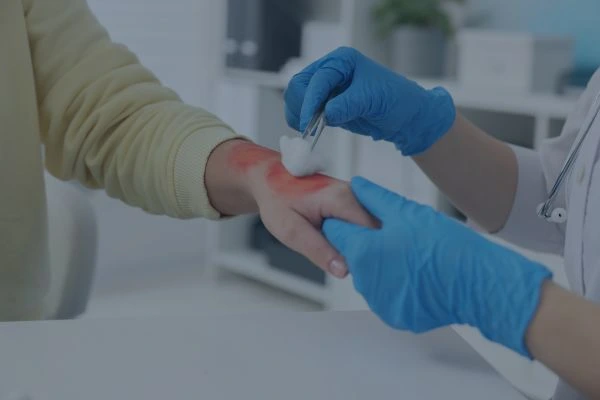
A chemical burn is tissue damage caused by direct exposure to a corrosive, caustic, or otherwise harmful chemical. These substances can affect more than the surface of the skin. Depending on how the exposure occurs, a chemical can damage the eyes, soft tissue, respiratory system, or internal organs.
Chemical burns can happen through direct skin contact, splashes to the eyes, inhalation of fumes, or ingestion. The seriousness of the injury depends on the substance involved, its strength, how much of it made contact with the body, and how long the exposure lasted.
Some chemical injuries are immediately painful and obvious. Others may initially appear minor before the full extent of the damage becomes clear.
Common Chemicals That Cause Burns
Many substances used at work or around commercial properties can cause chemical burns when they are handled improperly or come into contact with the body.
Common examples include:
- Acids, including sulfuric and hydrochloric acid
- Alkalis or bases, such as sodium hydroxide
- Bleach, ammonia, and concentrated cleaning products
- Industrial solvents and degreasers
- Manufacturing and laboratory chemicals
- Automotive chemicals and battery acid
- Pool and maintenance chemicals
- Hair bleach, dyes, relaxers, and other salon chemicals
The danger of a particular substance depends on factors such as its concentration and how a person is exposed to it. Even products that are routinely used in a workplace or business can cause serious injuries when safety procedures are ignored.
Where Chemical Burn Injuries Commonly Occur
Chemical burns are often associated with industrial work, but exposure can happen in many different workplaces and businesses.
Construction workers may encounter solvents, concrete products, cleaning agents, adhesives, coatings, and other chemicals. Employees in factories, manufacturing facilities, and chemical plants can face more concentrated substances as part of production, maintenance, or processing operations.
Cleaning and maintenance workers regularly handle disinfectants, bleach, drain cleaners, degreasers, and other potentially corrosive products. Mechanics and automotive employees may work around battery acid, solvents, fuels, and cleaning chemicals, while laboratory workers can be exposed to acids, bases, and specialized chemical compounds.
Chemical burns can also occur in hair salons and other beauty businesses. Hair bleach, dyes, relaxers, straightening products, and similar treatments can injure the scalp, face, eyes, or skin when they are improperly mixed, applied incorrectly, or left on too long. Our guide to hair salon negligence explains how chemical treatments and other salon mistakes can result in serious client injuries.
Regardless of the setting, the central question in a potential injury claim is often whether reasonable steps were taken to prevent the exposure.
Common Causes of Chemical Burn Accidents
Chemical burns are frequently preventable. They can occur when chemicals are handled incorrectly, workers are not given adequate protection, or businesses fail to follow basic safety practices.
Improper Chemical Handling
Spills and splashes are common causes of chemical burns, but accidents can also happen while chemicals are being mixed, transferred, diluted, applied, or disposed of.
For example, an employee may be burned when a container tips during a transfer, incompatible chemicals are mixed together, or a concentrated product is used incorrectly. In a salon, an improperly mixed or applied chemical treatment may burn a client’s scalp or skin.
The risk becomes greater when employees are rushed, procedures are unclear, or hazardous substances are handled without appropriate safeguards.
Inadequate Training or Protective Equipment
Workers who regularly handle hazardous chemicals should understand the risks associated with those substances and the procedures for using them safely.
Depending on the job, appropriate protection may include:
- Chemical-resistant gloves
- Safety goggles
- Face shields
- Protective clothing
- Proper ventilation
- Respiratory protection
Protective equipment alone is not enough if workers are not trained to use it correctly. Employers and businesses may create dangerous conditions when employees are expected to handle corrosive substances without adequate instruction, supervision, or safety procedures.
Improper Storage, Labeling, or Defective Products
Chemicals need to be stored and identified correctly. A leaking container, missing label, damaged valve, or chemical stored in an inappropriate container can expose workers and others before they even realize they are in danger.
Accidents may also involve defective products or equipment. A container may rupture, a sprayer may malfunction, or protective equipment may fail during normal use. In other cases, a chemical product may lack adequate instructions or warnings about its risks.
Determining exactly what went wrong can be important because a chemical burn accident may involve several potentially responsible parties.
Chemical Burn Symptoms and Injuries
Chemical burn injuries can range from relatively minor irritation to severe damage involving multiple layers of tissue.
Common symptoms and injuries may include:
- Burning or intense pain
- Redness and inflammation
- Swelling
- Blistering
- Changes in skin color
- Numbness or loss of sensation
- Deep skin and soft tissue damage
- Nerve damage
- Scarring and disfigurement
Chemical exposure to the eyes can cause severe irritation, corneal damage, impaired vision, or, in serious cases, permanent vision loss.
Inhaling chemical fumes can injure the nose, throat, airways, and lungs. A victim may experience coughing, chest discomfort, difficulty breathing, or other respiratory complications. Chemicals that are swallowed can cause internal burns involving the mouth, throat, esophagus, or digestive system.
Severe burns can require substantial medical treatment and may permanently affect a person’s appearance, mobility, sensation, or ability to perform certain types of work.
What Determines the Severity of a Chemical Burn?
Not every chemical exposure causes the same level of injury. Several factors can determine how serious a burn becomes.
One of the most important is the type of chemical involved. Different substances damage tissue in different ways, and stronger concentrations can generally cause more significant injuries than weaker solutions.
The amount of chemical and length of exposure also matter. A small splash that is quickly addressed may have very different consequences from prolonged exposure to a concentrated substance.
Other important factors include:
- The part of the body exposed
- Whether the chemical reached the eyes or airway
- Whether fumes were inhaled
- The size of the affected area
- How quickly appropriate treatment was obtained
Because some chemical injuries can worsen after the initial exposure, the visible appearance of a burn does not always show how much underlying damage has occurred.
Long-Term Effects of Chemical Burns
A serious chemical burn can continue affecting a person long after the initial wound has healed.
Deep burns may leave permanent scars or changes in skin texture and appearance. Burns to visible areas such as the face, scalp, hands, or arms can cause significant disfigurement and may require additional treatment or reconstructive procedures.
Our firm recently secured a $525,000 settlement for a client who suffered a scalp burn—view our case results to see how we’ve helped injury victims recover compensation.
Chemical burns can also damage nerves, muscles, and other underlying tissue. Some victims experience chronic pain, numbness, weakness, reduced range of motion, or difficulty using the affected part of the body.
When a burn occurs near a joint or affects a large area, scarring and tissue damage can make movement more difficult. More severe injuries may interfere with a person’s ability to return to the same job or perform everyday activities independently.
There can also be an emotional impact. Visible scarring, disfigurement, chronic pain, and the experience of a traumatic accident can affect confidence, relationships, work, and overall quality of life.
These long-term consequences are one reason a chemical burn claim should be evaluated based on the full impact of the injury, not simply the immediate medical treatment.
Who May Be Responsible for a Chemical Burn Injury?
Responsibility for a chemical burn depends on where the exposure happened, who controlled the chemicals, and what caused the accident.
In some cases, the injury is mainly a workers’ compensation matter. In others, a contractor, property owner, manufacturer, or another third party may also be responsible.
Workplace Chemical Exposure
When a chemical burn happens while someone is performing their job, New Jersey workers’ compensation may apply. The state’s workers’ compensation system can provide medical treatment, wage replacement, and permanent disability benefits for qualifying work-related injuries.
Workplace chemical exposures can involve situations such as:
- A chemical spill at a construction site
- Exposure to corrosive substances in a factory
- Cleaning products splashing onto an employee
- Unsafe chemical mixing or transfer procedures
- Inadequate protective equipment
- Poor ventilation around hazardous fumes
Workers’ compensation generally focuses on whether the injury arose out of and occurred in the course of employment rather than requiring the employee to prove ordinary negligence.
Negligent Third Parties
A workplace injury does not always mean the employer is the only party involved.
A contractor, subcontractor, maintenance company, property owner, equipment company, or another business may have contributed to the exposure. For example, a subcontractor might improperly store a chemical that later spills, or a maintenance company could leave a hazardous substance in an unsafe area.
New Jersey law allows an injured worker to pursue a claim against a responsible third party in appropriate circumstances even when the injury is also covered by workers’ compensation. However, third-party recoveries can affect workers’ compensation benefits because the employer or insurance carrier may have reimbursement or credit rights.
Defective Products
Some chemical burns are caused by a dangerous or defective product rather than improper workplace conduct.
Potential problems can include:
- Leaking chemical containers
- Defective valves or sprayers
- Equipment that unexpectedly releases chemicals
- Inadequate safety warnings
- Unsafe instructions
- Defective protective equipment
Depending on the circumstances, a manufacturer, distributor, or other company involved with the product may need to be investigated.
Workers’ Compensation vs. Personal Injury Claims
Workers’ compensation and personal injury claims are different legal paths.
If a chemical burn occurred while you were doing your job, the injury may qualify for New Jersey workers’ compensation benefits. These benefits can include medical care, temporary wage replacement, and compensation for permanent disability. Our workers’ compensation attorneys in New Jersey can help you understand what benefits may be available and what steps to take after a workplace injury.
A personal injury claim usually involves a separate person or company whose negligence or defective product caused or contributed to the injury. Examples might include an outside contractor that caused a chemical spill or a manufacturer that produced defective equipment.
In some accidents, both issues need to be evaluated. A worker may have a workers’ compensation claim through the employer while also pursuing a third-party claim against another responsible party. New Jersey law specifically recognizes third-party actions in connection with compensable workplace injuries, although rules may apply to how the two recoveries interact.
Identifying every potentially responsible party matters because the benefits available through workers’ compensation are not necessarily the same as the damages available in a personal injury case.
Compensation for a Chemical Burn Injury
The value of a chemical burn case depends on the severity of the injury, its long-term effects, the type of claim being pursued, and how the accident happened.
In a personal injury case, recoverable damages may include:
- Medical expenses
- Future medical treatment
- Lost wages
- Reduced earning capacity
- Pain and suffering
- Scarring and disfigurement
- Permanent disability
- Rehabilitation expenses
Serious burns can create costs that continue long after the initial emergency treatment. A person may require additional procedures, physical therapy, scar treatment, or changes to their work and daily activities.
Workers’ compensation benefits work differently. New Jersey workers’ compensation provides specific benefits for work-related injuries, including medical treatment, wage replacement, and permanent disability compensation. Personal injury claims can potentially address a broader range of losses, including pain and suffering, when the legal requirements for a third-party claim are met.
What to Do After a Chemical Burn Accident
What you do after a chemical exposure can affect both your health and your ability to understand what caused the accident.
Seek Medical Attention
Chemical injuries are not always easy to judge by appearance alone. Some exposures can damage deeper tissue or affect the eyes, lungs, or other areas of the body.
Seek appropriate medical care and tell the healthcare provider what chemical was involved if you know. Avoid relying on assumptions about how a specific chemical should be treated, because the appropriate response can vary depending on the substance.
Identify and Document the Chemical
If it can be done safely, try to identify the substance involved.
Useful information may include:
- Product name
- Manufacturer
- Chemical label
- Container
- Safety Data Sheet
- Workplace chemical records
Safety Data Sheets contain information about chemical hazards, handling, exposure controls, and emergency measures. OSHA requires employers with hazardous chemicals in the workplace to maintain labels and Safety Data Sheets and provide employees with appropriate hazard information and training.
Do not put yourself at risk trying to retrieve a chemical container or other evidence.
Preserve Evidence
Chemical exposures can become difficult to reconstruct once a worksite is cleaned, equipment is repaired, or a product is discarded.
When possible, preserve:
- Photographs of the injury
- Photos or videos of the accident area
- Incident reports
- Medical records
- Witness names and contact information
- Product packaging and labels
- Safety Data Sheets
- Workplace records
- Emails, texts, or other communications about the accident
For a workplace injury, reporting what happened to the employer also creates an important record of the incident.
How a Chemical Burn Injury Lawyer Can Help
A chemical burn case may involve much more than proving that an injury occurred. It may require determining exactly how the exposure happened and which people or companies had responsibility for preventing it.
An attorney may investigate issues such as:
- What chemical caused the injury
- How the exposure occurred
- Who controlled the worksite or property
- Whether appropriate safety procedures were followed
- Whether workers received proper training
- Whether warnings and labels were adequate
- Whether equipment or containers were defective
- Whether another contractor or company contributed to the accident
A lawyer can also work to preserve evidence, obtain workplace and safety records, communicate with insurers, document the full extent of the damages, and determine whether the circumstances support a workers’ compensation claim, a third-party personal injury claim, or both.
This can be particularly important with serious burns because the long-term effects may not be fully understood immediately after the accident.
Frequently Asked Questions About Chemical Burns
Can You Sue for a Chemical Burn?
Potentially. A personal injury claim may be available when another person or business caused the chemical exposure through negligence or when a dangerous or defective product contributed to the injury.
If the burn happened at work, workers’ compensation may also apply. The specific legal options depend on how the accident occurred and who was involved.
Are Chemical Burns Covered by Workers’ Compensation?
Chemical burns may qualify for New Jersey workers’ compensation when they arise from a person’s employment. Workers’ compensation can provide medical treatment, wage replacement, and permanent disability benefits for qualifying work-related injuries.
Whether a particular injury qualifies depends on the circumstances surrounding the exposure.
Can Chemical Burns Cause Permanent Scarring?
Yes. Deeper chemical burns can permanently damage skin and underlying tissue, leaving scars, discoloration, changes in texture, or disfigurement.
Scarring can be especially significant when a burn affects visible areas such as the face, scalp, neck, arms, or hands.
What if a Defective Product Caused My Burn?
A defective chemical container, piece of equipment, safety device, or other product may create grounds to investigate the manufacturer or other companies involved in supplying the product.
These cases can involve questions about product design, manufacturing defects, warnings, instructions, and how the product was being used when the injury occurred.
What if My Chemical Burn Happened at a Hair Salon?
A salon may potentially be responsible when a chemical burn results from negligent application of bleach, hair dye, relaxers, straightening treatments, or other products.
Relevant factors can include what product was used, how it was mixed and applied, how long it remained on the hair or scalp, whether the client reported pain or burning, and how salon staff responded.
How Long Do I Have to File a Chemical Burn Claim in New Jersey?
For many New Jersey personal injury claims, the general statute of limitations is two years from when the cause of action accrues.
However, deadlines can differ depending on the type of case, the parties involved, the age of the injured person, and other circumstances. Workers’ compensation claims also have their own notice and filing requirements.
Because missing an applicable deadline can affect the ability to pursue a claim, it is generally better to have the case reviewed sooner rather than assuming a particular deadline applies.
Contact Shebell & Shebell About a Chemical Burn Injury
A serious chemical burn can result in lasting pain, scars, medical treatment, lost income, and permanent changes to a person’s ability to work or live normally.
Determining who may be responsible depends on where the exposure occurred, what caused it, and whether the injury involves a workplace accident, negligent third party, defective product, or another unsafe condition.
If you suffered a chemical burn in New Jersey, schedule a consultation with Shebell & Shebell to discuss what happened, the impact of your injuries, and the legal options that may be available to you.