

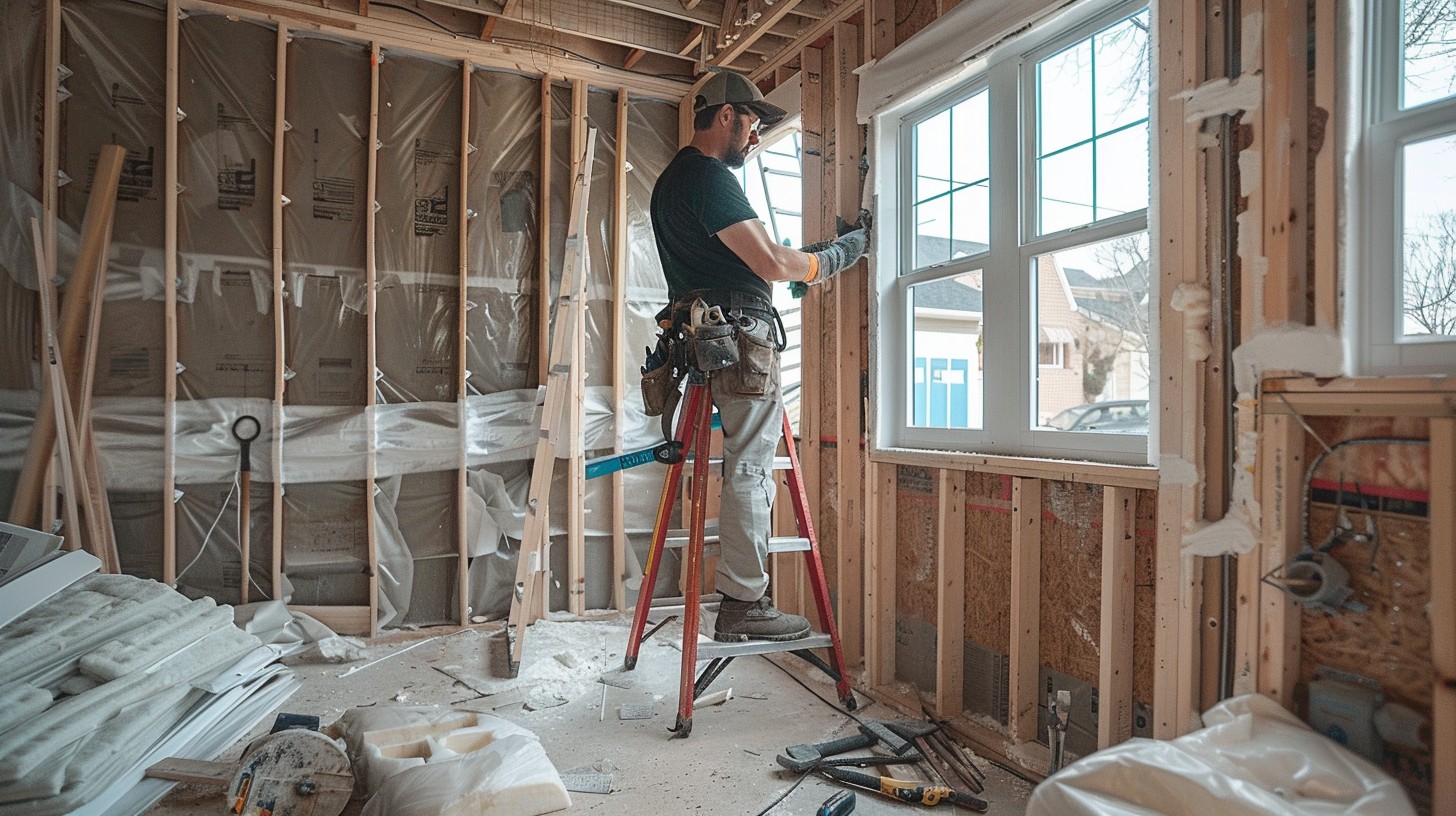
Our NJ Workers’ Comp Lawyers Are Proud To Help Raise Awareness About Ladder Safety and Training
Ladders are an essential piece of equipment at many worksites in New Jersey and throughout the nation, but they are also the source of many severe workplace injuries. Falls and similar ladder-related accidents make OSHA’s list of Top 10 Most Frequently Cited Standards list year after year.
New Jersey has experienced a handful of worker deaths involving ladders over the past five years, and most were the result of fatal construction accidents. Safety advocates are hoping that better awareness of ladder safety and specifications may help prevent future tragedies.
That’s why March is Ladder Safety Awareness month – a time to bring fresh attention to a longstanding problem.
Worker injuries and ladders
Construction sites and work zones are common locations for ladder accidents, which can cause serious injuries. That’s why employers are obligated to provide workers with a safe job site. Still, accidents can and still do happen.
In New Jersey, ladder-related worker deaths were recorded in South Plainfield, Florham Park, Jersey City, Tuckahoe, and Bayonne. Workers were from industries such as ship construction, exterior home maintenance, and home systems installation.
Each fatal accident involved different circumstances for the victim, such as:
- Getting electrocuted when the ladder made contact with a power line
- Slipping off the ladder rungs
- Falling from a ladder, resulting in a fatal traumatic brain injury
- Falling from a ship ladder.
Ladder safety
To help prevent and reduce the risk of ladder accidents, the Occupational Safety and Health Administration (OSHA) is sharing requirements designed to ensure worker safety. To improve safety, here’s what you should know about your ladder:
- Know the load. Leaning ladders must be able to support 4-times the intended max load while fold-out or stand-alone ladders must be able to support 3.3 times the max load.
- Right angles. Getting the right angle maximizes stability. Leaning ladders should be positioned at an angle that the horizontal distance from the top support to the foot of the ladder is about a fourth of the working length of the ladder.
- Rungs. Whatever you call them—cleats, steps, sticks—rungs must be parallel, level, and evenly spaced 10 to 14 inches apart. They should also be slip-resistant.
- Slipping. Ladders need to be kept clean to avoid slip hazards like wet paint, oil, and grease.
- Lock it up. Foldout ladders and stepladders must come with a metal spreader or locking device that holds the equipment in place.
- No stacking. When more than one ladder is required to reach a point, do not stack one ladder on top of the other. When multiple ladders are used there should be a landing or platform between ladders.
- Stay clear. To avoid falls, keep the area at the bottom and top of ladders clear of any items or debris that obstruct work or upset the equipment’s balance.
Workers’ comp benefits for ladder injuries
If you’re in New Jersey and you sustained a workplace injury in a ladder accident, you have the right to seek workers’ compensation benefits, which are intended to help cover your medical expenses and a percentage of your lost wages. In some cases, you may be able to seek compensation by filing a third-party claim against a negligent third party on the job site, such as a subcontractor, inspector, engineer, or delivery driver.
The important thing to remember is you need to have a clear understanding of your legal rights and options, and the best way to do that is by talking to an experienced workers’ compensation lawyer.
For nearly 100 years, Shebell & Shebell, LLC has helped injured workers in Shrewsbury, Newark, and throughout New Jersey get the compensation they need and deserve. Find out how our law firm can help you and contact us today for a free consultation. There are no obligations, just honest answers to your questions.