Over $200 Million Dollars in Verdicts & Settlements

If we don’t win, you don’t pay

The Vital Importance of Wearing a Bicycle Helmet

Riding a bicycle offers numerous benefits, from improving physical fitness to reducing carbon footprints. However, safety should always be a top priority, and wearing a helmet is crucial for protecting yourself in the event of an accident.

The Latest Research on Helmet Effectiveness

A recent study by the Insurance Institute for Highway Safety (IIHS) and Virginia Tech tested 30 popular adult bike helmets, revealing significant differences in protection. Four helmets earned the top rating of 5 stars, demonstrating superior protection, while others ranged from 2 to 4 stars. The study emphasizes that cost isn’t always indicative of performance, as both high-end and mid-priced helmets received top marks. This new rating system aims to help consumers make informed decisions and encourage manufacturers to improve helmet safety.

Key Takeaways

Cost vs. Protection: The study highlights that a higher price doesn’t always equate to better protection. Both high-end and mid-priced helmets received top ratings, proving that effective helmets are available across different price ranges.

Making Informed Decisions: With the new rating system, consumers can now make better-informed decisions when purchasing helmets. This not only promotes personal safety but also encourages manufacturers to enhance helmet safety standards.

Comprehensive Safety: Wearing a helmet that has been tested and rated for high performance can significantly reduce the risk of severe head injuries. It’s an essential step for all cyclists, regardless of their experience level.

Why Helmets Matter

Injuries sustained from bicycle accidents can be life-altering. A helmet acts as a critical line of defense, absorbing impact and reducing the severity of head injuries. It’s not just about following the law or setting a good example for others—it’s about protecting your future and well-being.

For more detailed information on the recent helmet tests and to see which helmets performed best, you can read the full article here.

Conclusion

Don’t compromise on safety. Always wear a helmet when you ride and choose one that offers the best protection. Your head—and your future—depend on it.

If you or a loved one has been injured in a bike crash, visit Shebell & Shebell for expert legal assistance. Your safety and well-being are our top priority.
Understanding Your Right to Sue Commercial Landowners for Sidewalk Hazards in New Jersey: Insights from the Padilla Decision

In New Jersey, a recent decision has more clearly defined the landscape of premises liability regarding commercial property owners. If you’ve ever tripped on a poorly maintained sidewalk and suffered injuries, understanding your rights is crucial. A recent New Jersey Supreme Court case, Padilla v. Young Il An, serves as a pivotal moment for pedestrians. Here’s what you need to know.

The Padilla Case: A Turning Point

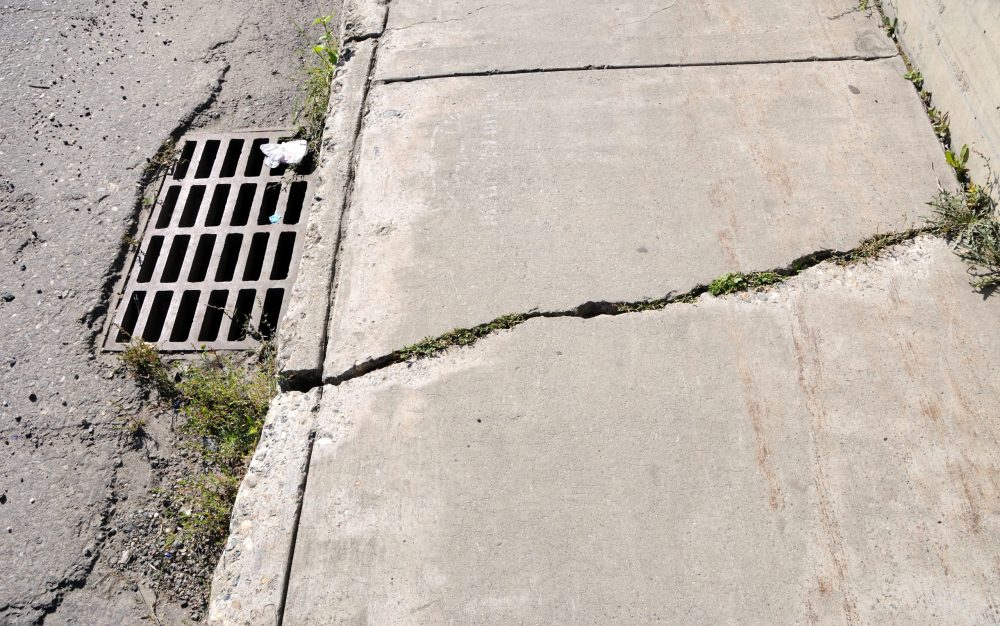
In September 2019, Alejandra Padilla suffered serious injuries after tripping on a dilapidated sidewalk in Camden, New Jersey. The sidewalk abutted a vacant commercial lot owned by Young Il An and Myo Soon An. Despite owning the property since 1992, the Ans never developed it, nor did they maintain the sidewalk or purchase liability insurance. Padilla’s fall brought to light a critical issue: Do owners of vacant commercial lots have a duty to maintain the sidewalks adjoining their property?

The trial court initially ruled in favor of the Ans, citing binding precedent that exempted owners of vacant lots from such responsibilities. The Appellate Division upheld this decision. However, the New Jersey Supreme Court saw it differently. In a decisive move, the Court reversed the lower courts’ rulings, establishing that all commercial landowners, including those with vacant properties, must keep abutting sidewalks in reasonably good condition.

What This Means for Injured Pedestrians:

The Supreme Court’s decision in the Padilla case underscores a fundamental principle: fairness and public safety. Commercial property owners, regardless of whether their lot is developed or generating income, now have a clear duty to ensure that sidewalks are safe for pedestrians. Here’s how this impacts you:

  • Broader Scope of Liability If you’re injured due to a poorly maintained sidewalk next to any commercial property, you can hold the property owner accountable. This duty extends to vacant lots, which were previously excluded from such liability.
  • No Need for Income Generation Proof The court rejected the notion that liability should depend on a property’s ability to generate income. This simplifies your case, focusing on the condition of the sidewalk rather than the financial status of the property.
  • Encouraging Better Maintenance and Pedestrian Safety With this ruling, commercial property owners are incentivized to maintain their sidewalks, reducing hazards and promoting safer public spaces.

The Legal Implications

The Padilla decision aligns with the long-standing precedent established in Stewart v. 104 Wallace Street, Inc., 87 N.J. 146 (1981). In Stewart, the Supreme Court held commercial property owners responsible for sidewalk maintenance, stating that “commercial landowners are responsible for maintaining in reasonably good condition the sidewalks abutting their property and are liable to pedestrians injured as a result of their negligent failure to do so”. However, the Padilla decision goes further by unequivocally including vacant lots under this duty.

Justice Pierre-Louis, writing for the majority in Padilla, emphasized that commercial landowners must maintain public sidewalks in reasonably good condition, ensuring safe passage for pedestrians. This ruling eliminates the ambiguity and potential inconsistency that previously complicated such cases.

A Call to Action

The Padilla case highlights a critical shift towards greater accountability for commercial property owners. As pedestrians, it’s important to stay informed about your rights and the responsibilities of those who own and manage commercial properties in your community.

If you’ve been injured because of a neglected sidewalk, don’t hesitate to act. Hold property owners accountable, seek justice for your injuries, and contribute to making our public spaces safer for everyone.

If you find yourself in a situation like Alejandra Padilla’s, here’s what you should do:

  1. Document the Scene: Take photos of the sidewalk and your injuries. Note the exact location, take measurements, and document any visible defects.
  2. Notify the Property Owner: To document the location of your fall and prevent others from suffering the same fate, immediately notify the property owner or management company. If no one is available at the location, you may want to contact the police department.
  3. Seek Medical Attention: Your health is paramount. Get immediate medical care, if necessary, and keep records of all treatments.
  4. Consult an Injury Lawyer: An attorney experienced in premises liability cases can guide you through the legal process, helping you understand your rights, and recommend the best course of action.

Final Thoughts

The Padilla decision is a victory for fairness and public safety. The case ensures that all commercial property owners, regardless of the status of their lot, have a duty to maintain sidewalks, protecting pedestrians from unnecessary harm. By understanding your rights and taking appropriate action, you can help uphold this standard and seek the compensation you deserve.

Stay vigilant, stay informed, and remember – the law is here to protect you.

The Silent Killer: Distracted Driving on New Jersey Roads

When we talk about distracted driving, we’re not just tossing around a buzzword; we’re spotlighting a lethal threat that’s all too common on our streets today. Here in New Jersey, taking your eyes off the road for just a heartbeat can wreak havoc—not just for the person behind the wheel but for everyone sharing the road: pedestrians, cyclists, and other drivers. Let’s dive deep into why distracted driving demands our full attention and serious action.

The Stark Reality of Distracted Driving

Our vehicles have transformed into mobile command centers where life and technology collide—phones buzzing, GPS navigating, and playlists streaming. But amidst this connectivity, there’s a perilous disconnect when these distractions lead us away from the fundamental task of driving.

Phones and Texting

Here’s a hard fact—glancing at your phone for just five seconds while cruising at 55 mph means you’ve traveled nearly the length of a football field, including both end zones, essentially blindfolded. That’s over 400 feet where anything can happen, and you wouldn’t see it coming.

In-Car Tech Gadgets

Our cars are smarter, but even the slickest touch screens and voice controls can pull our focus from where it matters most—the road ahead.

Chatty Passengers

Engaging in deep conversations or turning to address passengers can split your concentration, which might lead to disastrous outcomes.

The Human Toll

Numbers on a page don’t capture the sheer devastation of distracted driving. They don’t reflect the pain of families torn apart or the dreams dashed in an instant. Every pedestrian accident, every cyclist injured, every car wrecked tells a story of a moment’s distraction that changed lives forever.

Pedestrians and Cyclists

These folks are incredibly vulnerable because, for them, the road’s shoulder or a thin strip of bike lane is their only protection. When drivers aren’t 100% present, these narrow margins for safety can lead to catastrophic injuries or worse.

Other Drivers

It’s not just about individual safety; every distracted moment you spend behind the wheel is a risk you pose to everyone on the road. A simple glance away can cascade into multi-vehicle collisions with dire consequences.

Legal Repercussions in New Jersey

New Jersey takes a strict stance on distracted driving, especially regarding the use of handheld devices while driving:

Fines and Points

Getting caught texting or calling with a handheld device can slap you with fines from $200 to $400 for just the first offense. If you don’t learn your lesson and it happens again, those fines—and the stakes—only get higher. And by the third offense? You’re looking at up to $800 in fines, a possible 90-day license suspension, and the addition of three points on your driving record.

Liability Consequences

Beyond the immediate legal consequences like fines and points, distracted driving can lead to severe liability issues. If your actions cause an accident, you could be faced with lawsuits for significant damages, especially if someone is injured or killed. The human costs—lost lives, grieving families, and injured survivors—underscore the devastating impact of distracted driving. These are not just abstract risks; they represent profound personal tragedies that could haunt you for a lifetime.

Making a Change

So, what’s to be done? How do we curb this epidemic of distracted driving that’s claiming lives and livelihoods?

  • Lead by Example. Make it a point to put your phone away and keep your focus fixed firmly on the road. Every trip, every time.
  • Educate and Advocate. Talk about the dangers, share the grim statistics, and support initiatives that aim to make our roads safer.
  • Policy and Enforcement. Support local and state efforts to strengthen laws and their enforcement against distracted driving. It’s about making our roads safe for all.

Wrapping Up

Driving distracted isn’t just risky—it’s potentially deadly. Let’s not mince words here: when you’re driving, every second counts, every glance matters. Let’s commit to keeping our eyes on the road and our hands on the wheel. Our lives, and the lives of our neighbors and loved ones, depend on it. Stay safe, stay focused, and let’s make New Jersey’s roads a model of safety and responsibility.

If you or a loved one has suffered from distracted driving in New Jersey, the experienced attorneys at Shebell & Shebell, LLC can help. Contact us today to discuss your case and explore your legal options. Together, let’s work towards safer roads and a brighter future for all.

What to Do If You’re Injured on the Job in New Jersey

Navigating a workplace injury in New Jersey isn’t just about recovery—it’s about ensuring your rights are recognized and respected every step of the way. Here’s your essential guide to managing the process, from the initial incident to your return to work.

Report Your Injury Immediately

Immediate action is crucial when you’re injured on the job. New Jersey law requires you to report your injury to your employer as soon as possible. Make sure to document this report in writing—via email or a written statement—to ensure there’s a clear record of the incident and your prompt response.

Seek Medical Attention

Your health should be your top priority. Get medical help right away to address your injuries and begin the documentation needed for your workers’ compensation claim. Although New Jersey law allows employers to select the medical provider, you have the right to seek a second opinion if you’re unsatisfied with the diagnosis or treatment you’re receiving. It’s important to note that issues related to treatment can often become complex, requiring the skilled and diligent attention of an attorney to navigate potential disputes and ensure your rights to appropriate care are fully protected.

Understand Your Compensation Rights

Workers’ compensation in New Jersey is designed to provide you with necessary medical care, compensation for lost wages, and a percentage of disability if you sustain a permanent injury. Here’s a breakdown:

Medical Benefits: Cover the costs of reasonable and necessary medical treatments for your injuries.

Temporary Disability Benefits: Depending on your rate of pay or salary, pay about 70% of your average weekly wages if you’re medically unable to work.

Permanent Partial Benefits: Apply when you suffer lasting impairment, calculated based on the severity of disability expressed as a percentage. Compensation is determined through an “Order Approving Settlement,” which a judge may approve at the conclusion of your treatment and reports by medical examiners. Under some circumstances, the judge of compensation will determine legal and factual issues at a trial if the parties can’t agree.

File Your Workers’ Comp Claim

Your employer should file a claim with its insurance carrier after you report your injury. Monitor this process to ensure your claim is filed correctly and promptly, as any delays or errors can impact your benefits.

Legal Help When You Need It

Don’t go it alone. Workers’ Compensation claims, especially those involving contested medical opinions or treatment disputes, require skilled legal intervention. At Shebell & Shebell, LLC, we have decades of experience navigating these waters, helping thousands of workers like you.

Closing Thoughts

Dealing with a workplace injury involves more than physical recovery; it requires a proactive approach to protect your long-term legal and financial interests. From the moment you’re injured, every action and decision can significantly impact the outcome of your claim.

If you’re facing challenges with your work-related injury or if you need expert guidance on how to proceed after an injury, don’t hesitate to contact us. Call us today at 732-663-1123 for a free consultation. We’re here to advocate for your rights and ensure you get the support you need.

Understanding New Jersey’s Safe Passing Law: A Guide for Motorists and Cyclists

In the crowded streets of New Jersey, where every inch of road is a battleground for space between pedestrians, cyclists, and motorists, we’ve finally seen a beacon of hope. The Safe Passing Law, NJSA 39:4-92.4, effective since March 1, 2022, isn’t just another piece of legislation—it’s a lifesaver, a promise for a safer tomorrow for every kid on a bike and every pedestrian stepping onto the street.

The Essence of the Law: Respect and Protection

This isn’t just about rules; it’s about respect. New Jersey’s Safe Passing Law demands more than just careful driving—it requires a commitment, a promise from every motorist to safeguard those who are most at risk. Here’s what you need to know:

Make the Switch

If you see a cyclist or a pedestrian and the road allows, switch lanes. It’s more than courtesy; it’s giving them their rightful space.

Four Feet for Safety

Never buzz by closer than four feet. That distance might be the difference between a safe ride home and a trip to the ER.

Slow Down, It Saves Lives

If you can’t switch lanes, ease off that accelerator. Drop down to 25 mph, or even lower if the signs say so. Pass only when you can guarantee everyone’s safety.

The Law in Plain Speak: NJSA 39:4-92.4

Let’s lay it down straight—NJSA 39:4-92.4 isn’t just legalese. It protects the unprotected. If someone gets hurt because you violated this law, you’re not just looking at a slap on the wrist. It’s serious: a $500 fine and two points on your license. This law means business.

Why This Matters: Health, Happiness, and Safety

Think about it—cycling isn’t just good for the environment; it’s great for the heart, and not just the biological one, but our communal heart, our neighborhoods. This law encourages families to dust off those bikes in the garage, secure in the knowledge that the law is looking out for them. It’s about building a community where safety on the road isn’t a luxury—it’s a given.

The Cost of Carelessness

Don’t forget—the stakes are high. A moment of impatience can cost you a $100 slap on the wrist for a non-injurious violation, or, if your carelessness leads to someone getting hurt, a $500 fine and two points off your license. These penalties are here to remind us: we share the road, we share the responsibility.

Your Questions, Answered

Q: What does sharing the road really mean?

A: It means treating every road user with dignity and care, as if they were your own family.

Q: How do I know I’m doing it right?

A: If everyone goes home safe, you’re doing it right.

In Closing: Our Shared Road Ahead

New Jersey’s Safe Passing Law isn’t just another rule. It’s a statement—a statement that says we value life and respect each other’s right to come home safe. It’s a call to all of us to slow down, look around, and make sure we’re part of the solution, not the problem.

Let’s not just drive—let’s drive with heart, with an eye on the future. Let’s make sure that everyone, from the little guy on his first two-wheeler to the grandma crossing the street, feels safe on our roads. Because in the end, how we share the road says everything about who we are as human beings.

Caring on the Road: Driving with Heart on New Jersey’s Roadways

In New Jersey, our roads are more than just pavement under tires; they’re lifelines connecting us all. Each day, these roads bear witness to a thousand stories—stories of folks just trying to get from one place to another. But with the rush comes risk, and that’s where we come in. Because in this frantic dance of daily commutes and errands, caring for one another is not just important—it’s essential.

Avoiding Distractions: Drive Like Lives Depend on It—Because They Do

Life is fast, and the pace is only getting quicker. We’re all guilty of juggling too much: sipping that morning coffee, flipping through playlists, sneaking peeks at our phones. But here’s the truth—when you’re driving, you’re carrying more than just your own life in your hands.

Hands on the Wheel, Eyes on the Road

Keep distractions at bay. If your phone buzzes, let it. Nothing on that screen is worth a life.

Tech as Your Co-Pilot

Set up your navigation before you hit the gas. Use Waze, Google Maps, or Apple Maps, but keep it hands-free. Let the voice guide you so your eyes can do what they need to—watch the road.

Urgent Calls Can Wait

Got a call that can’t wait? Pull over. Find a parking lot or a rest area, then chat. The road demands your full attention. Give it.

Road Manners: It’s About Respect

Driving is as much about courtesy as it is about following rules. It’s about sharing space respectfully and keeping each other safe.

Signal Your Moves

Your turn signals aren’t just levers; they’re signals of intent. Use them. They tell the story of where you’re headed, letting everyone prepare and react.

Maintenance is Non-Negotiable

Treat your ride like the lifesaver it is. Check your brakes, tires, lights—make them ready to handle anything the road throws your way.

Handling the Pressure: Keep Cool, Drive Smart

The road can be a pressure cooker, but losing your cool can cost more than just your peace of mind.

Breathe Through the Traffic

Feel the stress rising? Take a breath. Remember, getting there late is better than not at all.

Defensive Driving

Assume the other guy might make a mistake and have a plan for what you’ll do when it happens. Space is your friend on the highway—always keep your distance.

The Ripple Effect of Care

Every time you get behind the wheel, you’re not just a driver; you’re a guardian of the asphalt commons. Your choices ripple out, touching lives you’ll never know. So, make each choice a thoughtful one.

In Closing: Drive with Heart

Let’s transform our New Jersey roads from mere strips of asphalt into safe passages for all. Every turn of the wheel, every journey—it’s a chance to do right by each other. By driving attentively, planning ahead, and by using technology smartly, we make our roads kinder, safer places.
So next time you buckle up, remember — drive like every road is in your own neighborhood. Because on these roads, every quick stop for coffee, every commute to work, every rush home to loved ones—it’s all shared. Let’s respect that shared space, let’s drive with heart. Because when we care for each other, we make more than just a safer road—we make a better world.

Stay Seen, Stay Safe: A Cyclist’s Guide to Avoiding Traffic Accidents

The roads of New Jersey aren’t just paths of asphalt; they’re lifelines, weaving through our communities, connecting us to work, home, and adventure. But for those of us who experience these roads on two wheels, they’re often filled with more risks than rewards. That’s why, since March 1, 2022, New Jersey has put its heart into protecting its most vulnerable road users with the Safe Passing Law (NJSA 39:4-92.4). This isn’t about control; it’s about caring. It’s about ensuring that every cyclist who sets out can return home safely to their families.

Suit Up to Show Up – Visibility is Vital

Imagine you’re a beacon on the road, a guiding light in the twilight. Dressing in neon or fluorescent colors isn’t just about style—it’s about survival. Here’s how you can light up your life:

Wear Your Brights

Choose gear that screams to be seen, whether it’s your jersey, jacket, or pants. Bright yellow, fluorescent green, bright pink — rocking these colors may not win you fashion points, but may save your life.

Reflect Your Intent

Add reflective tape to your bike, helmet, and clothing. Shine like you mean it—because your life depends on it.

Flash Your Path

Equip your ride with flashing front and rear lights. Make sure they know you’re there and where you’re headed.

Riding Right – The Road is a Stage, Not a Battlefield

This road we share is a stage for stories, not a battlefield for supremacy. Here’s how to write a story that ends with you rolling into your driveway, safe and sound:

Always Obey the Beat of the Traffic

You’re part of the rhythm of the road. Stick to bike lanes, signal your intentions, and respect the reds and stops.

Lock Eyes, Not Wheels

Make eye contact with drivers. Let them see your humanity, not just your helmet.

Steer Clear of the Shadows

Stay out of blind spots. If you can’t see a driver’s eyes, they probably can’t see you.

Predict Your Plot

Signal clearly and early. Make your next move obvious—surprises are for birthdays, not for bicyclists traveling with cars and trucks.

Claim Your Chapter

Sometimes, the safest place to ride is right in the center of the lane. Own it if you need it.

Love Your Ride: A Well-Tuned Bike is a Safe Bike

Treat your bike like it’s part of your family. Keep it in tune, and it will look out for you.

  • Brakes: They’re your best friends. Keep them tight and responsive.
  • Tires: Keep them full and firm. They’re the only thing between you and the road.
  • Lights and Reflectors: Keep them clean and bright. They’re your voice in the darkness.

Protect Your Brain

No matter what you do, always wear a good helmet that fits just right. Make sure you buy the highest quality helmet you can possibly buy. Do your homework by researching the Virginia Tech Star rating system.

You only get one brain.

In Closing: A Shared Journey

Riding a bike isn’t just about moving from point A to B; it’s about feeling the wind, owning your journey, and being present in every moment. But it’s also about coming home. Every pedal you push is a promise to someone waiting for you, expecting you back as you left, whole and happy.

Let’s respect each other on the road. Let’s make every journey safe, and let every story have a happy ending. Because on these roads we share, every turn you take is a choice—and I hope you choose safety, choose respect, choose life.

New Jersey’s Safe Passing Law Promotes Safety for All Road Users

Unlike motorists in enclosed vehicles, pedestrians, bicyclists, and other vulnerable road users lack the protective barrier of a vehicle structure to absorb the impact in case of a collision. They face direct exposure to vehicles, road surfaces, and various hazards, increasing their vulnerability to severe injuries or even fatalities in accidents. To address this critical safety concern, New Jersey has implemented the Safe Passing Law, which specifically aims to protect “vulnerable road users,” including bicyclists, pedestrians, scooter riders, and individuals using wheelchairs.

According to the NHTSA, there were more than 7,000 pedestrian deaths across the United States in 2021. Additionally, there’s a yearly average of 800 bicyclist deaths across the nation. The Safe Passing Law responds to the risks these individuals face from unsafe passing by motorists. It aims to reduce near misses, injuries, and fatalities.

Why is the NJ Safe Passing Law so important?

The law, also called “Oscar’s Law,” honors Oscar, an individual reliant on his electric bicycle for transportation, who tragically died in a collision with a tractor-trailer. New Jersey experienced its highest number of bicyclist and pedestrian fatalities in 30 years in 2021. This number of fatalities highlights the urgency of enhanced road safety measures.

Under the Safe Passing Law, drivers must adhere to existing no-passing and no-speeding regulations and shift to another lane when necessary. Therefore, passing is not mandatory when the center lines are solid. If a four-foot distance isn’t possible, drivers must slow to 25mph and be ready to stop, ensuring safe passage without endangering road sharers. On single-lane roads, drivers are required to leave a four-foot safety zone while passing.

What are the rights of vulnerable road users?

Bicyclists are permitted to occupy the entire lane and may legally ride two abreast, keeping as far right as possible. Pedestrians, in the absence of sidewalks, may walk on the road, facing traffic.

Some question the rights of bicyclists to use roads, citing their non-contribution to road funding. However, road infrastructure is primarily financed through sales and income taxes, to which everyone contributes. That’s regardless of car ownership or usage.

Many bicyclists own cars. However, they often choose biking for shorter trips, seeking a more sustainable travel method, or for the health benefits of increased physical activity. Fewer cars on the road mean reduced traffic and cleaner air. For some, biking or walking is a necessity due to financial constraints, physical ability, or age.

How motorists should respect the rights of pedestrians, bicyclists, and other road users

Respecting the rights of pedestrians, bicyclists, and other road users is a fundamental aspect of road safety. Motorists can contribute to this by adopting various practices that prioritize the well-being and security of vulnerable road users:

  • Understand and Follow Traffic Laws: Motorists should familiarize themselves with and adhere to traffic laws and regulations. This includes being aware of right-of-way rules, adhering to speed limits in areas frequently used by pedestrians and cyclists, and respecting specific regulations concerning bike lanes and crosswalks.
  • Maintain a Safe Passing Distance: When overtaking bicyclists, it’s crucial for drivers to leave a safe and reasonable distance between their vehicle and the cyclist. This buffer zone provides the necessary space for cyclists to maneuver safely if needed.
  • Yield to Pedestrians: Drivers should always prioritize the safety of pedestrians. Even if a pedestrian is crossing at a location that may not be an official crosswalk, motorists should reduce their speed or come to a complete stop to allow pedestrians to cross safely.
  • Stay Alert and Avoid Distractions: Being attentive while driving is essential. Drivers should refrain from using mobile phones, texting, eating, or engaging in any activity that diverts their attention away from the road. A focused driver is better equipped to respond to unexpected situations involving pedestrians and cyclists.
  • Check for Blind Spots: Before executing turns or lane changes, drivers must diligently check their blind spots for the presence of bicyclists and pedestrians. This precautionary measure ensures that no vulnerable road user is inadvertently overlooked.
  • Signal Intentions: Signaling turns and lane changes well in advance is essential. Proper use of turn signals communicates drivers’ intentions to pedestrians and bicyclists, allowing them to anticipate the vehicle’s movements and act accordingly.
  • Exercise Patience: Motorists should recognize that pedestrians and cyclists may have varying speeds and abilities. Demonstrating patience and allowing them adequate time and space ensures a safer road environment for everyone.
  • Respect Bike Lanes: Bike lanes are designated spaces for the safe passage of bicyclists. Drivers should refrain from entering or parking in these lanes, as it poses a hazard to cyclists. Respecting bike lanes enhances overall road safety.
  • Avoid Dooring: Motorists should be cautious when parked alongside a road with a designated bike lane or when exiting a parked vehicle. Before opening car doors, drivers should check for approaching bicyclists to prevent “dooring” incidents. This practice ensures that cyclists have a clear and safe passage, reducing the risk of accidents caused by suddenly opened car doors.

Know your rights if you were hit by a car in New Jersey

While the Safe Passing Law helps protect vulnerable road users, accidents will still occur. If you or a loved one sustained an injury after getting hit by a car in New Jersey, know your rights. Speak to an experienced accident attorney at Shebell & Shebell, LLC. We’ll investigate your pedestrian or bicycle accident and gather evidence to help you build a strong claim.

We know how to take on insurance companies and fight to maximize compensation for our clients. If you have any questions regarding your claim, we would be glad to answer them. Contact us online or call our Shrewsbury law office for a free consultation.

New Jersey Ranked Worst State for Driving

The experience of driving varies from state to state. Some provide safer, more straightforward, and less stressful streets than others. Then there’s New Jersey. According to a new survey of the best and worst states to drive in, New Jersey is the worst state in the U.S. for drivers. The Garden State has the most road congestion nationwide and the second-worst road quality.

Congestion and poor infrastructure push NJ to the top of the list

To reach this conclusion, MoneyGeek analyzed data from the Federal Highway Administration, National Highway Traffic Safety Administration car accident data, U.S. Census Bureau, FBI, and more. After New Jersey, the next worst states for drivers are California, West Virginia, Mississippi, and Maryland, the survey says.

If you live in New Jersey, work here, or visit often, you may already know the daily challenges drivers face. You may even be among the thousands of car accident victims suffering injuries in the Garden State this year. Although nothing can guarantee roadway safety, at Shebell & Shebell, LLC, we know that awareness can reduce crash risks. Here’s what everyone needs to know about driving in New Jersey.

Worst in the nation?

MoneyGeek ranked states on five driving components – Cost, Congestion, Safety, Infrastructure, and Weather. Although New Jersey was ranked the worst state overall for driving, it performed well in a few of the measures. Here are the survey rank results for Jersey.

  • 12th worst in the U.S. for driving costs
  • Worst in the U.S. for roadway congestion
  • 2nd worst infrastructure, including roadways, highways, and bridges

The state ranked very well in safety and weather. New Jersey is in the:

  • Top 5 safest states for driving
  • Top 10 states with the lowest weather-related fatal accident rate

News coverage of the survey revealed that New Jersey drivers can point to the factors that make driving in the state difficult. On a list of Garden State driver pet peeves are below-the-speed-limit drivers, speeders, road rage, and people who don’t use their blinkers or clear the snow off their vehicles before hitting the road.

New Jersey’s most dangerous roads

Although New Jersey ranked well for “safety,” many roadways in the state are known for being difficult or dangerous. An analysis of recent crash data reveals Bergen and Middlesex counties report the most car accidents, while crash hotspots exist throughout the state. Here are some of the most common crash locations in New Jersey:

  • Route 9 in Freehold and Manalapan
  • Route 36 in Eatontown
  • I-676 in Camden
  • Mt Ephraim Ave in Camden
  • Black Horse Pike Us-322 in Pleasantville
  • I-78 in Newark and Hillside

What to do if you are injured in a New Jersey car accident

As one of the worst, if not the worst, states for drivers, it is important to know what to do if you become the victim of a New Jersey car accident. At Shebell & Shebell, LLC our experienced car accident lawyers can guide you through the process toward maximum injury compensation. Here are some basic steps to take after a crash:

  • Step 1. Ensure safety. Get to a safe location at the crash site and call 911. Wait for law enforcement to arrive.
  • Step 2. Take photos and video of the crash site and injuries. This may be strong evidence for your claim.
  • Step 3. See a doctor right away. Some car accident injuries cause delayed pain. It is possible to be dangerously injured after a crash and not know it. The sooner you see a doctor, the sooner you protect your health and document crash injuries for your claim.
  • Step 4. Contact Shebell & Shebell, LLC. Our experienced attorneys can help you navigate the complex car accident claim process to ensure you receive the compensation you deserve.

Rely on 100 years of legal experience

If you were injured or a loved one died in a New Jersey car accident, contact Shebell & Shebell, LLC for a free case evaluation to discuss your potential legal options. A member of our team is available to hear from you right now. Contact us today.

What Age Group Has the Highest Pedestrian Fatality Rate?

In New Jersey, people 65 and older are at a higher risk of being hit by a car.

Fatal pedestrian accidents have increased dramatically over the last 10 years nationwide. But a closer look at New Jersey’s fatal pedestrian accidents reveals a disturbing problem – older residents are over-represented among victims. In 2021, for example, people 65 and older accounted for more than 30% of fatal pedestrian accident victims in New Jersey. Meanwhile, this demographic only makes up about 17% of the state’s general population.

Safety advocates say that to address this issue and reduce the number of pedestrian accidents involving older adults, it is essential to focus on improving infrastructure, promoting traffic safety education, and implementing policies that enhance pedestrian safety.

Pedestrians of every age face hazards

While seniors are at greater risk, everyone on foot has to contend with New Jersey traffic hazards. Overall, about 200 pedestrians died in New Jersey crashes last year. So far, in 2023, 81 fatal pedestrian accidents have occurred in the state. Middlesex County, as well as Bergen, Essex, and Ocean counties, are reporting the highest numbers of fatal pedestrian accidents. Recent deadly pedestrian accidents have occurred statewide, including devastating incidents in:

  • Caldwell on Rte 506.
  • East Orange on Rte 508.
  • Freehold on SH 9.
  • Hazlet on SH 35.
  • Middletown on Garden State Pkwy.
  • Newark on Rte 603, Monroe St, North 9th St, Washington St, and Mulberry St.
  • Ocean on SH 66.
  • Upper Freehold on Rte 539.

Pedestrian deaths are a nationwide problem

The issue of pedestrian safety isn’t isolated to New Jersey. In a recent report by the Governors Highway Safety Association (GHSA), it was revealed that pedestrian fatalities reached a 41-year high in 2022, with over 7,508 pedestrian deaths recorded nationwide.

That’s the highest pedestrian death toll since 1981.

Nationwide, pedestrian fatalities have also seen a dramatic increase of 77% since 2010, a figure significantly higher than the 25% rise in all other traffic-related deaths. Factors such as dangerous driving, poor infrastructure, and heavier vehicles have contributed to this ongoing pedestrian safety crisis.

The GHSA report also identified several key trends in pedestrian fatalities from 2010 to 2021. Notably, most pedestrian deaths occurred at night and in areas without sidewalks, with a significant increase in fatalities involving SUVs due to their larger size and weight.

Additionally, the risk of death for pedestrians increased exponentially with vehicle speed. The report suggested measures such as focusing traffic enforcement on dangerous driving behaviors, educating drivers about pedestrian safety, and adopting a Safe System approach to road safety.

This approach, first implemented in Sweden in the 1990s, aims to eliminate road deaths by designing better infrastructure, enforcing lower speeds, and creating a safety net to lessen the impact of crashes. Despite these alarming figures, the GHSA emphasizes that pedestrian accidents are preventable and that concerted action is needed to reverse this trend.

Claims involving pedestrian accidents are complicated

If you were hit by a car or a loved one died in a fatal pedestrian accident, take immediate action and talk to a lawyer as soon as possible. Navigating pedestrian accident claims can be complex, and drivers frequently attempt to blame the victim on foot.

Likewise, insurance companies are in business to make a profit, meaning they often try to limit or deny compensation in order to minimize their costs. They may do this by disputing the severity of your injuries, asserting you had pre-existing conditions, arguing that you were partially or fully at fault for the accident, or claiming that you did not seek appropriate medical attention in a timely manner. That’s why it’s crucial to have experienced legal representation on your side to counter these tactics and fight for the compensation you deserve.

For nearly 100 years, Shebell & Shebell, LLC has offered highly-skilled legal representation to accident victims in New Jersey. Our experienced pedestrian accident lawyers understand the unique challenges injury claims often present and can handle every aspect of your potential case. Don’t wait to reach out. Contact us today for a free consultation to see how we can help you. We have offices in Shrewsbury and Newark, and we serve clients throughout New Jersey.