

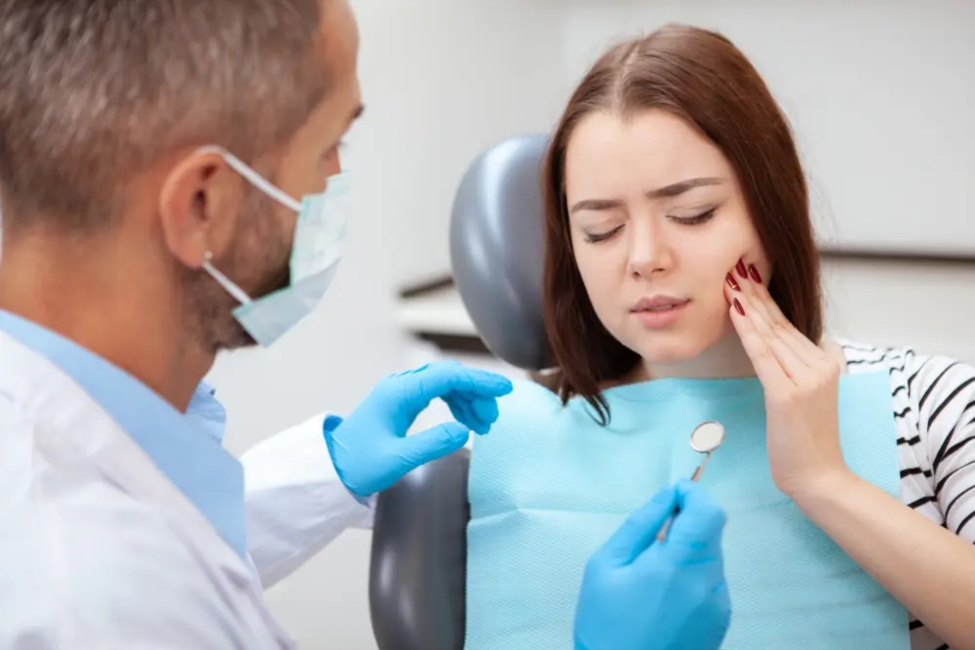
A dental malpractice lawyer New Jersey patients can trust helps when a dental visit leaves someone with nerve damage, infection, unnecessary pain, or lasting complications instead of relief. Dental care is supposed to protect your health, not create new problems that lead to corrective treatment, missed work, and months of frustration.
When a dentist, oral surgeon, orthodontist, or other dental provider falls below the accepted standard of care, an injured patient may have a legal claim. This page explains what dental malpractice means, what kinds of cases may qualify, and what steps to take next. If you believe a dental procedure caused serious harm, speak with our New Jersey medical malpractice attorneys to understand your legal options.
Quick Answer: Can You Sue for Dental Malpractice in New Jersey?
Yes, possibly, if a dental professional’s mistake or failure to act caused measurable harm. That can include the cost of corrective treatment, medical bills, lost income, and pain and suffering.
A bad result alone is not enough to make it malpractice. The real question is whether the provider violated the standard of care and caused an injury that should not have happened.
What is Dental Malpractice?
Dental malpractice is a type of professional negligence involving a dentist or other dental provider. It happens when the provider gives care that falls below the accepted standard in the dental field and a patient is harmed as a result.
In plain English, the standard of care means what a reasonably careful dental professional with similar training would have done in the same situation. These cases often require expert review because the issue is not just whether something went wrong, but whether the provider acted below accepted professional standards.
Dental Malpractice vs. a Bad Outcome
Not every painful or unsuccessful dental procedure is malpractice. Some procedures come with known risks, and complications can happen even when the provider does everything correctly.
A claim becomes stronger when the provider made a preventable error, ignored warning signs, failed to respond to complications, or performed care below accepted standards. The difference matters because the law focuses on negligence, not just disappointment or an imperfect result.
Common Examples of Dental Malpractice Cases
Dental malpractice can happen in more than one way. Some cases involve obvious surgical mistakes, while others involve missed diagnoses, poor follow-up, or preventable complications that got worse because the provider did not act when they should have.
Failure to Diagnose or Delayed Diagnosis
A dentist may be responsible when they fail to catch a condition they should have recognized. That can include oral infections, abscesses, gum disease, oral cancer, or other worsening conditions that should have been identified earlier. Delays like this can turn a manageable issue into a much more serious one.
Improper Tooth Extraction or Oral Surgery
Some dental malpractice cases involve the procedure itself. Examples include extracting the wrong tooth, damaging nearby teeth, injuring the jaw, causing excessive bleeding, or making surgical errors during oral procedures. These mistakes can lead to major pain, extra treatment, and permanent complications.
Dental Implant Errors
Dental implant cases often involve planning and placement mistakes. Poor planning, improper placement, wrong-angle insertion, implant failure, nerve damage, and infection can all raise serious concerns. In some cases, there may also be a product-related issue involving the implant itself, though many cases still come back to how the procedure was performed.
Anesthesia and Sedation Errors
Sedation and anesthesia mistakes can be especially serious. Problems may involve improper dosage, poor patient monitoring, avoidable complications, or severe injury in extreme cases. These cases often turn on whether the provider followed proper safety procedures before, during, and after treatment.
Infection Control Failures
Basic infection control matters. Using unsterilized tools, failing to recognize a post-procedure infection, giving poor follow-up instructions, or failing to treat complications in time can all support a dental malpractice claim. What starts as a routine visit can become a major medical issue when infection is not prevented or properly managed.
Nerve Damage and Lasting Sensory Problems
Some of the most life-changing dental malpractice cases involve nerve injury. Numbness, tingling, facial paralysis, loss of taste, and chronic pain may point to serious damage. When those symptoms continue well past normal recovery, they may suggest that something went wrong during the procedure or follow-up care.
Signs You May Have a Dental Malpractice Claim
Not every complication means malpractice, but some red flags should not be ignored. Signs you may have a claim include:
- Pain far beyond the expected recovery period
- Worsening swelling or infection
- Numbness in the lips, chin, tongue, or jaw
- A second provider tells you the work was done incorrectly
- You needed corrective surgery or additional treatment
- A serious condition was missed or diagnosed too late
- The dentist failed to refer you to a specialist when they should have
If one or more of these applies to your situation, it may be worth having the case reviewed.
Who Can Be Held Liable?
Liability depends on who caused the harm and how it happened. In a dental malpractice case, that may include a general dentist, oral surgeon, endodontist, periodontist, or orthodontist.
In some situations, the dental practice or clinic may also share responsibility. And in more limited cases, a manufacturer could be involved if a dental device or implant was defective. That does not apply in every case, but it can matter when an injury involves both poor treatment and a faulty product.
What Must Be Proven in a New Jersey Dental Malpractice Case?
A successful dental malpractice case is not just about showing that something went wrong. The legal claim has to prove specific elements.
Duty of Care
First, there must have been a provider-patient relationship. In other words, the dental professional owed the patient a duty of care.
Breach of the Standard of Care
Next, it must be shown that the provider acted below accepted professional standards. This is where expert review often becomes important, because the case usually depends on what a reasonably careful dental professional would have done under similar circumstances.
Causation
It is not enough to show that the provider made a mistake. That mistake must have directly caused the injury. If the harm would have happened anyway, the claim becomes much harder to prove.
Damages
Finally, the patient must have suffered measurable harm. That can include corrective treatment costs, medical bills, lost wages, pain and suffering, and other losses tied to the injury. Without damages, there is no malpractice claim to recover on.
What Compensation May Be Available?
A dental malpractice lawyer New Jersey patients trust can help pursue compensation when negligent dental care leads to serious physical, emotional, and financial harm. The value of a case depends on the injury, the treatment needed to fix it, how long the effects last, and how much the damage changed the person’s daily life.
In general, compensation in these cases falls into two main categories: economic damages and non-economic damages. In more severe cases, the damages can be much higher because the long-term impact is much greater.
Economic Damages
Economic damages are the direct financial losses tied to the injury. These are often easier to document because they involve actual bills, treatment costs, and income loss.
They may include:
- corrective dental treatment
- hospital or other medical costs
- medication
- future treatment
- lost wages
- reduced earning capacity
For example, if a patient needs another surgery to fix a failed implant, misses work during recovery, and faces future care costs, those losses may all be part of the claim.
Non-Economic Damages
Non-economic damages cover the human impact of the injury. These losses are real, even though they do not come with a simple receipt or invoice.
They may include:
- pain and suffering
- emotional distress
- disfigurement
- loss of enjoyment of life
This part of the claim matters because dental malpractice can affect far more than teeth alone. Chronic pain, embarrassment, anxiety, eating problems, speech issues, and loss of confidence can all take a serious toll.
In Severe Cases
Some cases involve especially serious harm that can increase the value and complexity of the claim. That may include:
- permanent nerve damage
- loss of jaw function
- facial disfigurement
- wrongful death
When the injury is permanent or life-changing, the case usually requires a deeper look at future medical needs, long-term losses, and the overall effect on the person’s quality of life.
How Dental Malpractice Cases Are Investigated
Dental malpractice cases are built on evidence, not just frustration or suspicion. Even when a patient strongly feels something went wrong, the legal case still has to show how the treatment fell below accepted standards and how that failure caused actual harm.
A proper investigation usually includes:
- obtaining dental and medical records
- reviewing imaging and treatment notes
- evaluating the timeline of care
- consulting qualified experts
- determining whether the standard of care was violated
- assessing the full value of damages
This process helps separate a truly negligent case from one involving a known complication or disappointing result.
Why Expert Review Matters
Expert review is a major part of most dental malpractice claims. These cases usually require more than the patient’s belief that something went wrong.
An expert can look at the records, the treatment decisions, the procedure itself, and the outcome to evaluate whether the provider acted below accepted standards. That expert analysis also helps connect the treatment error to the injury. Just as important, it helps screen out claims based only on a poor result rather than actual negligence.
How Long Do You Have to File a Dental Malpractice Claim in New Jersey?
Deadlines matter in dental malpractice cases. In New Jersey, these claims are subject to statutes of limitations, and the exact timing can depend on the facts of the case.
That is why it is smart to act quickly instead of waiting to see if things get better on their own. Records can get harder to gather, memories fade, and treatment timelines become more difficult to piece together over time. Early review can help protect your options and preserve the evidence needed to evaluate the claim properly.
What To Do If You Think a Dentist Harmed You
If you believe a dentist or other dental provider caused serious harm, do not ignore it. Taking the right steps early can protect both your health and your legal position.
Start here:
- get prompt medical or dental follow-up care
- request copies of your records and imaging
- document symptoms, appointments, and missed work
- avoid signing anything from insurers or providers without review
- speak with a New Jersey dental malpractice lawyer as soon as possible
The goal is to get proper treatment first, then make sure the facts are preserved while the case is still fresh.
Why Choose Our New Jersey Dental Malpractice Lawyers
Dental malpractice cases are not simple cases. They often involve technical records, expert opinions, detailed timelines, and real questions about what should have happened versus what actually happened. You need a legal team that understands both the medical side and the litigation side.
Our New Jersey dental malpractice lawyers handle complex injury and malpractice claims with a client-first approach. We investigate provider negligence carefully, examine product-related issues when they are relevant, and build cases with the level of detail these claims require. We also understand how stressful this process can be for patients and families, which is why clear guidance and practical support matter. If your firm uses contingency fees or free consultations, that should be stated here clearly so potential clients know what to expect.
Areas We Serve in New Jersey
We help clients throughout New Jersey, including:
- Monmouth County
- Ocean County
- Middlesex County
- Essex County
- Bergen County
- Hudson County
- Union County
- surrounding communities
Whether the dental care happened in a large hospital system, a private dental office, or a specialty practice, location should not stop someone from getting the case reviewed.
Frequently Asked Questions About Dental Malpractice in New Jersey
Is dental malpractice the same as a bad dental result?
No. A poor outcome alone is not enough. The issue is whether the provider acted below the accepted standard of care and caused harm.
Can I sue over a failed dental implant?
Possibly. It depends on why the implant failed. Some cases involve negligent planning or placement, while others may involve product issues.
What if I have numbness after dental work?
Persistent numbness, tingling, or loss of sensation may point to nerve injury and should be evaluated quickly.
Can I recover the cost of corrective dental treatment?
In many cases, yes. Corrective treatment and related medical expenses are often part of the damages claim.
Do I need expert testimony in a dental malpractice case?
Usually, yes. These cases often depend on expert review to show what the standard of care required and how it was violated.
Speak With a New Jersey Dental Malpractice Lawyer
You do not have to figure this out alone. When negligent dental care causes serious injury, early review can make a major difference in preserving records, understanding what happened, and deciding what to do next.
Get answers from experienced medical malpractice attorneys in New Jersey who know how to handle complex dental injury claims. A prompt case review can help protect your rights and give you a clearer picture of your options.