
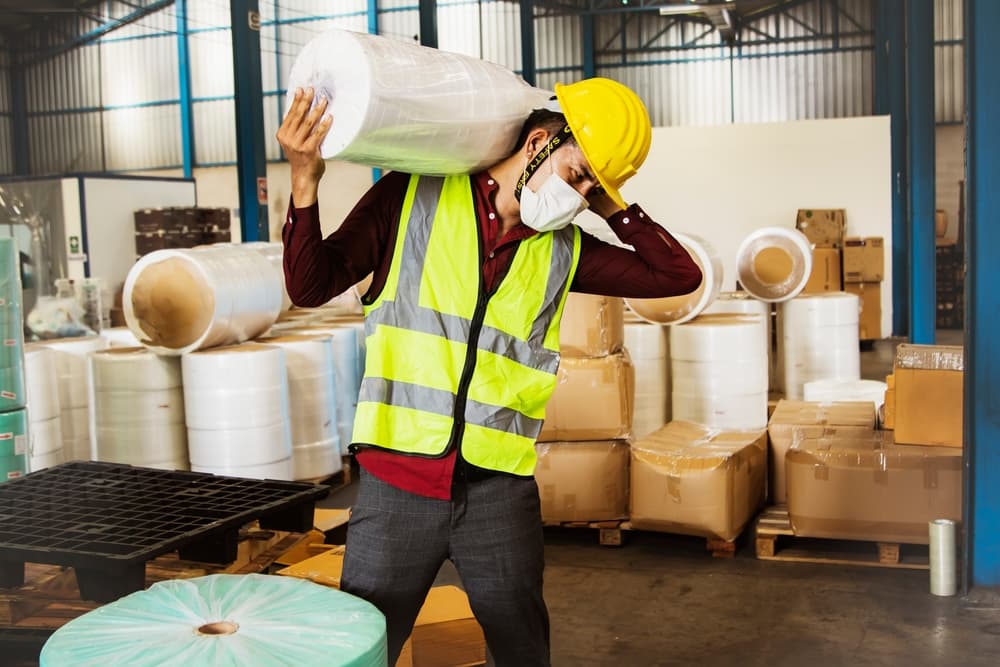
Lifting injuries can happen in a single moment or build up over time. One awkward lift, an overloaded box, or a sudden twist can cause immediate pain, while repetitive lifting throughout a shift can gradually strain muscles, joints, tendons, and the spine.
These injuries are not limited to the lower back. Heavy lifting can affect the shoulders, arms, elbows, hands, knees, core muscles, and spinal structures. Risk often increases when workers lift excessive weight, carry unstable loads, twist while holding something heavy, work from awkward positions, or do not have proper equipment or assistance.
If you were hurt lifting at work, Shebell & Shebell’s workers’ compensation attorneys in New Jersey can help you understand the benefits that may be available. Below are some of the most common injuries caused by heavy or repetitive lifting.
Why Heavy Lifting Causes Workplace Injuries
Lifting places stress on several parts of the body at the same time. The risk increases when a worker has to lift more weight than they can safely manage or repeat the same movement throughout the day.
Common risk factors include:
- Lifting excessive weight
- Repetitive lifting
- Twisting while carrying
- Lifting from awkward positions
- Reaching overhead with weight
- Carrying uneven or unstable loads
- Working without appropriate lifting equipment
- Handling heavy objects without enough assistance
These situations are common in warehouses, construction, delivery work, healthcare, manufacturing, retail, stocking, moving, and material handling.
A lifting injury can happen during one difficult task, but repetitive stress is also important. Workers who lift, carry, push, pull, or reposition heavy objects throughout a shift may gradually develop pain even without one obvious accident.
Common Injuries Caused by Heavy Lifting
Heavy lifting can affect different parts of the body depending on the movement involved, the amount of weight, and whether the injury happens suddenly or develops over time.
Herniated Disc
The discs between the vertebrae help cushion the spine. A herniated disc occurs when material inside a disc pushes through its outer layer and may irritate or compress a nearby nerve.
Heavy lifting can place significant pressure on these discs, especially when a worker bends forward, twists, or tries to control a heavy or shifting load.
Symptoms may include:
- Lower back pain
- Pain radiating into the leg
- Numbness
- Tingling
- Weakness
A herniated disc can make lifting, bending, standing, sitting, or walking difficult enough to interfere with normal job duties.
Herniated discs are only one of several spinal conditions workers can develop. Our guide to the common types of back injuries at work covers disc injuries, sciatica, spinal stenosis, fractures, and other workplace back conditions in more detail.
Muscle Injuries
Muscle strains and tears are among the most common injuries associated with lifting.
Heavy or repetitive lifting can affect muscles in the:
- Lower back
- Shoulders
- Arms
- Legs
- Core
A sudden overload can stretch or tear muscle fibers, while repetitive physical work can gradually create soreness, inflammation, and reduced strength.
Symptoms may include pain, tenderness, stiffness, weakness, swelling, or difficulty moving normally. What initially feels like ordinary soreness can sometimes be a more significant strain, especially when symptoms persist or worsen.
Rotator Cuff and SLAP Tears
The shoulder takes on considerable stress when workers lift, carry, push, pull, or reach overhead.
The rotator cuff is a group of muscles and tendons that helps stabilize and move the shoulder. Heavy lifting or repeated overhead movement can strain or tear these tissues.
A SLAP tear affects the labrum, the cartilage surrounding the shoulder socket. These injuries can occur when the shoulder is subjected to sudden force or repetitive loading.
Symptoms may include:
- Shoulder pain
- Weakness
- Reduced range of motion
- Clicking or catching sensations
- Difficulty lifting the arm
- Pain when carrying or reaching overhead
For workers whose jobs depend on lifting or overhead movement, a shoulder injury can make even routine duties difficult.
Tennis Elbow
Despite the name, tennis elbow is not limited to athletes.
Tennis elbow involves irritation or degeneration of tendons around the outside of the elbow. Repetitive gripping, carrying, lifting, pulling, and tool use can place repeated stress on these tendons.
Workers may experience:
- Pain along the outside of the elbow
- Weak grip strength
- Pain while lifting or carrying
- Difficulty using tools
- Pain during repetitive arm movements
Jobs involving frequent material handling or repetitive hand and arm use can make these symptoms worse over time.
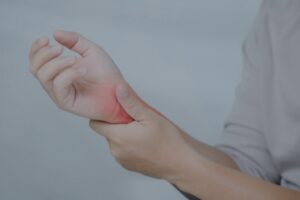
Hand and Wrist Injuries
The hands and wrists absorb much of the force involved in gripping, balancing, and controlling heavy objects.
Lifting accidents can cause:
- Muscle or tendon strains
- Wrist injuries
- Finger injuries
- Ligament damage
- Crush injuries when an object is dropped
- Pain caused by repetitive gripping
A hand or wrist injury can interfere with grip strength and make it difficult to carry tools, lift objects, operate equipment, or perform detailed work.
Workers who experience pain or damage involving the fingers, wrist, or hand can learn more in our guide to workplace hand injuries.
IT Band Syndrome
Iliotibial band syndrome, or IT band syndrome, is generally an overuse condition involving tissue along the outside of the thigh and knee.
It is not typically caused by one isolated heavy lift. Instead, repetitive job activity such as lifting, carrying, squatting, climbing, and moving throughout a physically demanding shift may contribute to irritation and symptoms.
Pain is often felt along the outside of the knee or thigh and may become more noticeable during repetitive movement.
Workers whose jobs involve frequent stair climbing, squatting, carrying, or prolonged physical activity may have difficulty continuing those tasks when symptoms become persistent.
Patellar Tendonitis
The patellar tendon connects the kneecap to the shinbone and plays an important role in straightening the knee.
Repeated loading of the knees through lifting, squatting, climbing, carrying, and similar movements can place stress on the tendon and contribute to irritation.
Common symptoms include pain below the kneecap, tenderness, and discomfort when:
- Squatting
- Kneeling
- Climbing stairs
- Standing from a crouched position
- Carrying heavy loads
For workers in construction, warehouses, delivery, maintenance, or other physically demanding occupations, knee pain can significantly limit normal work activities.
Spinal Injuries
Some lifting accidents result in more serious spinal injuries beyond a simple muscle strain or isolated disc problem.
These injuries may involve:
- Vertebral damage
- Serious disc injuries
- Nerve compression
- Fractures
- Spinal cord damage in severe accidents
More serious spinal trauma may occur when a worker loses control of an extremely heavy object, is struck by dropped material, falls while carrying a load, or is involved in an accident with lifting machinery or equipment.
These injuries can result in chronic pain, weakness, reduced mobility, nerve symptoms, or permanent disability.
Signs a Lifting Injury May Be More Serious
Not every lifting injury feels severe at first. Some workers initially assume they pulled a muscle and expect the pain to disappear within a few days.
Symptoms that may point to a more significant injury include:
- Persistent or worsening pain
- Numbness or tingling
- Muscle weakness
- Loss of grip strength
- Pain traveling down an arm or leg
- Reduced shoulder movement
- Difficulty bending or standing
- Knee instability
- Difficulty walking
- Inability to perform normal job duties
These symptoms can sometimes indicate an injury involving a disc, nerve, tendon, ligament, joint, or other structure rather than ordinary muscle soreness.
When pain continues, spreads to another part of the body, causes weakness or numbness, or begins interfering with work, it is important to take the injury seriously.
What to Do After Being Injured While Lifting at Work
What you do after a lifting injury can affect both your recovery and your workers’ compensation claim. Even if the pain seems manageable at first, it is important to create a clear record of what happened.
Report the Injury
Tell your employer or supervisor about the injury as soon as possible.
Explain what you were lifting, how the movement happened, and when you first noticed pain or other symptoms. If the injury developed over time from repetitive lifting, explain that as clearly as you can.
Do not assume the pain will simply disappear or wait until the injury becomes much worse before reporting it.
Get Medical Care
When you receive medical treatment, describe the lifting motion accurately and mention every part of the body that was affected.
Report symptoms such as:
- Numbness
- Tingling
- Weakness
- Radiating pain
- Reduced movement
- Loss of grip strength
- Difficulty bending, standing, or lifting
Clear medical documentation can be especially important when an injury involves more than a simple muscle strain.
Document the Accident
Keep records related to both the injury and the work activity that caused it.
Useful documentation may include:
- Incident reports
- Witness information
- Photos when relevant
- Medical records
- Work restrictions
- Communications with your employer
- Information about the object being lifted
- Information about any equipment involved
The more clearly the accident and resulting limitations are documented, the easier it is to understand the full impact of the injury.
Workers’ Compensation for Lifting Injuries in New Jersey
A lifting injury that arises from job duties may qualify for New Jersey workers’ compensation benefits.
Depending on the circumstances, benefits may include:
- Authorized medical treatment
- Temporary disability benefits while you are unable to work
- Permanent disability benefits when an injury leaves lasting impairment
Importantly, a lifting injury does not always involve one dramatic accident. Some workers are injured after one heavy lift, while others develop back, shoulder, knee, or repetitive-use problems after performing physically demanding work over time. Medical evidence and the specific circumstances of the job are important in determining whether the condition is work-related.
If you are starting the process, our guide on how to file a workers’ compensation claim explains the basic steps involved.
When Someone Other Than Your Employer May Be Responsible
Some lifting injuries involve more than the worker and employer. A defective product, outside contractor, property owner, or another company may have contributed to the accident.
Defective Lifting Equipment
Workers often depend on equipment to move heavy materials safely.
Examples include:
- Hoists
- Dollies
- Hand trucks
- Forklifts
- Lifting straps
- Mechanical lifting devices
If equipment breaks, malfunctions, or fails while being used as intended, the product itself may need to be investigated. A defective product can create legal issues separate from the workers’ compensation claim.
Contractors and Other Third Parties
Another company or person at the worksite may also contribute to a lifting accident.
For example:
- A contractor may improperly load materials.
- A property owner may allow an unsafe work condition to remain.
- Another company may stack or secure materials incorrectly.
- A load may shift or fall because of someone else’s actions.
When someone other than the employer contributed to the injury, a separate personal injury claim may need to be considered. Our guide to the difference between a workers’ comp claim and a personal injury claim explains how those two legal paths differ.
Frequently Asked Questions About Lifting Injuries
What Are the Most Common Injuries From Heavy Lifting?
Common lifting injuries include muscle strains, herniated discs, shoulder injuries, tendon problems, elbow injuries, hand and wrist injuries, knee conditions, and more serious spinal injuries.
The type of injury often depends on the weight involved, the lifting motion, how often the task is repeated, and which part of the body absorbs the strain.
Can Heavy Lifting Cause a Herniated Disc?
Yes. Heavy lifting can place substantial pressure on the spinal discs, particularly when someone bends or twists while lifting.
A herniated disc may cause back pain along with numbness, tingling, weakness, or pain that travels into the leg.
Can Lifting Cause a Shoulder Tear?
Yes. Heavy or repetitive lifting can contribute to injuries involving the rotator cuff or labrum in the shoulder.
Workers who regularly lift overhead, carry heavy materials, or perform repeated shoulder movements may develop pain, weakness, or reduced range of motion.
Can Repetitive Lifting Qualify for Workers’ Compensation?
Potentially. A workplace injury does not always have to result from one sudden event.
Repeated lifting or physical work may contribute to a condition that develops or worsens over time. Whether workers’ compensation applies depends on the medical evidence and the relationship between the condition and the worker’s job duties.
What if I Already Had Back or Shoulder Problems?
A pre-existing condition does not automatically prevent a workers’ compensation claim.
If work activity or a lifting accident aggravated or worsened an existing back, shoulder, or other condition, the effect of that workplace activity may still need to be evaluated.
Can I Receive Workers’ Compensation if I Used Improper Lifting Technique?
Potentially. New Jersey workers’ compensation generally does not require an injured worker to prove that the employer caused the accident through negligence.
A worker’s lifting technique does not automatically determine whether benefits are available. The key issue is generally whether the injury arose out of and occurred in the course of employment.
What if Defective Equipment Contributed to My Injury?
If a defective hoist, forklift, lifting strap, dolly, or other product contributed to the injury, there may be issues beyond workers’ compensation.
The circumstances may support investigation of the manufacturer, distributor, maintenance company, or another responsible party.
Speak With Shebell & Shebell About a Lifting Injury
Heavy lifting can injure much more than the lower back. Workers may suffer disc injuries, muscle strains, shoulder tears, elbow problems, hand injuries, knee conditions, and more serious spinal damage from one difficult lift or repeated physical work.
If you were injured while lifting at work, schedule a consultation with Shebell & Shebell’s workers’ compensation attorneys in New Jersey to discuss how the injury happened, how it is affecting your ability to work, and what benefits may be available.