Over $200 Million Dollars in Verdicts & Settlements

If we don’t win, you don’t pay

Sweeney bill may allow workers sickened by COVID-19 to collect workers’ compensation

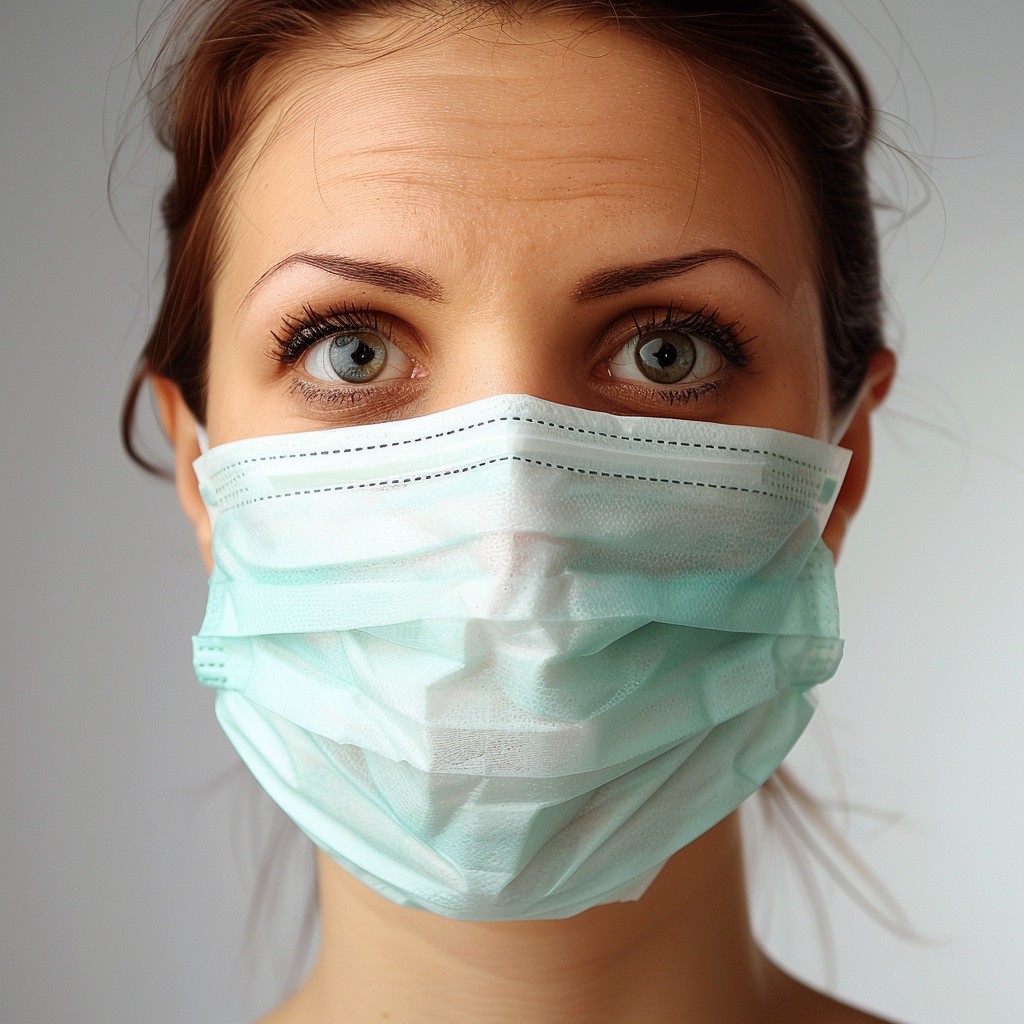
In response to the Coronavirus (COVID-19) pandemic, New Jersey Governor Phil Murphy signed Executive Order No. 107 requiring many businesses to close their doors until further notice.

Not all businesses and public services are closed, however. People still need to get food and essential items. They still need to make medical appointments and get treatment. We still need police, EMS workers and firefighters to keep us safe.

Essential workers may be protected under proposed bill

Heatlhcare workers, grocery store employees, public safety personnel and other essential workers are at the forefront of this epidemic. These brave men and women are risking their lives and health each day. It’s critical that they receive adequate worker protections and benefits should they be injured or become ill on the job.

In order to protect New Jersey workers during this time, Senate President Stephen Sweeney introduced a new bill to make it easier for essential workers who become sick with COVID-19 to receive workers’ compensation benefits. The bill, if passed into law, would basically mean an essential worker who gets the Coronavirus would be presumed to have gotten it at work.

If the bill is signed into law, the presumption will apply to essential workers who interact with the public. This would likely include workers (both private and public sector) who provide healthcare services, food, essential goods and public safety.

“We started with police and fire and all emergency responders. But think about the person working at the grocery store. They’re just as much on the front lines,” said Sweeney.

Under the Sweeney bill, workers who become sick with COVID-19 would not be required to take sick leave. Instead, their time away from work would be considered “on duty.”

Our attorneys can help you get the benefits you need

The New Jersey workers’ compensation attorneys at Shebell & Shebell, LLC applaud the efforts of workers who are selflessly risking their health to serve others. We are closely monitoring this legislation. If you have become ill on the job during this time, we can help you explore your legal options.

We also understand the added pressure workers are facing to keep up with the added demands and stressors during this time. This can lead to worker burnout, fatigue, workplace accident and injuries. That’s why our legal team is dedicated to helping injured workers, especially those on the front lines fighting this pandemic, get the workers’ compensation benefits they deserve.

We serve clients in Shrewsbury and Freehold, New Jersey. Contact us online or call (732) 663-1122 and schedule your free consultation with our legal team. We can also conduct remote legal consultations via FaceTime, Zoom, or Skype.


COVID-19 pandemic presents hazard to delivery drivers, truckers

Deliver drivers, warehouse workers and truckers are among the many essential workers on the front lines of the Coronavirus (COVID-19) pandemic, loading essential supplies and taking to the roads to help keep the economy going and to provide all of us with access to food, goods, and critical supplies.

As more and more people practice social distancing recommendations and stay safe at home, many Americans are shopping online – creating an increase in the overall volume of packages being shipped out and deliveries being made every day.

While the World Health Organization has said the threat of contracting COVID-19 from a package is low, delivery drivers, truckers, and warehouse workers are still at risk of being exposed to the Coronavirus while at work and while making deliveries.

Essential workers ask for protection and hazard pay

In March, some Amazon warehouse workers walked off the job and called for more safeguards after colleagues were diagnosed with COVID-19. Instances of the virus have also been reported at more than 19 Amazon warehouses in the U.S., prompting the company to prioritize deliveries of essential goods and ask delivery drivers to disinfect their trucks before and after each shift.

UPS and FedEx employees have also voiced concerns about how they’ll get paid if they contract the virus, while other essential workers are calling for an increase in wages or hazard pay due to the risk associated with working in public during the pandemic.

Along with working in close quarters to load packages, delivery drivers and truckers are carrying goods in and out of communities that have been locked down due to COVID-19. Employees for companies such as Instacart also have concerns as they shop for customers in heavily trafficked grocery stores, putting their own health at risk.

Can you get workers’ comp for COVID-19?

Workers’ compensation is supposed to help cover the cost of any necessary medical expenses that arise from a work injury or occupational disease. If you come in contact with the Coronavirus while you’re at work, you may be entitled to certain wage and medical benefits through workers’ compensation.

Even if you think your claim is straightforward, you may face challenges trying to get all the benefits you’re entitled to. That’s why if you think you’ve had occupational exposure to COVID-19, you should contact an experienced workers’ compensation attorney right away to protect your rights.

Let our law firm help you

At Shebell & Shebell, our New Jersey workers’ compensation lawyers realize the impact COVID-19 can have on you and your family. During these uncertain times, we want new and existing clients to know that we are there for you if you need us. Together, we will overcome this.

Our law firm has been fighting to protect the rights of injured workers since 1927 and knows what it takes to get you the benefits you need and deserve. See what an experienced New Jersey workers’ compensation attorney can do for you. Contact us today for a free consultation. We have offices conveniently located in Freehold and Shrewsbury and are fully capable of handling every aspect of your claim remotely.

What types of threat do nurses face at work?

You might think that working on a construction site or as a police officer is dangerous. While those workers certainly face the risk of being injured, it might come as a surprise that another group of workers is facing an increasing risk of being hurt on the job: Nurses.

According to Occupational Health & Safety, violence is on the rise in the health care sector, and nurses are especially at risk. Health care workers face a variety of threats every day they go to work. The National Institute for Occupational Safety and Health lists four types of violence in the health care field. A nurse or other health care worker can be injured by:

  • Someone with criminal intent (a person who has no relationship to the business or its employees)
  • A patient who acts violently during treatment
  • Another employee of the health care facility
  • Personal relationship violence

According to a survey, one in five registered nurses and nursing students reported being physically assaulted during a one-year period. Half of them say they were verbally abused. The health care field experiences a higher rate of serious workplace violence than the private industry on average, according to OSHA.

What leads to violence in the health care industry?

Nurses and other health care professionals often work in emotionally charged environments. Patients and their family members are sometimes upset, frightened or even angry. Nurses treat patients from all walks of life. A patient might have a history of violence or be high on drugs when he or she comes into an emergency room.

OHS suggests ways to address the problem of workplace violence in health care facilities. Employers should encourage nurses and other employees to report any act of violence against them. Employers should have systems in place that encourage reporting of violence.

In addition, the Occupational Safety and Health Administration has compiled guidelines for preventing workplace violence for health care and social service workers. All health care employers should review them and consider enhancing efforts to keep employees safe.

Many states, including New Jersey, have adopted tougher penalties for assaults against nurses and other health care professionals. In 2011, lawmakers upgraded the penalties from simple assault to aggravated assault. Under New Jersey state law, someone who assaults a health care worker will be charged with the same offense as someone who assaults a law enforcement officer, according to NBC New York.

NBC New York quotes a registered nurse: “The vast majority of assaults that occur in the health care setting are non-lethal in nature. But you don’t have to be killed to be changed forever.”

How a New Jersey workplace injury attorney can help you

If you are a health care employee who is hurt at work, you should seek medical attention and then report the incident as soon as possible. You may be entitled to benefits through a workers’ compensation claim. At Shebell & Shebell, LLC, our experienced New Jersey workplace accident attorneys know how to maximize benefits for clients. We can handle the details of the claim while you focus on your recovery.

Contact us online today for a free consultation.

How serious is exposure to asbestos?

Asbestos is a natural mineral that’s used in several building materials due to its strength, insulating, and fire-retardant abilities. According to the U.S. Environmental Protection Agency (EPA), it’s found in these materials:

  • Vermiculite-produced wall insulation
  • Vinyl floor tiles
  • Roofing and siding shingles
  • Textured paint used on walls and ceilings
  • Pipes coated with asbestos material
  • Oil and coal furnaces
  • Car parts
  • Heat-resistant materials

The EPA banned products containing asbestos in 1989, but that ban was overturned two years later by the Fifth Circuit Court of Appeals. Asbestos is no longer mined in the U.S., yet many products still contain it. The U.S. still imports more than 750 metric tons of it each year. Moreover, many older buildings still contain this material.

What are the dangers of asbestos exposure?

Construction workers, firefighters, and industrial workers often come in contact with asbestos. According to EHS Today, workers who are exposed to asbestos are at risk of developing two occupational diseases:

  • Asbestosis: A chronic lung disease that involves lung scarring, shortness of breath, persistent coughing, chest pain and tightness, weight loss, and fingertip deformities. Asbestosis can lead to mesothelioma or lung cancer in some cases.
  • Mesothelioma: A type of cancer that forms in the thin layer of tissue covering several internal organs. Symptoms include chest pain, painful coughing, shortness of breath, lumps under the skin on your chest, weight loss, abdominal pain and swelling, and nausea.

Both conditions can take about 20-30 years to develop after exposure, even for workers who have already changed occupations. Both conditions are either permanent or fatal. According to the American Lung Association, approximately 3,211 people died from asbestosis between 1999-2004.

What should I do if I became ill?

If you suspect that you have developed either of these conditions, it’s critical that you notify your employer and seek medical attention. Your doctor will likely perform an x-ray or CT scan to determine the stage of the disease. A biopsy may also be performed to determine if any cancer cells are present in the lungs or around other organs.

Both diseases require life-long treatment to help you manage the symptoms. Treatments include:

  • Breathing assistance devices
  • Medication for pain and inflammation
  • Antibiotics
  • Possibly surgery

Treatment can cost thousands of dollars per month. What’s worse, you may never be able to perform the same job functions you once did. Affording medical care and making ends meet without a paycheck may seem impossible. You have legal options, however.

How can a lawyer help me?

The New Jersey workers’ compensation attorneys at Shebell & Shebell, LLC can help you get the benefits you need. You may be entitled to permanent disability benefits if you’re unable to return to work. This would compensate you for 70 percent of your average weekly pay. We can also help you cover your medical costs and ensure that you’re able to continue receiving care.

Our attorneys represent clients in all types of work-related injuries and illnesses. That includes those caused by exposure to harmful materials. Our law offices are located in Shrewsbury and Freehold, New Jersey. Contact us online to schedule your free consultation.

Workdays missed in retail due to injuries

When you think of hazardous jobs resulting in workers’ compensation claims, you probably think about construction workers and law enforcement personnel. You probably do not consider retail industry workers. A new study indicates that maybe you should.

The dangers of retail

When a retail worker is injured on the job, they miss an average of 24 workdays, according to an insurance provider study. AmTrust Financial Services reviewed 20,000 workers’ compensation claims from 2016-2018. The three injuries with the highest average payouts were:

  • Falls or slips from ladders or scaffolding
  • Strain or repetitive motion
  • Car accidents

Workers at the greatest risk were employed in:

  • Meat, fish and poultry markets. Common injuries involve facial bones, elbows, ankles, and knees.
  • Hardware stores. Common injuries involve upper backs, shoulders, upper arms, and ankles.
  • Car parts and accessories stores (including drivers). Common injuries involve soft tissue, multiple upper extremities, elbows, shoulders and knees.
  • Barbershop, beauty parlor and hairstyling salons. Common injuries involve shoulders, thumbs and upper extremities.

Does your employer care about safety?

The study found safety training is key to preventing injuries. The question for retail workers is whether their employers believe in a proactive safety strategy or whether they accept injuries as “part of doing business.” Workers should ask themselves if their employers:

  • Have proper footwear policies.
  • Keep floors and other surfaces clear of hazards.
  • Store stock safely on shelves.
  • Keep stepladders in good condition.
  • Enforce safe lifting guidelines.
  • Provide support for moving stock, such as hand carts.
  • Offer training on security, robbery, and shoplifting.
  • Maintain clear emergency exit walkways.
  • Assure facilities are properly illuminated.

It’s easy for an employer to say they support worker safety. It’s something else entirely for them to follow through. Workers should alert their employers to any safety issues and keep a detailed record of the response.

Seek medical attention, even if it seems minor

If you are a retail worker who has been injured on the job, you could be facing a month or more without a paycheck, or even become permanently disabled. Making ends meet is difficult enough without missing extra time due to your employer’s negligence. Your employer is not going to admit they are responsible for your injuries. In fact, they may blame you. The insurance company knows you need money. That’s why they will make a lowball financial settlement offer, hoping you will accept less than you deserve. Meanwhile, you are trying to navigate a complex workers’ compensation system that seems like it was designed to thwart and frustrate you.

The New Jersey workers’ compensation lawyers at Shebell & Shebell, LLC, with offices in Shrewsbury and Freehold, have been handling cases like yours in Monmouth and Ocean counties for decades. We deal aggressively with employers and their insurance companies and know how to make the workers’ compensation system work for you. We will help you put your life back on track. Contact us today for a free case consultation.

What should construction companies do to protect trench workers?

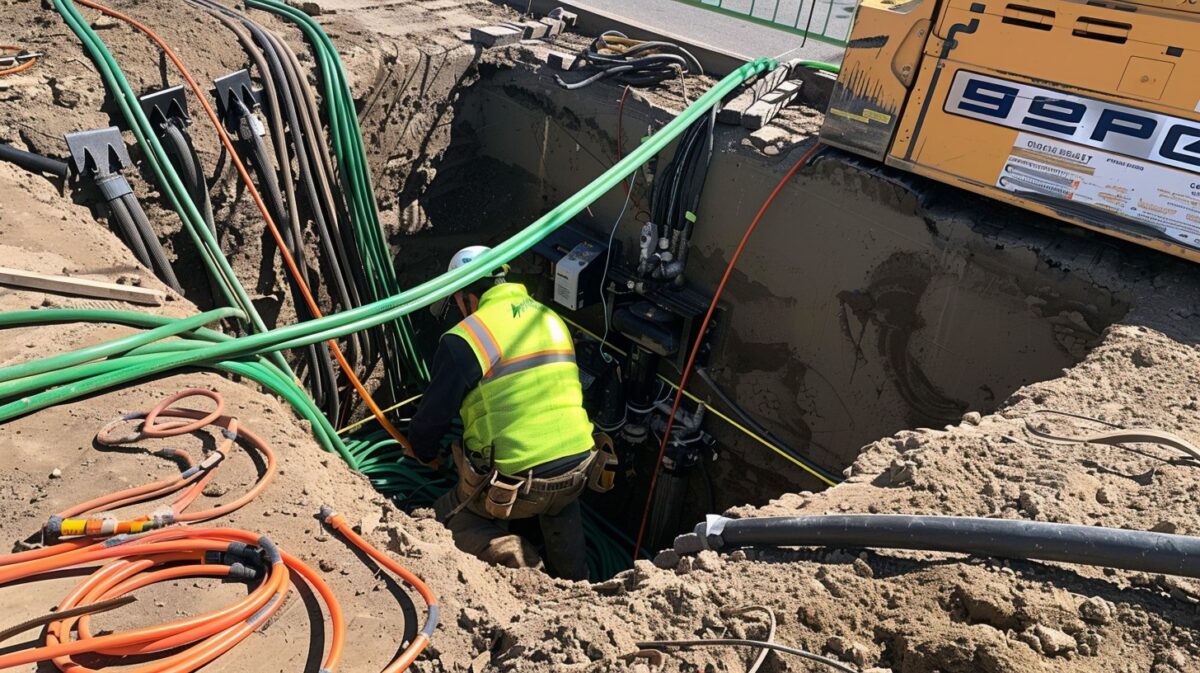
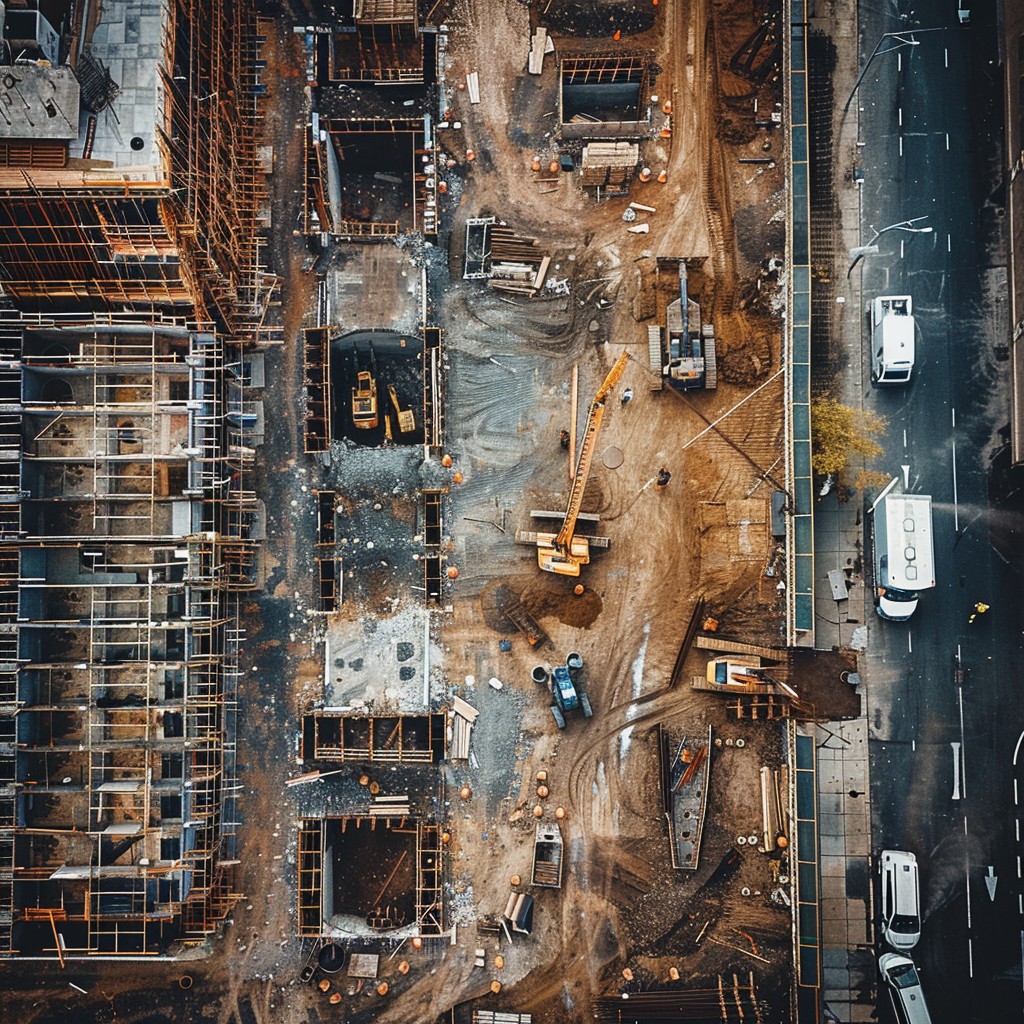
Construction trenches are a vital part of maintaining our infrastructure and are used to access or construct gas lines, water mains, telephone lines, and underground pipes. Trenches are dug by excavation workers. They can be as wide as 15 feet at the bottom of the excavation and can be more than 20 feet deep.

When trench worksites are set up correctly and fully inspected, they generally allow for safe work conditions. Some construction companies, however, fail to take critical safety measures in order to cut costs and time. This puts workers at risk of being seriously injured or even killed.

Generally, how safe are trench workers?

According to Occupational Health & Safety, there were just as many construction fatalities in trenches during 2016 as there were during 2014 and 2015 combined. The booming economy, increasing infrastructure, and lack of trench safety awareness are cited as leading factors.

From 2011-2016, approximately 38 percent of construction fatalities occurred in industrial locations, another 30 percent in residential locations, and 20 percent on streets and highway sites. Many of these deaths occurred due to trench collapses or other accidents occurring in trenches.

What are the safety requirements for trenches?

According to the Occupational Safety and Health Administration (OSHA), protective systems are required for construction trenches that are five feet deep or more. For trenches 20 feet or more, protective systems must be:

  • Designed by a professional engineer, or
  • Be based on tabulated data prepared by and/or approved by a registered professional engineer

Protective systems for trenches include:

  • Benching: Protects workers from cave-ins by forming horizontal levels or steps along the sides of a trench.
  • Sloping: Trench walls are cut at an incline angle to prevent walls from collapsing.
  • Shoring: Involves aluminum hydraulic support to stop soil from moving.
  • Shielding: Uses box-like structures to prevent cave-ins.

Wall collapses aren’t the only risk to trench workers. When trench sites are set up along roadways or parking lots, workers could be at risk of being hit by a car. Roadside trench workers must be provided with high-visibility vests and worksites must be protected with barriers.

Who is responsible for ensuring that trench sites are safe?

Trenches must be evaluated by a competent person on a daily basis, or each time a new worker enters or conditions of the job site change. Additionally, a competent person must evaluate:

  • The soil type of a trench site
  • The weather conditions
  • Nearby above-ground utility lines
  • Nearby structures such as proximity of building, railroads, and other underground lines and pipes
  • Surface and groundwater
  • The construction equipment, materials, and tools used at a trench site

According to OSHA, a competent person is someone “who is capable of identifying existing and predictable hazards in the surroundings or working conditions which are unsanitary, hazardous, or dangerous to employees, and who has the authorization to take prompt corrective measures to eliminate them.”

A competent person must evaluate the site where a trench will be excavated before the digging begins. This allows the competent person to devise a preplan to ensure that the worksite is safe and compliant with OSHA standards.

What are my legal options if I’m injured on a trench site?

If you’re a New Jersey construction worker who was injured on a trench site, you may be eligible for workers’ compensation benefits.

Those who survive trench accidents often sustain serious, and potentially permanent, injuries. Medical costs from X-rays, surgery, pain medication, and physical therapy can be expensive. In some cases, injured workers may be subject to a lifetime of medical treatment. What’s worse, workers often can’t afford to make ends meet while they’re not collecting a paycheck.

Workers’ compensation benefits cover these costs. Obtaining benefits, however, isn’t easy. Any paperwork errors or missteps in the claims process can lead to delayed benefits or having your claim denied entirely. That’s why you need an experienced legal advocate on your side who knows how the system works. The attorneys at Shebell & Shebell, LLC can ensure that your claim is properly filed and your paperwork is accurately filled out. Our legal team can also negotiate with the insurance companies for a fair settlement.

Our law offices are located in Shrewsbury and Freehold, New Jersey. To get started, contact us online and schedule your free consultation.

‘Forever Chemicals’ Linked to Cancer Show Up Strong in Firefighters’ Blood

A new study show that firefighters have high blood levels of potentially dangerous chemicals used in the manufacture of blaze-extinguishing foam.

The fact is that it’s not just veteran firefighters who show the “unacceptably elevated blood levels” of the chemicals that are linked to cancer and other health problems.

The high presence of the chemicals also appears in younger firefighters and even recruits, according to The Colorado Springs Independent. The younger firefighters may never have used the extinguishing foam themselves but merely could have been exposed to equipment and training areas contaminated by the “forever chemicals.”

The man-made chemicals — known as PFAS, which stands for per- and polyfluoroalkyl substances — are called “forever chemicals” because they are extremely persistent in the environment, according to an October 2019 study by IPEN, a global nonprofit network of public interest groups.

They’re very difficult to remove from drinking water. They can pass through wastewater treatment processes largely unhindered. Firefighters can be significantly exposed to such chemicals from firefighting foam, whether through direct or indirect contact.

How are firefighters affected by PFAS?

PFAS have been used in industry and consumer products worldwide since the 1950s, according to the U.S. Agency for Toxic Substances and Disease Registry.

PFAS are part of non-stick cookware, water-repellent clothing, stain-resistant fabrics and carpets, cosmetics, firefighting foams and products that resist grease, water and oil.

Most people have been exposed to PFAS, according to the U.S. Environmental Protection Agency (EPA).

Certain PFAS can accumulate and stay in the human body for long periods of time. There is evidence that exposure to PFAS can lead to adverse health outcomes in humans, according to the EPA.

Studies show the chemicals can cause reproductive and developmental, liver and kidney problems, and tumors in animals.

The most consistent findings from human studies about the dangers of exposure to these chemicals are increased cholesterol levels among certain exposed populations. More limited findings are related to infant birth weights, effects on the immune system, cancer, and thyroid hormone disruption.

The Colorado Springs Independent said that the “Firefighter Cancer Registry Act of 2018” signed into law by President Donald Trump establishes a voluntary registry of firefighters to collect data on cancer incidence. This registry could potentially aid research into the health effects of long-term PFAS exposure.

According to the IPEN study, for firefighters, lack of attention to personal decontamination on-site or at the station remains a possibility for further exposure. These activities show that there may have been significant exposure to concentrate through inhalation, ingestion or skin absorption.

Continued use of these products remains unclear. The IPEN study called for “the global elimination” of PFAS.

The U.S. House of Representatives and Senate versions of the National Defense Authorization Act — a bill to fund the military through 2020 — end the use of PFAS-based foams by 2023.

Manufacturers have developed some types of foams that don’t contain PFAS that would presumably replace these foams.

The U.S. Centers for Disease Control and Prevention called PFAS “a public health concern.”

The military has so far resisted to switching to different kinds of foams. The Air Force said no other foam is as strong in fighting liquid fires in military, industrial, aviation and municipal sites.

Contact Shebell & Shebell Attorneys At Law in Shrewsbury and Freehold, New Jersey today for help with cases related to firefighters having high levels of PFAS in blood and for help with other workplace exposure cases.

New State Workers’ Compensation Laws Now Protect 9/11 First Responders

It’s been nearly two decades since we, as a nation, experienced the horrific acts of terror committed on September 11, 2001. In the days that followed 9/11, many firefighters and emergency personnel were the first to trudge through the rubble of the World Trade Center — searching for potential survivors.

These heroes put their lives and health on the line to serve the public and their country. But years after their service, not enough has been done to protect these brave men and women. Sadly, many state lawmakers have been lagging behind.

According to the New York Post, nearly 10,000 people have suffered from cancer due to exposure to toxic smoke and dust, many of whom were first responders. This has resulted in more than 1,700 deaths, including 420 that were cancer-related.

What’s worse, many first responders who are alive today are at a heightened risk of developing heart disease, according to a study published in the Journal of the American Medical Association.

Recently, the state of New Jersey has taken the initiative to provide adequate compensation for 9/11 first responders who have suffered adverse health conditions as a result of their service.

New Jersey lawmakers usher in new legislation

A bill called the “Thomas P. Canzanella Twenty First Century First Responders Protection Act” (S716) was introduced in 2018 and sponsored by Senators Linda R. Greenstein and Christopher “Kip” Bateman. It was named after former Hackensack firefighter Deputy Chief Thomas P. Canzanella, who served at Ground Zero after 9/11 and died at the age of 50 due to a heart attack.

The bill, which supplemented chapter 15 of Title 34, was devised for the following purposes:

  • To compensate public safety workers for the screening of any potential illnesses, health conditions, or injuries related to their service — whether or not the public safety worker has sustained an illness, condition, or injury.
  • To provide workers’ compensation coverage for public safety workers who sustain illnesses, adverse health conditions, injuries, or fatalities involving bioterrorism, an epidemic, and exposure to substances that cause cancer or other illnesses.
  • To require that employers keep records of any public safety worker deployed to an area where he or she may be exposed to known cancer-causing agents.
  • To assert that employers may require public safety workers to be tested for illnesses or adverse health conditions and receive ongoing health monitoring when working in areas that could be harmful.

Another bill called the “Bill Ricci World Trade Center Rescue, Recovery, and Cleanup Operations Act” (NJ A4882) was introduced in January of 2019 and was sponsored by 27 state lawmakers. It was named after Clifton firefighter Lieutenant Bill Ricci, who served at Ground Zero after 9/11 and was previously uneligible to receive benefits.

The bill asserts the following:

  • Members and retirants of the Police and Fireman’s Retirement System (PFRS) who are 9/11 first responders are eligible for accident disability retirement allowance for a permanent and total disability resulting from their service.
  • Any member who served as a 9/11 first responder for a minimum of eight hours is eligible for permanent and total disability benefits only if they sustained a qualifying health condition or impairment as a result of their duties, and not willful negligence.
  • Members who didn’t serve for eight hours may be eligible for benefits if they participated in rescue, recovery, and cleanup at the World Trade Center site between September 11th and September 12th of 2001.

First responders and other public safety workers now eligible for benefits without burden of proof

This past summer, Governor Phil Murphy signed both A4882 and S716 into law. Previously, New Jersey first responders and firefighters had to expend time and resources proving their health conditions, injuries, or illnesses. Under New Jersey’s recent workers’ compensation rebuttals, firefighters with seven or more years of service are eligible for benefits without the burden of proof.

Other public safety workers can also be eligible for benefits without having to prove their condition. They must, however, prove that they were exposed to harmful substances while within the scope of their duties.

The workers’ compensation attorneys at Shebell & Shebell, LLC applaud the sacrifices made by our public safety workers and the actions of our state lawmakers.

We handle a wide range of workers’ compensation and disability claims, including:

If you’re a firefighter, police officer, or other public safety worker who has sustained an illness, injury, or adverse health condition on the job, our legal team would like to sit down with you and discuss your legal options. Our law offices are based in Shrewsbury and Freehold. To schedule your free initial consultation with one of our attorneys, contact us online today.

I Was Injured in a Construction Accident. Now What?

construction accident can be a chaotic and devastating occurrence. According to the Occupational Safety and Health Administration (OSHA), the four most common construction accidents that can lead to serious or life-threatening injuries include:

  • Falls: Approximately 381 construction workers died in 2017 due to falls – accounting for nearly 40 percent of all construction fatalities.
  • Struck by object accidents: 80 deaths in 2017 – accounting for more than 8 percent of all construction fatalities.
  • Electrocutions: 71 deaths in 2017 – accounting for more than 7 percent of all construction fatalities.
  • Caught-in/between accidents: 50 deaths in 2017 – accounting for more than 5 percent of all construction fatalities.

Statistics aside, only one thing is for certain: you’re injured. So, now what?

What can I expect following a construction accident?

The aftermath of a construction accident can be overwhelming and confusing. You may be wondering how you’ll go about receiving adequate medical care. Or how you’ll afford to pay for costly medical procedures, prescription medication, and physical therapy —  all while you’re unable to work and collect a paycheck.

The good news is, you are eligible for workers’ compensation benefits to cover the medical costs and lost wages. The bad news is, filing a claim and pursuing benefits isn’t easy and it only takes one small misstep to be denied.

That’s why you should consult with an experienced New Jersey workers’ compensation attorney as soon as possible to avoid any confusion and ensure that the process goes smoothly.

Can I collect other damages after a construction accident?

If you were injured in a construction accident, workers’ compensation covers your medical expenses and lost wages. It does not cover non-economic damages, such as pain and suffering or punitive damages.

By default, workers’ compensation is a no-fault system. That means, you could collect benefits even if there was no negligence involved.

On the other hand, if a third-party caused your construction accident, you may be eligible for additional damages. A third party is a person or entity not associated with your employer. It could include:  

  • A driver who struck you while you were working on a roadway
  • A contractor or employee from another company
  • The manufacturer of a defective tool or machinery
  • A business or property owner of a premises you visited in the scope of your employment

Why should I hire an attorney?

If you’re a construction worker who was hurt on the job, and you’re unsure what legal options are available to you, it’s best to speak to a knowledgeable attorney at Shebell & Shebell Attorneys at Law.

We handle both workers’ compensation and third-party construction accident claims. Our legal team has real experience negotiating with insurance companies for fair settlements and winning in the courtroom.

Our law offices are located in Shrewsbury and Freehold, New Jersey. To learn how we can help you, contact us online or simply call us at (848) 306-0979.