
Work-related hearing loss is a frequent yet often overlooked occupational injury, especially for workers in industries with high noise exposure, such as construction, manufacturing, and aviation. Many people assume that minor hearing changes are just part of aging or daily life, but long-term exposure to loud environments can cause permanent hearing damage. The good news is that workers who develop hearing loss because of their job may be eligible for workers’ compensation benefits.
Workers’ compensation attorneys at Shebell & Shebell Attorneys at Law understand that proving a connection between hearing loss and workplace conditions can be complicated. Please contact our law offices at (732) 663-1122 if you have any follow-up questions about filing a claim for workers’ compensation related to your hearing loss.
Key Takeaways – Workers’ Compensation Claims for Hearing Loss
- Work-related hearing loss is common but often overlooked, especially in high-noise industries such as construction, manufacturing, aviation, and entertainment.
- Early recognition and reporting of symptoms, including difficulty hearing conversations, tinnitus, or trouble understanding speech, are critical for a successful claim.
- Workers’ compensation provides essential benefits, including medical treatment, temporary or permanent disability payments, vocational rehabilitation, and compensation for permanent hearing loss.
- Eligibility for hearing loss-related workers’ comp depends on multiple factors, including the duration and intensity of noise exposure, the proper use of hearing protection, workplace noise documentation, and medical evaluations that link hearing loss to occupational exposure.
- Filing a workers’ compensation claim requires careful documentation, including medical records, workplace exposure logs, and audiometric testing to establish a connection between hearing loss and job duties.
- Always contact an experienced workers’ compensation attorney to oversee your hearing loss case.
Understanding Work-Related Hearing Loss
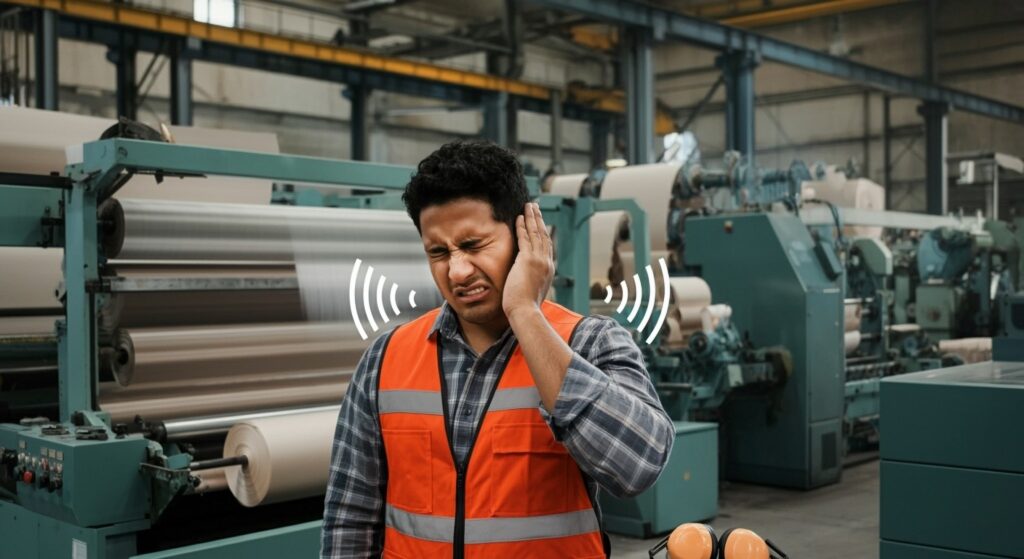
What is Work-Related Hearing Loss?
Work-related hearing loss typically occurs from repeated exposure to high levels of noise in the workplace. Common industries include:
- Construction
- Manufacturing and factories
- Aviation and airport operations
- Mining
- Music and entertainment venues
- Military service
This type of hearing damage often develops gradually, making it harder to detect and link directly to workplace conditions.
Symptoms of Occupational Hearing Loss
Recognizing these early signs of hearing loss is vital for timely intervention and documentation:
- Difficulty hearing conversations in noisy environments
- Ringing or buzzing in the ears (tinnitus)
- Needing to increase the volume on devices
- Trouble understanding speech, especially high-pitched sounds
Speak to your doctor promptly if you think you have any of these signs of hearing loss.
Workers’ Compensation and Hearing Loss
What is Workers’ Compensation?
Workers’ compensation is a legal system created to protect employees who suffer injuries or develop occupational illnesses because of their work. It ensures that workers receive financial and medical support without having to prove fault or negligence by their employer. This system is important for conditions that develop gradually, such as hearing loss caused by prolonged exposure to high levels of workplace noise.
Benefits of Workers’ Compensation
Workers’ compensation provides a variety of benefits designed to support employees both medically and financially:
- Medical Treatment: Covers the costs of diagnosis, treatment, and ongoing care related to work-induced hearing loss. This may include visits to audiologists, ENT specialists, and the purchase of hearing aids or assistive devices.
- Temporary or Permanent Disability Payments: Compensates workers for losing income resulting from temporary or permanent impairment caused by hearing loss, helping maintain financial stability during recovery.
- Vocational Rehabilitation: Offers support for retraining or adapting to new roles if hearing loss limits the employee’s ability to perform previous job duties.
- Compensation for Permanent Hearing Loss: Provides financial recognition for permanent reductions in hearing ability, which may affect quality of life and earning potential.
Hearing loss from workplace conditions often develops gradually, making timely reporting and documentation critical. If you seek medical evaluation and notify your employer promptly, you can ensure proper documentation of your claim.
Factors That Can Affect Eligibility
Not every case of hearing loss automatically qualifies for workers’ compensation. Several key factors can influence eligibility and the likelihood of a successful claim.
Length and Intensity of Noise Exposure
The risk of developing work-related hearing loss increases with both the duration and volume of noise exposure. Employees who work in environments with consistently high decibel levels, such as manufacturing plants or construction sites, are more likely to have claims approved if their hearing has been affected.
Availability and Use of Hearing Protection
Employers are typically required to provide protective equipment in noisy environments. Regular use of hearing protection can affect eligibility, as compensation claims often consider whether the employee took reasonable precautions to prevent hearing damage.
Documentation of Noise Levels in the Workplace
Accurate records of noise exposure, including decibel measurements and duration, are critical. These documents are often important evidence that hearing loss is linked to occupational conditions rather than other factors.
Medical Evaluation Linking Hearing Loss to Occupational Exposure
A thorough evaluation by a qualified audiologist or ENT specialist is essential. Medical records must clearly establish a connection between hearing loss and workplace conditions, providing objective evidence to support the workers’ compensation claim.
Follow These Steps to File a Workers’ Compensation Claim for Hearing Loss
Report the Issue Promptly to Your Supervisor
Notify your employer as soon as you notice hearing difficulties. Delays in reporting can complicate your claim.
Seek Medical Evaluation
A qualified audiologist or ENT specialist should evaluate your hearing. Ensure they document:
- Degree of hearing loss
- Possible link to workplace noise exposure
- Recommendations for treatment or accommodations
Document Workplace Conditions
Keep records of:
- Job duties and duration of exposure to loud noise
- Safety protocols and hearing protection provided
- Previous hearing tests for comparison
File a Workers’ Compensation Claim
Submit your claim to your employer or the state workers’ compensation board. Include medical records and documentation of workplace exposure.
Work With an Experienced Workers’ Compensation Attorney
A workers’ compensation attorney can help gather evidence, manage disputes, and ensure you receive the benefits you’re entitled to. Shebell & Shebell lawyers are experienced in hearing-loss-related workers’ compensation claims and can answer your questions.
Common Challenges in Workers’ Compensation Hearing Loss Claims
Obtaining workers’ compensation for hearing loss can be complicated. Unlike many workplace injuries, hearing loss often develops gradually over months or years; this can make it challenging to prove that your job directly caused it. Understanding the common obstacles below can help employees take the right steps and work effectively with an experienced workers’ compensation attorney in your community:
Gradual Onset
One of the most significant challenges is the gradual onset of hearing loss. Unlike a sudden injury, hearing loss develops slowly, making it harder to establish a clear connection to workplace exposure. Employers or insurance companies may argue that the hearing loss occurred because of age, lifestyle, or other non-occupational factors. Early reporting of symptoms and consistent medical documentation are critical to overcoming this challenge.
Preexisting Conditions
Many employees may have had prior hearing issues before starting a high-noise job. In these cases, proving that your work worsened your condition requires detailed medical evaluations and historical records. Audiograms showing progressive hearing decline while employed can help establish that the workplace contributed significantly to the damage.
Employer Disputes
Even with proper documentation, employers or insurers may contest claims, questioning the severity or cause of the hearing loss. In such situations, legal intervention can be necessary. Independent medical evaluations, expert testimony, and a skilled attorney’s guidance can help overcome these disputes and strengthen your claim.
Despite these challenges, a strategic approach can lead to successful workers’ compensation claims for hearing loss. With the right medical documentation, timely reporting, and workers’ comp attorney, you can secure the benefits you need for treatment, rehabilitation, and compensation for permanent hearing impairment.
Why Hire a Workers’ Compensation Attorney?
Filing a workers’ compensation claim for hearing loss can be complicated. Many employees are unsure how to prove their hearing loss is work-related or how to manage the claims process. Hiring an experienced workers’ compensation attorney can make a significant monetary difference in the outcome of your case.
Skill and Experience in Workers’ Compensation Law
A knowledgeable attorney understands the specific requirements for workers’ compensation claims in your state. The attorney knows what evidence you need to prove your occupational hearing loss, including medical documentation, audiograms, and workplace noise exposure records. This skill and knowledge ensure your claim is properly prepared and submitted, thus reducing the risk of delays or denials.
Accurate Medical Documentation
Hearing loss claims often require detailed medical records and expert evaluations. A workers’ compensation attorney at Shebell & Shebell can guide you to qualified audiologists and ENT specialists who can provide precise assessments of your condition. They also ensure your medical evidence clearly shows the link between your hearing loss and workplace conditions.
Negotiation with Insurance Companies
Insurance adjusters may attempt to minimize or deny your claim. An attorney advocates on your behalf, negotiating for fair compensation for medical treatment, hearing aids, tinnitus management, and any permanent hearing impairment. They understand common tactics insurers use and can effectively counter arguments to protect your rights.
Assistance with Appeals
If the state denies your claim, the appeals process can be complex and overwhelming. A workers’ compensation attorney guides you through hearings, paperwork, and legal deadlines, increasing your chances of a successful appeal. Their experience can help you avoid costly mistakes and strengthen your case at every stage.
Peace of Mind and Support
Filing a claim for work-related hearing loss can be a stressful process. Having a dedicated workers’ comp attorney provides peace of mind, knowing that your case is in the hands of someone who knows the law. You can focus on your health while your attorney handles communication with insurers, documentation, and legal strategy.
Common Mistakes in Workers’ Compensation Hearing Loss Claims
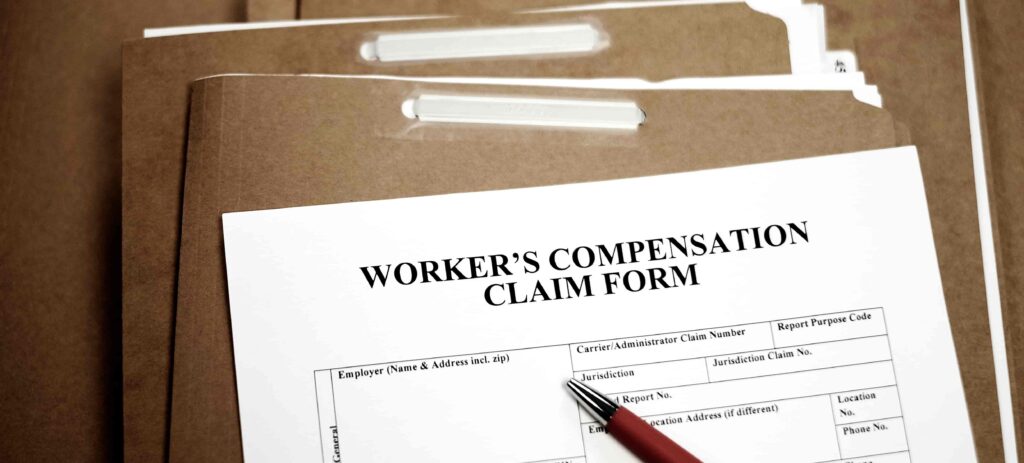
You may be eligible for compensation, but the following workers’ comp claim errors can damage your claim:
- Delayed Reporting of Symptoms: Waiting too long to report hearing issues can jeopardize your claim. Prompt notification to your employer is essential.
- Insufficient Medical Documentation: Failing to get thorough evaluations from audiologists or ENT specialists makes it more difficult to prove a connection to workplace noise.
- Ignoring Workplace Noise Records: Failing to keep logs of exposure, decibel levels, or safety protocol compliance can weaken your case.
- Failure to Use Hearing Protection Properly: Claims may be challenged if employees do not consistently use the hearing protection provided by the employer.
- Assuming Preexisting Conditions Disqualify You: Without proper documentation showing aggravation, insurers may dispute claims for preexisting hearing loss.
- Incomplete Claim Filing – Missing forms, documentation, or deadlines can delay or deny benefits.
- Not Hiring an Experienced Attorney: Handling disputes, insurance negotiations, or appeals without legal guidance can result in reduced compensation or a prolonged process.
FAQs for Hearing Loss-Related Workers’ Compensation Claims
Common questions about work-related hearing loss and workers’ comp are:
[faq_block h=”3″]
Are there time limits for filing a hearing loss claim?
Yes, there are statutory deadlines for reporting work-related injuries or illnesses. Failure to report within the specified time frame may jeopardize your eligibility for benefits. It’s vital to report symptoms promptly and seek medical evaluation.
Can pre-existing hearing conditions affect my claim?
Pre-existing hearing loss doesn’t automatically disqualify you. However, you must demonstrate that your current condition has been aggravated by workplace noise exposure.
Is hearing loss considered a permanent disability?
Yes, noise-induced hearing loss is usually permanent and irreversible. Once hearing damage occurs, it cannot be undone, emphasizing the importance of preventive measures and early intervention.
How is compensation for hearing loss determined?
Compensation is typically based on:
- The degree of hearing impairment is often assessed through audiometric testing.
- The impact of hearing loss on your ability to perform job duties.
- Your pre-injury average weekly income.
Contact a Workers’ Compensation Attorney Today
Work-related hearing loss can have a devastating impact on your life, affecting your communication, career, and overall well-being. If you’ve experienced hearing loss due to your job, it’s essential to act promptly and protect your rights. Shebell & Shebell has experienced workers’ compensation attorneys who can help you with the complicated claims process, and we empathize with your situation. You can speak to a Can I Collect Workers’ Compensation for Hearing Loss?
Work-related hearing loss is a frequent yet often overlooked occupational injury, especially for workers in industries with high noise exposure, such as construction, manufacturing, and aviation. Many people assume that minor hearing changes are just part of aging or daily life, but long-term exposure to loud environments can cause permanent hearing damage. The good news is that workers who develop hearing loss because of their job may be eligible for workers’ compensation benefits.
Workers’ compensation attorneys at Shebell & Shebell Attorneys at Law understand that proving a connection between hearing loss and workplace conditions can be complicated. Please contact our law offices at (732) 663-1122 if you have any follow-up questions about filing a claim for workers’ compensation related to your hearing loss.